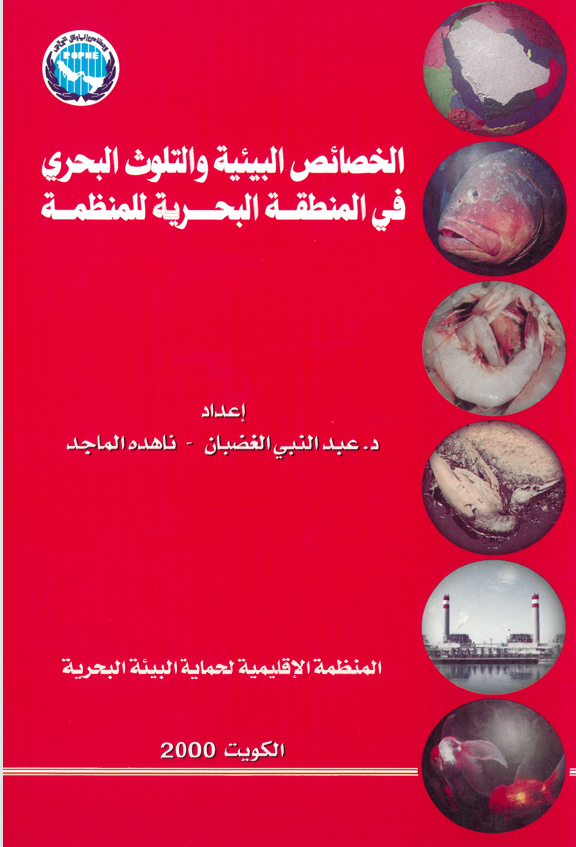
Environmental Characteristics and Marine Pollution in the Marine Area of the Regional Organization for the Protection of the Marine Environment (ROPME)

Filters
Filters
Publication Date

2000

Issue

2000

This scientific publication examines the environmental and oceanographic characteristics of the marine area under the Regional Organization for the Protection of the Marine Environment (ROPME), highlighting the major natural resources of the region and the environmental challenges it faces, particularly marine pollution resulting from human, industrial, and oil-related activities. It also highlights regional efforts aimed at protecting the marine environment through the Kuwait Convention and various ROPME programmes, providing a comprehensive vision to support the sustainable management of marine resources in the region.

Importance of the Marine Area

The publication emphasizes that the ROPME marine area is one of the most environmentally and economically significant marine regions due to its rich diversity of marine resources, including fisheries, shrimp, pearls, and coral reefs. The countries of the region also rely on its waters for desalination and energy production. In addition, the area has a strategic location that has historically made it a major maritime trade route and a hub for cultural exchange between East and West.

Despite its importance, the region has experienced increasing environmental pressures over recent decades due to wars, industrial expansion, and the growth of oil and maritime activities. These factors have resulted in unprecedented increases in marine pollution levels, highlighting the urgent need to strengthen regional cooperation for the protection of the marine environment.

The Kuwait Convention and the Role of ROPME

The publication reviews the Kuwait Regional Convention for Cooperation on the Protection of the Marine Environment from Pollution, which was adopted in 1978 and entered into force in 1979, leading to the establishment of the Regional Organization for the Protection of the Marine Environment (ROPME), headquartered in the State of Kuwait.

It also explains the objectives of the Convention, which include preventing, reducing, and controlling marine pollution from various sources; enhancing scientific and technical cooperation among member states; developing environmental monitoring programmes; preparing for and responding to emergency pollution incidents; as well as establishing environmental legislation and regulations and facilitating the exchange of scientific data and information.

Environmental and Oceanographic Characteristics

The publication provides a comprehensive description of the natural characteristics of the marine area, indicating that it is a semi-enclosed water body characterized by relatively shallow depths compared with the Gulf of Oman, with significant variations in marine topography between the Arabian and Iranian coasts. It also discusses marine sediments, the distribution of coral reefs, and the factors affecting light penetration and distribution within the water column.

The publication further addresses hydrological characteristics, including tides and marine currents, and their role in water renewal, as well as the transport of nutrients and pollutants. It also highlights the influence of winds and climatic factors on water movement and the distribution of marine organisms, emphasizing the vital importance of the Strait of Hormuz in the exchange of water between the marine area and the Indian Ocean.

ROPME’s Efforts in Protecting the Marine Environment

The publication highlights the key programmes and initiatives implemented by ROPME to reduce marine pollution. These include the development of environmental legislation, implementation of environmental monitoring programmes, support for scientific research, capacity building and training of national personnel, and the establishment of environmental databases and specialized information centres utilizing satellite imagery and Geographic Information Systems (GIS).

It also emphasizes the importance of harmonizing environmental measurement and analytical methods among member states, as well as enhancing environmental awareness within the community.

Significance of the Publication

This publication represents an important scientific reference for understanding the environmental characteristics of the ROPME marine area and the factors influencing its ecological balance. It provides a scientific foundation for assessing pollution sources and their impacts, supporting marine environmental protection efforts, sustainably managing natural resources, and strengthening regional cooperation in the fields of environmental monitoring, scientific research, and environmental decision-making.
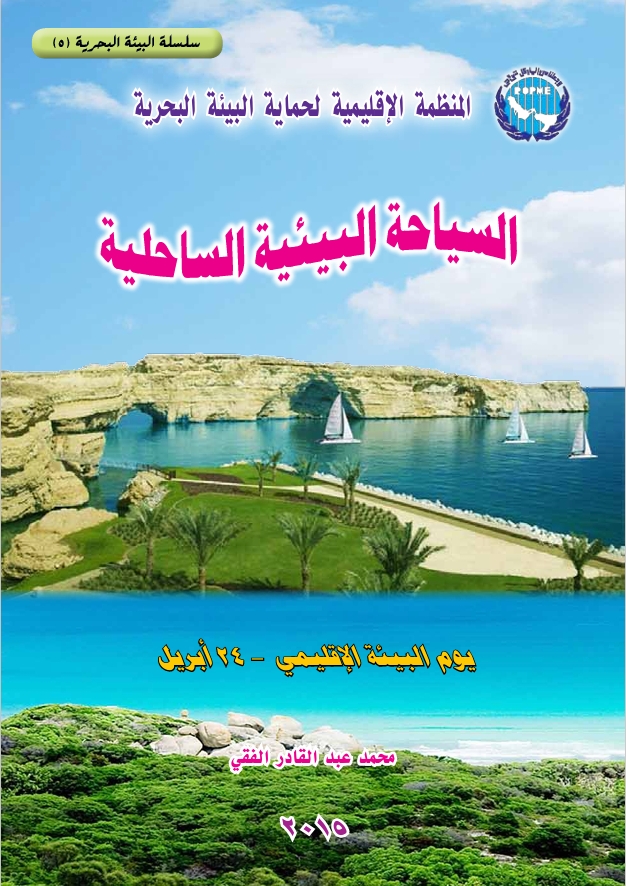
  • Coastal ecotourism
    Coastal ecotourism

    This publication This publication issued by the Regional Organization for the Protection of the Marine Environment (ROPME), as part of Marine Environment Series (5), addresses Coastal Ecotourism on the occasion of Regional Environment Day (24 April 2015). It highlights ecotourism as a key instrument for sustainable development and coastal environmental protection. The newsletter emphasizes that

  • Encroachment on beaches and its impact on the safety of the coastal environment
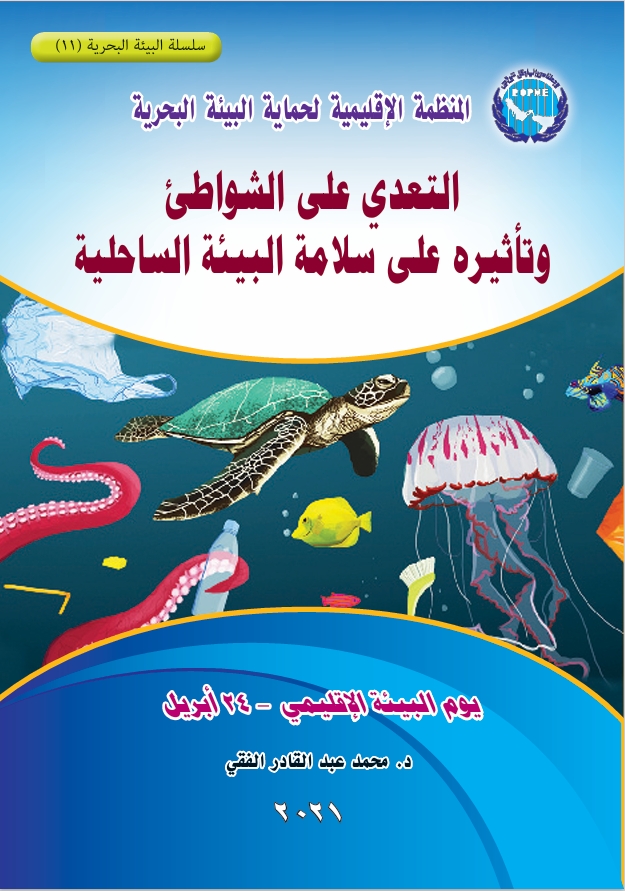
    Encroachment on beaches and its impact on the safety of the coastal environment

    This publication, part of the Marine Environment Series (No. 11) issued by the Regional Organization for the Protection of the Marine Environment (ROPME), addresses the issue of coastal encroachment and its impact on the integrity of the coastal environment. It highlights the ecological and economic significance of beaches as dynamic ecosystems rich in biodiversity, essential

  • Green economy
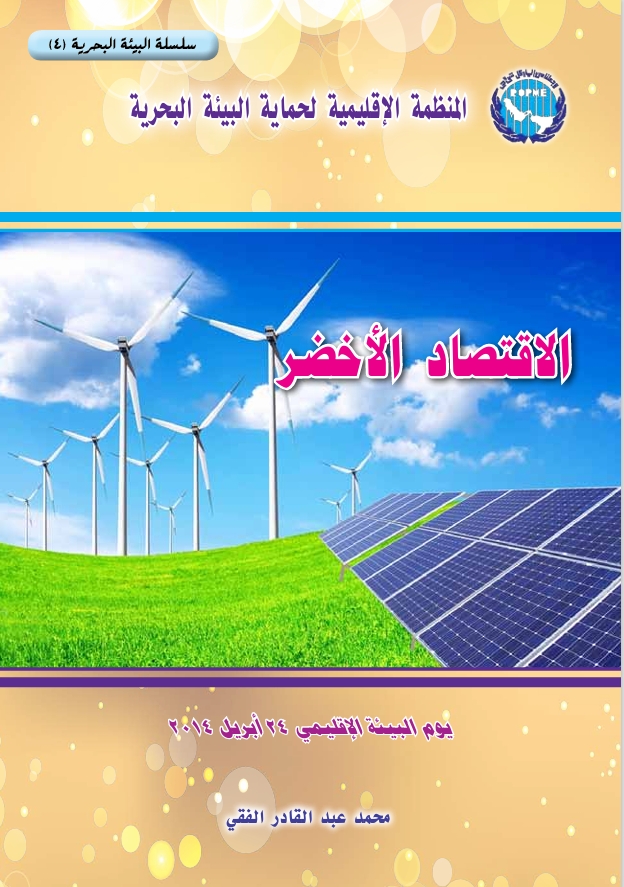
    Green economy

    This publication addresses the concept of the green economy as a key modern approach in environmental and development thinking. The term emerged prominently through the United Nations Environment Programme (UNEP) in 2008 and was globally recognized as a central pillar of sustainable development, particularly during the Rio+20 Conference. A green economy is defined as an

  • Guidelines for the Preparation of National Report on the State of the Marine Environment
    Guidelines for the Preparation of National Report on the State of the Marine Environment

    The document titled “Guidelines for the Preparation of National Report on the State of the Marine Environment” (ROPME, 2007) provides a structured framework for Member States to prepare national reports that contribute to the regional State of the Marine Environment Report (SOMER). Developed in collaboration with UNEP and aligned with the GEO (Global Environment Outlook)

  • Mangrove Trees
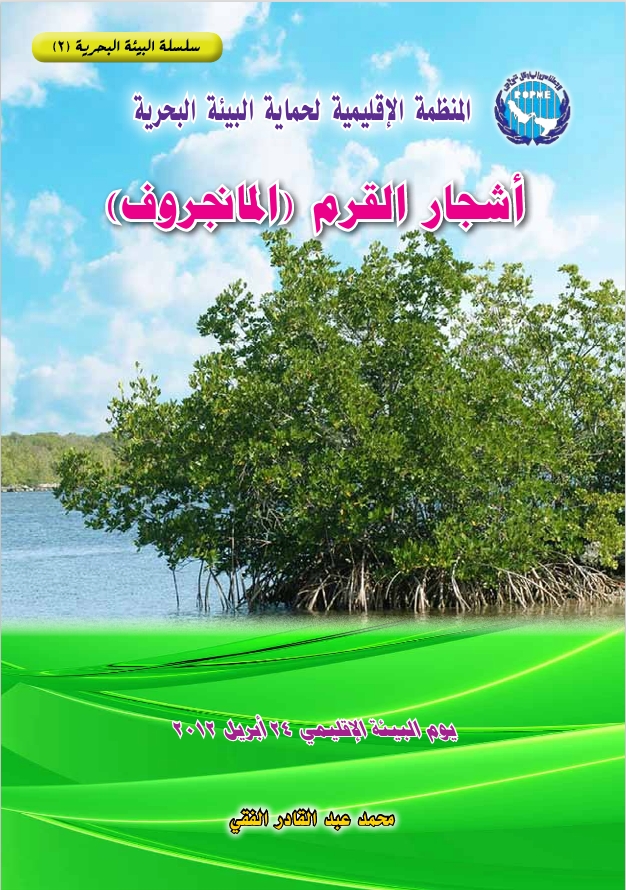
    Mangrove Trees

    This special publication, issued on the occasion of Regional Environment Day (April 24, 2012), highlights the significance of mangrove trees as one of the most vital and productive coastal ecosystems. It provides a comprehensive overview of their environmental, historical, scientific, and economic importance, with particular focus on their status within the Regional Organization for the

  • Marine Algae
    Marine Algae

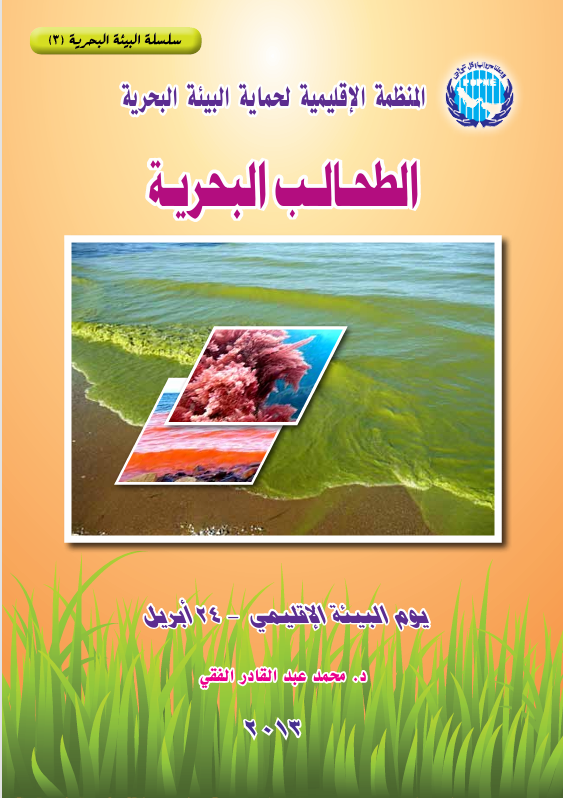
    This publication provides a comprehensive introduction to marine algae, highlighting their biological characteristics, classification, distribution, and environmental and economic importance. It also explains their vital role in supporting fisheries and discusses the potential risks associated with the excessive proliferation of harmful algal species. The publication was issued by the Regional Organization for the Protection of

  • Marine Environment Series: Marine Pollution from Offshore (sea-based) sources
    Marine Environment Series: Marine Pollution from Offshore (sea-based) sources

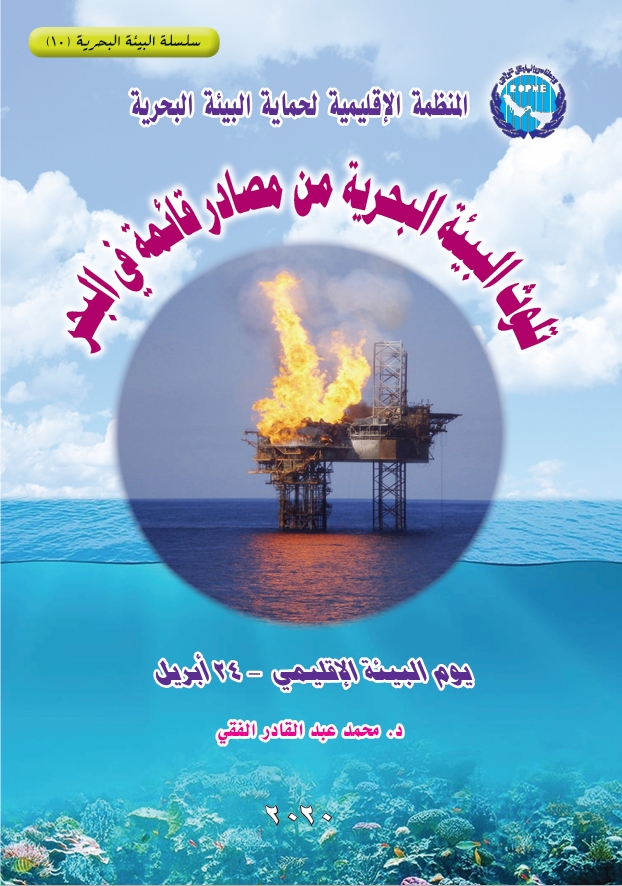
    This special publication from the Marine Environment Series (2020) addresses marine pollution from offshore (sea-based) sources, focusing on the marine environment within the Regional Organization for the Protection of the Marine Environment (ROPME) area and the growing environmental challenges driven by human activities, particularly those linked to oil, shipping, and industrial development. The ROPME marine

  • Marine Plastic Pollution: Challenges and Solutions in the ROPME Sea Area
    Marine Plastic Pollution: Challenges and Solutions in the ROPME Sea Area

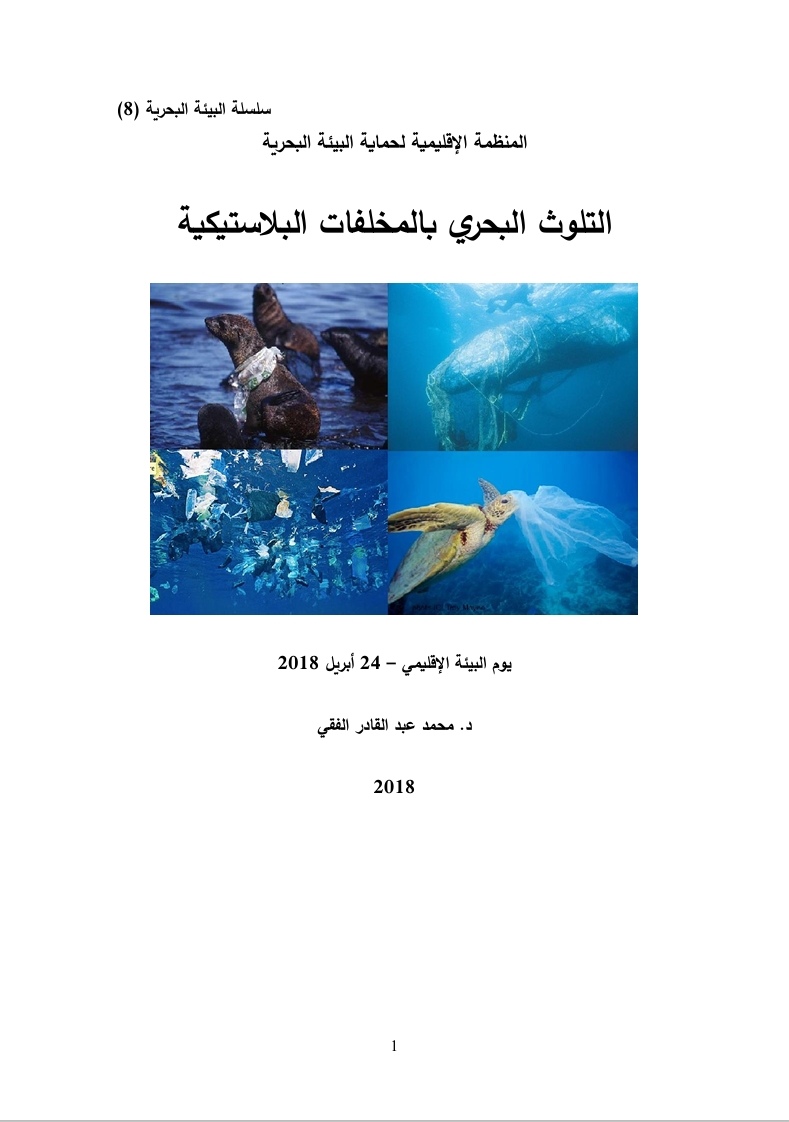
    The eighth issue of the Marine Environment Series published by the Regional Organization for the Protection of the Marine Environment (ROPME) addresses marine pollution caused by plastic waste as one of the most critical environmental challenges facing the world’s oceans, including the ROPME Sea Area. The report emphasizes that plastic pollution is more persistent and,

  • MOOPAM (2010)
    MOOPAM (2010)

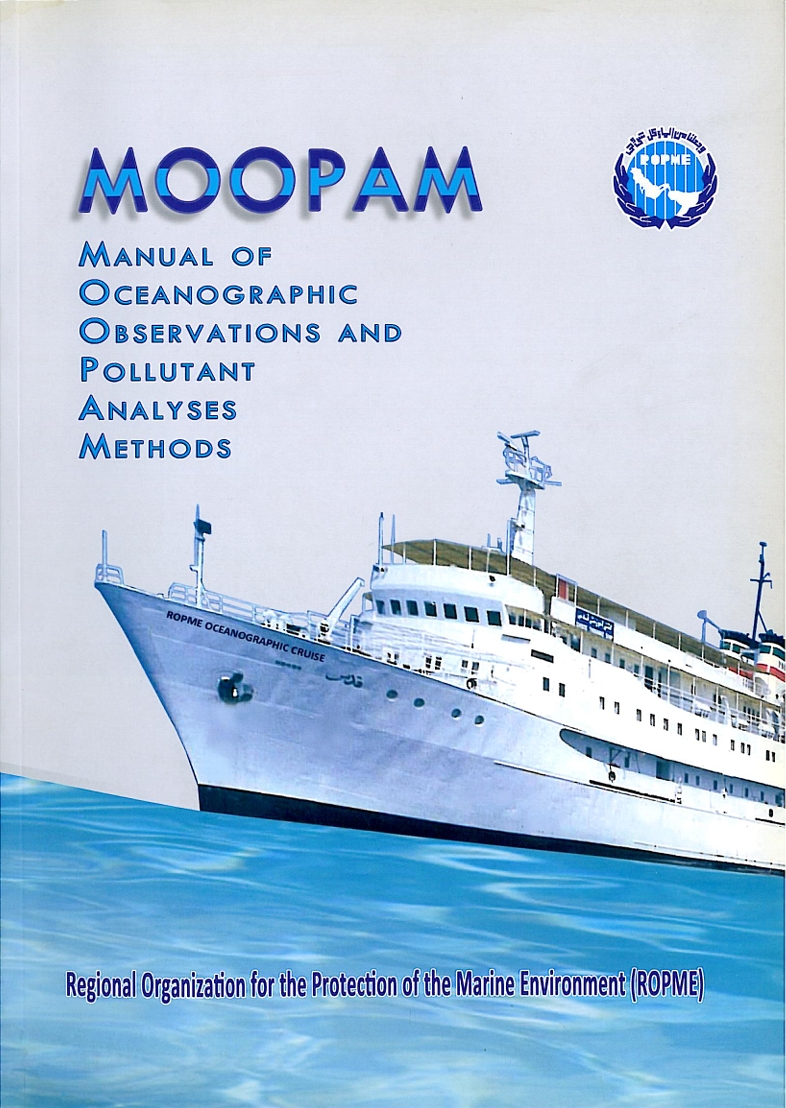
    A revised edition for the guide to the fieldsurveys, sampling and analytical methods to beused by the participating institutions forimplementation of the Monitoring and ResearchProgramme for analyses of oceanographicparameters and oil and non-oil pollutants in theROPME Sea Area. In this revised edition of MOOPAM severalconsiderations were taken into account, i.e. thedevelopment of analytical capabilities in

  • Offshore Environment of the ROPME Sea Area after the War-Related Oil Spill: Results of the 1993–94 Umitaka-Maru Cruises
    Offshore Environment of the ROPME Sea Area after the War-Related Oil Spill: Results of the 1993–94 Umitaka-Maru Cruises

    The publication “Offshore Environment of the ROPME Sea Area after the War-Related Oil Spill: Results of the 1993–94 Umitaka-Maru Cruises” presents a comprehensive scientific assessment of the marine environment in the ROPME Sea Area (RSA) following the environmental catastrophe caused by the 1990–1991 Gulf War oil spill. The RSA, bordered by eight countries (Bahrain, Iran,

  • Overview on Land-based Sources and Activities Affecting the Marine Environment in the ROPME Sea Area
    Overview on Land-based Sources and Activities Affecting the Marine Environment in the ROPME Sea Area

    A comprehensive overview of land-based sources and activities affecting the marine, coastal and associated freshwater environments in the ROPME Sea Area, including the status of activities dealing with the protection of those environments from land-based sources. This work is based on a review of the relevant information and activities of the individual countries making up

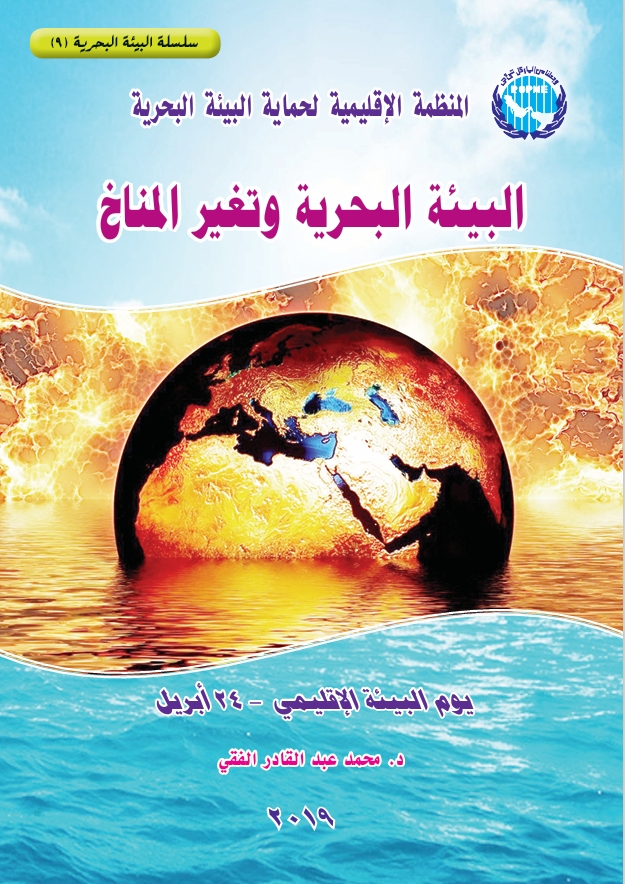
  • Policy brief on the impacts of Climate change on the ROPME Sea Area
    Policy brief on the impacts of Climate change on the ROPME Sea Area

    This policy brief issued by the Regional Organization for the Protection of the Marine Environment (ROPME) assesses the impacts of climate change on the ROPME Sea Area, one of the warmest and most environmentally extreme marine regions in the world, encompassing the Arabian Gulf and the northwestern Indian Ocean. The report confirms that climate change

Explore More
  • The Field Safety Guide for Oil Spill Response and Control Operations Marine Emergency Mutual Aid Centre (MEMAC)
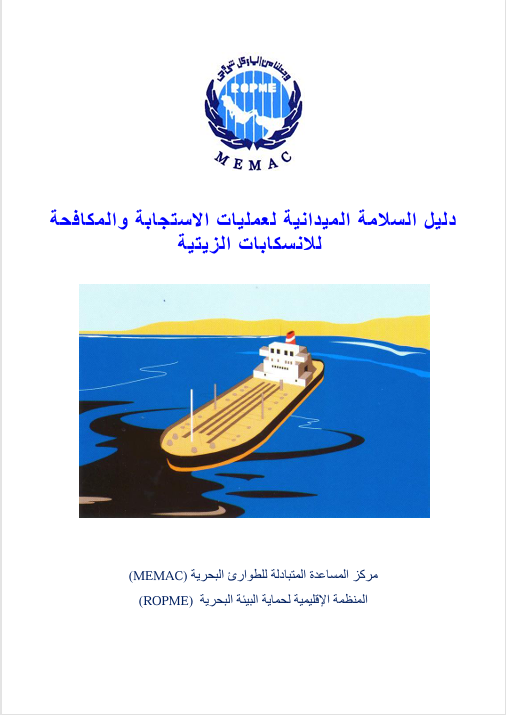
    The Field Safety Guide for Oil Spill Response and Control Operations Marine Emergency Mutual Aid Centre (MEMAC)

    The *Field Safety Guide for Oil Spill Response and Control Operations* is one of the important publications prepared by the Marine Emergency Mutual Aid Centre (MEMAC), under the Regional Organization for the Protection of the Marine Environment (ROPME). The guide aims to enhance the preparedness of member states to respond effectively to oil pollution incidents

  • Marine Algae
    Marine Algae

    This publication provides a comprehensive introduction to marine algae, highlighting their biological characteristics, classification, distribution, and environmental and economic importance. It also explains their vital role in supporting fisheries and discusses the potential risks associated with the excessive proliferation of harmful algal species. The publication was issued by the Regional Organization for the Protection of

  • Coastal ecotourism
    Coastal ecotourism

    This publication This publication issued by the Regional Organization for the Protection of the Marine Environment (ROPME), as part of Marine Environment Series (5), addresses Coastal Ecotourism on the occasion of Regional Environment Day (24 April 2015). It highlights ecotourism as a key instrument for sustainable development and coastal environmental protection. The newsletter emphasizes that

  • Marine Environment Series: Marine Pollution from Offshore (sea-based) sources
    Marine Environment Series: Marine Pollution from Offshore (sea-based) sources

    This special publication from the Marine Environment Series (2020) addresses marine pollution from offshore (sea-based) sources, focusing on the marine environment within the Regional Organization for the Protection of the Marine Environment (ROPME) area and the growing environmental challenges driven by human activities, particularly those linked to oil, shipping, and industrial development. The ROPME marine

  • Mangrove Trees
    Mangrove Trees

    This special publication, issued on the occasion of Regional Environment Day (April 24, 2012), highlights the significance of mangrove trees as one of the most vital and productive coastal ecosystems. It provides a comprehensive overview of their environmental, historical, scientific, and economic importance, with particular focus on their status within the Regional Organization for the

  • Marine Plastic Pollution: Challenges and Solutions in the ROPME Sea Area
    Marine Plastic Pollution: Challenges and Solutions in the ROPME Sea Area

    The eighth issue of the Marine Environment Series published by the Regional Organization for the Protection of the Marine Environment (ROPME) addresses marine pollution caused by plastic waste as one of the most critical environmental challenges facing the world’s oceans, including the ROPME Sea Area. The report emphasizes that plastic pollution is more persistent and,

  • Encroachment on beaches and its impact on the safety of the coastal environment
    Encroachment on beaches and its impact on the safety of the coastal environment

    This publication, part of the Marine Environment Series (No. 11) issued by the Regional Organization for the Protection of the Marine Environment (ROPME), addresses the issue of coastal encroachment and its impact on the integrity of the coastal environment. It highlights the ecological and economic significance of beaches as dynamic ecosystems rich in biodiversity, essential

  • The Marine Environment and Climate Change
    The Marine Environment and Climate Change

    This publication by the Regional Organization for the Protection of the Marine Environment (ROPME) addresses the critical issue of marine environment and climate change, emphasizing that the marine environment is fundamental to life on Earth. Covering approximately 71% of the planet’s surface, it provides food, energy, freshwater (through desalination), supports biodiversity, regulates the global climate,