With the emergence of numerous contemporary environmental problems, it was natural for them to be accompanied by sincere calls to focus on
Environmental Awareness is considered the first line of defence for the environment and its protection
achieved by involving the public in solving and confronting environmental issues, limiting pollutants, and supporting official efforts in this regard. The beginnings of interest in environmental awareness coincided with the early stages of global concern for the environment in the 1960s and 1970s.
In recent years, it has become clear that awareness is not only of major importance in guiding the behavior of community members to respect and preserve the environment, but it also contributes to forming positive attitudes among citizens toward the environment. It turns the process of environmental conservation into a method, behavior, and habit, provided that those in charge of these awareness tools successfully change the public’s environmental perception.
There are numerous methods and approaches used to contribute to preserving the environment, its systems, and its resources. Among these methods are: Environmental Awareness, Environmental Enlightenment, and Environmental Culture. This is what we will clarify in this section, where we will present the concept of each, explain their importance, objectives, how to achieve them, and the means used.
The Concept of Environmental Awareness
Environmental awareness is defined as programs or activities directed at people in general, or a specific social segment, with the aim of clarifying, reinforcing, and defining a specific environmental concept or problem. The goal is to create interest and a sense of responsibility, thereby bringing about a change in individuals’ attitudes, behaviours, and perspectives toward the environment and its resources
It can also be defined as “the process of building and developing environmental attitudes, concepts, values, and behaviors among individuals in a way that reflects positively on protecting and preserving the environment, and achieving a type of balanced relationship that ensures environmental safety.”
“The collective consciousness regarding the conservation of natural resources.”
Trivedi and Singh – 1995
It can be said that environmental awareness is a media process aiming to create an aware generation that appreciates the nature of the environment in which they live, its requirements, its components, and the internal and external factors affecting it. It is directly or indirectly related to human behavior and the society in which one lives. It requires the preparation of appropriate values and attitudes that link humans and their civilization to their biosphere, as living beings among vast numbers of other living beings. This necessitates that humans preserve their existence and growth within the rules, foundations, and systems established for this environment.
Importance of Environmental Awareness
The importance of environmental awareness stems from its role in informing various segments of society and decision-makers about important environmental issues and problems. It is also considered a continuation of the efforts made by governments and environmental organizations in addressing environmental problems by motivating citizens to participate through efforts in non-governmental organizations (NGOs) working in the field of environmental issues.
Objectives of Environmental Awareness
Generally, environmental awareness aims to achieve the following:
Providing the individual with sufficient opportunities to acquire the knowledge, skills, and commitment to work on improving and preserving the environment to ensure sustainable development.
Improving the quality of human life by reducing the impact of environmental pollutants on health.
Developing environmental ethics so that they become the internal monitor for humans when dealing with the environment.
Activating the public’s role in participating in decision-making regarding the surrounding environment.
Helping the individual discover environmental problems and find appropriate solutions for them.
Enhancing Global Interest in Environmental Awareness
The Environmental Attitude can be defined as: “The stance an individual takes toward their environment, regarding whether or not they sense its problems, their readiness (or lack thereof) to participate in solving these problems and improving environmental conditions,
Raising the level of environmental awareness ensures the following:
Effective delivery of information that achieves the goals of environmental awareness programs.
Ease of access to information related to environmental issues included in awareness programs.
Developing the skills of those working in the field of environmental awareness.
Participation of employees in agencies responsible for environmental protection in awareness programs.
How to Achieve Environmental Awareness
Environmental awareness is achieved clearly and directly through coordination and cooperation between all parties concerned with confronting environmental problems in society, which are:
Government agencies concerned with environmental affairs.
All societal bodies and institutions.
Individuals, who are the actual protectors of the environment when provided with knowledge and a correct understanding of their environmental role.
Supporting specialized bodies and associations for environmental protection in schools and universities through civil and governmental activities, and establishing “Friends of the Environment” groups.
Preparing special references for environmental culture to clarify concepts of the environment and environmental education, and preparing audio-visual aids that serve this purpose.
Implementing Principle 19 of the Stockholm Declaration of 1972, regarding “urging governments and non-governmental organizations to work on educating young generations as well as adults in environmental fields.”
This can be implemented through three separate yet simultaneous, overlapping rings: Environmental Education, Environmental Culture (or non-formal environmental education), and Environmental Media.
Mechanisms of Environmental Awareness
Celebrating National, Regional, and World Environment Days.
Issuing posters.
Publishing environmental newsletters and booklets.
Organizing competitions in drawing, anthems, and environmental essays.
Driving Innovation for a Sustainable Marine Environment ROPME leads and supports a diverse portfolio of regional projects that address the most pressing environmental challenges in the ROPME Sea Area. Working closely with Member States, international organizations, research institutions, and strategic partners, these projects promote innovation, strengthen regional cooperation, and provide practical solutions for protecting the
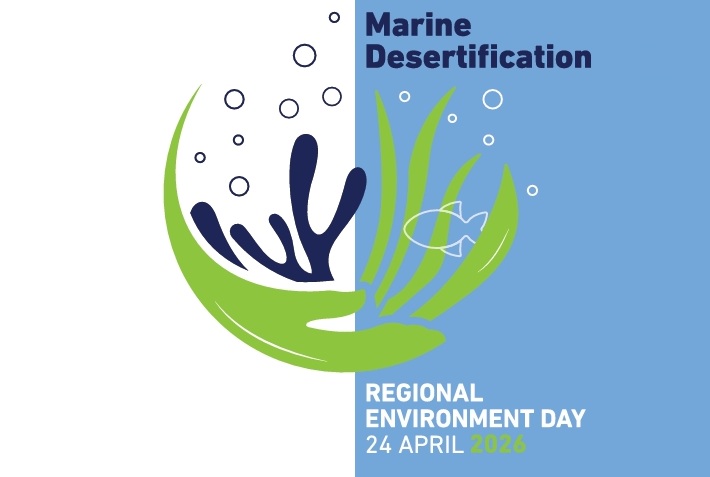
“A growing threat to marine ecosystems, biodiversity, and the communities that depend on them.“ What is Marine Desertification? Marine desertification is the rapid degradation of productive marine ecosystems, transforming them into nutrient-poor areas with low biodiversity. Similar to desertification on land, it results in the severe loss of marine vegetation and biological resources, reducing the
Advancing Marine Conservation through Protected and Conserved Areas (PCAs) “A regional initiative to strengthen marine conservation, improve protected area management, and support biodiversity targets across the ROPME Sea Area.” Project Overview The ROPME-PCAs Project is a regional collaboration between ROPME and UNEP-WCMC to advance marine conservation by improving the management, reporting, and effectiveness of Protected
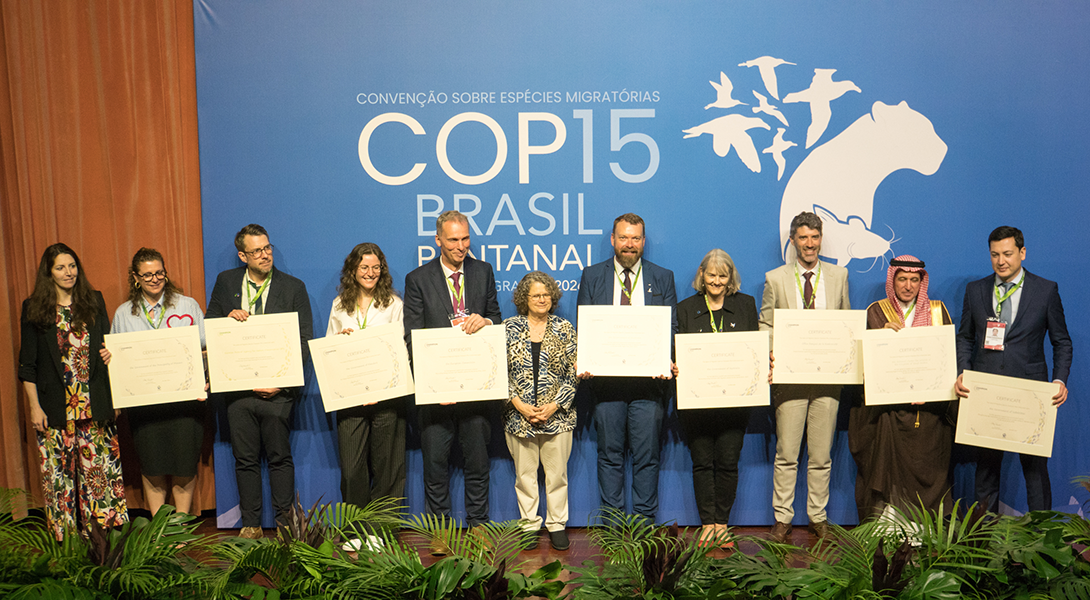
Strengthening Conservation of Marine Migratory Species Protecting migratory marine species and their critical habitats through regional cooperation across the ROPME Sea Area. Overview ROPME has been recognized as a CMS Champion Plus for its initiative “Strengthening Conservation of Marine Species and their Habitats in the ROPME Sea Area (2026–2028).” The initiative strengthens science-based regional cooperation
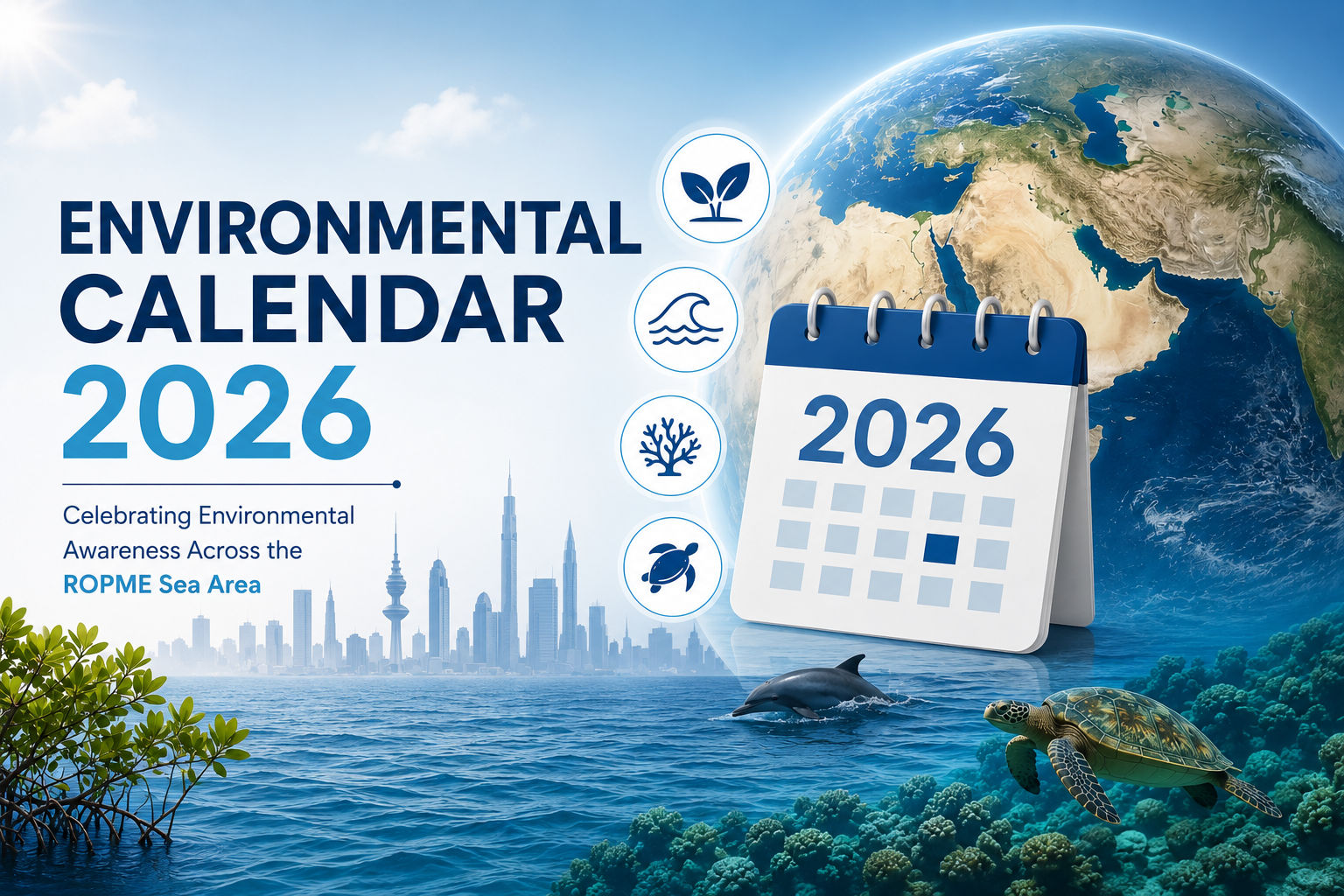
Celebrating Environmental Awareness Across the ROPME Sea Area The ROPME Environmental Calendar brings together major international, regional, and national environmental observances throughout the year. It serves as a reference for important occasions dedicated to the protection of marine and coastal ecosystems, biodiversity conservation, climate action, sustainable development, environmental education, and the celebration of the environmental
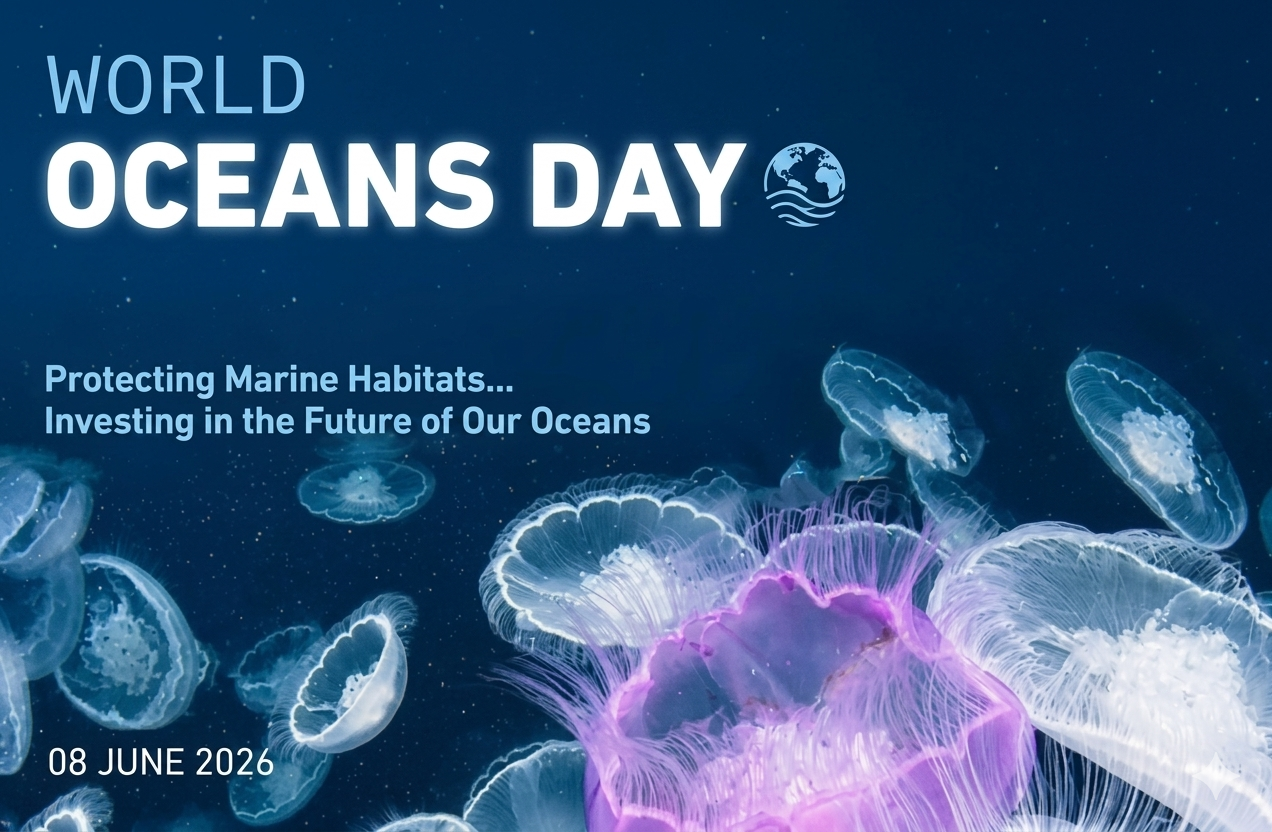
Celebrating World Oceans Day 2026 Protecting Marine Habitats: An Investment in the Future of Our Oceans On 8 June 2026, the Regional Organization for the Protection of the Marine Environment (ROPME) joins the global community in celebrating World Oceans Day. Together, we reaffirm a vital truth: our oceans are a living asset that sustains all
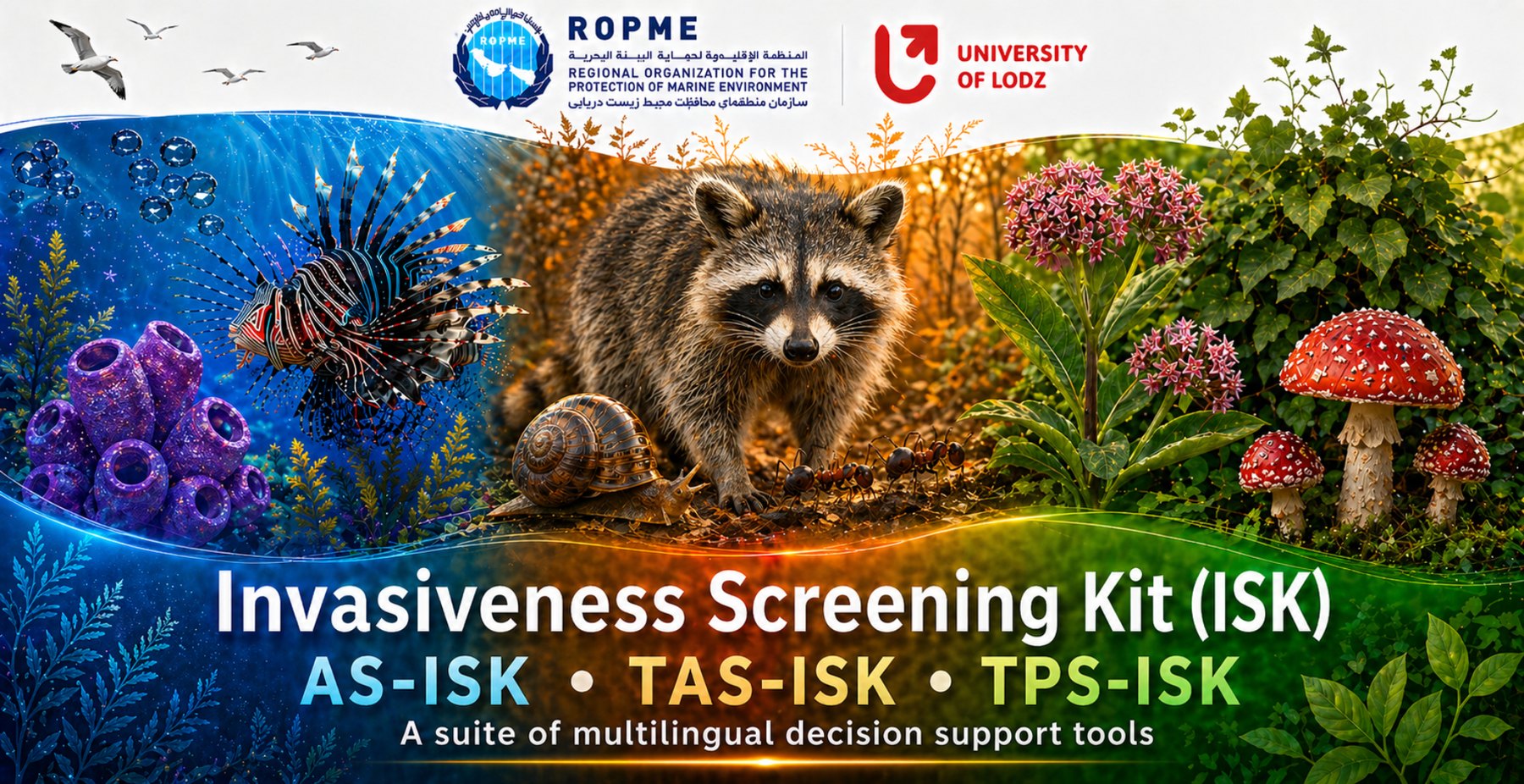
Invasiveness Screening Kit (ISK) v3 A free Microsoft Excel-based decision-support platform integrating AS-ISK, TAS-ISK and TPS-ISK for screening non-native species and calibrating risk outcomes across aquatic organisms, terrestrial animals and terrestrial plants. The ISK v3 toolkits ISK v3 preserves the three toolkit-specific screening protocols while integrating them within the v3 software environment. Aquatic Species Invasiveness
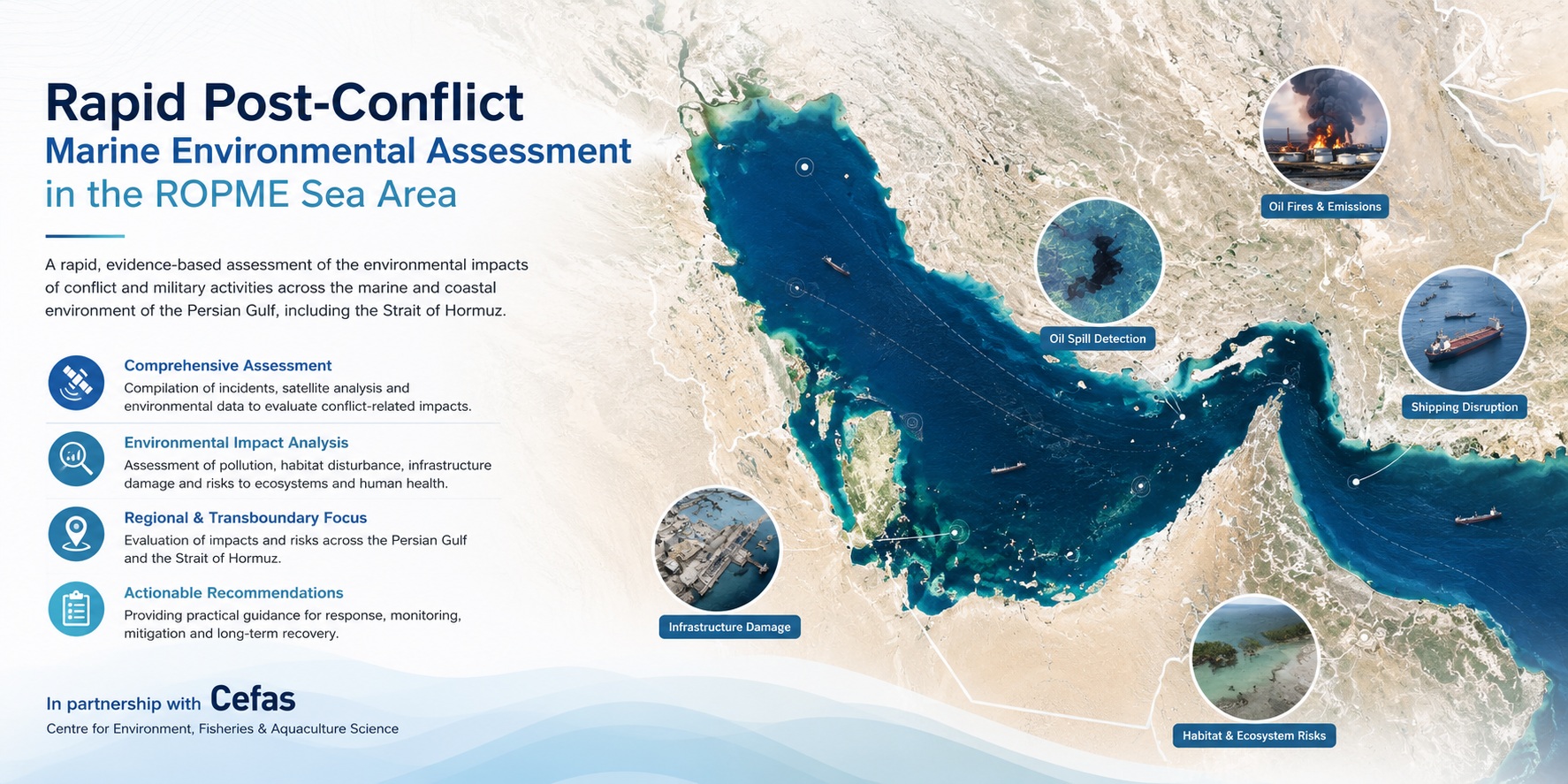
Rapid Post-Conflict Marine Environmental Assessment in the ROPME Sea Area Overview The Rapid Post-Conflict Marine Environmental Assessment in the ROPME Sea Area was implemented by ROPME to assess the environmental consequences of regional conflict and military activity across the marine and coastal environment of the region. The project provided an early evidence-based understanding of conflict-related