

Reports
Find detailed assessments and summaries of ROPME’s projects and studies. Reports provide in-depth analysis of environmental conditions, trends, and the outcomes of specific initiatives.
Find detailed assessments and summaries of ROPME’s projects and studies. Reports provide in-depth analysis of environmental conditions, trends, and the outcomes of specific initiatives.

0
—
to
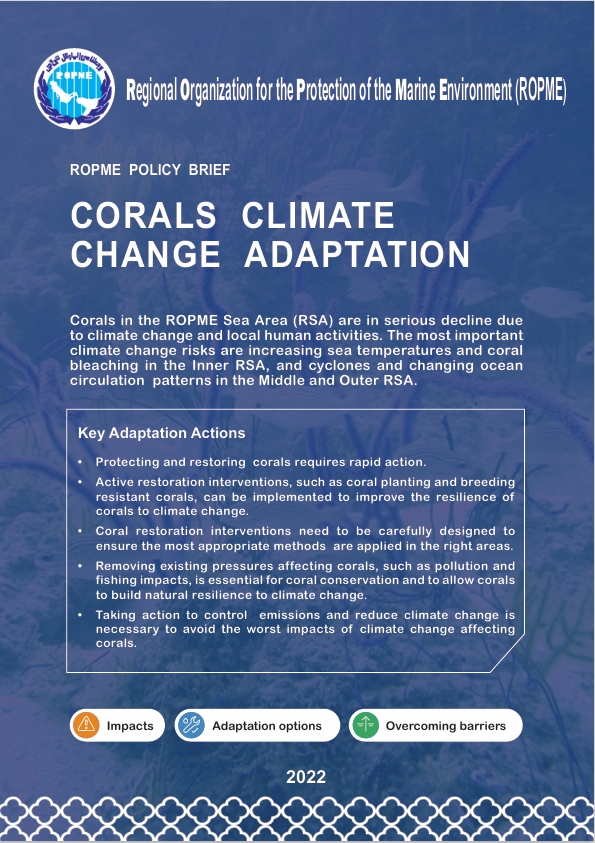
The ROPME Policy Brief (2022) on Coral Climate Change Adaptation examines the severe decline of coral reefs in the ROPME Sea Area (RSA) due to combined pressures from climate change and human activities. The region hosts over 2,000 km² of coral reefs, supporting rich biodiversity and providing significant socio-economic benefits, including fisheries and tourism. Climate
to
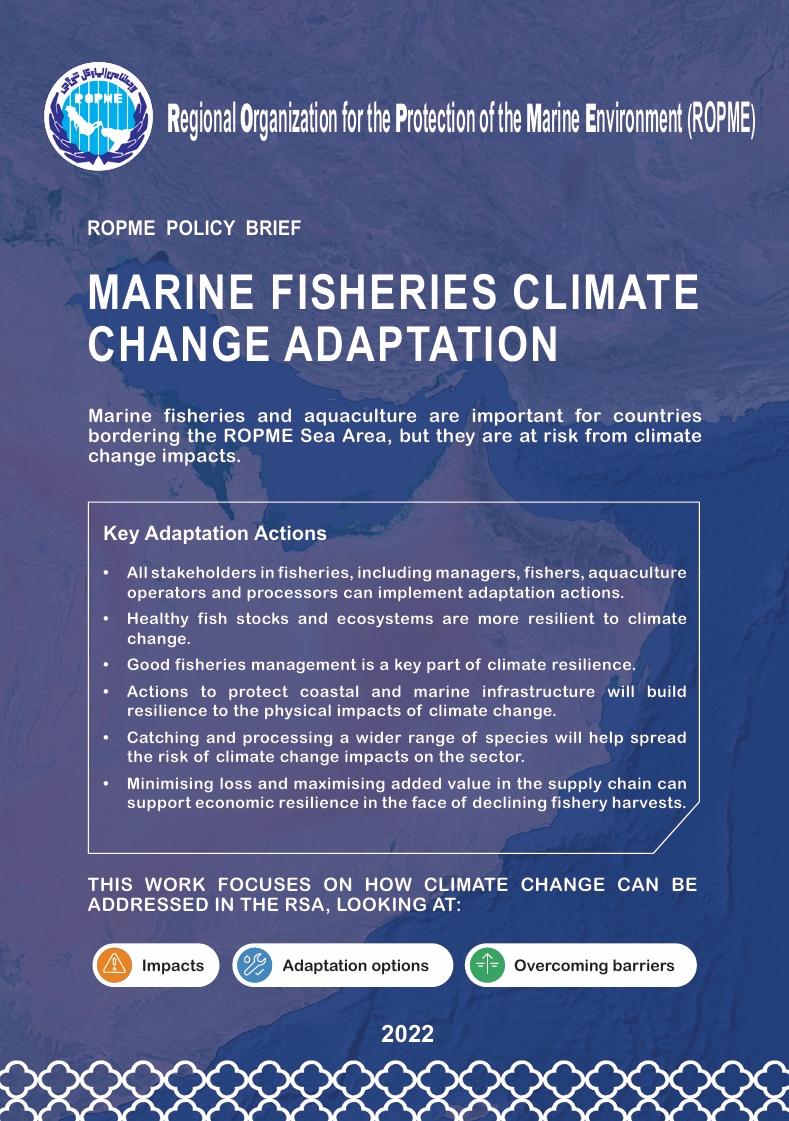
This policy brief by the Regional Organization for the Protection of the Marine Environment (ROPME) addresses the adaptation of marine fisheries to the impacts of climate change within a regional framework covering the eight member states bordering the ROPME Sea Area, which is divided into three sub-regions: a shallow semi-enclosed inner zone, a transitional middle
to
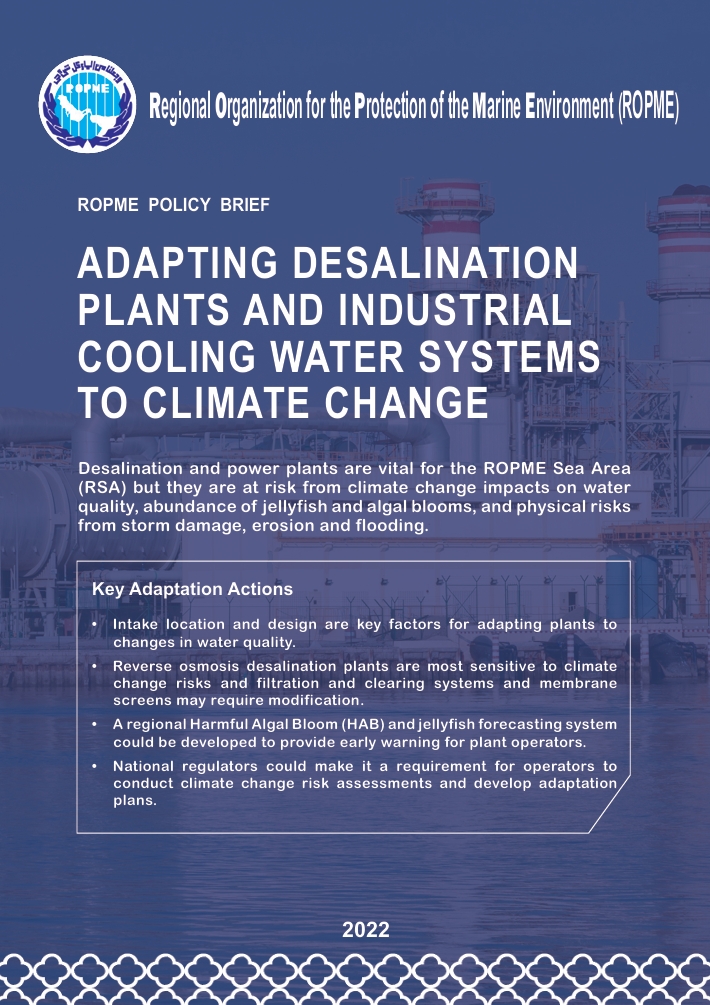
The 2022 ROPME Policy Brief addresses the impacts of climate change on desalination plants and industrial cooling water systems in the ROPME Sea Area, which includes eight member states. It highlights the region’s critical dependence on desalination, with over 1,400 plants producing more than 25 million cubic meters per day, expected to rise significantly by
to
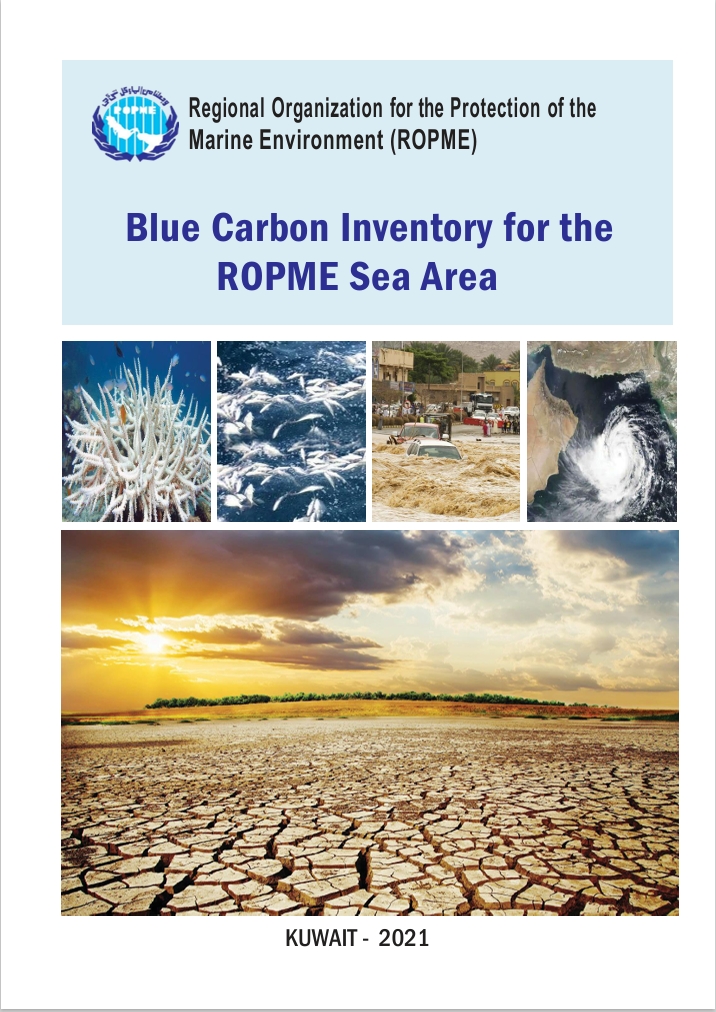
The Blue Carbon Inventory for the ROPME Sea Area (2021) provides a comprehensive regional assessment of the extent, carbon storage, and sequestration potential of blue carbon ecosystems across the eight ROPME member states. The report was developed to support climate change mitigation and adaptation efforts under the ROPME Regional Action Plan. It identifies key blue
to
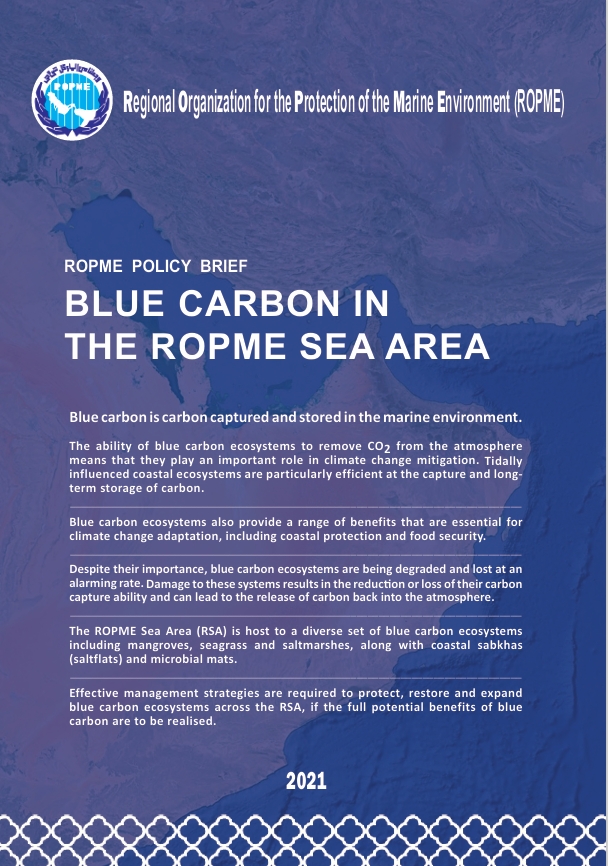
The ROPME Policy Brief on Blue Carbon in the ROPME Sea Area (RSA) highlights the critical role of marine ecosystems in capturing and storing carbon, thereby contributing to climate change mitigation and adaptation. Blue carbon refers to carbon sequestered in coastal and marine ecosystems such as mangroves, seagrasses, and saltmarshes, which are particularly efficient at
to
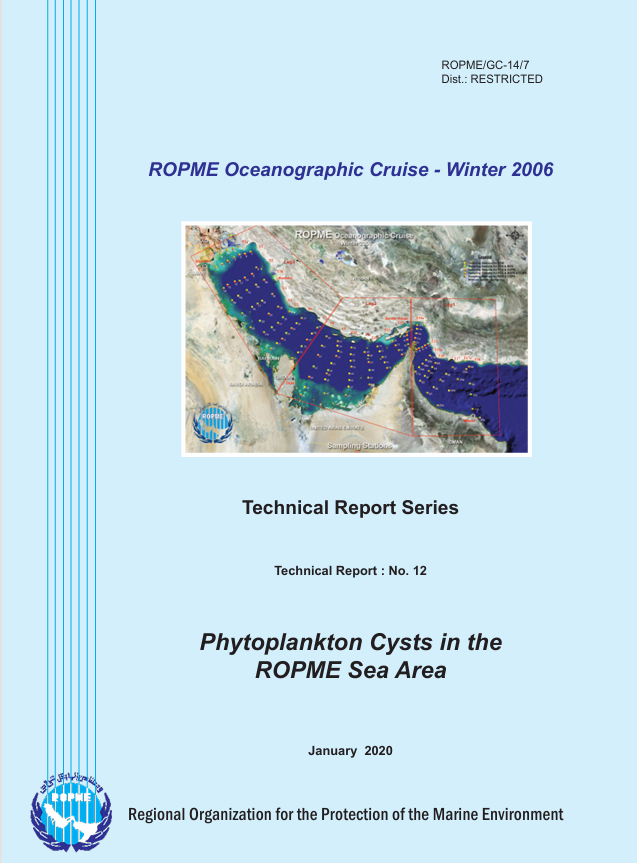
This report presents a comprehensive study of phytoplankton cysts in the Regional Organization for the Protection of the Marine Environment (ROPME) Sea Area, based on surface sediment samples collected during the Regional Oceanographic Cruise conducted in winter 2006. It represents the first large-scale regional investigation addressing the spatial distribution, taxonomic diversity, and abundance of phytoplankton
to
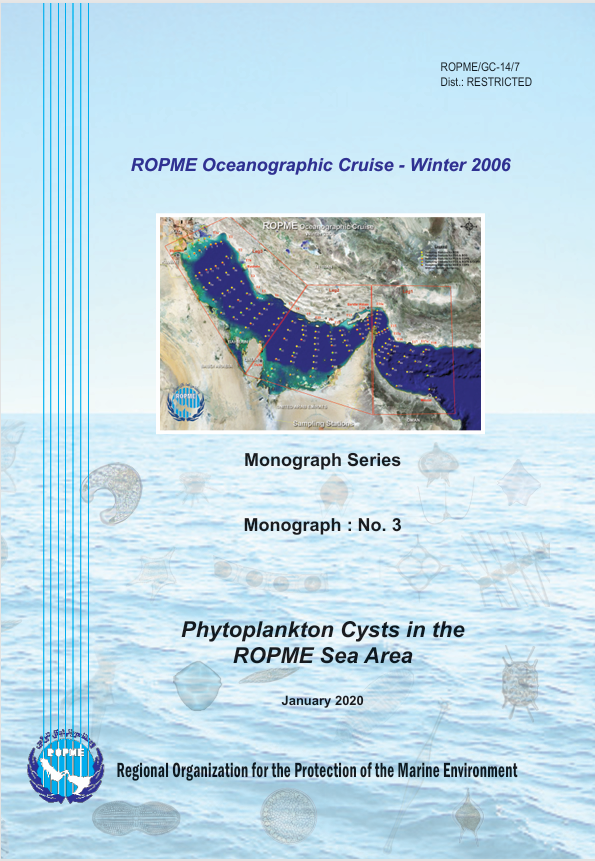
This report is part of the scientific monograph series published by the Regional Organization for the Protection of the Marine Environment (ROPME), based on the results of the comprehensive Winter 2006 Oceanographic Cruise. The cruise aimed to enhance understanding of the marine environmental status of the ROPME Sea Area (RSA) and support the preparation of
to
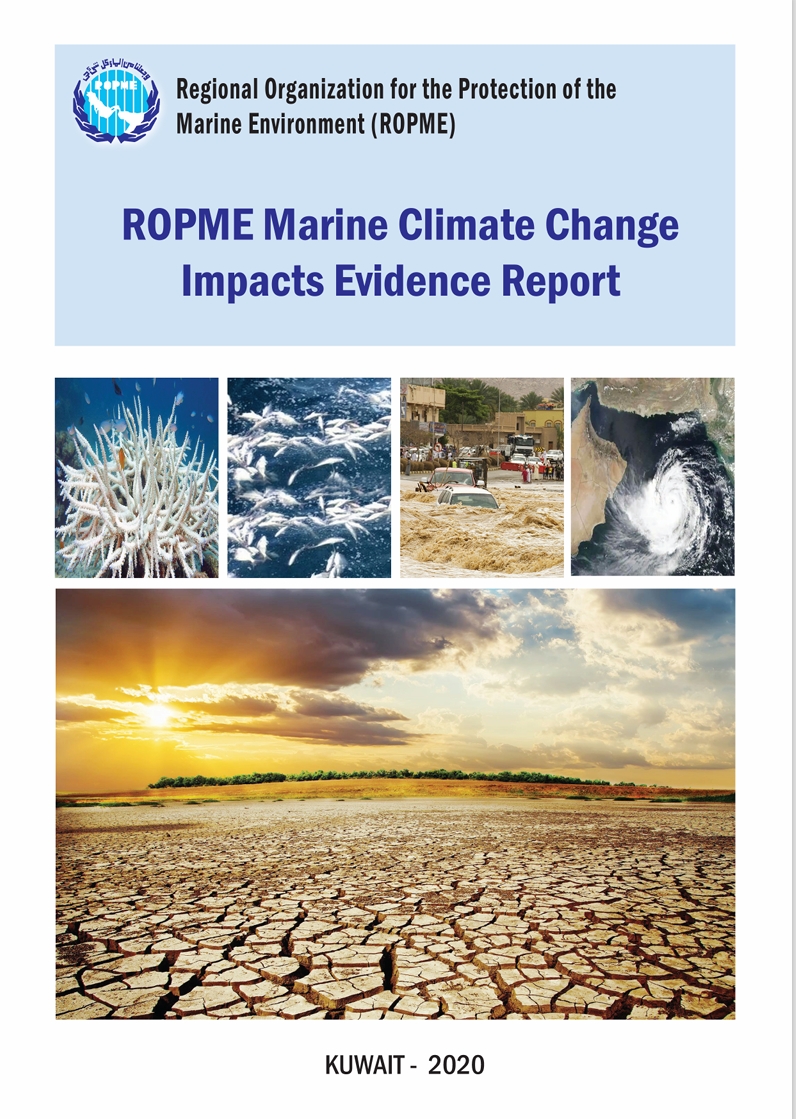
The ROPME Marine Climate Change Impacts Evidence Report (2020) provides a comprehensive scientific assessment of current and projected climate change impacts on marine and coastal ecosystems, communities, and industries within the ROPME Sea Area (RSA), which includes the waters of eight member states in the Gulf and surrounding regions. The RSA is one of the
to
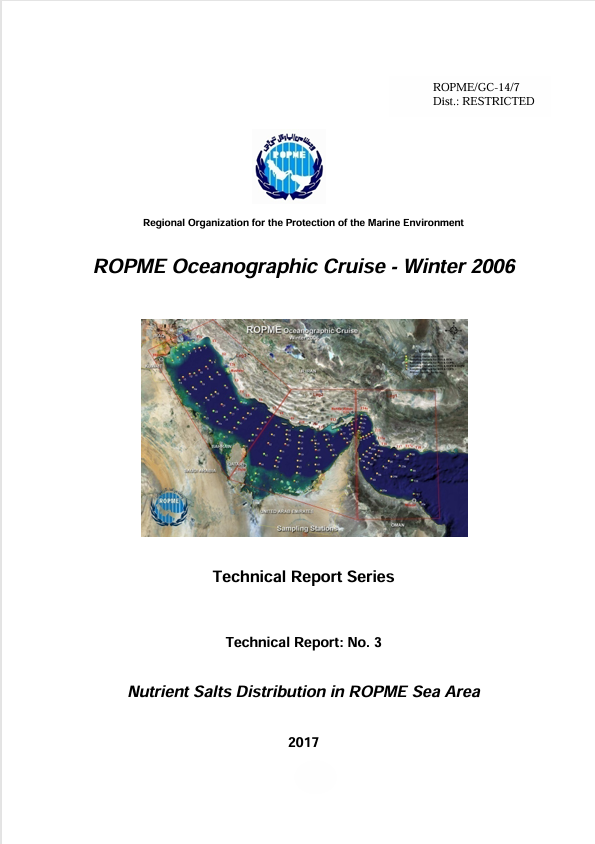
This report examines the distribution of nutrient salts in the ROPME Sea Area, based on the findings of the regional oceanographic cruises conducted during Summer 2001 and Winter 2006. The study was undertaken to assess the environmental status of the ROPME Sea Area and to enhance understanding of the natural and anthropogenic factors influencing its