
Why is the RSA a “Special Sea Area”?
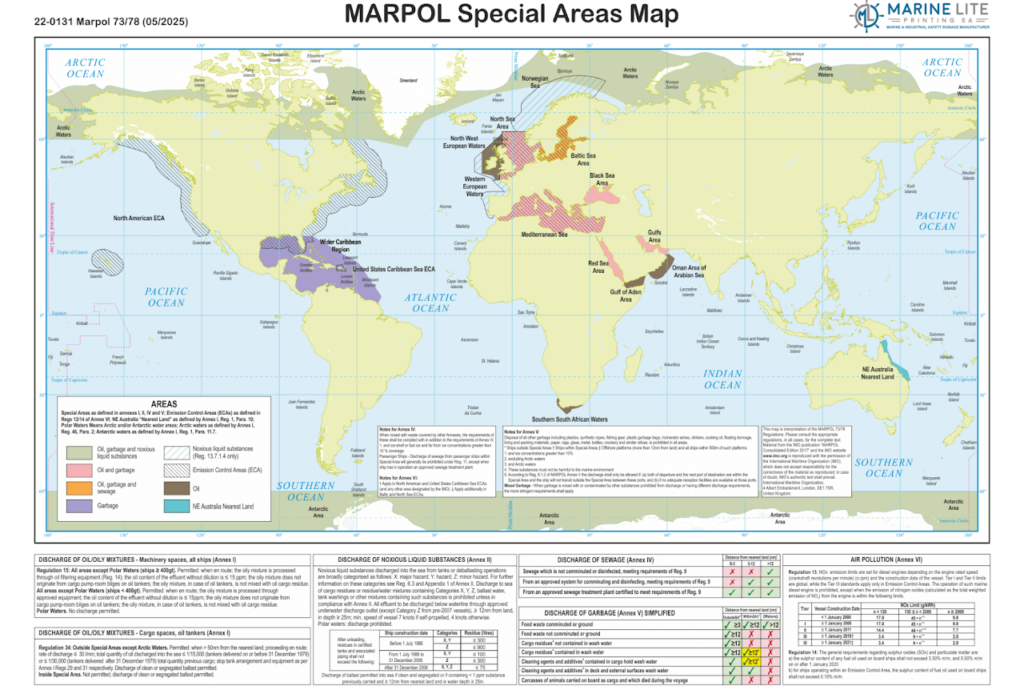
The ROPME Sea Area (RSA) holds a unique place in global maritime law. Recognized by the International Maritime Organization (IMO) under MARPOL Annexes I and V, the RSA is officially designated as a Special Area. This designation reflects its sensitivity to pollution and the intense maritime traffic it sustains, including oil tankers, cargo vessels, and regional shipping. Within a Special Area, stricter discharge regulations apply to vessels: oil, noxious liquid substances, sewage, and garbage discharges are heavily restricted or outright prohibited, except under stringent conditions. This legal status strengthens environmental protection by aligning international maritime rules with the regional Kuwait Regional Convention and its protocols under ROPME.
What does it mean?
Oil pollution control
Any discharge of oil or oily mixtures is banned unless treated to international standards.
Garbage Restrictions
Disposal of plastics and most solid wastes is completely prohibited.
Ballast Water Management
Ships are required to manage ballast to reduce the spread of invasive species, a growing concern in the RSA.
Port Reception Facilities
Member States provide dedicated facilities so ships can safely offload waste instead of discharging at sea.
This framework ensures that shipping, which is one of the RSA’s largest economic lifelines, is managed in a way that minimizes environmental harm while maintaining regional trade security.
Annex I and Annex V
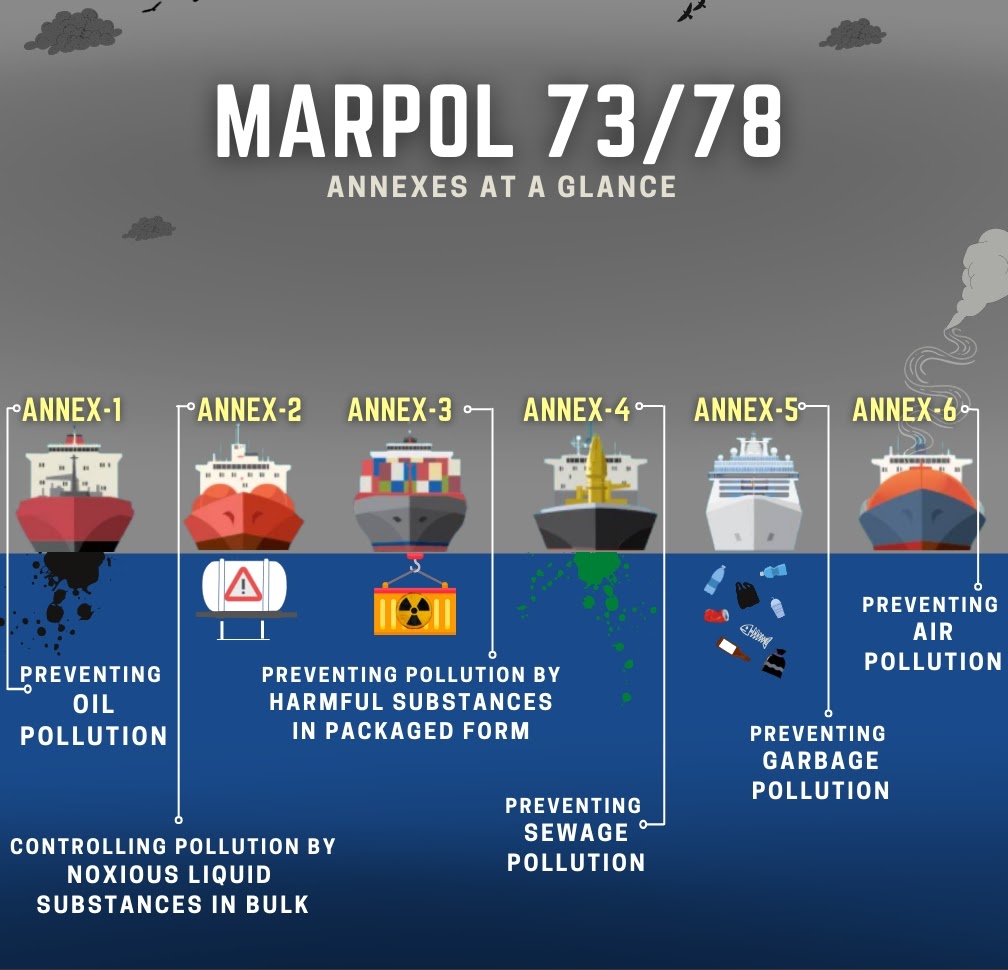
The RSA is specifically listed in MARPOL Annex I (Oil Pollution) and Annex V (Garbage). Under Annex I, any discharge of oil or oily mixtures into the sea is prohibited unless strict conditions are met, a rule especially critical in the RSA where chronic oil spills pose a persistent threat to marine habitats. Annex V further bans the disposal of plastics and heavily restricts other solid wastes, ensuring that the RSA’s semi-enclosed waters — already under pressure from coastal development and heavy shipping — are not further degraded by marine litter. Together, these annexes form the backbone of the RSA’s Special Area protection, directly addressing its two most pressing risks: oil contamination and marine litter.