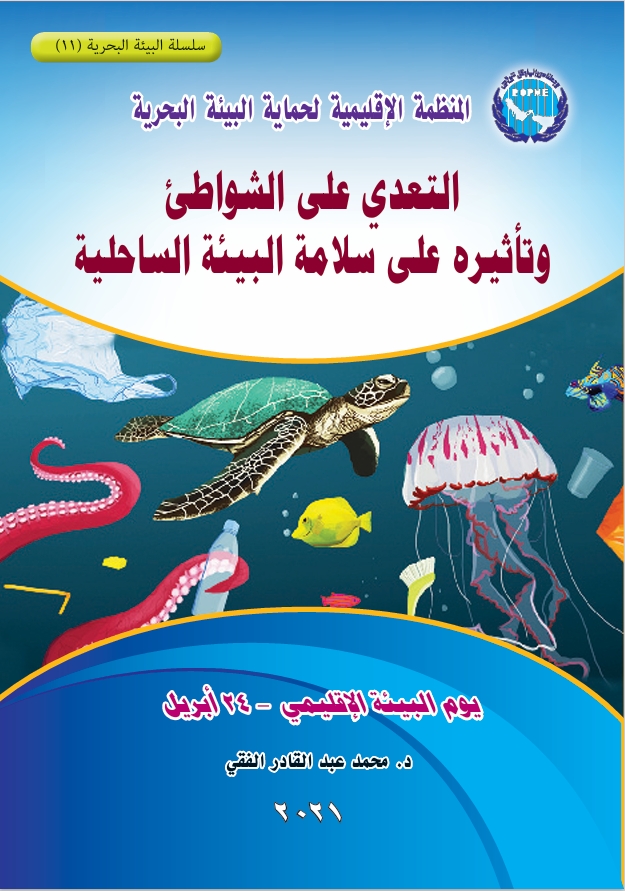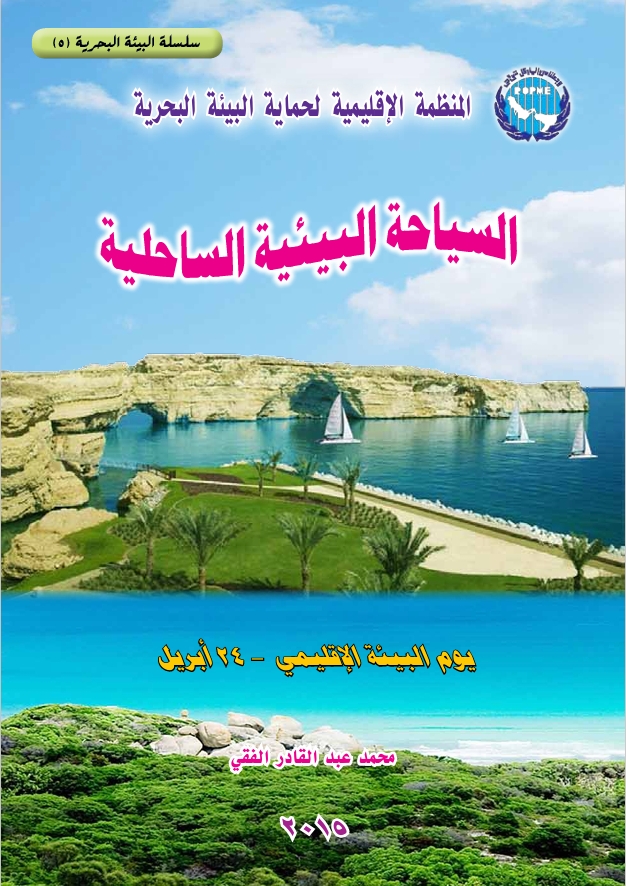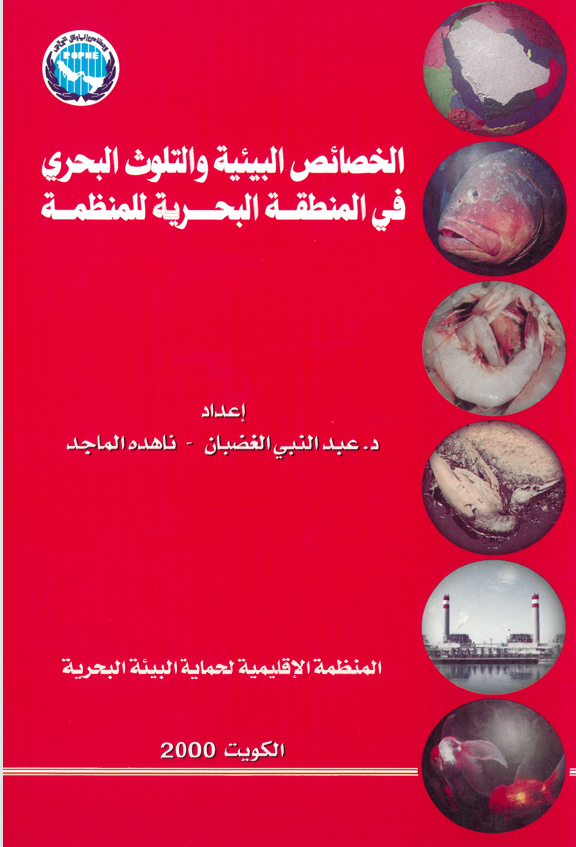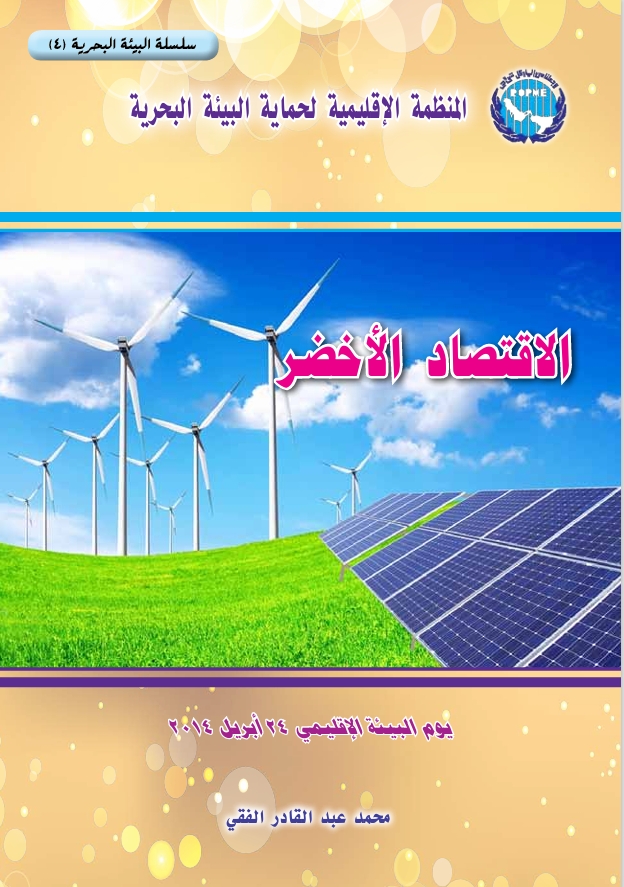


This publication, part of the Marine Environment Series (No. 11) issued by the Regional Organization for the Protection of the Marine Environment (ROPME), addresses the issue of coastal encroachment and its impact on the integrity of the coastal environment. It highlights the ecological and economic significance of beaches as dynamic ecosystems rich in biodiversity, essential for food resources, natural wealth, and coastal protection.
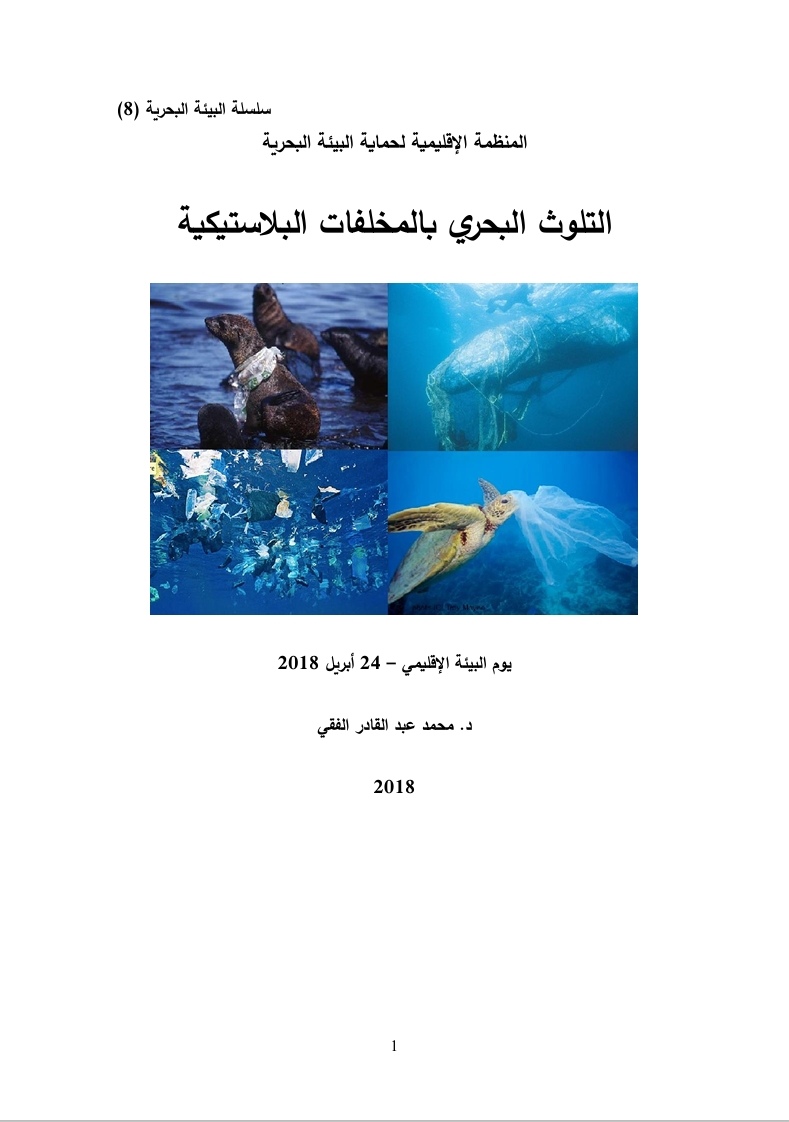
The report emphasizes that coastlines have undergone significant degradation due to unregulated human activities and rapid urban expansion. It outlines major forms of encroachment, including waste dumping, land reclamation, dredging, unsustainable coastal development, oil and industrial pollution, sewage discharge, plastic waste accumulation, industrial growth, desalination and power plant impacts, unregulated tourism, overfishing, and the destruction of mangroves and natural habitats.
The publication further examines the severe environmental consequences of these practices, such as coral reef destruction, coastal erosion, biodiversity loss, marine life mortality, water pollution, and ecosystem imbalance, in addition to risks to public health and coastal economies.
It also underscores ROPME’s role in addressing these challenges through regional agreements, environmental monitoring programs, international cooperation, awareness initiatives, and capacity building. The report highlights the responsibilities of governments in enforcing environmental regulations, managing coastal development, conducting environmental impact assessments, and controlling pollution sources.
Finally, the publication stresses the critical role of individuals and communities in protecting coastal environments by adopting responsible behaviors, such as avoiding littering, conserving coastal flora and fauna, and participating in awareness campaigns and beach clean-up activities, ensuring the sustainability of coastal ecosystems for future generations.