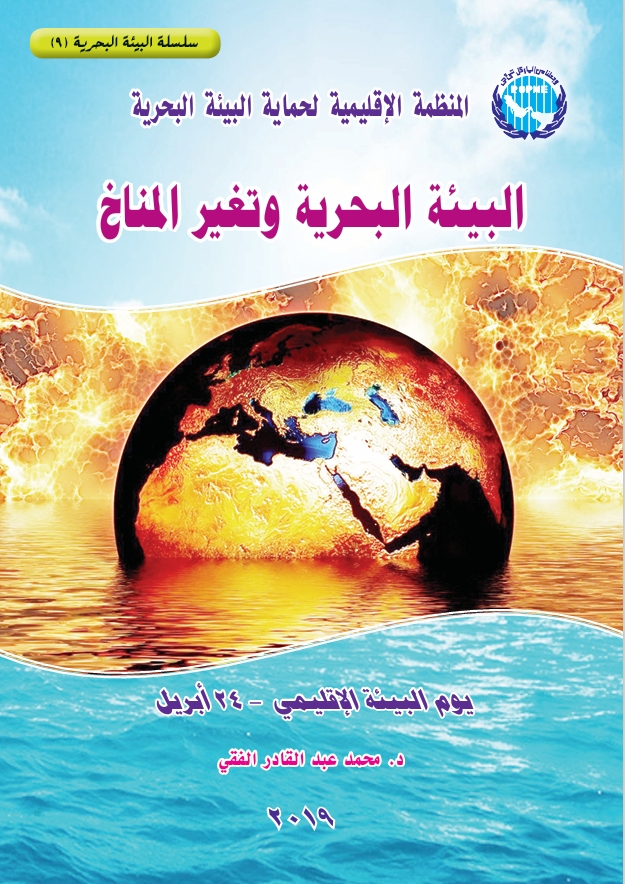
This publication by the Regional Organization for the Protection of the Marine Environment (ROPME) addresses the critical issue of marine environment and climate change, emphasizing that the marine environment is fundamental to life on Earth. Covering approximately 71% of the planet’s surface, it provides food, energy, freshwater (through desalination), supports biodiversity, regulates the global climate, and underpins economic development. The report defines the marine environment as an integrated system that includes oceans, seas, gulfs, and estuaries, along with their physical, chemical, and biological components. It also distinguishes between weather (short-term atmospheric conditions) and climate (long-term patterns). The document explains key concepts such as the greenhouse effect, global warming, and climate change. The greenhouse effect results from the accumulation of greenhouse gases (e.g., CO₂, methane), leading to rising temperatures. Global warming is the direct outcome, while climate change refers to long-term alterations in temperature, precipitation, and wind patterns. Human activities—especially fossil fuel combustion and deforestation—are identified as the primary drivers, contributing to approximately 87% of the causes. The report outlines the main characteristics of climate change, including rising global temperatures, melting ice caps, altered precipitation patterns, and ocean acidification. It further details the major impacts, such as extreme heatwaves and climate variability, droughts and floods, water scarcity, spread of diseases, forest fires, agricultural decline and food insecurity, desertification and biodiversity loss, and environmental displacement. Special emphasis is placed on impacts on the marine environment, including sea level rise due to ice melt and thermal expansion, ocean acidification affecting marine life, degradation of ecosystems such as coral reefs and mangroves, changes in ocean currents, and increased intensity of storms and extreme events. The report highlights the consequences of sea level rise, such as coastal flooding, erosion, infrastructure damage, saltwater intrusion, and economic losses, with projections of a 50–100 cm rise by the end of the century if emissions are not reduced. In the ROPME region, Gulf countries face significant risks, including coastal inundation, desertification, and water scarcity. Low-lying countries such as Bahrain and Qatar are particularly vulnerable. The publication stresses the importance of climate adaptation, including transition to renewable energy, improved water management, climate-resilient infrastructure, early warning systems, and enhanced environmental awareness. It also presents engineering solutions like seawalls, barriers, and coastal protection systems, as well as strategic retreat from vulnerable coastal zones. The report reviews key international agreements, including the UN Framework Convention on Climate Change (UNFCCC), Kyoto Protocol, and Paris Agreement. These frameworks aim to reduce emissions and strengthen global climate action. Finally, it highlights ROPME’s role in monitoring, awareness, regional cooperation, and implementation of environmental agreements. The report concludes with key recommendations, focusing on reducing greenhouse gas emissions, protecting biodiversity, promoting clean energy, integrated coastal zone management, strengthening research and international collaboration. Overall, the report underscores the urgency of addressing climate change to safeguard marine ecosystems and ensure sustainable development for present and future generations.



Filters
0
Publication Date
2019
Issue
2019
-
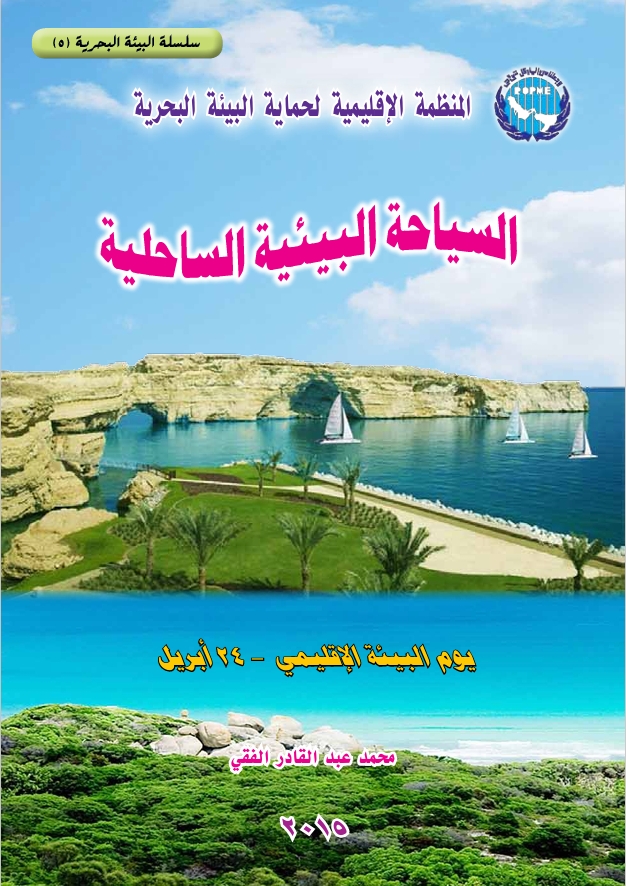
Coastal ecotourism
This publication This publication issued by the Regional Organization for the Protection of the Marine Environment (ROPME), as part of Marine Environment Series (5), addresses Coastal Ecotourism on the occasion of Regional Environment Day (24 April 2015). It highlights ecotourism as a key instrument for sustainable development and coastal environmental protection. The newsletter emphasizes that
-
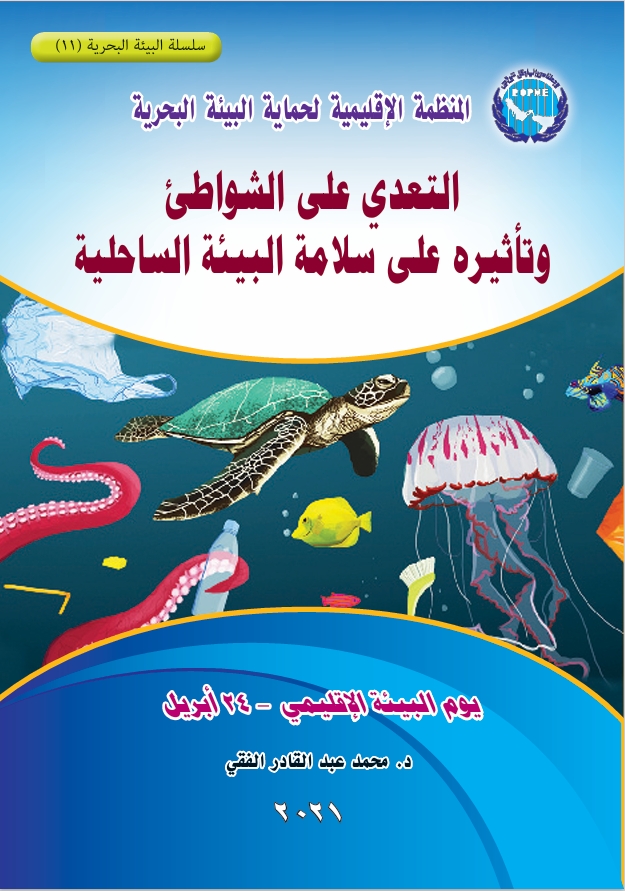
Encroachment on beaches and its impact on the safety of the coastal environment
This publication, part of the Marine Environment Series (No. 11) issued by the Regional Organization for the Protection of the Marine Environment (ROPME), addresses the issue of coastal encroachment and its impact on the integrity of the coastal environment. It highlights the ecological and economic significance of beaches as dynamic ecosystems rich in biodiversity, essential
-
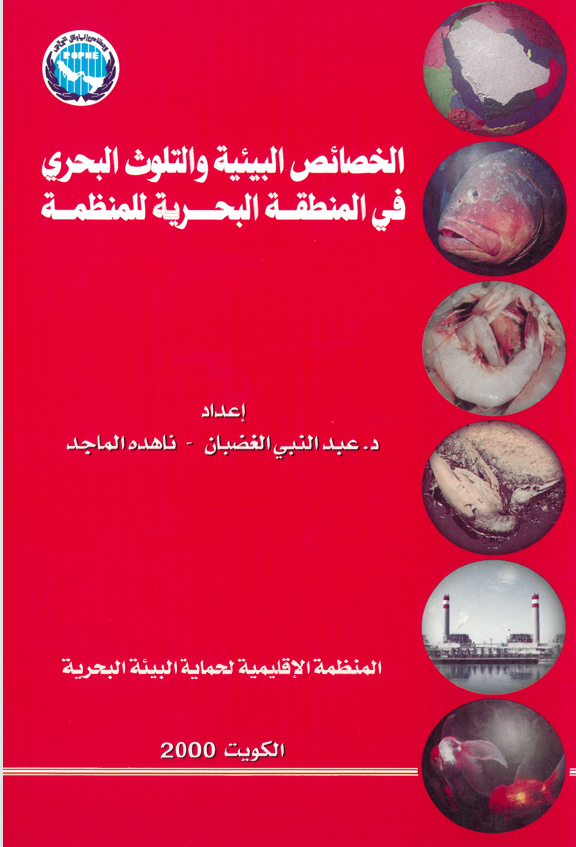
Environmental Characteristics and Marine Pollution in the Marine Area of the Regional Organization for the Protection of the Marine Environment (ROPME)
This scientific publication examines the environmental and oceanographic characteristics of the marine area under the Regional Organization for the Protection of the Marine Environment (ROPME), highlighting the major natural resources of the region and the environmental challenges it faces, particularly marine pollution resulting from human, industrial, and oil-related activities. It also highlights regional efforts aimed
-
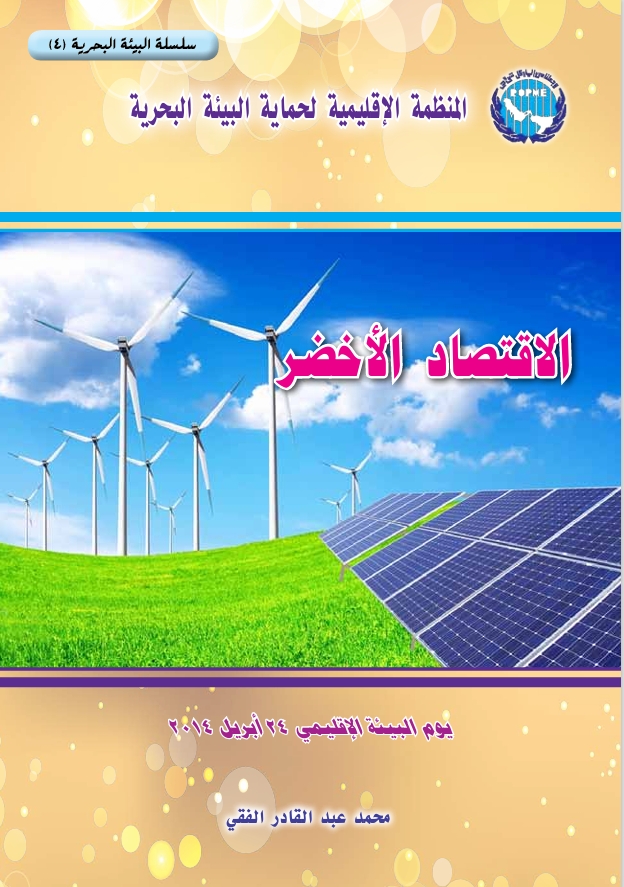
Green economy
This publication addresses the concept of the green economy as a key modern approach in environmental and development thinking. The term emerged prominently through the United Nations Environment Programme (UNEP) in 2008 and was globally recognized as a central pillar of sustainable development, particularly during the Rio+20 Conference. A green economy is defined as an
-
Guidelines for the Preparation of National Report on the State of the Marine Environment
The document titled “Guidelines for the Preparation of National Report on the State of the Marine Environment” (ROPME, 2007) provides a structured framework for Member States to prepare national reports that contribute to the regional State of the Marine Environment Report (SOMER). Developed in collaboration with UNEP and aligned with the GEO (Global Environment Outlook)
-
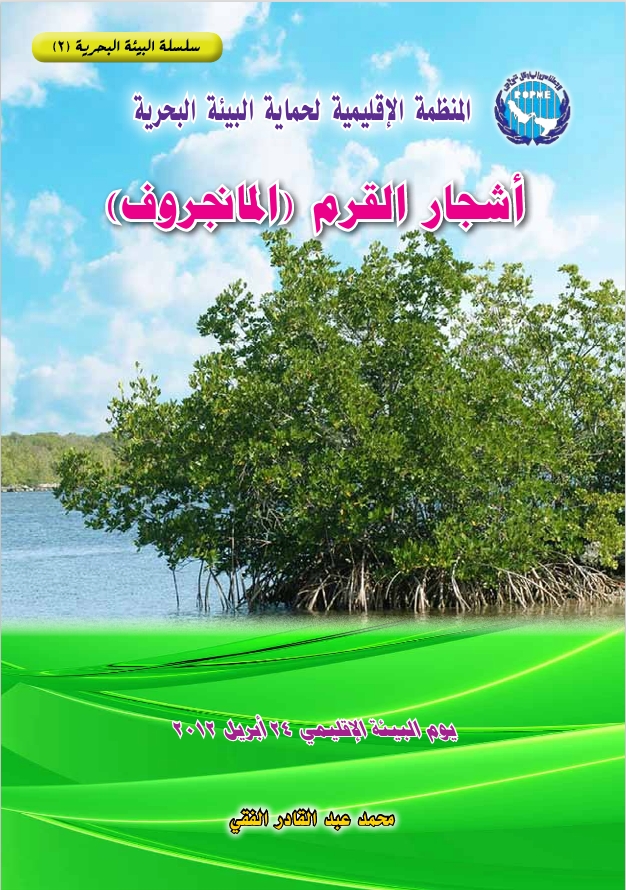
Mangrove Trees
This special publication, issued on the occasion of Regional Environment Day (April 24, 2012), highlights the significance of mangrove trees as one of the most vital and productive coastal ecosystems. It provides a comprehensive overview of their environmental, historical, scientific, and economic importance, with particular focus on their status within the Regional Organization for the
-
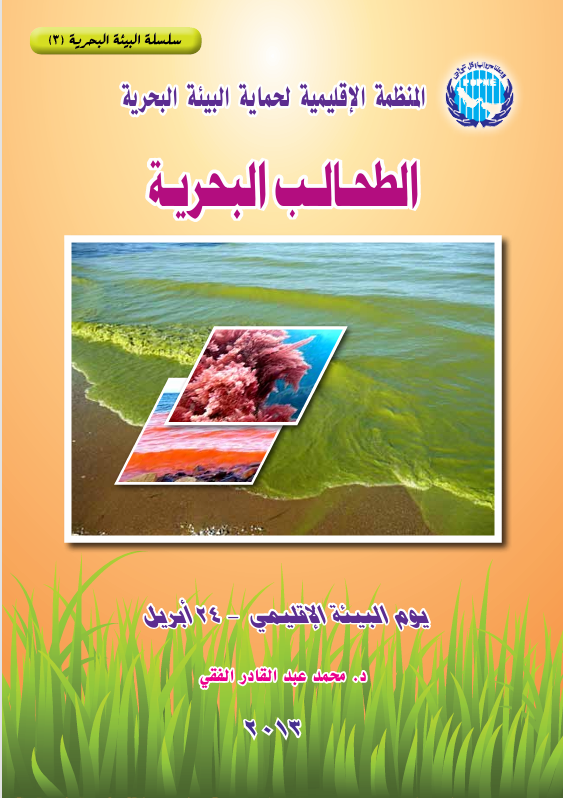
Marine Algae
This publication provides a comprehensive introduction to marine algae, highlighting their biological characteristics, classification, distribution, and environmental and economic importance. It also explains their vital role in supporting fisheries and discusses the potential risks associated with the excessive proliferation of harmful algal species. The publication was issued by the Regional Organization for the Protection of
-
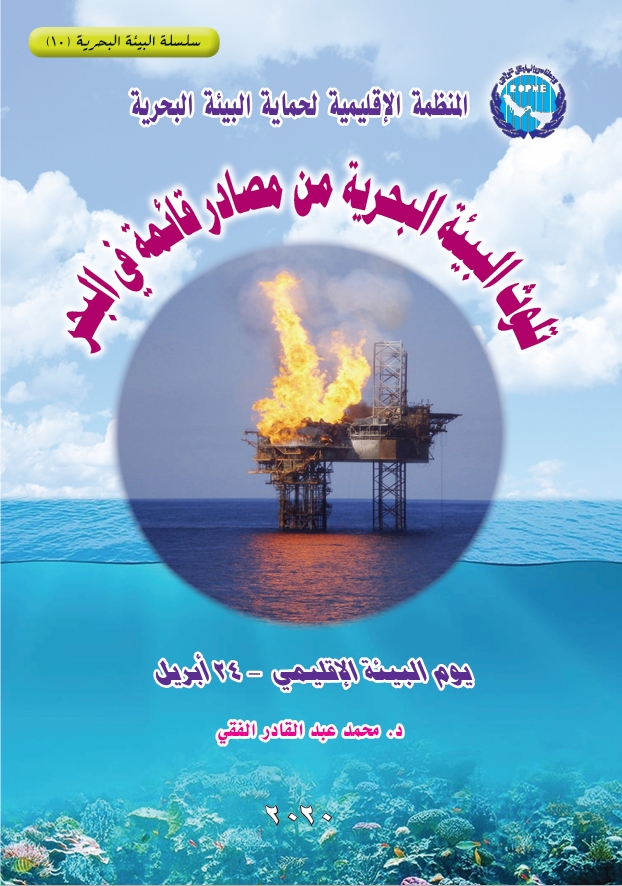
Marine Environment Series: Marine Pollution from Offshore (sea-based) sources
This special publication from the Marine Environment Series (2020) addresses marine pollution from offshore (sea-based) sources, focusing on the marine environment within the Regional Organization for the Protection of the Marine Environment (ROPME) area and the growing environmental challenges driven by human activities, particularly those linked to oil, shipping, and industrial development. The ROPME marine
-
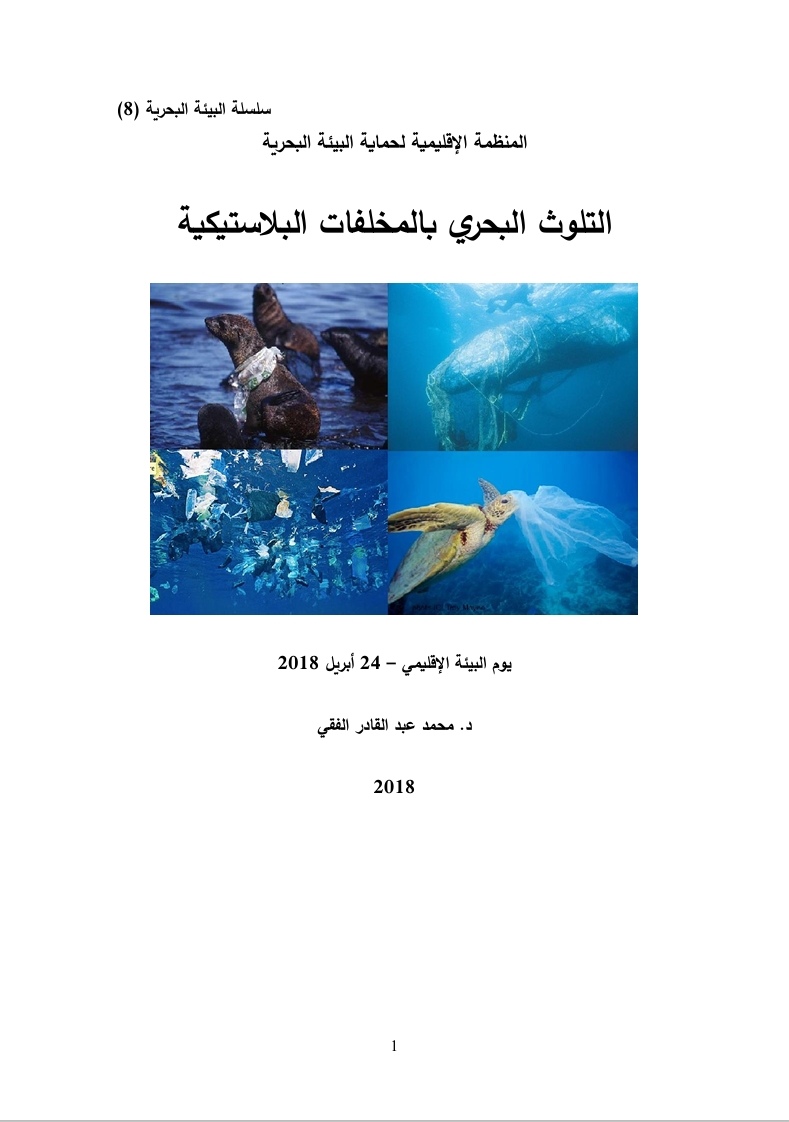
Marine Plastic Pollution: Challenges and Solutions in the ROPME Sea Area
The eighth issue of the Marine Environment Series published by the Regional Organization for the Protection of the Marine Environment (ROPME) addresses marine pollution caused by plastic waste as one of the most critical environmental challenges facing the world’s oceans, including the ROPME Sea Area. The report emphasizes that plastic pollution is more persistent and,
-
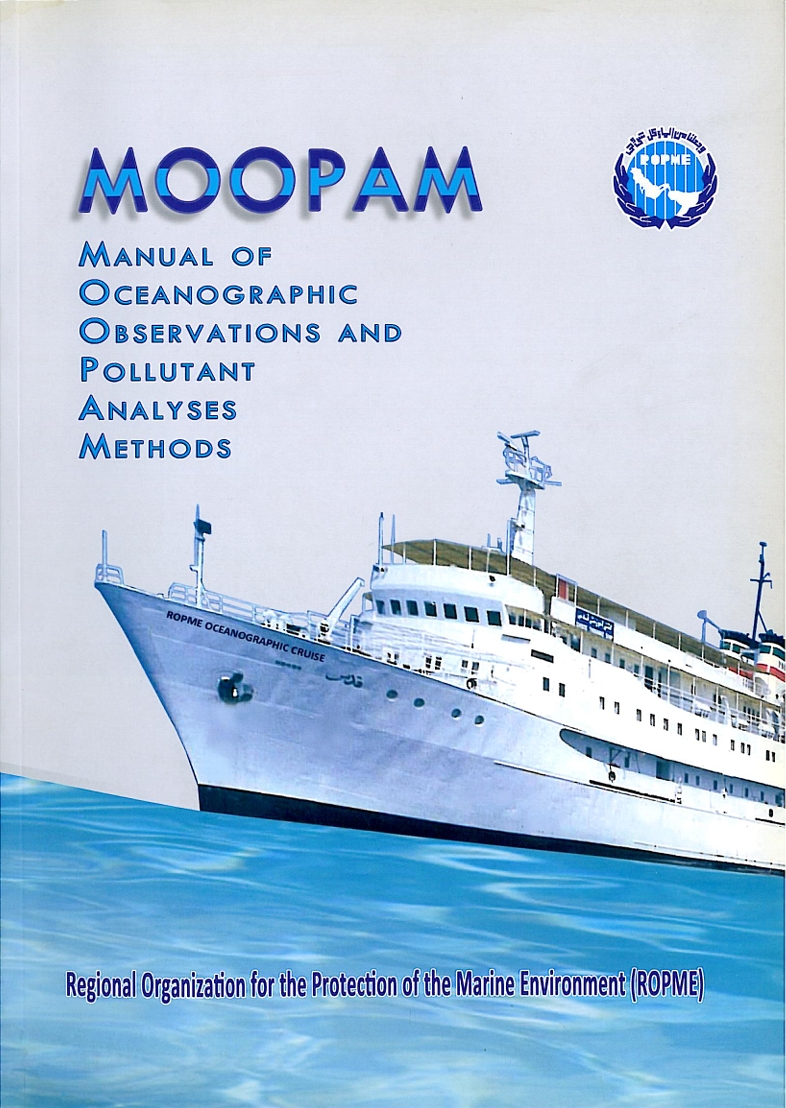
MOOPAM (2010)
A revised edition for the guide to the fieldsurveys, sampling and analytical methods to beused by the participating institutions forimplementation of the Monitoring and ResearchProgramme for analyses of oceanographicparameters and oil and non-oil pollutants in theROPME Sea Area. In this revised edition of MOOPAM severalconsiderations were taken into account, i.e. thedevelopment of analytical capabilities in
-
Offshore Environment of the ROPME Sea Area after the War-Related Oil Spill: Results of the 1993–94 Umitaka-Maru Cruises
The publication “Offshore Environment of the ROPME Sea Area after the War-Related Oil Spill: Results of the 1993–94 Umitaka-Maru Cruises” presents a comprehensive scientific assessment of the marine environment in the ROPME Sea Area (RSA) following the environmental catastrophe caused by the 1990–1991 Gulf War oil spill. The RSA, bordered by eight countries (Bahrain, Iran,
-
Overview on Land-based Sources and Activities Affecting the Marine Environment in the ROPME Sea Area
A comprehensive overview of land-based sources and activities affecting the marine, coastal and associated freshwater environments in the ROPME Sea Area, including the status of activities dealing with the protection of those environments from land-based sources. This work is based on a review of the relevant information and activities of the individual countries making up
Explore More
-
The Field Safety Guide for Oil Spill Response and Control Operations Marine Emergency Mutual Aid Centre (MEMAC)
The *Field Safety Guide for Oil Spill Response and Control Operations* is one of the important publications prepared by the Marine Emergency Mutual Aid Centre (MEMAC), under the Regional Organization for the Protection of the Marine Environment (ROPME). The guide aims to enhance the preparedness of member states to respond effectively to oil pollution incidents
-
Environmental Characteristics and Marine Pollution in the Marine Area of the Regional Organization for the Protection of the Marine Environment (ROPME)
This scientific publication examines the environmental and oceanographic characteristics of the marine area under the Regional Organization for the Protection of the Marine Environment (ROPME), highlighting the major natural resources of the region and the environmental challenges it faces, particularly marine pollution resulting from human, industrial, and oil-related activities. It also highlights regional efforts aimed
-
Marine Algae
This publication provides a comprehensive introduction to marine algae, highlighting their biological characteristics, classification, distribution, and environmental and economic importance. It also explains their vital role in supporting fisheries and discusses the potential risks associated with the excessive proliferation of harmful algal species. The publication was issued by the Regional Organization for the Protection of
-
Coastal ecotourism
This publication This publication issued by the Regional Organization for the Protection of the Marine Environment (ROPME), as part of Marine Environment Series (5), addresses Coastal Ecotourism on the occasion of Regional Environment Day (24 April 2015). It highlights ecotourism as a key instrument for sustainable development and coastal environmental protection. The newsletter emphasizes that
-
Marine Environment Series: Marine Pollution from Offshore (sea-based) sources
This special publication from the Marine Environment Series (2020) addresses marine pollution from offshore (sea-based) sources, focusing on the marine environment within the Regional Organization for the Protection of the Marine Environment (ROPME) area and the growing environmental challenges driven by human activities, particularly those linked to oil, shipping, and industrial development. The ROPME marine
-
Mangrove Trees
This special publication, issued on the occasion of Regional Environment Day (April 24, 2012), highlights the significance of mangrove trees as one of the most vital and productive coastal ecosystems. It provides a comprehensive overview of their environmental, historical, scientific, and economic importance, with particular focus on their status within the Regional Organization for the
-
Marine Plastic Pollution: Challenges and Solutions in the ROPME Sea Area
The eighth issue of the Marine Environment Series published by the Regional Organization for the Protection of the Marine Environment (ROPME) addresses marine pollution caused by plastic waste as one of the most critical environmental challenges facing the world’s oceans, including the ROPME Sea Area. The report emphasizes that plastic pollution is more persistent and,
-
Encroachment on beaches and its impact on the safety of the coastal environment
This publication, part of the Marine Environment Series (No. 11) issued by the Regional Organization for the Protection of the Marine Environment (ROPME), addresses the issue of coastal encroachment and its impact on the integrity of the coastal environment. It highlights the ecological and economic significance of beaches as dynamic ecosystems rich in biodiversity, essential