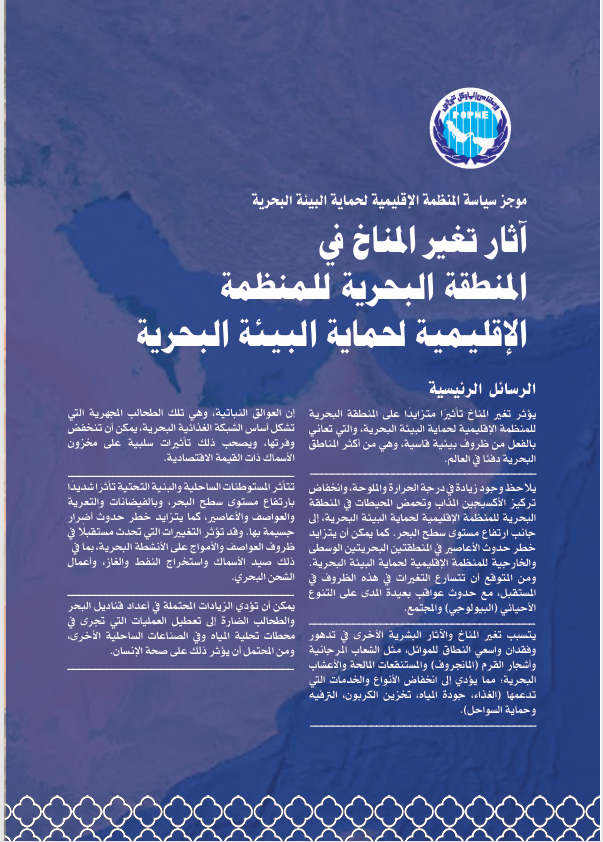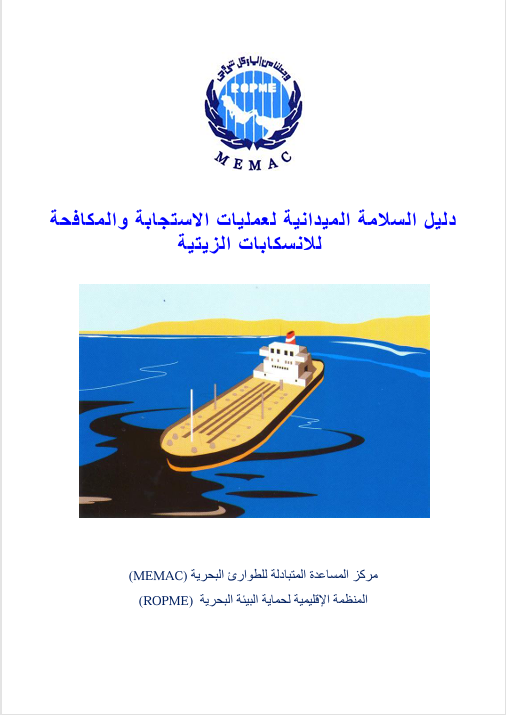


A comprehensive overview of land-based sources and activities affecting the marine, coastal and associated freshwater environments in the ROPME Sea Area, including the status of activities dealing with the protection of those environments from land-based sources.
This work is based on a review of the relevant information and activities of the individual countries making up the region. It included the identification of priorities and the formulation of recommendations for addressing the problems arising from land-based activities.
1. Introduction: The Importance of Land-Based Sources
Land-based activities are among the most significant factors influencing the health of marine, coastal, and freshwater environments in the ROPME Sea Area. Urban development, agriculture, industrial operations, and wastewater discharge all contribute pollutants that flow from land into rivers, estuaries, and ultimately the sea. These inputs can disrupt ecological balance, degrade water quality, reduce biodiversity, and threaten the livelihoods of coastal communities dependent on healthy marine resources. Understanding land-based sources is therefore essential to any comprehensive strategy for sustainable coastal and marine management.
2. Scope and Objectives of the Assessment
This work provides a comprehensive overview of the major land-based activities affecting the ROPME Sea Area. Its objectives are threefold: first, to assess the current state of marine, coastal, and associated freshwater environments in the region; second, to identify the activities that pose the greatest environmental risks; and third, to formulate recommendations for mitigating these impacts. By reviewing the policies, practices, and infrastructure of each member state, the assessment offers a region-wide perspective that highlights both strengths and areas requiring urgent attention.
3. Major Land-Based Activities and Their Impacts
Land-based sources of pollution include industrial effluents, agricultural runoff, sewage and wastewater discharge, solid waste disposal, and coastal construction. Industrial effluents often contain heavy metals and toxic chemicals that accumulate in sediments and marine organisms, while agricultural runoff introduces excess nutrients that can cause eutrophication, harmful algal blooms, and oxygen depletion. Sewage and untreated wastewater introduce pathogens and organic matter, threatening human health and marine life alike. Coastal development and land reclamation can destroy sensitive habitats such as mangroves, mudflats, and estuaries, further reducing ecosystem resilience.
4. Country-Level Assessment
The review of activities in individual ROPME member states provides insights into regional variation in environmental pressures and management approaches. Some countries have advanced monitoring programs, wastewater treatment facilities, and strict regulatory frameworks, while others face challenges such as inadequate infrastructure, limited enforcement capacity, and rapid urbanization. By comparing practices across the region, the assessment identifies gaps in policy implementation, technical capacity, and public awareness, which collectively affect the health of marine and freshwater environments.
5. Prioritization of Environmental Challenges
Through the analysis of regional data and national activities, the assessment identifies key priorities for intervention. These include reducing industrial and agricultural pollution, improving wastewater management, controlling marine litter, and restoring degraded habitats such as mangroves and wetlands. Prioritization allows policymakers and environmental managers to allocate resources effectively, focusing on the most urgent threats while balancing long-term sustainability goals with socio-economic needs.
6. Recommendations for Mitigation and Management
The work formulates detailed recommendations to address problems arising from land-based activities. These include adopting stricter regulatory standards, enhancing environmental monitoring and reporting, implementing best management practices for agriculture and industry, and promoting public awareness and stakeholder engagement. Restoration of coastal ecosystems, investment in wastewater treatment, and the establishment of protected areas are highlighted as practical measures to reduce pollutant loads and enhance ecosystem resilience.
7. Regional Cooperation and Integration
Addressing land-based impacts requires coordinated action among ROPME member states. Pollution sources in one country can affect shared water bodies, making collaboration essential. The assessment emphasizes the importance of harmonized policies, joint monitoring programs, and information sharing to achieve effective environmental management. Integration of national strategies into a regional framework ensures that interventions are consistent, efficient, and capable of producing measurable improvements across the entire ROPME Sea Area.
8. Conclusion: Towards Sustainable Coastal and Marine Management
Land-based sources remain a critical driver of environmental change in the ROPME Sea Area. This comprehensive review provides a foundation for informed decision-making, highlighting the status of human activities, regional priorities, and actionable recommendations. By addressing the impacts of land-based pollution, member states can protect marine and freshwater ecosystems, sustain fisheries and coastal livelihoods, and contribute to long-term regional sustainability. Effective implementation of these strategies is essential to ensure that the ROPME Sea Area remains resilient, productive, and capable of supporting the well-being of both nature and human communities.