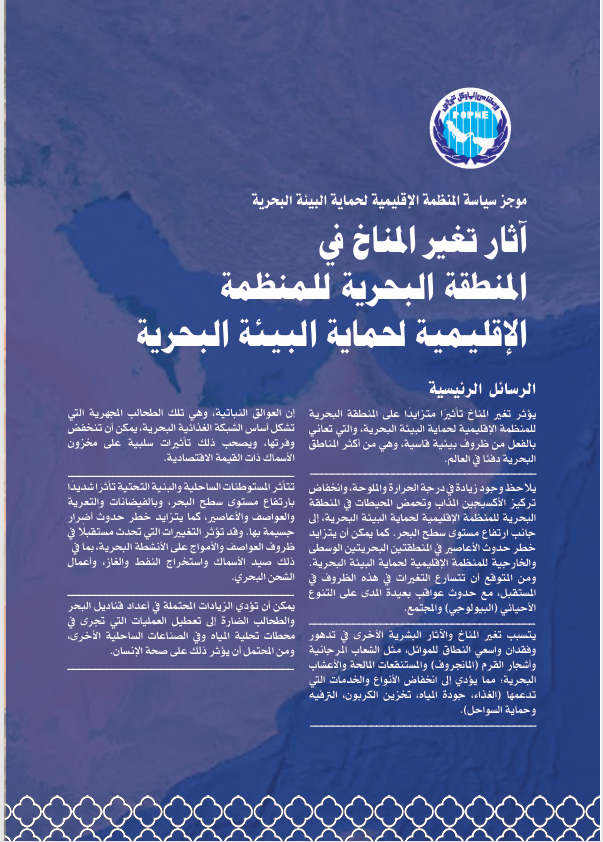


This policy brief issued by the Regional Organization for the Protection of the Marine Environment (ROPME) assesses the impacts of climate change on the ROPME Sea Area, one of the warmest and most environmentally extreme marine regions in the world, encompassing the Arabian Gulf and the northwestern Indian Ocean.
The report confirms that climate change is increasingly affecting marine and coastal ecosystems in the region. Observations show continuous increases in sea surface temperature, rising salinity, declining dissolved oxygen levels, ocean acidification, and sea level rise. Projections also indicate a potential increase in the frequency and intensity of tropical cyclones, particularly in the central and outer zones of the ROPME Sea Area.
These changes are leading to widespread degradation of critical marine habitats such as coral reefs, mangroves, seagrass beds, and salt marshes. This degradation negatively affects biodiversity and essential ecosystem services, including food security, water quality regulation, carbon storage, and coastal protection.
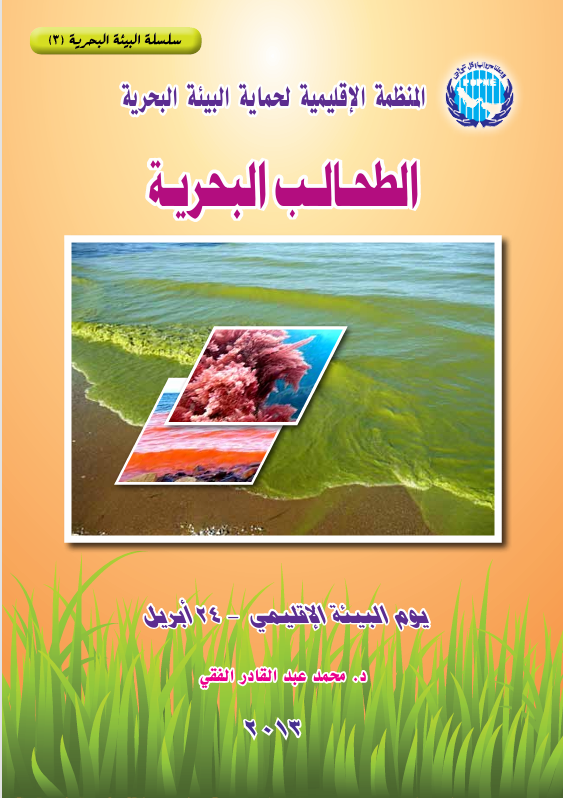
The report highlights that phytoplankton, the foundation of the marine food web, is likely to decline, with cascading impacts on fish stocks and overall marine productivity. In addition, harmful environmental phenomena such as harmful algal blooms and jellyfish outbreaks are expected to increase, disrupting desalination plants, coastal industries, and potentially affecting human health.
In terms of infrastructure, coastal settlements and critical facilities—including power plants, ports, and oil and gas installations—are increasingly exposed to flooding, storms, and sea level rise, threatening their operational stability and safety. Desalination facilities are particularly vulnerable to salinity changes, pollution, and intake disruptions caused by biological outbreaks.
Economically, the fisheries and aquaculture sectors are expected to face significant impacts. Some fish species may decline due to warming, salinity changes, and oxygen depletion, while more resilient species such as cephalopods may increase in abundance. Overall fisheries productivity is expected to decrease as oxygen minimum zones expand.
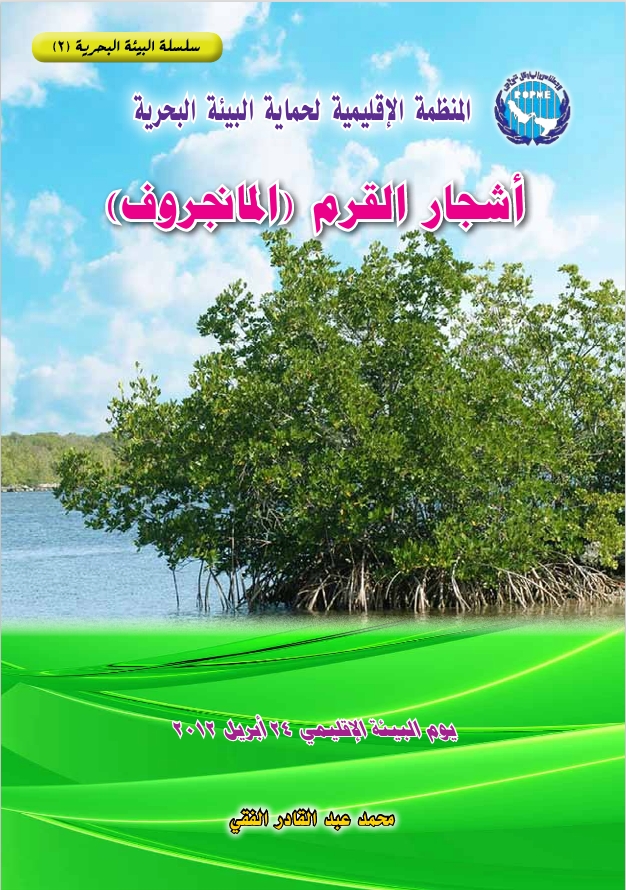
Coral reef ecosystems are experiencing rapid decline due to repeated bleaching events and rising sea temperatures, while up to 96% of coastal wetlands, including mangrove forests, may be threatened by the end of the century due to sea level rise, coastal development pressures, and climate stressors.
The report emphasizes nature-based solutions as a key response strategy, particularly the protection and restoration of coastal ecosystems such as mangroves, seagrass beds, and salt marshes, which serve as natural carbon sinks and provide coastal resilience.
Finally, the report identifies key knowledge gaps, including limited long-term environmental datasets, a lack of high-resolution regional climate models, insufficient understanding of species adaptability, and a shortage of socio-economic impact studies. It calls for strengthened regional cooperation under ROPME’s Climate Change Action Plan to improve evidence-based decision-making and develop effective adaptation strategies.