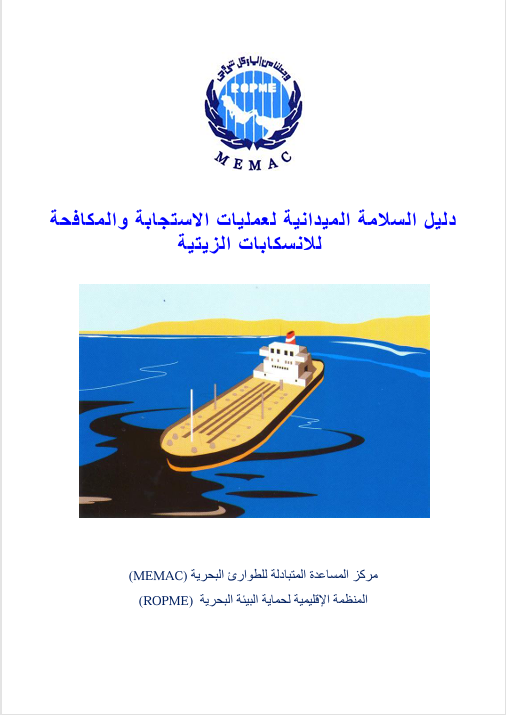
The Field Safety Guide for Oil Spill Response and Control Operations Marine Emergency Mutual Aid Centre (MEMAC)

Filters
Filters
Publication Date

1999

Issue

1999

The *Field Safety Guide for Oil Spill Response and Control Operations* is one of the important publications prepared by the Marine Emergency Mutual Aid Centre (MEMAC), under the Regional Organization for the Protection of the Marine Environment (ROPME). The guide aims to enhance the preparedness of member states to respond effectively to oil pollution incidents while protecting the marine environment and safeguarding personnel involved in response operations.

The preparation of this guide reflects the recognition of the complex and hazardous nature of oil spill incidents. Such incidents pose direct threats to marine ecosystems and natural resources and may expose response teams to various physical and health hazards during containment and clean-up activities.

The guide emphasizes that prevention and advance preparedness are the most critical elements for successful oil pollution management. Preventing pollutants from reaching shorelines remains the best approach; however, once an incident occurs, rapid response and effective operational measures become essential to minimize environmental damage and reduce risks to human health and safety.

Objectives and Importance of the Guide

The guide aims to:

* Increase awareness among personnel involved in marine oil pollution response regarding potential hazards during response activities.

* Provide a practical reference to assist emergency response teams in carrying out their duties safely and efficiently.

* Promote occupational health and safety awareness among workers and supervisors.

* Support the efforts of ROPME member states in protecting the semi-enclosed marine region from sources of pollution.

The guide also emphasizes that it is not a substitute for comprehensive and specialized training, but rather a supporting tool and field reference designed to enhance awareness of hazards and preventive measures.

Guide Methodology

The guide consists of six main chapters covering the various hazards that may be encountered by oil spill response teams:

View more

Chapter One: Overview of Oil Pollution Response Hazards

This chapter provides a general overview of the types of hazards that may confront personnel during response operations. It highlights the importance of achieving a balance between environmental protection and ensuring the safety of response workers.

The chapter addresses:

* Hazards associated with oil itself.

* Risks related to working on ships and offshore facilities.

* Hazards associated with small boats and operations near water.

* Risks related to response equipment.

* Personal health and safety risks.

The chapter emphasizes that the success of any response operation should not only be measured by its ability to reduce environmental impacts, but also by its ability to protect the lives and safety of personnel involved.

Hazards Associated with Oil Itself

The guide explains that the term “oil” covers various types of crude oils and petroleum products that differ in their characteristics and levels of risk. Therefore, the properties of the spilled oil must be assessed before selecting appropriate response measures.

The main hazards associated with oil include:

* Potential ignition and fire risks.

* Explosion hazards caused by the accumulation of flammable vapours.

* Release of toxic gases resulting from oil combustion or chemical composition.

* Health effects caused by direct contact with oil, inhalation of vapours, or ingestion.

* Slippery surfaces caused by oil contamination, increasing the risk of slips, falls, and injuries.

Fire and Explosion Hazards

The guide gives significant attention to oil ignition risks, particularly when dealing with light oils and volatile petroleum products.

Key preventive measures include:

* Assessing oil flammability before commencing response activities.

* Monitoring concentrations of flammable vapours using specialized instruments.

* Eliminating ignition sources such as smoking or unsafe electrical equipment.

* Using explosion-proof equipment in hazardous areas.

* Controlling static electricity during oil transfer and pumping operations.

* Ensuring proper ventilation in confined spaces.

* Using inert gases such as nitrogen or carbon dioxide when required to protect storage tanks.

The guide also highlights the risks associated with spontaneously combustible iron sulphide, which may form inside oil storage tanks, and stresses the need for careful handling to prevent ignition of oil vapours.

Toxic Vapour Hazards and Health Impacts

The guide indicates that oil vapours may pose serious risks to the lives of response personnel, particularly in confined spaces or poorly ventilated areas.

Major hazards include oxygen deficiency caused by the accumulation of heavy vapours, exposure to toxic hydrogen sulphide (H₂S), and exposure to compounds such as benzene, which is recognized for its harmful health effects. Exposure may also result in dizziness, headaches, nausea, and potential long-term health impacts from continuous exposure.

Therefore, the guide recommends the use of air monitoring systems, appropriate respiratory protection equipment, and implementation of medical evacuation procedures when necessary.

Health Risks Resulting from Oil Exposure

The guide explains that direct exposure to oil may result in:

* Skin irritation and dermatitis.

* Dry skin and loss of natural protective oils.

* Eye irritation and chemical burns.

* Health risks caused by oil ingestion due to contaminated food or inadequate hygiene procedures.

* Serious lung inflammation if liquid oil is inhaled.

To minimize these risks, the guide emphasizes the importance of using appropriate Personal Protective Equipment (PPE), including:

* Oil-resistant gloves.

* Protective footwear.

* Protective clothing and aprons.

* Eye protection.

* Respiratory protection when required.

Hazards Related to Ships and Facilities During Response Operations

Chapter Three addresses risks associated with operations on damaged vessels and facilities, including:

* Potential loss of vessel stability or structural failure.

* Risks associated with transferring oil cargo between vessels.

* Hazards related to the use of heavy equipment.

* Risks associated with entering confined spaces.

The guide stresses the importance of continuous engineering assessment of vessel conditions, involvement of qualified marine salvage experts, and monitoring weather and sea conditions before and during response operations.

It also highlights the importance of careful planning during oil transfer operations from damaged vessels to prevent vessel capsizing or additional spills.

Small Boat and Water-Related Hazards

Since most oil spill response activities take place at sea or near coastal waters, the guide identifies several maritime risks, including:

* Drowning hazards caused by falling into the water.

* Accidents resulting from improper use of small boats.

* Risks arising from inadequately equipped vessels.

* Hazards affecting divers during underwater surveys or installation of response equipment.

The guide emphasizes the need to follow safe operating procedures, use personal flotation devices, and provide appropriate training for personnel involved in marine operations.

Response Equipment Hazards

Oil spill response operations require the use of various equipment and machinery, which may create risks if not operated correctly.

The main hazards include:

* Injuries caused by heavy equipment and lifting operations.

* Crushing and entrapment hazards.

* Risks associated with moving parts of pumps and skimmers.

* High-pressure hazards in hydraulic systems.

* Injuries caused by ropes and tensioned cables.

The guide stresses the importance of proper training for equipment operators and the use of suitable personal protective equipment.

Personal Health and Safety of Response Personnel

Chapter Six focuses specifically on protecting response workers and includes:

* Conducting site risk assessments before beginning operations.

* Providing appropriate personal protective equipment.

* Applying decontamination procedures after work activities.

* Monitoring working conditions at remote locations.

* Providing first aid and medical evacuation plans.

* Preventing individuals from working alone in hazardous conditions.

The guide also highlights the importance of fatigue management, providing adequate rest periods, and ensuring proper nutrition and hydration during extended operations.

Importance of the Guide

The Field Safety Guide for Oil Spill Response and Control Operations represents an important practical and scientific reference that supports the preparedness of ROPME member states in addressing oil pollution incidents.

The guide has contributed to strengthening the concept that marine environmental protection must always be accompanied by the protection of the people carrying out response operations. This is achieved through improved awareness of hazards, enhanced training, and implementation of modern safety practices.

This publication serves as an essential tool for supporting regional cooperation, improving the efficiency of marine emergency response teams, and reducing the environmental and health impacts associated with oil spills within the ROPME marine area.
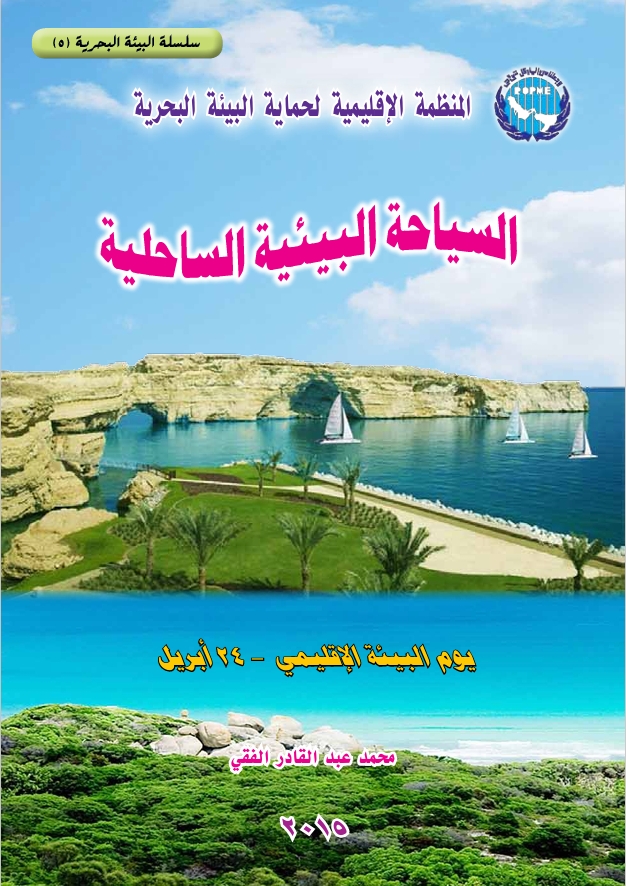
  • Coastal ecotourism
    Coastal ecotourism

    This publication This publication issued by the Regional Organization for the Protection of the Marine Environment (ROPME), as part of Marine Environment Series (5), addresses Coastal Ecotourism on the occasion of Regional Environment Day (24 April 2015). It highlights ecotourism as a key instrument for sustainable development and coastal environmental protection. The newsletter emphasizes that

  • Encroachment on beaches and its impact on the safety of the coastal environment
    Encroachment on beaches and its impact on the safety of the coastal environment

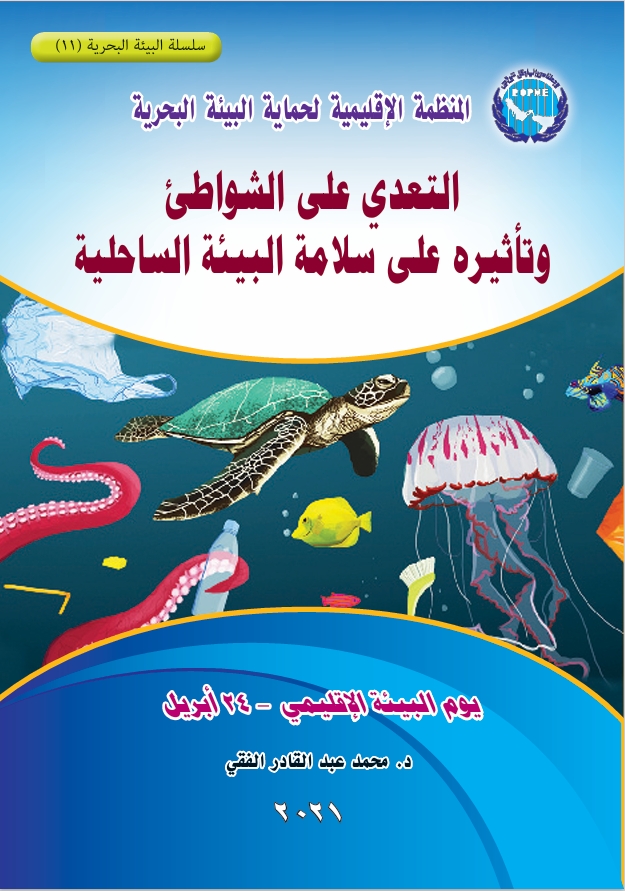
    This publication, part of the Marine Environment Series (No. 11) issued by the Regional Organization for the Protection of the Marine Environment (ROPME), addresses the issue of coastal encroachment and its impact on the integrity of the coastal environment. It highlights the ecological and economic significance of beaches as dynamic ecosystems rich in biodiversity, essential

  • Environmental Characteristics and Marine Pollution in the Marine Area of the Regional Organization for the Protection of the Marine Environment (ROPME)
    Environmental Characteristics and Marine Pollution in the Marine Area of the Regional Organization for the Protection of the Marine Environment (ROPME)

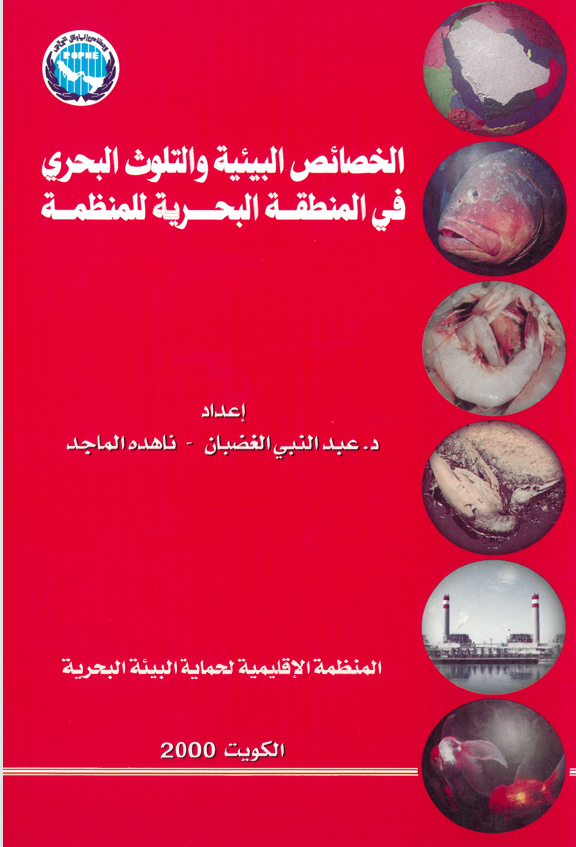
    This scientific publication examines the environmental and oceanographic characteristics of the marine area under the Regional Organization for the Protection of the Marine Environment (ROPME), highlighting the major natural resources of the region and the environmental challenges it faces, particularly marine pollution resulting from human, industrial, and oil-related activities. It also highlights regional efforts aimed

  • Green economy
    Green economy

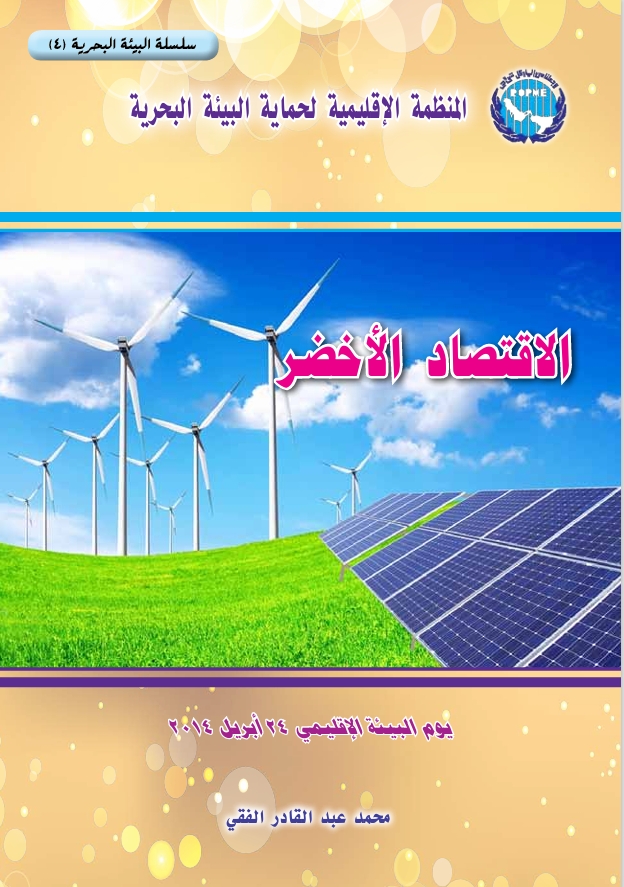
    This publication addresses the concept of the green economy as a key modern approach in environmental and development thinking. The term emerged prominently through the United Nations Environment Programme (UNEP) in 2008 and was globally recognized as a central pillar of sustainable development, particularly during the Rio+20 Conference. A green economy is defined as an

  • Guidelines for the Preparation of National Report on the State of the Marine Environment
    Guidelines for the Preparation of National Report on the State of the Marine Environment

    The document titled “Guidelines for the Preparation of National Report on the State of the Marine Environment” (ROPME, 2007) provides a structured framework for Member States to prepare national reports that contribute to the regional State of the Marine Environment Report (SOMER). Developed in collaboration with UNEP and aligned with the GEO (Global Environment Outlook)

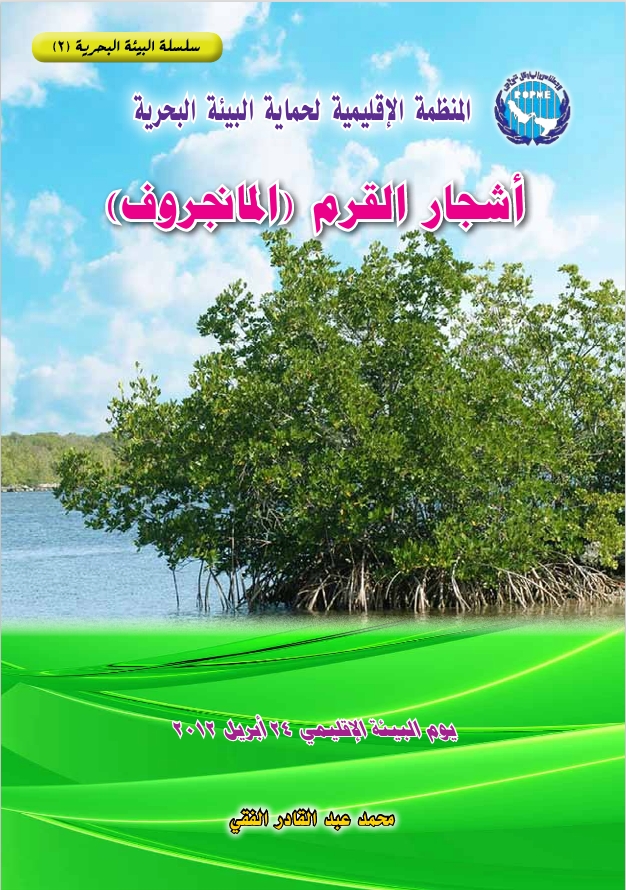
  • Mangrove Trees
    Mangrove Trees

    This special publication, issued on the occasion of Regional Environment Day (April 24, 2012), highlights the significance of mangrove trees as one of the most vital and productive coastal ecosystems. It provides a comprehensive overview of their environmental, historical, scientific, and economic importance, with particular focus on their status within the Regional Organization for the

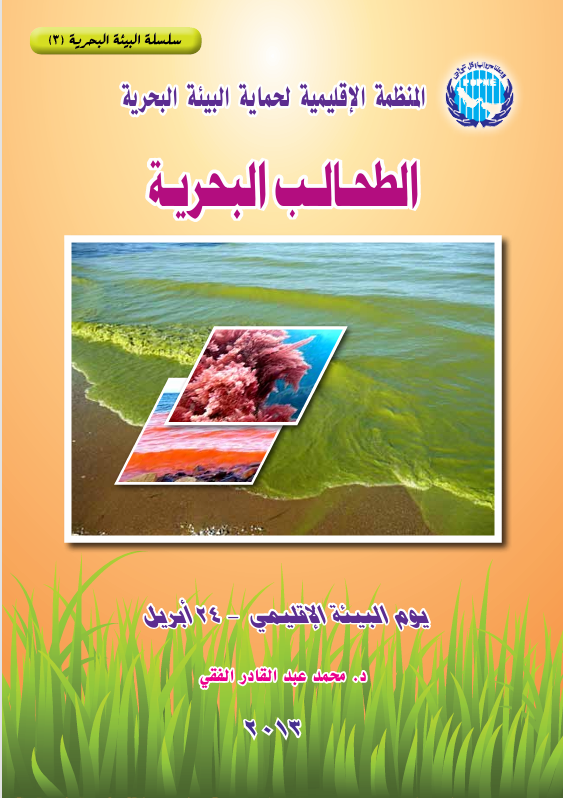
  • Marine Algae
    Marine Algae

    This publication provides a comprehensive introduction to marine algae, highlighting their biological characteristics, classification, distribution, and environmental and economic importance. It also explains their vital role in supporting fisheries and discusses the potential risks associated with the excessive proliferation of harmful algal species. The publication was issued by the Regional Organization for the Protection of

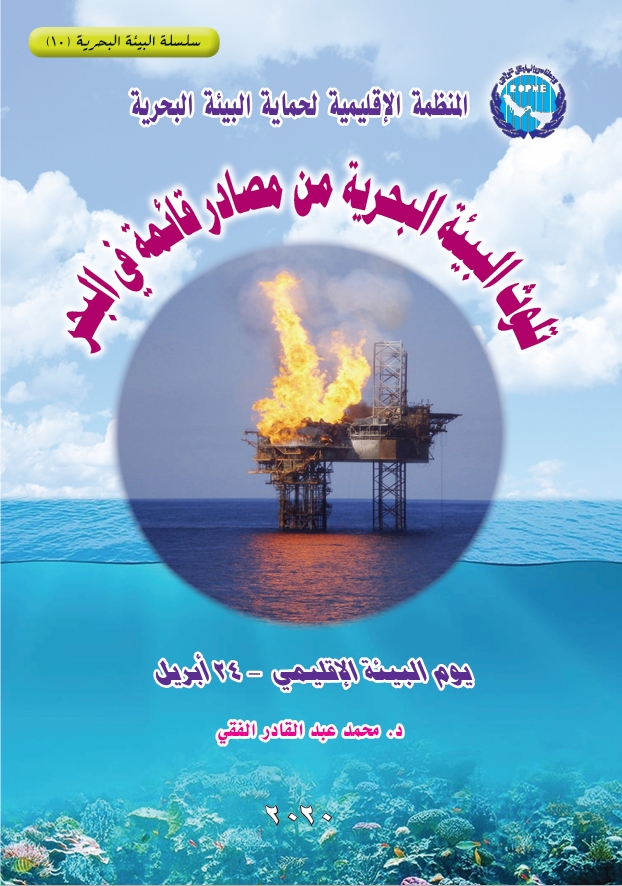
  • Marine Environment Series: Marine Pollution from Offshore (sea-based) sources
    Marine Environment Series: Marine Pollution from Offshore (sea-based) sources

    This special publication from the Marine Environment Series (2020) addresses marine pollution from offshore (sea-based) sources, focusing on the marine environment within the Regional Organization for the Protection of the Marine Environment (ROPME) area and the growing environmental challenges driven by human activities, particularly those linked to oil, shipping, and industrial development. The ROPME marine

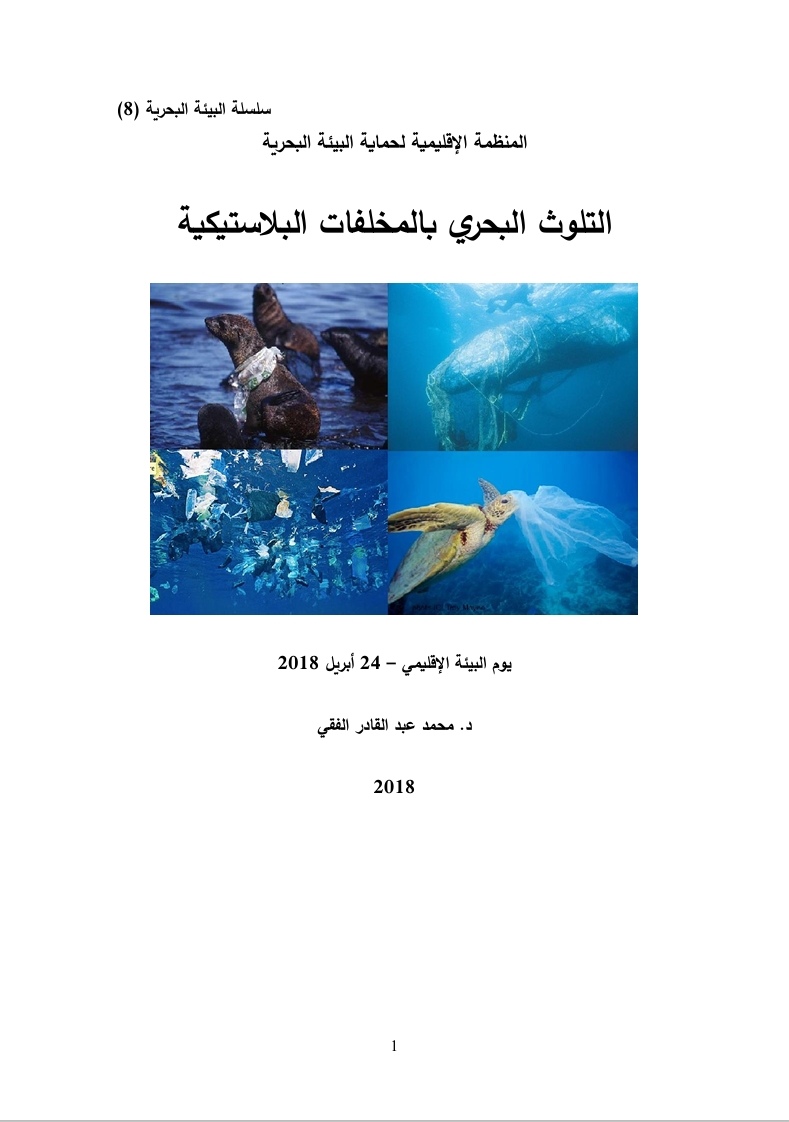
  • Marine Plastic Pollution: Challenges and Solutions in the ROPME Sea Area
    Marine Plastic Pollution: Challenges and Solutions in the ROPME Sea Area

    The eighth issue of the Marine Environment Series published by the Regional Organization for the Protection of the Marine Environment (ROPME) addresses marine pollution caused by plastic waste as one of the most critical environmental challenges facing the world’s oceans, including the ROPME Sea Area. The report emphasizes that plastic pollution is more persistent and,

  • MOOPAM (2010)
    MOOPAM (2010)

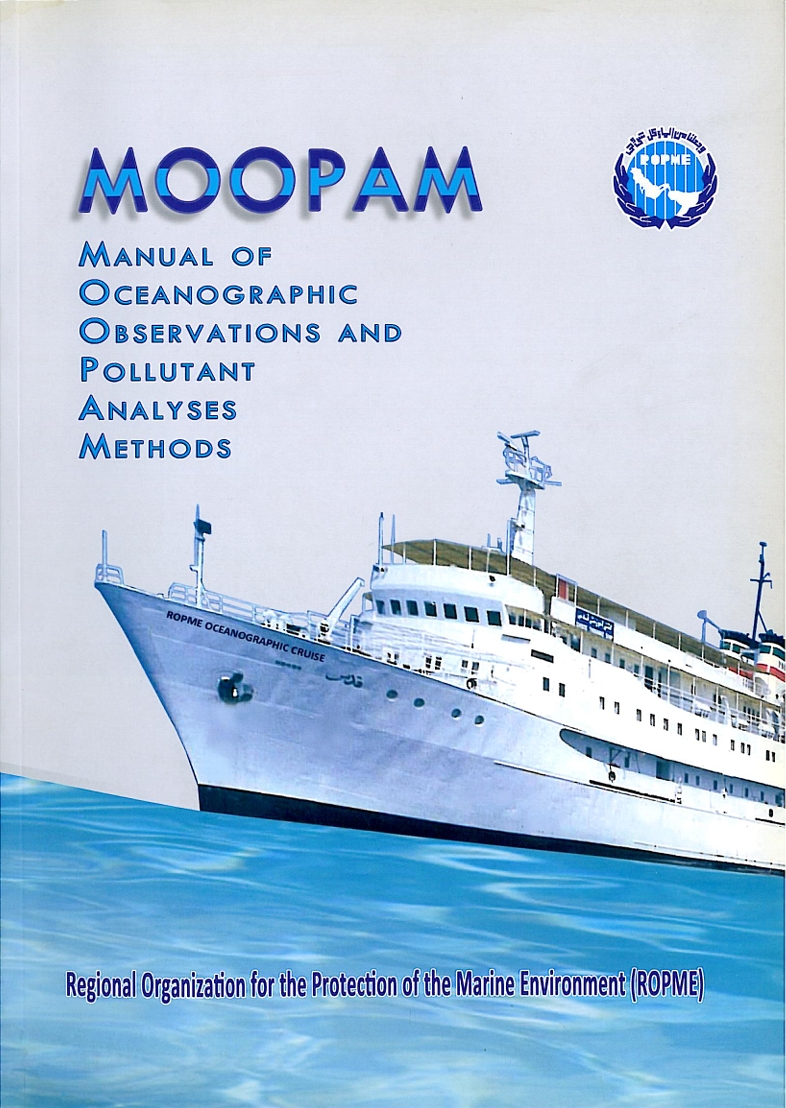
    A revised edition for the guide to the fieldsurveys, sampling and analytical methods to beused by the participating institutions forimplementation of the Monitoring and ResearchProgramme for analyses of oceanographicparameters and oil and non-oil pollutants in theROPME Sea Area. In this revised edition of MOOPAM severalconsiderations were taken into account, i.e. thedevelopment of analytical capabilities in

  • Offshore Environment of the ROPME Sea Area after the War-Related Oil Spill: Results of the 1993–94 Umitaka-Maru Cruises
    Offshore Environment of the ROPME Sea Area after the War-Related Oil Spill: Results of the 1993–94 Umitaka-Maru Cruises

    The publication “Offshore Environment of the ROPME Sea Area after the War-Related Oil Spill: Results of the 1993–94 Umitaka-Maru Cruises” presents a comprehensive scientific assessment of the marine environment in the ROPME Sea Area (RSA) following the environmental catastrophe caused by the 1990–1991 Gulf War oil spill. The RSA, bordered by eight countries (Bahrain, Iran,

  • Overview on Land-based Sources and Activities Affecting the Marine Environment in the ROPME Sea Area
    Overview on Land-based Sources and Activities Affecting the Marine Environment in the ROPME Sea Area

    A comprehensive overview of land-based sources and activities affecting the marine, coastal and associated freshwater environments in the ROPME Sea Area, including the status of activities dealing with the protection of those environments from land-based sources. This work is based on a review of the relevant information and activities of the individual countries making up

Explore More
  • Environmental Characteristics and Marine Pollution in the Marine Area of the Regional Organization for the Protection of the Marine Environment (ROPME)
    Environmental Characteristics and Marine Pollution in the Marine Area of the Regional Organization for the Protection of the Marine Environment (ROPME)

    This scientific publication examines the environmental and oceanographic characteristics of the marine area under the Regional Organization for the Protection of the Marine Environment (ROPME), highlighting the major natural resources of the region and the environmental challenges it faces, particularly marine pollution resulting from human, industrial, and oil-related activities. It also highlights regional efforts aimed

  • Marine Algae
    Marine Algae

    This publication provides a comprehensive introduction to marine algae, highlighting their biological characteristics, classification, distribution, and environmental and economic importance. It also explains their vital role in supporting fisheries and discusses the potential risks associated with the excessive proliferation of harmful algal species. The publication was issued by the Regional Organization for the Protection of

  • Coastal ecotourism
    Coastal ecotourism

    This publication This publication issued by the Regional Organization for the Protection of the Marine Environment (ROPME), as part of Marine Environment Series (5), addresses Coastal Ecotourism on the occasion of Regional Environment Day (24 April 2015). It highlights ecotourism as a key instrument for sustainable development and coastal environmental protection. The newsletter emphasizes that

  • Marine Environment Series: Marine Pollution from Offshore (sea-based) sources
    Marine Environment Series: Marine Pollution from Offshore (sea-based) sources

    This special publication from the Marine Environment Series (2020) addresses marine pollution from offshore (sea-based) sources, focusing on the marine environment within the Regional Organization for the Protection of the Marine Environment (ROPME) area and the growing environmental challenges driven by human activities, particularly those linked to oil, shipping, and industrial development. The ROPME marine

  • Mangrove Trees
    Mangrove Trees

    This special publication, issued on the occasion of Regional Environment Day (April 24, 2012), highlights the significance of mangrove trees as one of the most vital and productive coastal ecosystems. It provides a comprehensive overview of their environmental, historical, scientific, and economic importance, with particular focus on their status within the Regional Organization for the

  • Marine Plastic Pollution: Challenges and Solutions in the ROPME Sea Area
    Marine Plastic Pollution: Challenges and Solutions in the ROPME Sea Area

    The eighth issue of the Marine Environment Series published by the Regional Organization for the Protection of the Marine Environment (ROPME) addresses marine pollution caused by plastic waste as one of the most critical environmental challenges facing the world’s oceans, including the ROPME Sea Area. The report emphasizes that plastic pollution is more persistent and,

  • Encroachment on beaches and its impact on the safety of the coastal environment
    Encroachment on beaches and its impact on the safety of the coastal environment

    This publication, part of the Marine Environment Series (No. 11) issued by the Regional Organization for the Protection of the Marine Environment (ROPME), addresses the issue of coastal encroachment and its impact on the integrity of the coastal environment. It highlights the ecological and economic significance of beaches as dynamic ecosystems rich in biodiversity, essential

  • The Marine Environment and Climate Change
    The Marine Environment and Climate Change

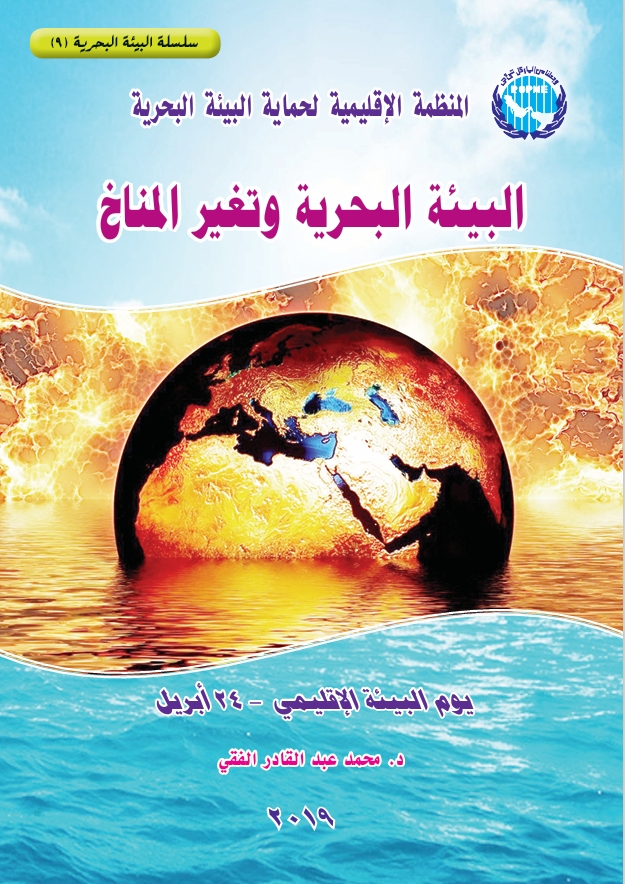
    This publication by the Regional Organization for the Protection of the Marine Environment (ROPME) addresses the critical issue of marine environment and climate change, emphasizing that the marine environment is fundamental to life on Earth. Covering approximately 71% of the planet’s surface, it provides food, energy, freshwater (through desalination), supports biodiversity, regulates the global climate,