Marine Algae

Filters
Filters
Publication Date

2013

Issue

2013

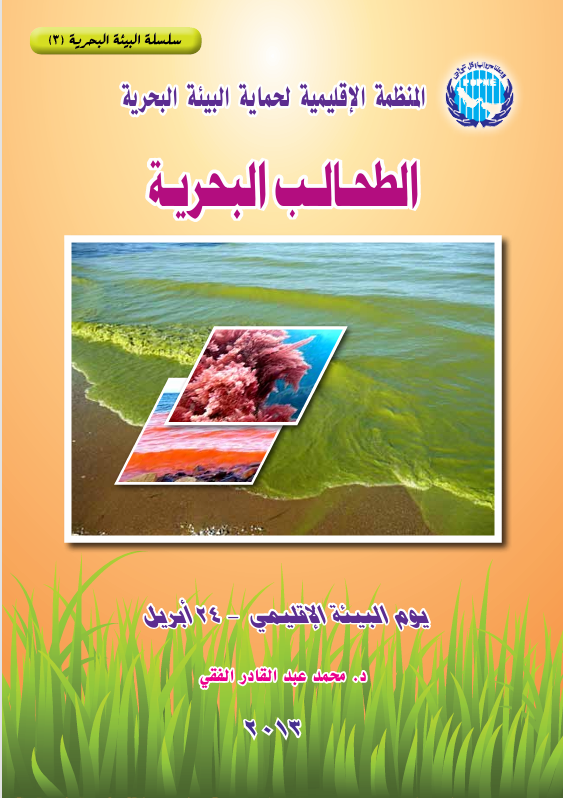
This publication provides a comprehensive introduction to marine algae, highlighting their biological characteristics, classification, distribution, and environmental and economic importance. It also explains their vital role in supporting fisheries and discusses the potential risks associated with the excessive proliferation of harmful algal species. The publication was issued by the Regional Organization for the Protection of the Marine Environment (ROPME) as part of its environmental awareness initiatives, under the theme **”Algae and Fisheries”** for the 2013 Regional Environment Day.

View more
Objectives

The publication aims to:

* Introduce marine algae and their major groups.

* Highlight the role of algae in maintaining the ecological balance of marine ecosystems.

* Explain the relationship between algae and fisheries.

* Present the nutritional, economic, and medicinal benefits of algae.

* Raise awareness of the risks posed by harmful algal blooms and their impacts on the marine environment and human health.

What Are Algae?

Algae are simple photosynthetic organisms that contain chlorophyll and produce their own food through photosynthesis. They occur in a wide range of forms, from single-celled to multicellular organisms, and inhabit marine and freshwater environments, as well as moist terrestrial habitats. Their colors—including green, brown, red, golden, and others—vary according to the pigments they contain.

Distribution of Marine Algae

Algae are widely distributed throughout aquatic environments, including seas, oceans, rivers, and lakes. They are also found in moist soils, on rocks and damp surfaces, and even in extreme environments such as highly saline or very cold regions. Marine algae are generally classified into two main groups: phytoplankton, which drift with ocean currents, and larger benthic algae that are attached to rocks or the seabed.

Environmental Importance

Marine algae play a fundamental role in marine ecosystems by:

* Producing more than 70% of the Earth’s atmospheric oxygen through photosynthesis.

* Forming the foundation of the marine food web.

* Providing food and shelter for juvenile fish and numerous marine organisms.

* Absorbing carbon dioxide and contributing to climate change mitigation.

* Supporting marine biodiversity and maintaining healthy marine ecosystems.

Economic and Nutritional Uses

The publication highlights the diverse applications of marine algae, including:

* Human consumption, particularly in countries such as Japan, China, and the Republic of Korea.

* Animal and aquaculture feed due to their high protein, vitamin, and mineral content.

* Use in the food, pharmaceutical, and cosmetic industries.

* Industrial applications, including filtration, insulation materials, and the production of natural compounds.

Medicinal Applications

The publication reviews the historical and medicinal uses of algae, noting that they have long been used in traditional medicine to treat various ailments. It also highlights recent scientific research indicating that certain algal compounds may enhance immune function, possess antimicrobial properties, and offer promising applications in pharmaceutical development.

Classification of Algae

The publication outlines the scientific classification of algae according to modern taxonomic systems, identifying several major groups, including:

* Green algae

* Brown algae

* Red algae

* Diatoms

* Dinoflagellates

* Euglenoids

* Golden and yellow algae

It also explains the scientific criteria used for classification, including pigment composition, cell wall structure, reproductive methods, and cellular characteristics.

Harmful Algae

The publication explains that certain algal species can become environmentally hazardous when they proliferate excessively, resulting in **harmful algal blooms (HABs)**, including the phenomenon commonly known as **red tides**. These blooms are primarily caused by the rapid growth of certain dinoflagellates that produce toxins harmful to fish, shellfish, and other marine organisms. These toxins may also pose risks to human health through the consumption of contaminated seafood.

ROPME’s Role

The publication emphasizes that the Regional Organization for the Protection of the Marine Environment (ROPME) considers the monitoring of harmful algal blooms a regional priority. Its activities include environmental monitoring programmes, marine surveys, scientific workshops and meetings, and the use of remote sensing technologies for the early detection of harmful algal blooms, all aimed at protecting the marine environment and sustaining regional fisheries.

Conclusion

The publication concludes that marine algae are among the most important components of the marine environment. They form the basis of primary production and marine food webs, play a critical role in oxygen generation, support fisheries, and help conserve marine biodiversity. At the same time, certain algal species can become significant environmental hazards when abnormal blooms occur. Continued environmental monitoring, scientific research, and public awareness are therefore essential to ensure the sustainable use of marine resources and the long-term protection of marine ecosystems throughout the ROPME Sea Area.
  • Coastal ecotourism
    Coastal ecotourism

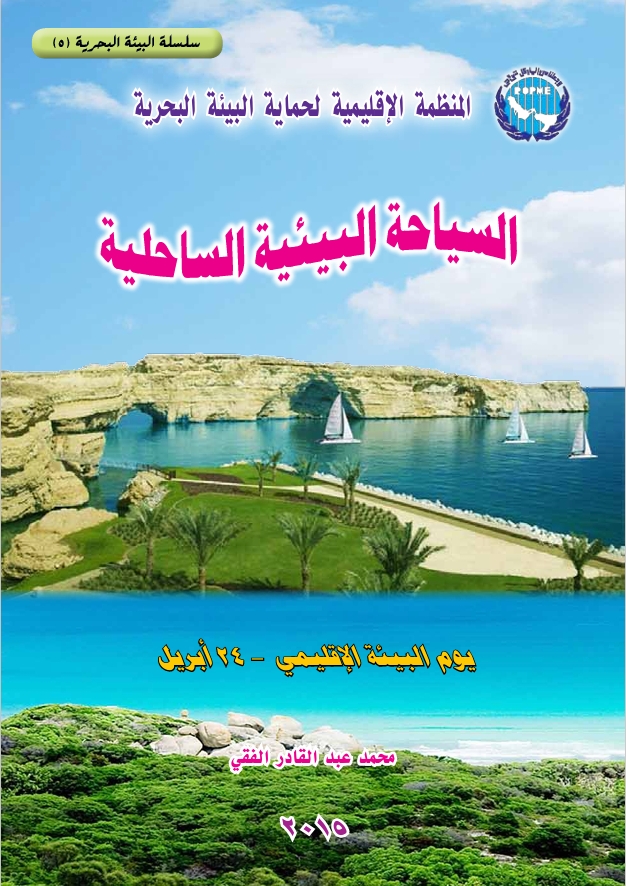
    This publication This publication issued by the Regional Organization for the Protection of the Marine Environment (ROPME), as part of Marine Environment Series (5), addresses Coastal Ecotourism on the occasion of Regional Environment Day (24 April 2015). It highlights ecotourism as a key instrument for sustainable development and coastal environmental protection. The newsletter emphasizes that

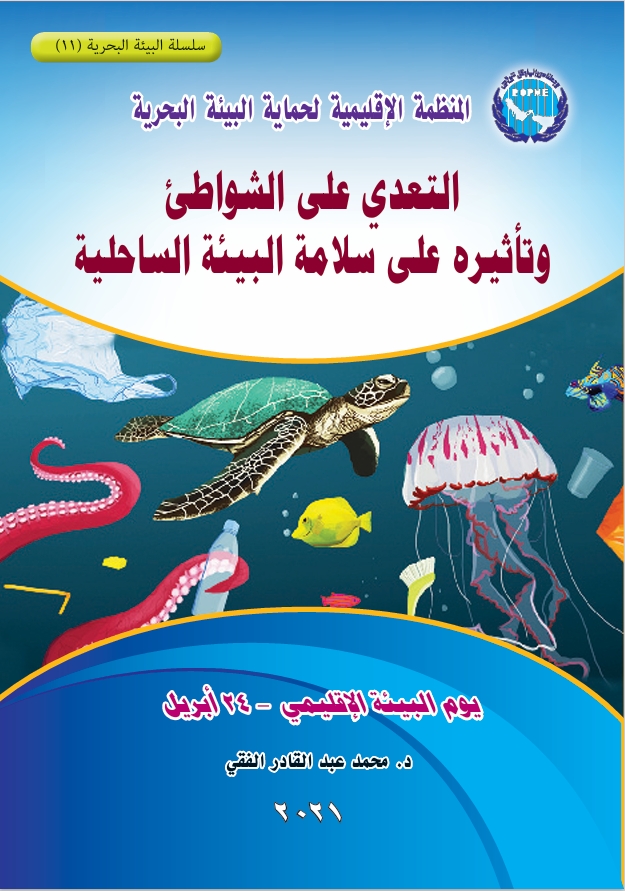
  • Encroachment on beaches and its impact on the safety of the coastal environment
    Encroachment on beaches and its impact on the safety of the coastal environment

    This publication, part of the Marine Environment Series (No. 11) issued by the Regional Organization for the Protection of the Marine Environment (ROPME), addresses the issue of coastal encroachment and its impact on the integrity of the coastal environment. It highlights the ecological and economic significance of beaches as dynamic ecosystems rich in biodiversity, essential

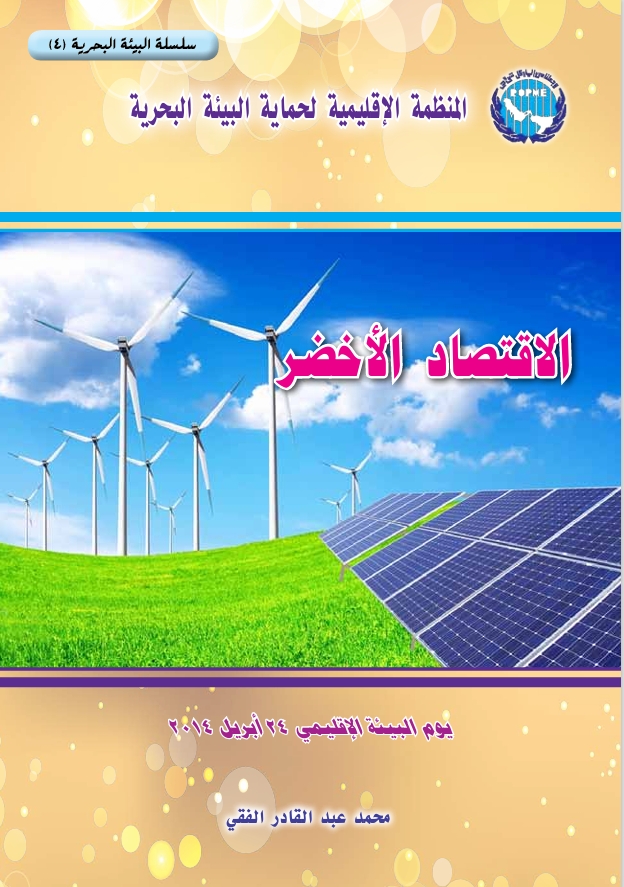
  • Green economy
    Green economy

    This publication addresses the concept of the green economy as a key modern approach in environmental and development thinking. The term emerged prominently through the United Nations Environment Programme (UNEP) in 2008 and was globally recognized as a central pillar of sustainable development, particularly during the Rio+20 Conference. A green economy is defined as an

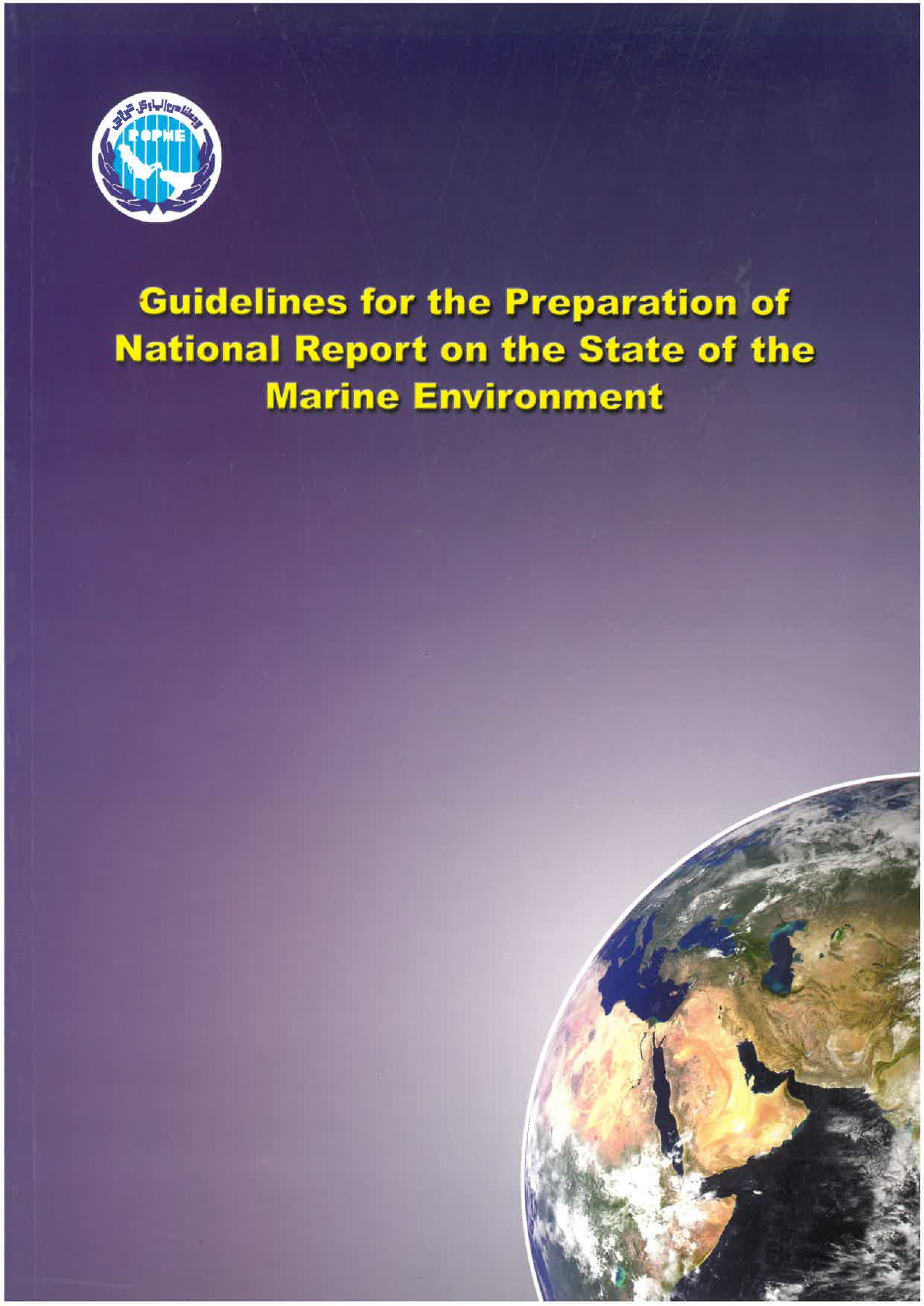
  • Guidelines for the Preparation of National Report on the State of the Marine Environment
    Guidelines for the Preparation of National Report on the State of the Marine Environment

    The document titled “Guidelines for the Preparation of National Report on the State of the Marine Environment” (ROPME, 2007) provides a structured framework for Member States to prepare national reports that contribute to the regional State of the Marine Environment Report (SOMER). Developed in collaboration with UNEP and aligned with the GEO (Global Environment Outlook)

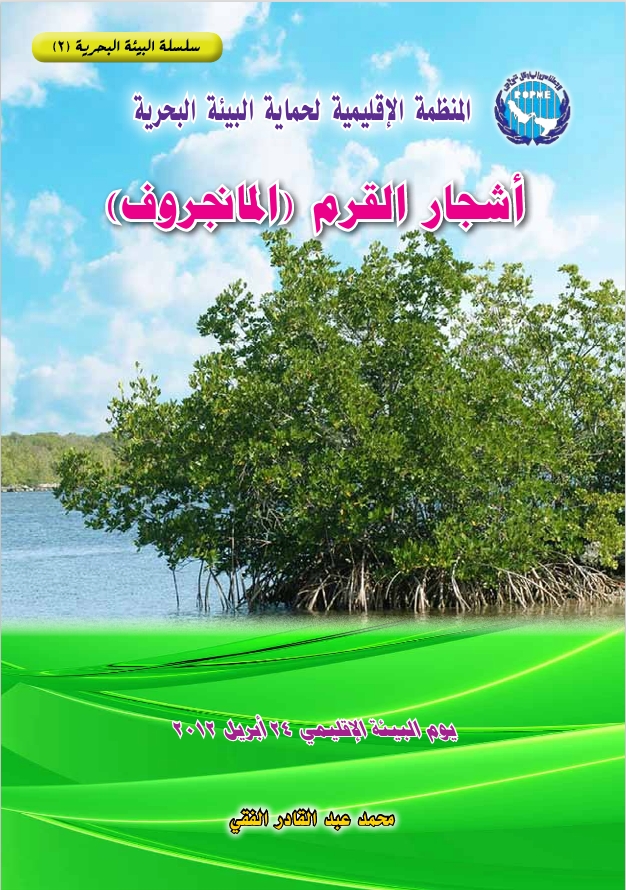
  • Mangrove Trees
    Mangrove Trees

    This special publication, issued on the occasion of Regional Environment Day (April 24, 2012), highlights the significance of mangrove trees as one of the most vital and productive coastal ecosystems. It provides a comprehensive overview of their environmental, historical, scientific, and economic importance, with particular focus on their status within the Regional Organization for the

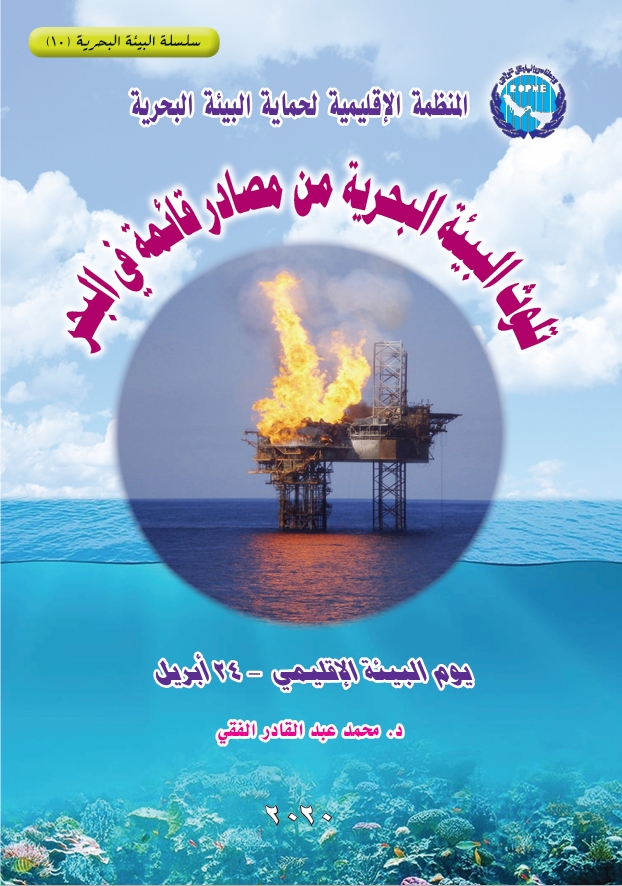
  • Marine Environment Series: Marine Pollution from Offshore (sea-based) sources
    Marine Environment Series: Marine Pollution from Offshore (sea-based) sources

    This special publication from the Marine Environment Series (2020) addresses marine pollution from offshore (sea-based) sources, focusing on the marine environment within the Regional Organization for the Protection of the Marine Environment (ROPME) area and the growing environmental challenges driven by human activities, particularly those linked to oil, shipping, and industrial development. The ROPME marine

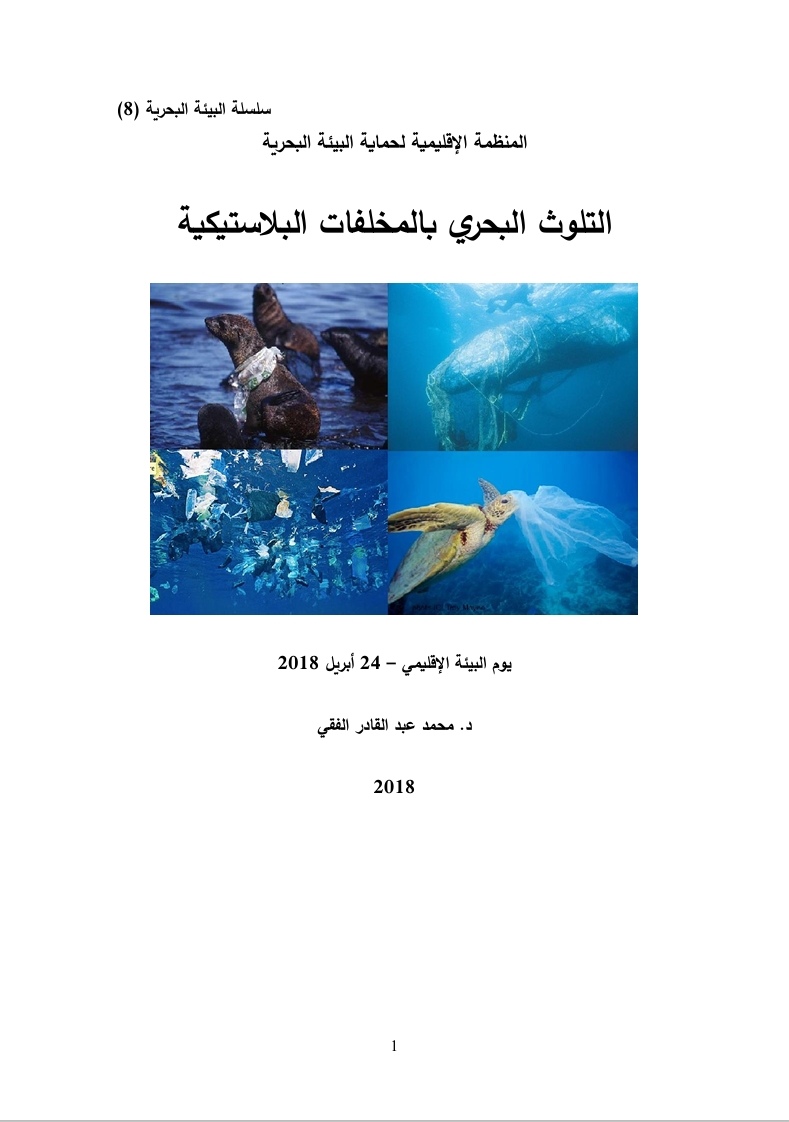
  • Marine Plastic Pollution: Challenges and Solutions in the ROPME Sea Area
    Marine Plastic Pollution: Challenges and Solutions in the ROPME Sea Area

    The eighth issue of the Marine Environment Series published by the Regional Organization for the Protection of the Marine Environment (ROPME) addresses marine pollution caused by plastic waste as one of the most critical environmental challenges facing the world’s oceans, including the ROPME Sea Area. The report emphasizes that plastic pollution is more persistent and,

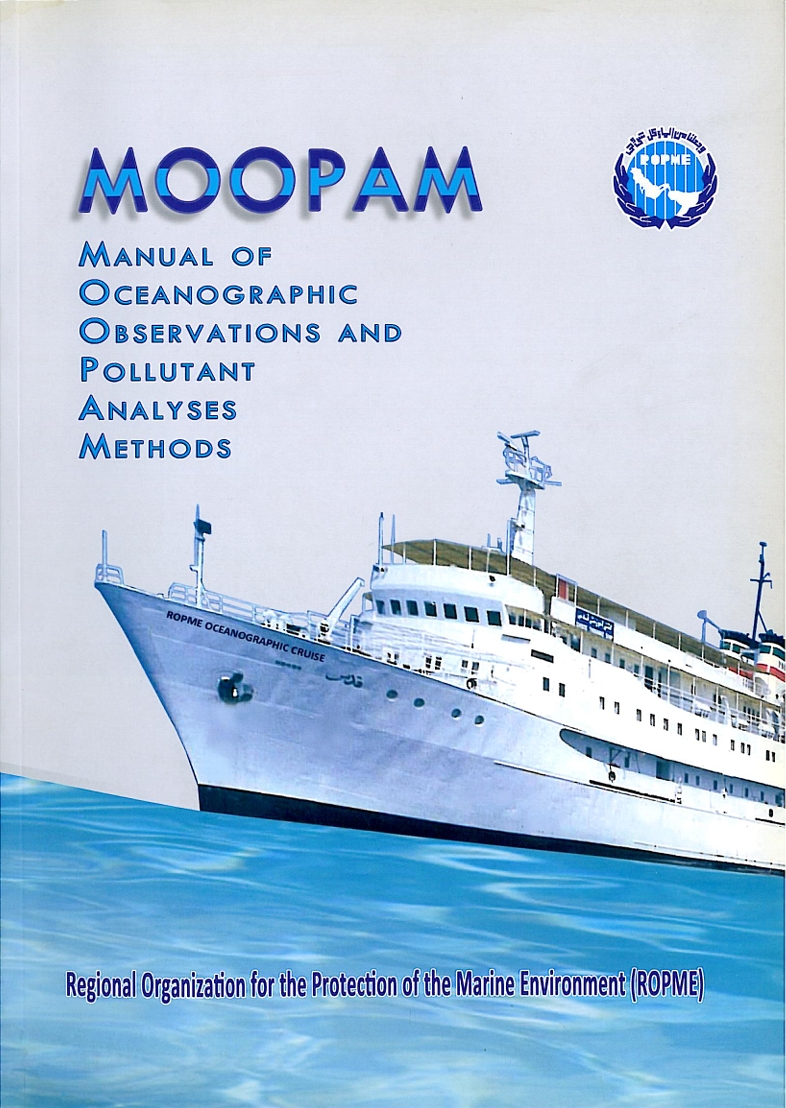
  • MOOPAM (2010)
    MOOPAM (2010)

    A revised edition for the guide to the fieldsurveys, sampling and analytical methods to beused by the participating institutions forimplementation of the Monitoring and ResearchProgramme for analyses of oceanographicparameters and oil and non-oil pollutants in theROPME Sea Area. In this revised edition of MOOPAM severalconsiderations were taken into account, i.e. thedevelopment of analytical capabilities in

  • Offshore Environment of the ROPME Sea Area after the War-Related Oil Spill: Results of the 1993–94 Umitaka-Maru Cruises
    Offshore Environment of the ROPME Sea Area after the War-Related Oil Spill: Results of the 1993–94 Umitaka-Maru Cruises

    The publication “Offshore Environment of the ROPME Sea Area after the War-Related Oil Spill: Results of the 1993–94 Umitaka-Maru Cruises” presents a comprehensive scientific assessment of the marine environment in the ROPME Sea Area (RSA) following the environmental catastrophe caused by the 1990–1991 Gulf War oil spill. The RSA, bordered by eight countries (Bahrain, Iran,

  • Overview on Land-based Sources and Activities Affecting the Marine Environment in the ROPME Sea Area
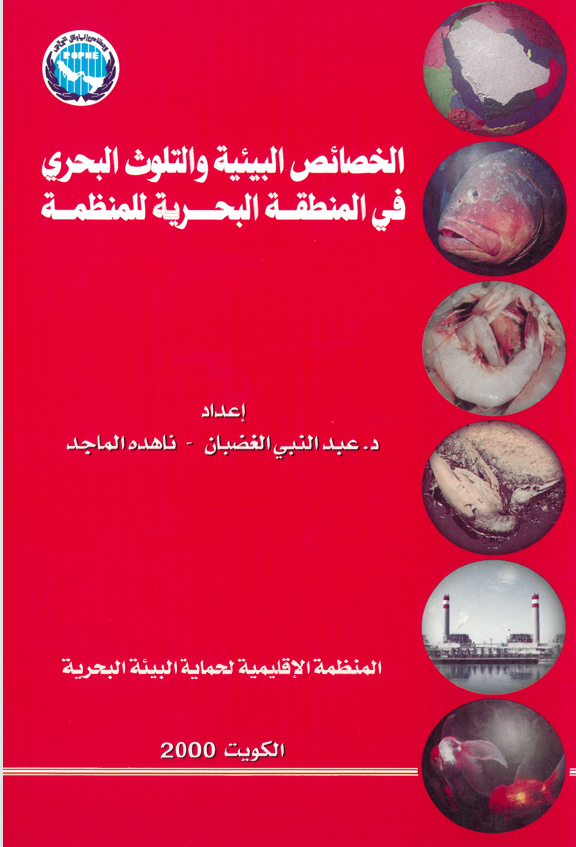
    Overview on Land-based Sources and Activities Affecting the Marine Environment in the ROPME Sea Area

    A comprehensive overview of land-based sources and activities affecting the marine, coastal and associated freshwater environments in the ROPME Sea Area, including the status of activities dealing with the protection of those environments from land-based sources. This work is based on a review of the relevant information and activities of the individual countries making up

  • Policy brief on the impacts of Climate change on the ROPME Sea Area
    Policy brief on the impacts of Climate change on the ROPME Sea Area

    This policy brief issued by the Regional Organization for the Protection of the Marine Environment (ROPME) assesses the impacts of climate change on the ROPME Sea Area, one of the warmest and most environmentally extreme marine regions in the world, encompassing the Arabian Gulf and the northwestern Indian Ocean. The report confirms that climate change

  • The Guidelines for the Management of Industrial Wastewater for the ROPME Region (2005)
    The Guidelines for the Management of Industrial Wastewater for the ROPME Region (2005)

    The Guidelines for the Management of Industrial Wastewater for the ROPME Region (2005) provide a comprehensive framework for controlling and reducing industrial pollution in the marine environment of the ROPME Sea Area (RSA). Due to the semi-enclosed nature of this region, pollutants tend to persist longer, making effective wastewater management a critical environmental priority. The

Explore More
  • Coastal ecotourism
    Coastal ecotourism

    This publication This publication issued by the Regional Organization for the Protection of the Marine Environment (ROPME), as part of Marine Environment Series (5), addresses Coastal Ecotourism on the occasion of Regional Environment Day (24 April 2015). It highlights ecotourism as a key instrument for sustainable development and coastal environmental protection. The newsletter emphasizes that

  • Marine Environment Series: Marine Pollution from Offshore (sea-based) sources
    Marine Environment Series: Marine Pollution from Offshore (sea-based) sources

    This special publication from the Marine Environment Series (2020) addresses marine pollution from offshore (sea-based) sources, focusing on the marine environment within the Regional Organization for the Protection of the Marine Environment (ROPME) area and the growing environmental challenges driven by human activities, particularly those linked to oil, shipping, and industrial development. The ROPME marine

  • Mangrove Trees
    Mangrove Trees

    This special publication, issued on the occasion of Regional Environment Day (April 24, 2012), highlights the significance of mangrove trees as one of the most vital and productive coastal ecosystems. It provides a comprehensive overview of their environmental, historical, scientific, and economic importance, with particular focus on their status within the Regional Organization for the

  • Marine Plastic Pollution: Challenges and Solutions in the ROPME Sea Area
    Marine Plastic Pollution: Challenges and Solutions in the ROPME Sea Area

    The eighth issue of the Marine Environment Series published by the Regional Organization for the Protection of the Marine Environment (ROPME) addresses marine pollution caused by plastic waste as one of the most critical environmental challenges facing the world’s oceans, including the ROPME Sea Area. The report emphasizes that plastic pollution is more persistent and,

  • Encroachment on beaches and its impact on the safety of the coastal environment
    Encroachment on beaches and its impact on the safety of the coastal environment

    This publication, part of the Marine Environment Series (No. 11) issued by the Regional Organization for the Protection of the Marine Environment (ROPME), addresses the issue of coastal encroachment and its impact on the integrity of the coastal environment. It highlights the ecological and economic significance of beaches as dynamic ecosystems rich in biodiversity, essential

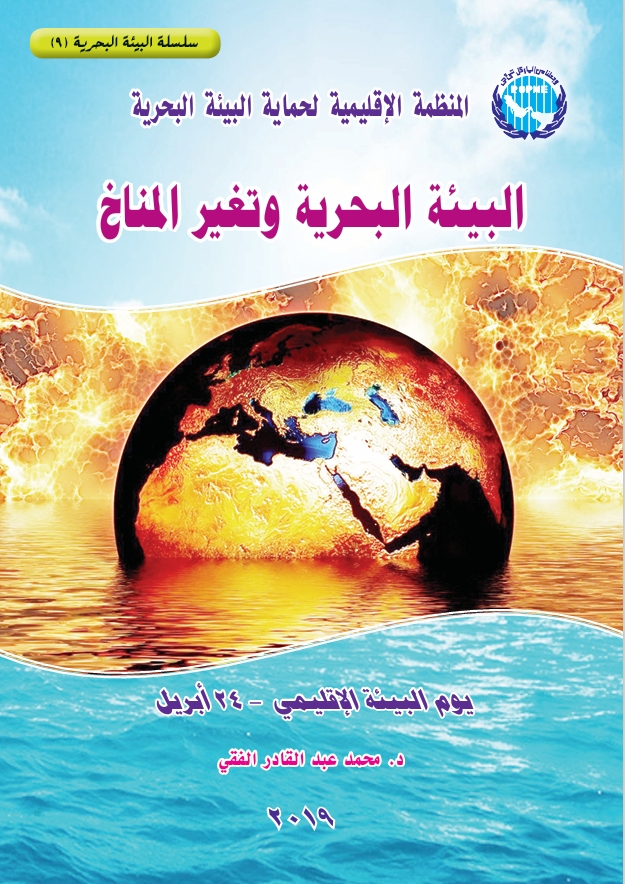
  • The Marine Environment and Climate Change
    The Marine Environment and Climate Change

    This publication by the Regional Organization for the Protection of the Marine Environment (ROPME) addresses the critical issue of marine environment and climate change, emphasizing that the marine environment is fundamental to life on Earth. Covering approximately 71% of the planet’s surface, it provides food, energy, freshwater (through desalination), supports biodiversity, regulates the global climate,

  • Green economy
    Green economy

    This publication addresses the concept of the green economy as a key modern approach in environmental and development thinking. The term emerged prominently through the United Nations Environment Programme (UNEP) in 2008 and was globally recognized as a central pillar of sustainable development, particularly during the Rio+20 Conference. A green economy is defined as an

  • Policy brief on the impacts of Climate change on the ROPME Sea Area
    Policy brief on the impacts of Climate change on the ROPME Sea Area

    This policy brief issued by the Regional Organization for the Protection of the Marine Environment (ROPME) assesses the impacts of climate change on the ROPME Sea Area, one of the warmest and most environmentally extreme marine regions in the world, encompassing the Arabian Gulf and the northwestern Indian Ocean. The report confirms that climate change