

This publication
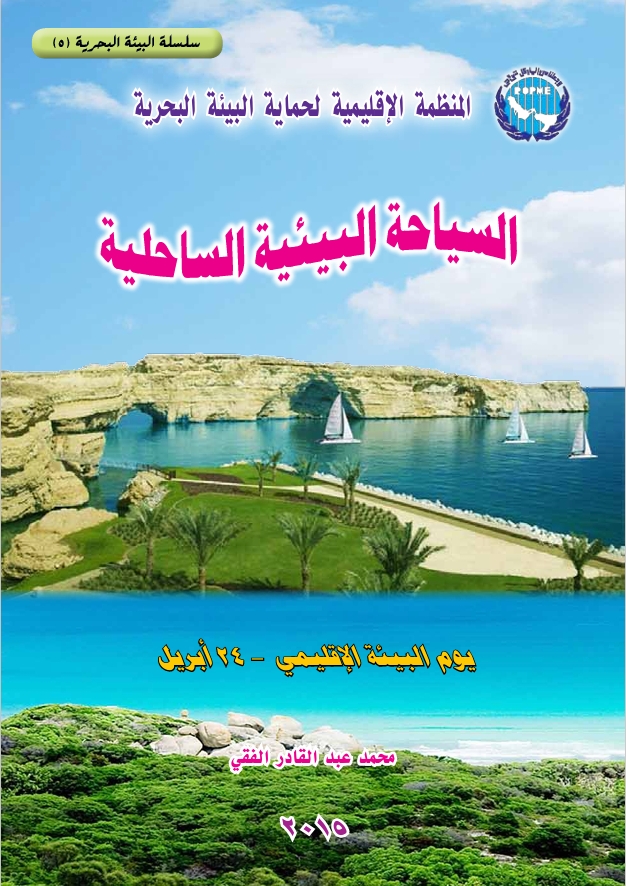
This publication issued by the Regional Organization for the Protection of the Marine Environment (ROPME), as part of Marine Environment Series (5), addresses Coastal Ecotourism on the occasion of Regional Environment Day (24 April 2015). It highlights ecotourism as a key instrument for sustainable development and coastal environmental protection.
The newsletter emphasizes that coastlines are not merely recreational areas, but highly valuable ecological systems rich in biodiversity, cultural heritage, and economic potential. However, these environments have been increasingly pressured by urban expansion, industrial development, and pollution, requiring more sustainable tourism approaches.
It outlines the global evolution of ecotourism, from early concepts in the 19th century to the Rio Earth Summit and Agenda 21, which integrated tourism with sustainable development principles. Coastal ecotourism is defined as responsible travel to natural coastal areas aimed at enjoying, conserving, and supporting both ecosystems and local communities.
The publication details the core principles of ecotourism, including minimizing environmental impact, promoting environmental awareness, supporting local economies, respecting cultural heritage, and contributing to human rights and environmental justice.
It also categorizes coastal ecotourism into three types: self-ecotourism, small-group ecotourism, and mass ecotourism. Its objectives are presented across four dimensions: economic (job creation and income generation), environmental (ecosystem protection and conservation), tourism-related (service improvement and integrated planning), and socio-cultural (community participation and cultural preservation).
A comprehensive overview of coastal zones and coastal resources is provided, covering beaches, coral reefs, mangroves, wetlands, estuaries, rocky shores, and islands, highlighting their importance for ecotourism development.
The publication further describes the ecological diversity of the ROPME region’s coastlines, emphasizing their potential for activities such as diving, birdwatching, marine wildlife observation, and sustainable coastal recreation.
It also warns against the negative impacts of uncontrolled tourism, including coral reef degradation, pollution, disturbance of wildlife, cultural disruption, and the effects of climate change such as sea level rise and coastal erosion.
Finally, the report advocates for sustainable coastal tourism, based on environmental protection, renewable energy use, waste reduction, cultural respect, and long-term resource conservation. It concludes with recommendations focusing on improved coastal management, legal frameworks, community involvement, environmental education, and fair distribution of tourism benefits to ensure long-term sustainability.