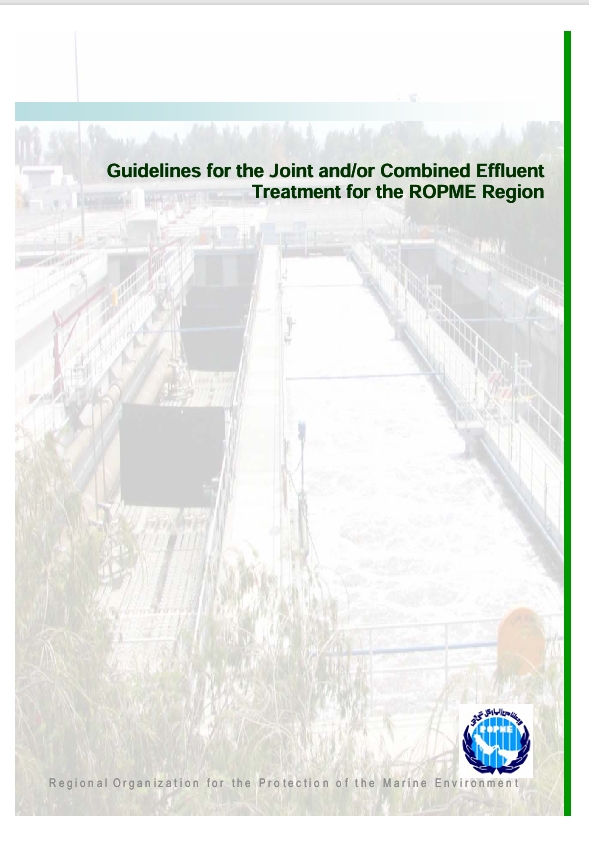
TheĀ Guidelines for Joint and/or Combined Effluent Treatment for the ROPME Region (2005)

Filters
Filters
Publication Date

2005

Issue

2005

The Guidelines for Joint and/or Combined Effluent Treatment for the ROPME Region (2005), developed by the Regional Organization for the Protection of the Marine Environment (ROPME), provide a comprehensive framework for managing industrial and municipal wastewater in the ROPME Sea Area (RSA). The RSA’s semi-enclosed nature makes it particularly vulnerable to pollution, as contaminants tend to persist longer and exert greater ecological impact. Consequently, effective control and treatment of land-based effluents are essential to safeguard this fragile marine environment.

The guidelines serve as a practical tool for decision-makers, planners, regulators, and industrial operators, offering strategies for selecting and implementing wastewater treatment systems. They emphasize two approaches: combined treatment, where industrial effluents are treated alongside domestic sewage, and joint treatment, where effluents from multiple industrial sources are treated collectively. Both approaches aim to ensure that industrial wastewater is properly managed, not only to protect receiving water bodies but also to maintain the integrity of municipal wastewater treatment plants (MWTPs).

Industrial wastewater is highly variable, reflecting the diversity of industrial activities. Common pollutants include organic matter (BOD, COD), suspended solids, oils and grease, heavy metals such as lead and mercury, and toxic chemicals like phenols, cyanides, and pesticides. The guidelines classify industries according to their typical pollutant profiles, highlighting sectors such as food processing, textiles, petrochemicals, metals, and pharmaceuticals. To design effective treatment systems, pollution loads must be accurately assessed, either through emission factors based on production data or through direct monitoring of discharges. This dual approach ensures reliable data for regulatory limits and treatment design.

Treatment methods encompass physical processes (sedimentation, filtration, flotation, oil separation), chemical processes (neutralization, coagulation, precipitation, oxidation), and biological processes (especially for organic pollutants). Specialized treatments are required for persistent pollutants such as heavy metals and toxic substances. Combined treatment is only feasible when industrial effluents resemble domestic wastewater in composition, primarily organic matter. However, risks such as hydraulic overload, toxic shock to biological systems, and accumulation of persistent pollutants necessitate strict pretreatment before industrial discharges enter municipal systems.

Pretreatment programs are therefore central to the guidelines. They aim to prevent toxic substances from entering MWTPs, protect infrastructure and personnel, ensure safe sludge reuse and disposal, and support water recycling and resource recovery. Pollutants are categorized into conventional (BOD, TSS, pH, coliforms, oil and grease) and toxic (heavy metals, organic toxics, cyanides), with clear standards and limits tailored to local conditions. Effective pretreatment safeguards both treatment processes and the broader environment.

Institutional coordination is another cornerstone of the framework. National authorities are tasked with developing policies, legislation, and technical standards; local authorities adapt regulations, issue permits, and enforce compliance; and MWTP operators monitor discharges, enforce limits, and manage plant operations. Continuous monitoring, permitting systems, and enforcement mechanisms are emphasized as essential for ensuring compliance and accountability.

In conclusion, the ROPME guidelines underscore the importance of integrated wastewater management in the RSA. By combining robust pretreatment programs, carefully designed joint or combined treatment systems, and strong institutional coordination, the region can reduce pollution, support industrial development—including small and medium enterprises—and protect its sensitive marine ecosystem. The document reflects a balance between environmental protection and sustainable industrial growth, recognizing that the health of the RSA is inseparable from the prosperity of the communities and industries that depend on it.
  • Adapting desalination plants and industrial cooling water systems to climate change
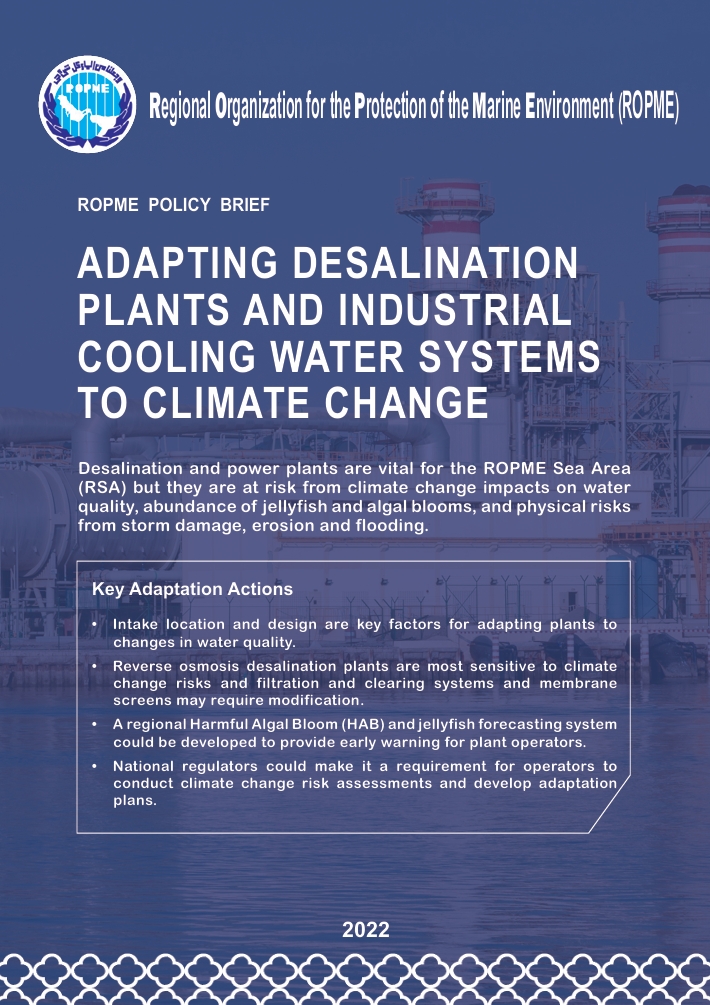
    Adapting desalination plants and industrial cooling water systems to climate change

    The 2022 ROPME Policy Brief addresses the impacts of climate change on desalination plants and industrial cooling water systems in the ROPME Sea Area, which includes eight member states. It highlights the region’s critical dependence on desalination, with over 1,400 plants producing more than 25 million cubic meters per day, expected to rise significantly by

  • Coastal ecotourism
    Coastal ecotourism

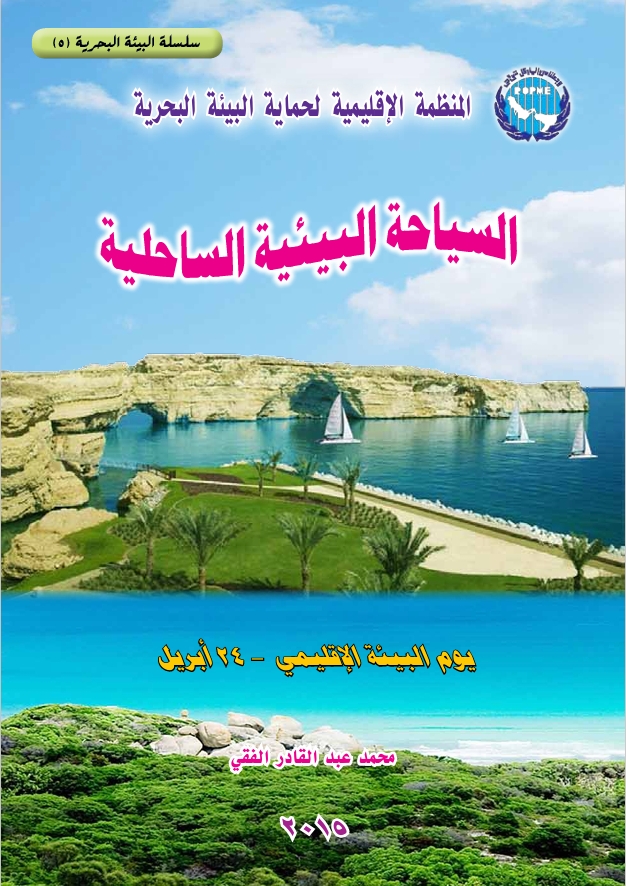
    This publication issued by the Regional Organization for the Protection of the Marine Environment (ROPME), as part of Marine Environment Series (5), addresses Coastal Ecotourism on the occasion of Regional Environment Day (24 April 2015). It highlights ecotourism as a key instrument for sustainable development and coastal environmental protection. The newsletter emphasizes that coastlines are

  • Coral Climate Change Adaptation
    Coral Climate Change Adaptation

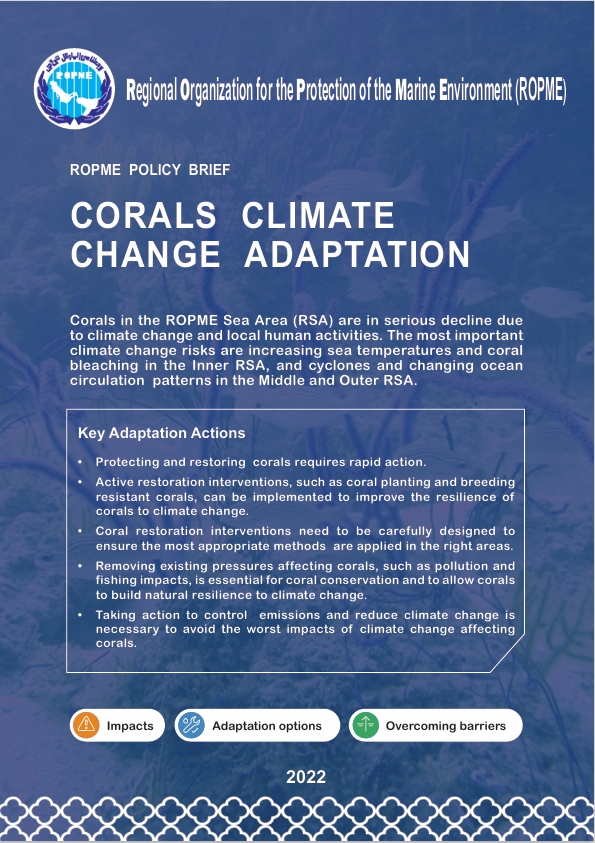
    The ROPME Policy Brief (2022) on Coral Climate Change Adaptation examines the severe decline of coral reefs in the ROPME Sea Area (RSA) due to combined pressures from climate change and human activities. The region hosts over 2,000 km² of coral reefs, supporting rich biodiversity and providing significant socio-economic benefits, including fisheries and tourism. Climate

  • Encroachment on beaches and its impact on the safety of the coastal environment
    Encroachment on beaches and its impact on the safety of the coastal environment

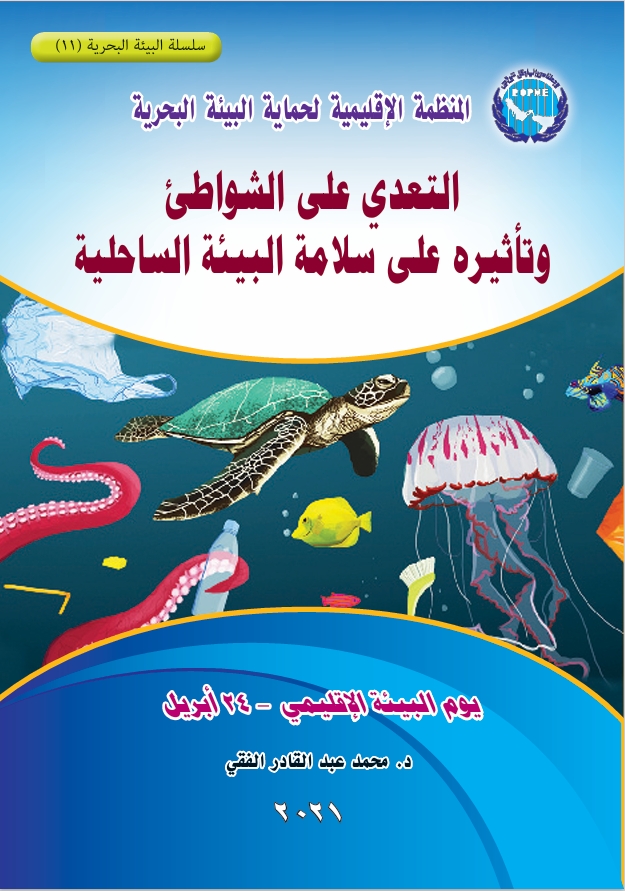
    This publication, part of the Marine Environment Series (No. 11) issued by the Regional Organization for the Protection of the Marine Environment (ROPME), addresses the issue of coastal encroachment and its impact on the integrity of the coastal environment. It highlights the ecological and economic significance of beaches as dynamic ecosystems rich in biodiversity, essential

  • Green economy
    Green economy

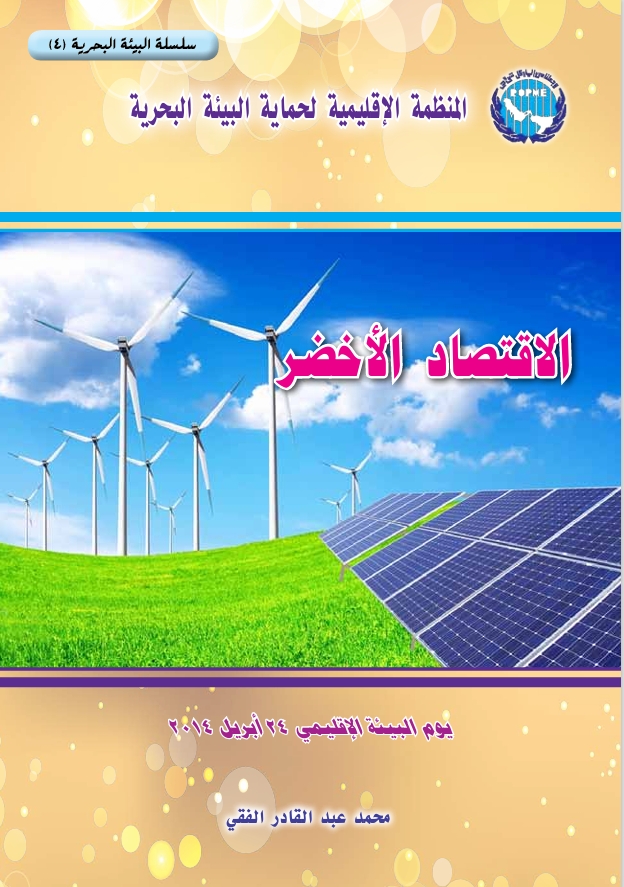
    This publication addresses the concept of the green economy as a key modern approach in environmental and development thinking. The term emerged prominently through the United Nations Environment Programme (UNEP) in 2008 and was globally recognized as a central pillar of sustainable development, particularly during the Rio+20 Conference. A green economy is defined as an

  • Guidelines for the Preparation of National Report on the State of the Marine Environment
    Guidelines for the Preparation of National Report on the State of the Marine Environment

    The document titled ā€œGuidelines for the Preparation of National Report on the State of the Marine Environmentā€ (ROPME, 2007) provides a structured framework for Member States to prepare national reports that contribute to the regional State of the Marine Environment Report (SOMER). Developed in collaboration with UNEP and aligned with the GEO (Global Environment Outlook)

  • Mangrove Trees
    Mangrove Trees

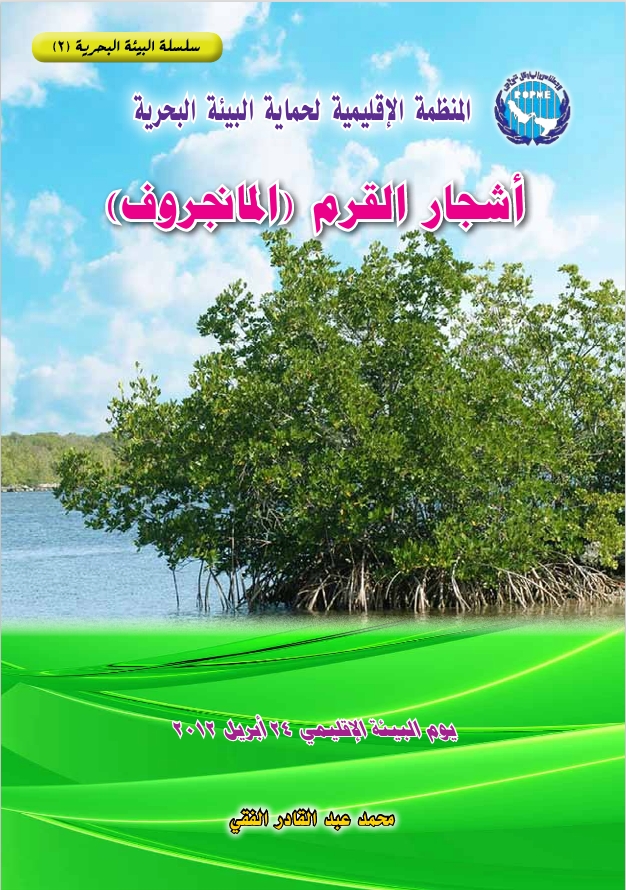
    This special publication, issued on the occasion of Regional Environment Day (April 24, 2012), highlights the significance of mangrove trees as one of the most vital and productive coastal ecosystems. It provides a comprehensive overview of their environmental, historical, scientific, and economic importance, with particular focus on their status within the Regional Organization for the

  • Marine Environment Series: Marine Pollution from Offshore (sea-based) sources
    Marine Environment Series: Marine Pollution from Offshore (sea-based) sources

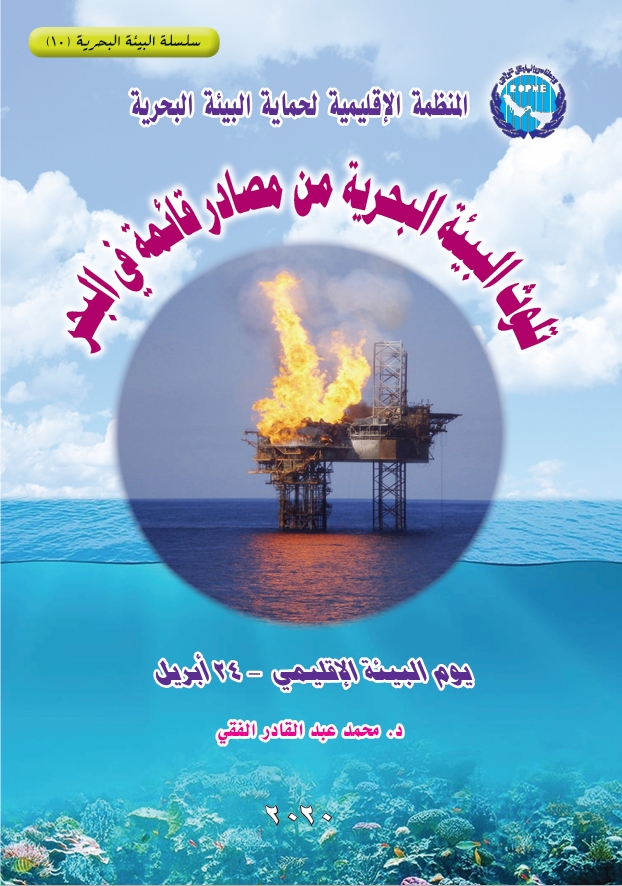
    This special publication from the Marine Environment Series (2020) addresses marine pollution from offshore (sea-based) sources, focusing on the marine environment within the Regional Organization for the Protection of the Marine Environment (ROPME) area and the growing environmental challenges driven by human activities, particularly those linked to oil, shipping, and industrial development. The ROPME marine

  • Marine Fisheries to the Impacts of Climate Change
    Marine Fisheries to the Impacts of Climate Change

    This policy brief by the Regional Organization for the Protection of the Marine Environment (ROPME) addresses the adaptation of marine fisheries to the impacts of climate change within a regional framework covering the eight member states bordering the ROPME Sea Area, which is divided into three sub-regions: a shallow semi-enclosed inner zone, a transitional middle

  • Marine Plastic Pollution: Challenges and Solutions in the ROPME Sea Area
    Marine Plastic Pollution: Challenges and Solutions in the ROPME Sea Area

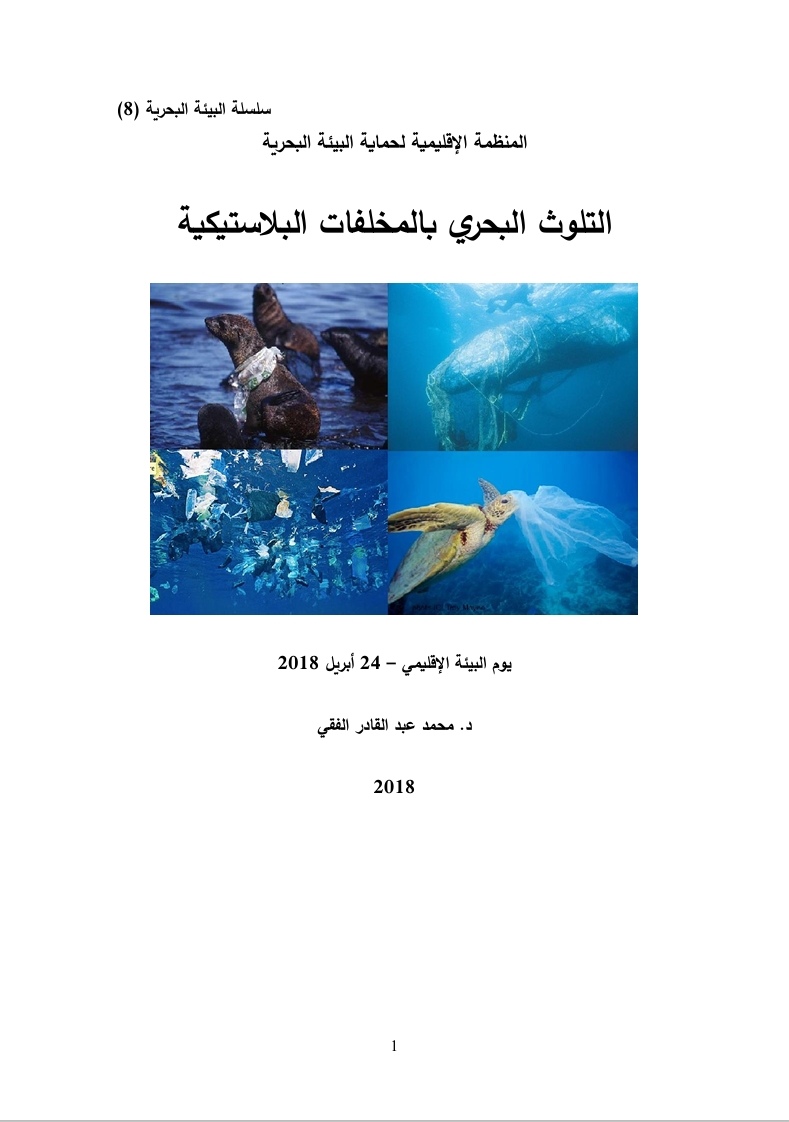
    The eighth issue of the Marine Environment Series published by the Regional Organization for the Protection of the Marine Environment (ROPME) addresses marine pollution caused by plastic waste as one of the most critical environmental challenges facing the world’s oceans, including the ROPME Sea Area. The report emphasizes that plastic pollution is more persistent and,

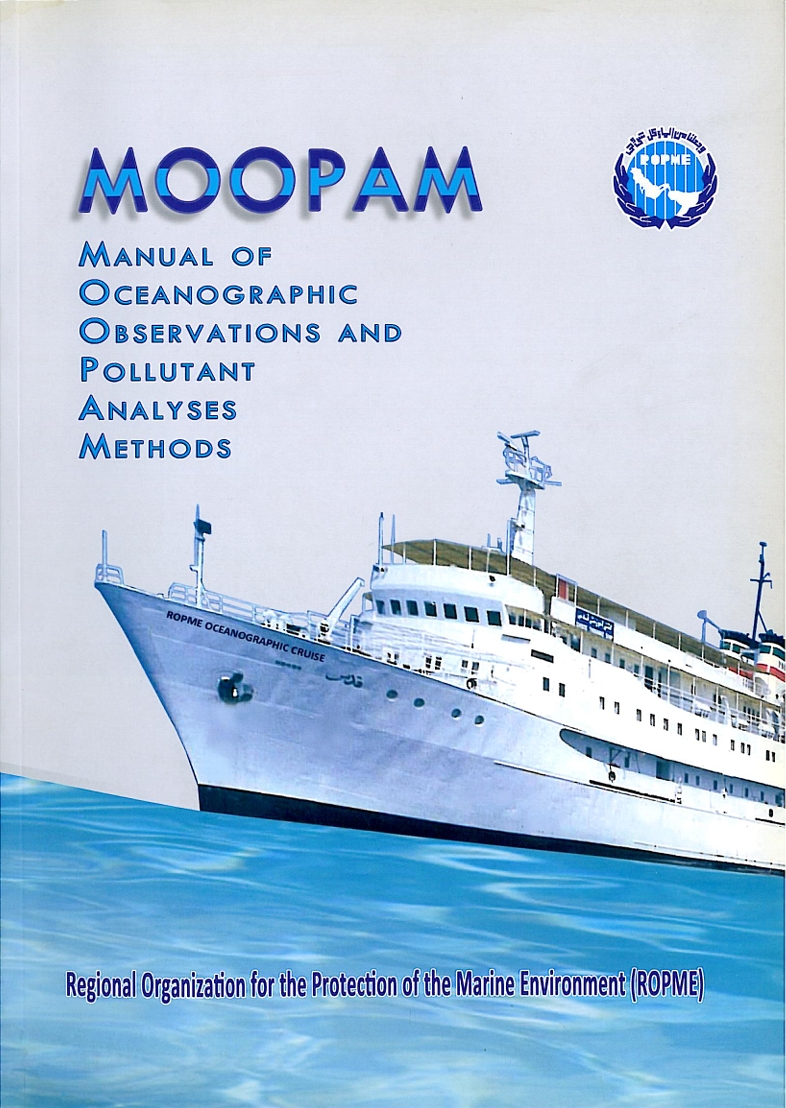
  • MOOPAM (2010)
    MOOPAM (2010)

    A revised edition for the guide to the fieldsurveys, sampling and analytical methods to beused by the participating institutions forimplementation of the Monitoring and ResearchProgramme for analyses of oceanographicparameters and oil and non-oil pollutants in theROPME Sea Area. In this revised edition of MOOPAM severalconsiderations were taken into account, i.e. thedevelopment of analytical capabilities in

  • Offshore Environment of the ROPME Sea Area after the War-Related Oil Spill: Results of the 1993–94 Umitaka-Maru Cruises
    Offshore Environment of the ROPME Sea Area after the War-Related Oil Spill: Results of the 1993–94 Umitaka-Maru Cruises

    The publication ā€œOffshore Environment of the ROPME Sea Area after the War-Related Oil Spill: Results of the 1993–94 Umitaka-Maru Cruisesā€ presents a comprehensive scientific assessment of the marine environment in the ROPME Sea Area (RSA) following the environmental catastrophe caused by the 1990–1991 Gulf War oil spill. The RSA, bordered by eight countries (Bahrain, Iran,

Explore More
  • Adapting desalination plants and industrial cooling water systems to climate change
    Adapting desalination plants and industrial cooling water systems to climate change

    The 2022 ROPME Policy Brief addresses the impacts of climate change on desalination plants and industrial cooling water systems in the ROPME Sea Area, which includes eight member states. It highlights the region’s critical dependence on desalination, with over 1,400 plants producing more than 25 million cubic meters per day, expected to rise significantly by

  • Coastal ecotourism
    Coastal ecotourism

    This publication issued by the Regional Organization for the Protection of the Marine Environment (ROPME), as part of Marine Environment Series (5), addresses Coastal Ecotourism on the occasion of Regional Environment Day (24 April 2015). It highlights ecotourism as a key instrument for sustainable development and coastal environmental protection. The newsletter emphasizes that coastlines are

  • Coral Climate Change Adaptation
    Coral Climate Change Adaptation

    The ROPME Policy Brief (2022) on Coral Climate Change Adaptation examines the severe decline of coral reefs in the ROPME Sea Area (RSA) due to combined pressures from climate change and human activities. The region hosts over 2,000 km² of coral reefs, supporting rich biodiversity and providing significant socio-economic benefits, including fisheries and tourism. Climate

  • Marine Environment Series: Marine Pollution from Offshore (sea-based) sources
    Marine Environment Series: Marine Pollution from Offshore (sea-based) sources

    This special publication from the Marine Environment Series (2020) addresses marine pollution from offshore (sea-based) sources, focusing on the marine environment within the Regional Organization for the Protection of the Marine Environment (ROPME) area and the growing environmental challenges driven by human activities, particularly those linked to oil, shipping, and industrial development. The ROPME marine

  • Marine Fisheries to the Impacts of Climate Change
    Marine Fisheries to the Impacts of Climate Change

    This policy brief by the Regional Organization for the Protection of the Marine Environment (ROPME) addresses the adaptation of marine fisheries to the impacts of climate change within a regional framework covering the eight member states bordering the ROPME Sea Area, which is divided into three sub-regions: a shallow semi-enclosed inner zone, a transitional middle

  • Mangrove Trees
    Mangrove Trees

    This special publication, issued on the occasion of Regional Environment Day (April 24, 2012), highlights the significance of mangrove trees as one of the most vital and productive coastal ecosystems. It provides a comprehensive overview of their environmental, historical, scientific, and economic importance, with particular focus on their status within the Regional Organization for the

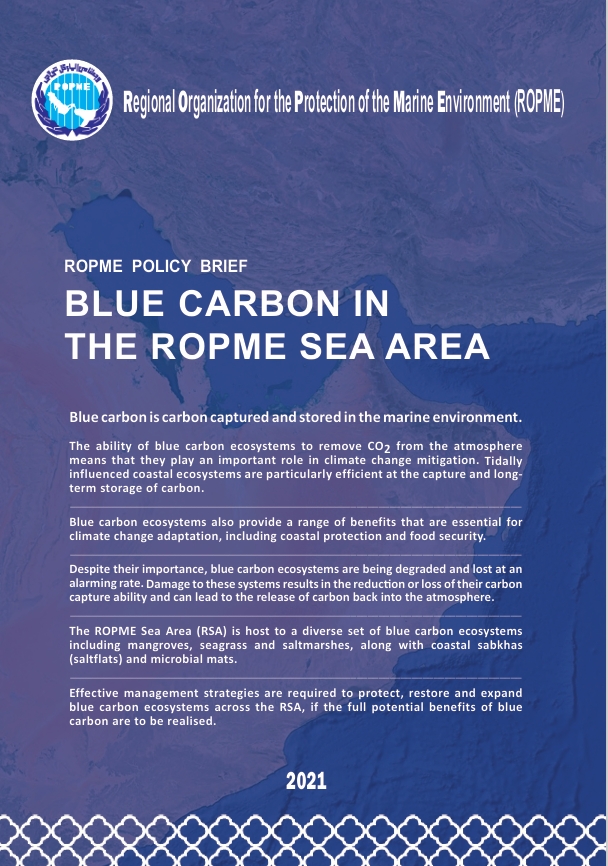
  • The ROPME Policy Brief on Blue Carbon in the ROPME Sea Area
    The ROPME Policy Brief on Blue Carbon in the ROPME Sea Area

    The ROPME Policy Brief on Blue Carbon in the ROPME Sea Area highlights the critical role of marine and coastal ecosystems in climate change mitigation. Blue carbon refers to the carbon captured and stored in ecosystems such as mangroves, seagrasses, and salt marshes, which are highly efficient at sequestering carbon dioxide and storing it over

  • Marine Plastic Pollution: Challenges and Solutions in the ROPME Sea Area
    Marine Plastic Pollution: Challenges and Solutions in the ROPME Sea Area

    The eighth issue of the Marine Environment Series published by the Regional Organization for the Protection of the Marine Environment (ROPME) addresses marine pollution caused by plastic waste as one of the most critical environmental challenges facing the world’s oceans, including the ROPME Sea Area. The report emphasizes that plastic pollution is more persistent and,