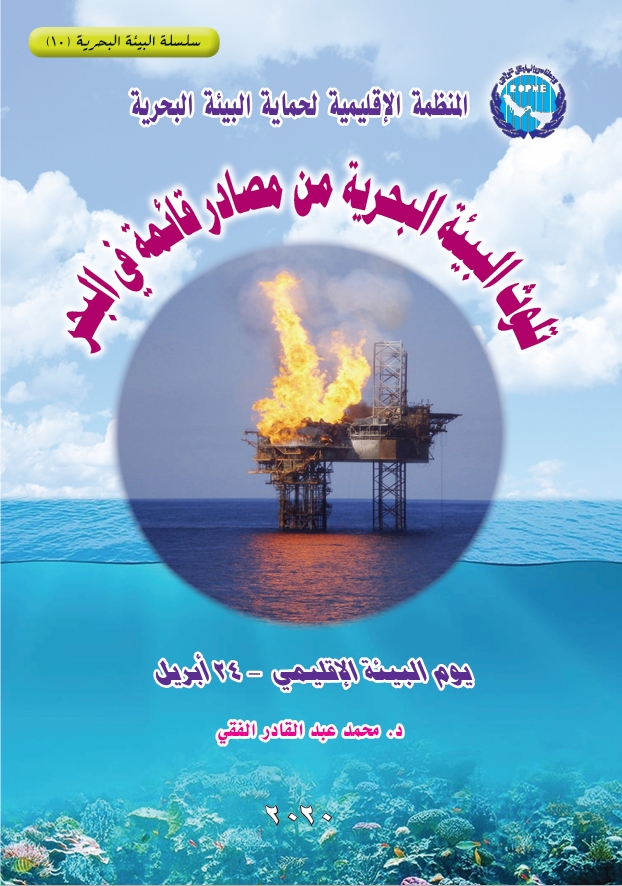


This special publication from the Marine Environment Series (2020) addresses marine pollution from offshore (sea-based) sources, focusing on the marine environment within the Regional Organization for the Protection of the Marine Environment (ROPME) area and the growing environmental challenges driven by human activities, particularly those linked to oil, shipping, and industrial development.
The ROPME marine region is characterized by rich natural resources, including high biodiversity (fish, crustaceans, marine mammals, and coral reefs), as well as significant hydrocarbon reserves and strategic maritime routes. Historically, the marine environment was relatively pristine and self-regulating. However, the discovery of oil and subsequent industrial and maritime expansion have significantly disrupted ecological balance and introduced multiple forms of pollution.
The booklet defines the marine environment as the interconnected saltwater systems that host marine life and natural resources, while marine pollution is described as any physical, chemical, or biological alteration that exceeds the sea’s natural assimilation capacity and causes harm to ecosystems, human health, and marine resources.
It explains that pollution sources are both natural and human-induced, although anthropogenic impacts are currently dominant. Key categories of marine pollution include:
- Natural pollution: such as naturally occurring hydrocarbons, sediments, and volcanic or geological inputs.
- Biological pollution: caused by pathogens, sewage discharge, and harmful algal blooms.
- Chemical pollution: including heavy metals, pesticides, plastics, and persistent organic pollutants (POPs).
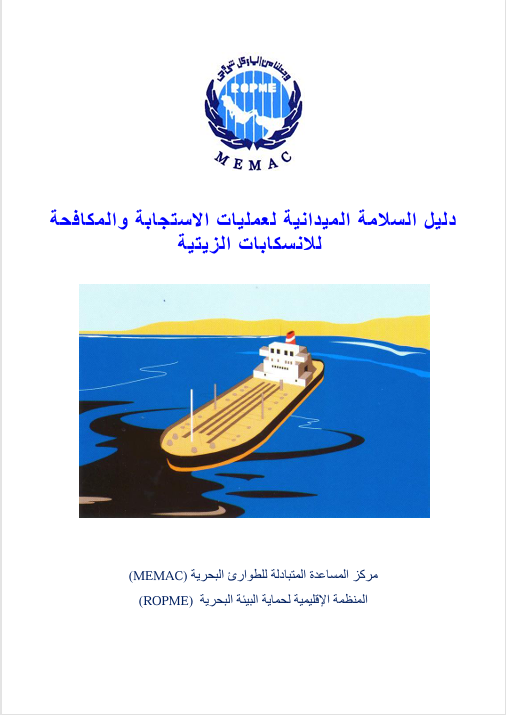
- Oil pollution: resulting from spills, maritime accidents, offshore production, and shipping activities—one of the most severe threats.
- Thermal pollution: caused by the discharge of heated cooling water from power plants and industrial facilities.
- Radioactive pollution: from nuclear activities and naturally occurring radioactive materials.
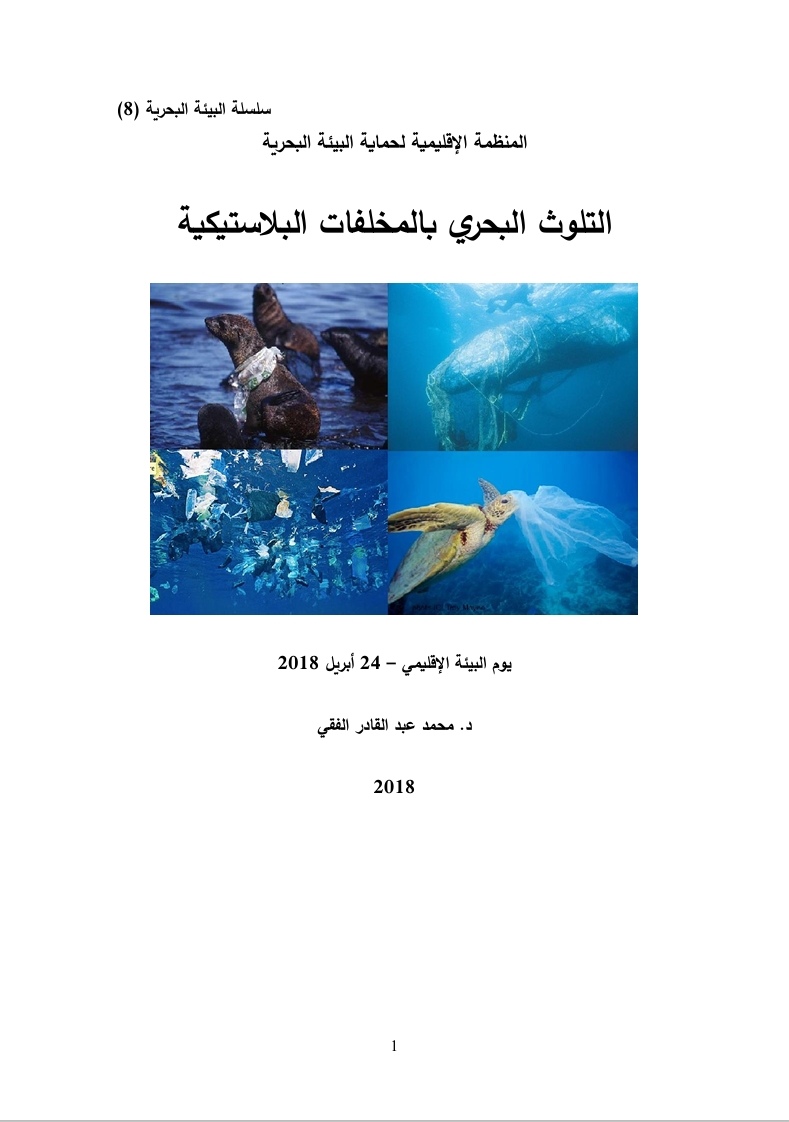
- Marine debris: especially plastics and abandoned fishing gear.
- Coastal reclamation: which alters coastal ecosystems and damages sensitive habitats such as mangroves and coral reefs.
The report highlights offshore oil and gas activities—including exploration, drilling, production, shipping, and pipeline transport—as major contributors to marine pollution in the region. It also emphasizes maritime accidents such as tanker collisions, oil spills, ballast water discharge, and pipeline failures, all of which introduce significant ecological risks, including the spread of invasive species and long-term ecosystem degradation.
Shipping of hazardous chemicals is identified as an emerging risk due to the complexity and severity of chemical spill consequences, while marine plastic pollution is described as a persistent global issue affecting all ocean depths and marine food chains.
Despite these challenges, the report highlights ROPME’s key achievements, including:
- The Kuwait Regional Convention (1978) and its protocols.
- Establishment of the Marine Emergency Mutual Aid Centre (MEMAC).
- Regional monitoring and environmental response systems.
- Environmental legislation and policy frameworks.
- Cooperation with UNEP, IMO, IUCN, and other international organizations.
Finally, the publication outlines future challenges, including the need for waste reception facilities, stronger environmental legislation, improved enforcement mechanisms, and continued response to increasing maritime traffic and associated oil and chemical pollution risks in the region.