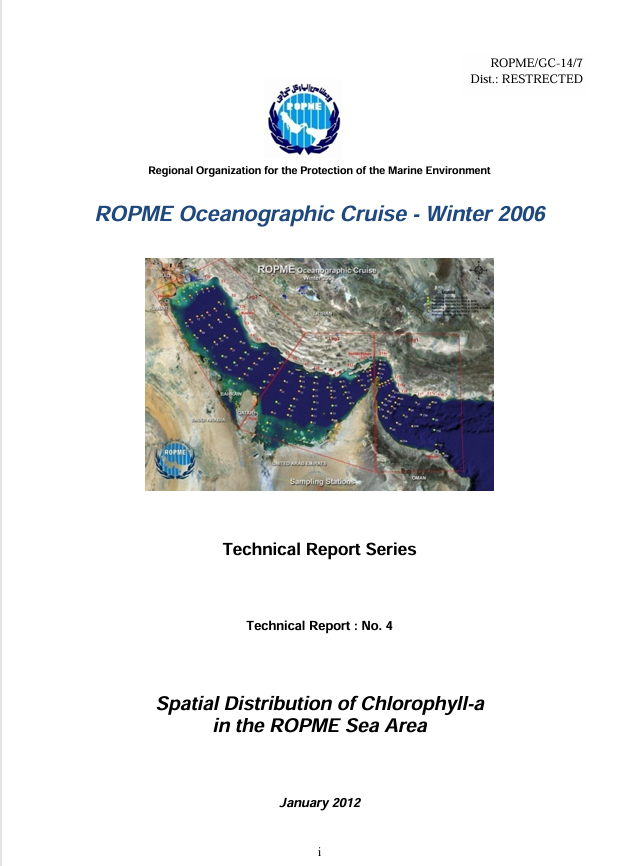
Technical Report No. (4): Spatial Distribution of Chlorophyll a in the Regional Organization for the Protection of the Marine Environment (ROPME) Sea Area

Filters
Filters
Publication Date

2013

Issue

2013

This report presents the findings of the study on the spatial distribution of Chlorophyll-a concentrations in the Regional Organization for the Protection of the Marine Environment Sea Area (ROPME Sea Area – RSA) during the winter of 2006. The study was conducted as part of the Regional Oceanographic Cruise Programme implemented by ROPME to assess the status of the marine environment and improve understanding of the dynamics of marine ecosystems across the region.

Chlorophyll-a is considered a primary biological indicator of phytoplankton biomass and the level of primary productivity in marine waters. It reflects the amount of plant growth within the marine environment and provides valuable information on:

  • Marine ecosystem productivity.
  • Food availability for marine organisms at higher trophic levels.
  • Changes in marine environmental quality.
  • The influence of physical and chemical factors on the growth and distribution of phytoplankton.

The study of Chlorophyll-a is of particular importance because it serves as a fundamental indicator for understanding marine ecosystem dynamics, identifying highly productive areas, and monitoring environmental changes associated with both natural and anthropogenic factors.

View more

ROPME Sea Area (RSA)

The ROPME Sea Area comprises the waters covered under the 1978 Kuwait Regional Convention and includes the following eight Member States:

Kingdom of Bahrain.

Islamic Republic of Iran.

Republic of Iraq.

State of Kuwait.

Sultanate of Oman.

State of Qatar.

Kingdom of Saudi Arabia.

United Arab Emirates.

The ROPME Sea Area consists of three principal regions:

• Inner ROPME Sea Area (Inner RSA)

Located west of the Strait of Hormuz, this semi-enclosed marine area is relatively shallow, with an average depth of approximately 35 meters and maximum depths reaching about 107 meters near the Strait of Hormuz. It is characterized by relatively high salinity, averaging approximately 41‰.

• Sea of Oman

This region is considerably deeper, reaching depths of several thousand meters, with an average salinity of approximately 37‰.

• Part of the Arabian Sea.

Importance of Studying Chlorophyll-a

Chlorophyll-a is a direct indicator of phytoplankton abundance, which forms the first trophic level of the marine food web. Measuring its concentrations helps to:

* Assess the biological productivity of marine waters.

* Understand the distribution of phytoplankton.

* Identify areas of high biological activity.

* Support marine biodiversity studies.

* Improve understanding of seasonal and interannual ecosystem variability.

Satellite imagery revealed clear spatial variations in Chlorophyll-a concentrations across the ROPME Sea Area. While some locations exhibited average concentrations of approximately 1 mg/m³, others exceeded 10 mg/m³, particularly within parts of the Inner RSA and the Sea of Oman.

Winter Oceanographic Cruise 2006

The Regional Organization for the Protection of the Marine Environment organized a comprehensive oceanographic cruise during the period:

1 February – 11 March 2006

aboard the Iranian research vessel M/V Ghods.

The cruise surveyed 115 marine stations covering most areas of the ROPME Sea Area.

It involved the participation of 97 experts and researchers from the Member States and addressed a wide range of marine disciplines, including physical oceanography, contaminants in marine sediments, nutrients, chlorophyll, phytoplankton, zooplankton, ichthyoplankton, as well as meiofauna and macrobenthos.

Reference samples were also preserved in the ROPME Marine Sample Bank for use in future scientific studies.

Objectives of the Study

The study focused on:

• Determining the spatial distribution of Chlorophyll-a throughout the ROPME Sea Area during winter.

• Assessing differences among various regions within the study area.

• Investigating the relationship between Chlorophyll-a concentrations and environmental factors.

• Comparing the findings with previous datasets, particularly those collected during the summer of 2001.

• Integrating field observations with satellite imagery to better understand the spatial and temporal variability of marine productivity.

Methodology

Water samples were collected between 3 February and 9 March 2006 from the following areas:

Inner ROPME Sea Area.

Sea of Oman.

The study included:

104 marine stations for measuring chlorophyll and nutrient concentrations.

Collection of samples from three water layers:

Surface layer.

Mid-water layer.

Bottom layer.

Advanced in situ instrumentation (CTD Profiler) was also used to measure:

Temperature.

Salinity.

Dissolved oxygen.

pH.

Turbidity.

Chlorophyll-related fluorescence.

Analytical Methods

The study was based on:

Laboratory Analysis

The following concentrations were measured:

Chlorophyll-a.

Phaeophytin pigments.

Measurements were carried out using the Fluorometric Method in accordance with the US EPA Standard Method 445.0.

Remote Sensing

Satellite data were analyzed from:

Aqua MODIS.

Terra MODIS.

SeaWiFS.

These data were used to produce regional maps illustrating the spatial distribution of Chlorophyll-a across the ROPME Sea Area.

Key Findings

1. Spatial Variability of Chlorophyll-a Concentrations

The results revealed significant spatial variability in the distribution of Chlorophyll-a throughout the ROPME Sea Area, primarily attributed to differences in:

Physical and chemical properties of seawater.

Ocean current circulation.

Nutrient availability.

Temperature and salinity.

Elevated Chlorophyll-a concentrations were recorded in parts of the Inner RSA and the Sea of Oman, indicating enhanced biological activity and higher primary productivity.

2. Vertical Distribution of Chlorophyll

The study demonstrated clear variations in Chlorophyll-a concentrations among different water layers:

Surface layer.

Mid-water layer.

Bottom layer.

The vertical distribution of Chlorophyll-a was closely associated with light availability, nutrient concentrations, and water movement.

3. Relationship with Nutrients and Environmental Factors

The analyses showed clear relationships between Chlorophyll-a concentrations and several environmental variables, particularly:

Nitrate.

Phosphate.

Silicate.

Temperature.

Salinity.

These factors directly influence the growth and distribution of phytoplankton.

4. Comparison Between Winter 2006 and Summer 2001

The comparison revealed pronounced seasonal differences in Chlorophyll-a distribution between the two study periods as a result of variations in:

Climatic conditions.

Water circulation.

Nutrient availability.

Marine biological processes.

The findings highlighted the importance of long-term monitoring programs for understanding seasonal and interannual changes in marine ecosystems.

Environmental Significance of the Study

The report confirmed that Chlorophyll-a measurements represent an essential tool for assessing the health of the marine environment, as they help to:

Determine the productivity of marine waters.

Monitor changes in marine ecosystems.

Improve understanding of phytoplankton dynamics.

Support environmental monitoring programmes.

Develop predictive models for biological changes in marine environments.

These studies also contribute to:

* Protecting fishery resources.

* Improving the sustainable management of marine resources.

* Enhancing the capacity to assess the impacts of environmental and climate change.

Conclusions

The report concluded that the “ROPME Sea Area (RSA)” exhibits considerable spatial variability in Chlorophyll-a concentrations due to differences in the physical, chemical, and biological characteristics of its various regions.

The study further confirmed that:

* Chlorophyll-a is a key indicator for assessing marine productivity and the condition of marine ecosystems.

* The distribution of phytoplankton is directly influenced by environmental conditions and nutrient availability.

* Integrating field observations with remote sensing techniques provides a more comprehensive understanding of marine environmental variability.

The report emphasized the importance of continuing regional oceanographic cruises, strengthening long-term marine monitoring programmes, developing comprehensive marine environmental databases, and enhancing scientific cooperation among ROPME Member States.

These efforts constitute an important foundation for supporting the protection of the marine environment and ensuring the sustainable management of natural resources throughout the Regional Organization for the Protection of the Marine Environment (ROPME) Sea Area.
  • Coastal ecotourism
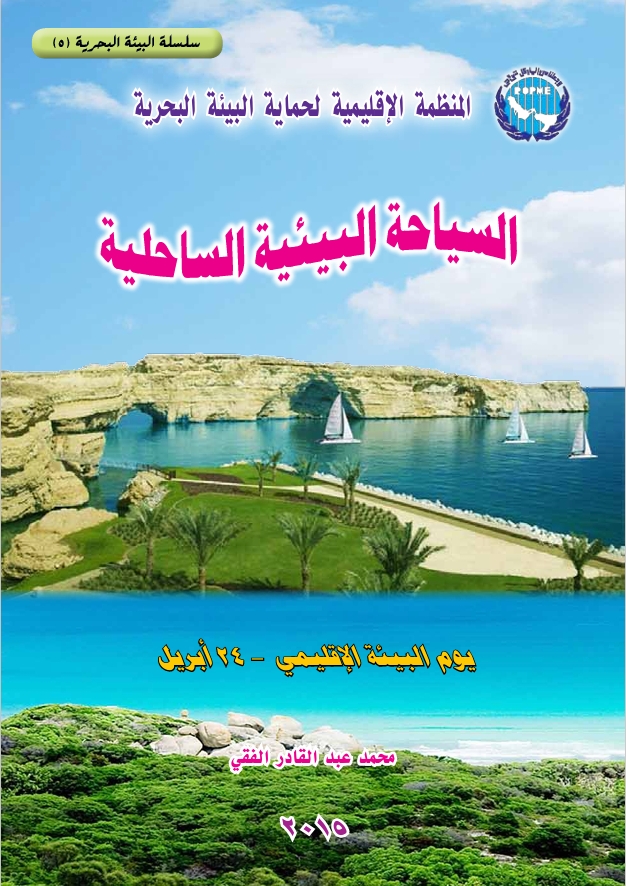
    Coastal ecotourism

    This publication This publication issued by the Regional Organization for the Protection of the Marine Environment (ROPME), as part of Marine Environment Series (5), addresses Coastal Ecotourism on the occasion of Regional Environment Day (24 April 2015). It highlights ecotourism as a key instrument for sustainable development and coastal environmental protection. The newsletter emphasizes that

  • Encroachment on beaches and its impact on the safety of the coastal environment
    Encroachment on beaches and its impact on the safety of the coastal environment

    This publication, part of the Marine Environment Series (No. 11) issued by the Regional Organization for the Protection of the Marine Environment (ROPME), addresses the issue of coastal encroachment and its impact on the integrity of the coastal environment. It highlights the ecological and economic significance of beaches as dynamic ecosystems rich in biodiversity, essential

  • Environmental Characteristics and Marine Pollution in the Marine Area of the Regional Organization for the Protection of the Marine Environment (ROPME)
    Environmental Characteristics and Marine Pollution in the Marine Area of the Regional Organization for the Protection of the Marine Environment (ROPME)

    This scientific publication examines the environmental and oceanographic characteristics of the marine area under the Regional Organization for the Protection of the Marine Environment (ROPME), highlighting the major natural resources of the region and the environmental challenges it faces, particularly marine pollution resulting from human, industrial, and oil-related activities. It also highlights regional efforts aimed

  • Green economy
    Green economy

    This publication addresses the concept of the green economy as a key modern approach in environmental and development thinking. The term emerged prominently through the United Nations Environment Programme (UNEP) in 2008 and was globally recognized as a central pillar of sustainable development, particularly during the Rio+20 Conference. A green economy is defined as an

  • Guidelines for the Preparation of National Report on the State of the Marine Environment
    Guidelines for the Preparation of National Report on the State of the Marine Environment

    The document titled “Guidelines for the Preparation of National Report on the State of the Marine Environment” (ROPME, 2007) provides a structured framework for Member States to prepare national reports that contribute to the regional State of the Marine Environment Report (SOMER). Developed in collaboration with UNEP and aligned with the GEO (Global Environment Outlook)

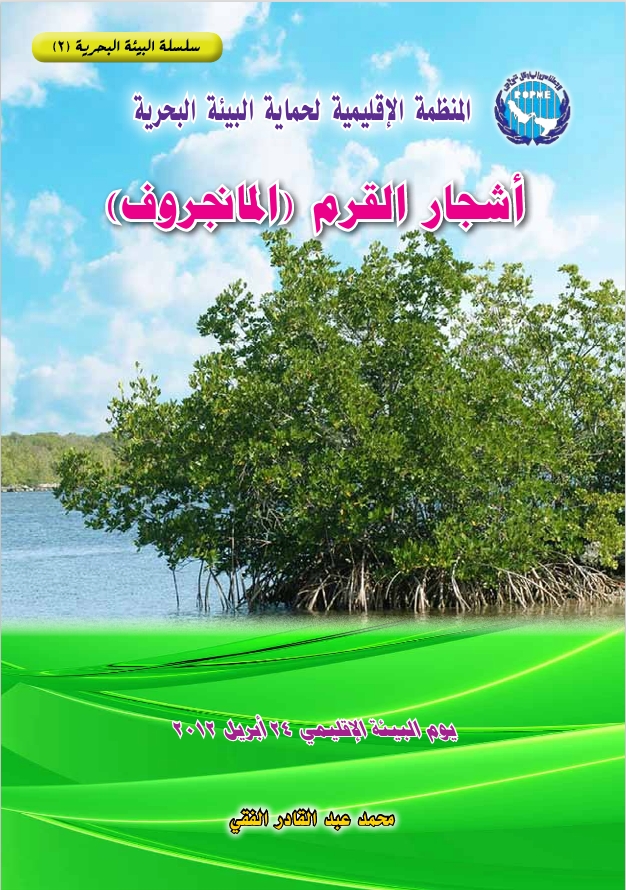
  • Mangrove Trees
    Mangrove Trees

    This special publication, issued on the occasion of Regional Environment Day (April 24, 2012), highlights the significance of mangrove trees as one of the most vital and productive coastal ecosystems. It provides a comprehensive overview of their environmental, historical, scientific, and economic importance, with particular focus on their status within the Regional Organization for the

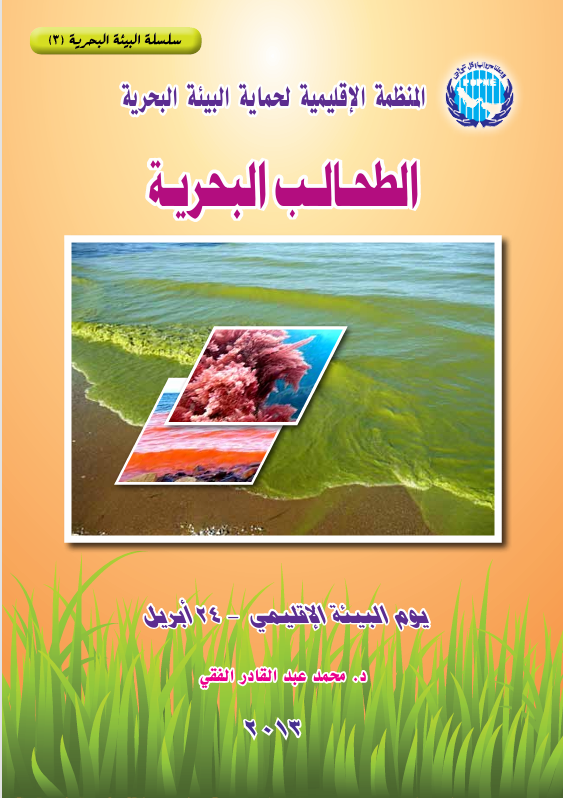
  • Marine Algae
    Marine Algae

    This publication provides a comprehensive introduction to marine algae, highlighting their biological characteristics, classification, distribution, and environmental and economic importance. It also explains their vital role in supporting fisheries and discusses the potential risks associated with the excessive proliferation of harmful algal species. The publication was issued by the Regional Organization for the Protection of

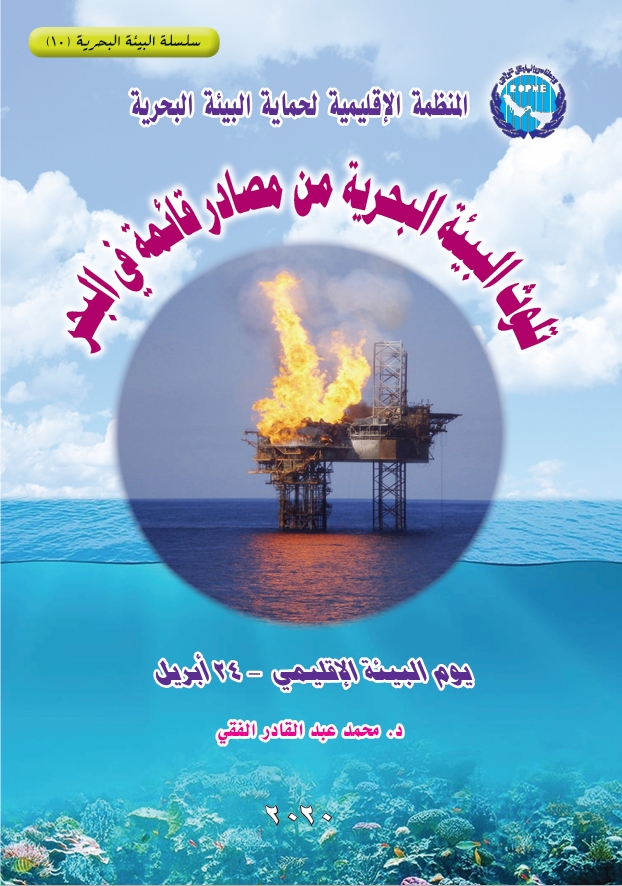
  • Marine Environment Series: Marine Pollution from Offshore (sea-based) sources
    Marine Environment Series: Marine Pollution from Offshore (sea-based) sources

    This special publication from the Marine Environment Series (2020) addresses marine pollution from offshore (sea-based) sources, focusing on the marine environment within the Regional Organization for the Protection of the Marine Environment (ROPME) area and the growing environmental challenges driven by human activities, particularly those linked to oil, shipping, and industrial development. The ROPME marine

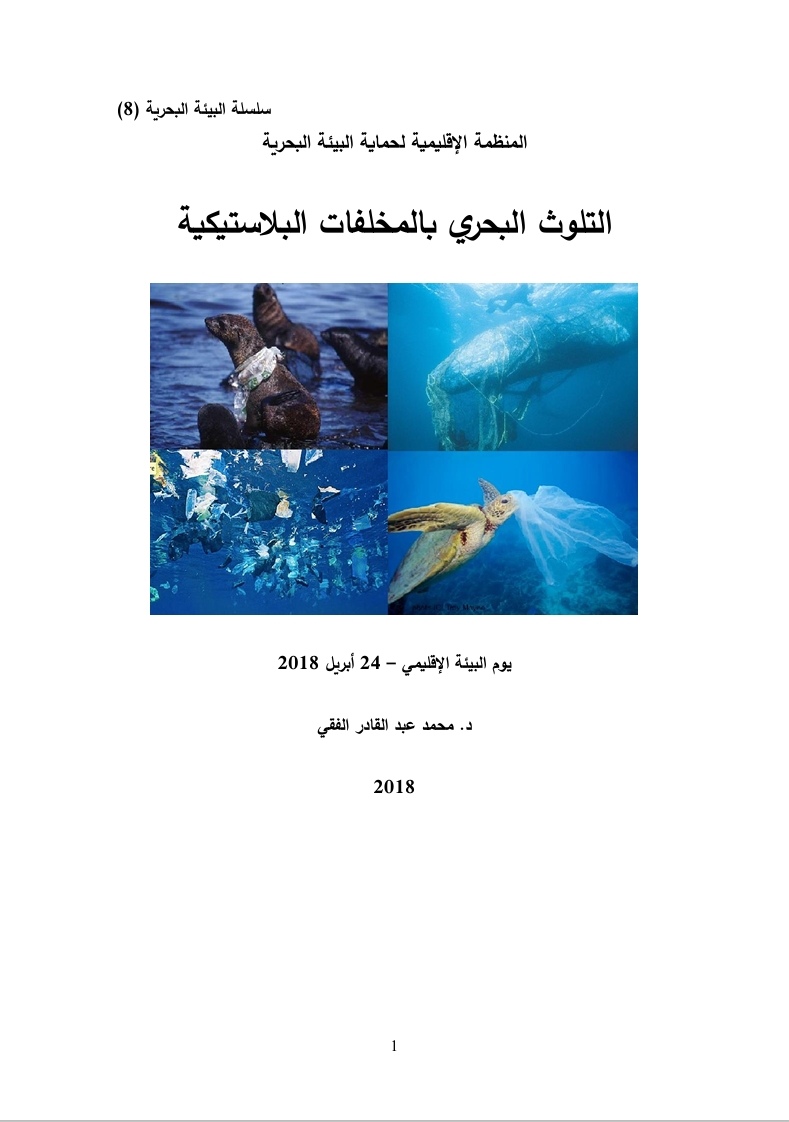
  • Marine Plastic Pollution: Challenges and Solutions in the ROPME Sea Area
    Marine Plastic Pollution: Challenges and Solutions in the ROPME Sea Area

    The eighth issue of the Marine Environment Series published by the Regional Organization for the Protection of the Marine Environment (ROPME) addresses marine pollution caused by plastic waste as one of the most critical environmental challenges facing the world’s oceans, including the ROPME Sea Area. The report emphasizes that plastic pollution is more persistent and,

  • MOOPAM (2010)
    MOOPAM (2010)

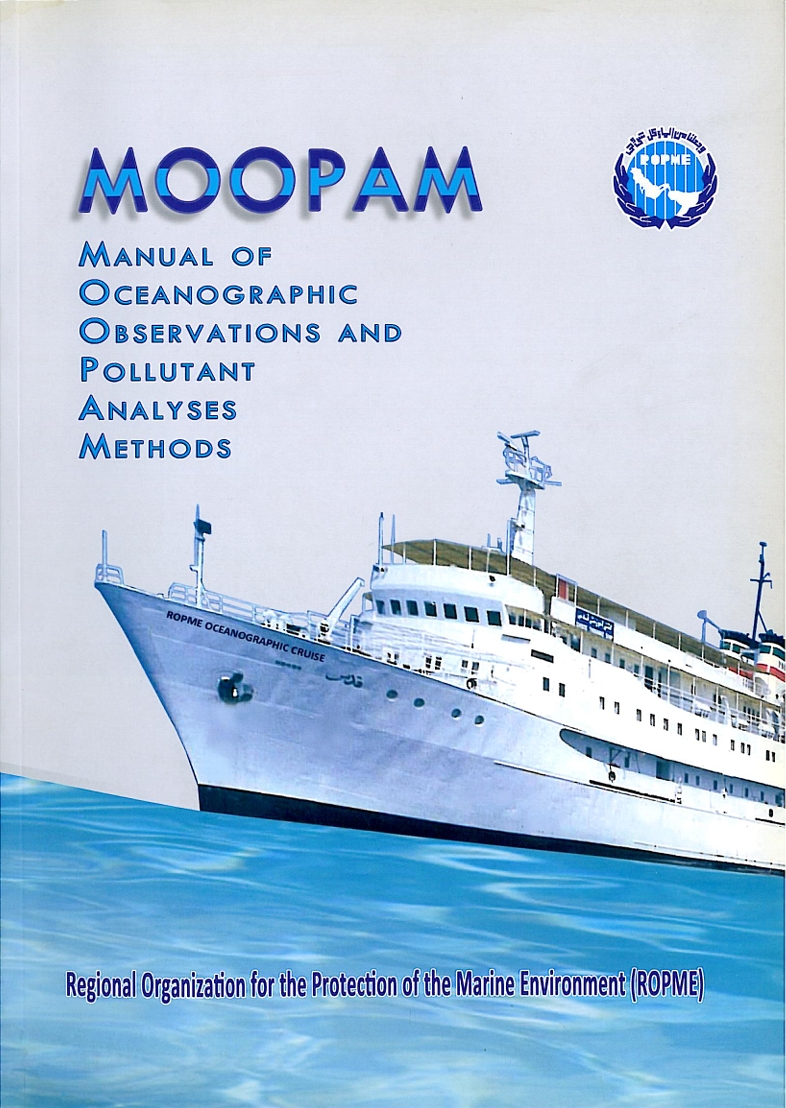
    A revised edition for the guide to the fieldsurveys, sampling and analytical methods to beused by the participating institutions forimplementation of the Monitoring and ResearchProgramme for analyses of oceanographicparameters and oil and non-oil pollutants in theROPME Sea Area. In this revised edition of MOOPAM severalconsiderations were taken into account, i.e. thedevelopment of analytical capabilities in

  • Offshore Environment of the ROPME Sea Area after the War-Related Oil Spill: Results of the 1993–94 Umitaka-Maru Cruises
    Offshore Environment of the ROPME Sea Area after the War-Related Oil Spill: Results of the 1993–94 Umitaka-Maru Cruises

    The publication “Offshore Environment of the ROPME Sea Area after the War-Related Oil Spill: Results of the 1993–94 Umitaka-Maru Cruises” presents a comprehensive scientific assessment of the marine environment in the ROPME Sea Area (RSA) following the environmental catastrophe caused by the 1990–1991 Gulf War oil spill. The RSA, bordered by eight countries (Bahrain, Iran,

  • Overview on Land-based Sources and Activities Affecting the Marine Environment in the ROPME Sea Area
    Overview on Land-based Sources and Activities Affecting the Marine Environment in the ROPME Sea Area

    A comprehensive overview of land-based sources and activities affecting the marine, coastal and associated freshwater environments in the ROPME Sea Area, including the status of activities dealing with the protection of those environments from land-based sources. This work is based on a review of the relevant information and activities of the individual countries making up

Explore More
  • Scientific Expedition of the Research Vessel (Mount Mitchell)                     February – June 1992
    Scientific Expedition of the Research Vessel (Mount Mitchell) February – June 1992

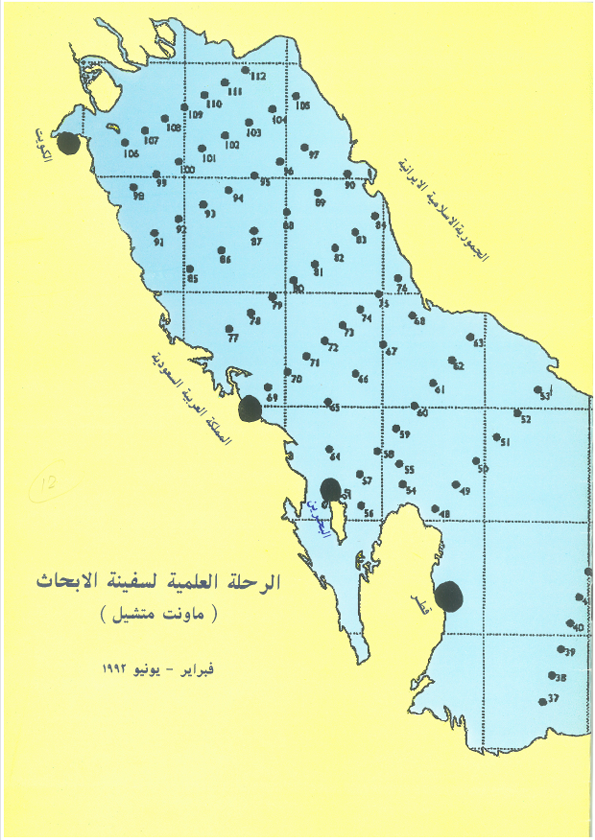
    This periodic bulletin issued by the Regional Organization for the Protection of the Marine Environment (ROPME) in January 1992 presents details of the scientific expedition of the U.S. research vessel “Mount Mitchell”, which was conducted as part of the Regional Marine Plan for the Study of the Environmental Impacts Resulting from the Gulf War. The

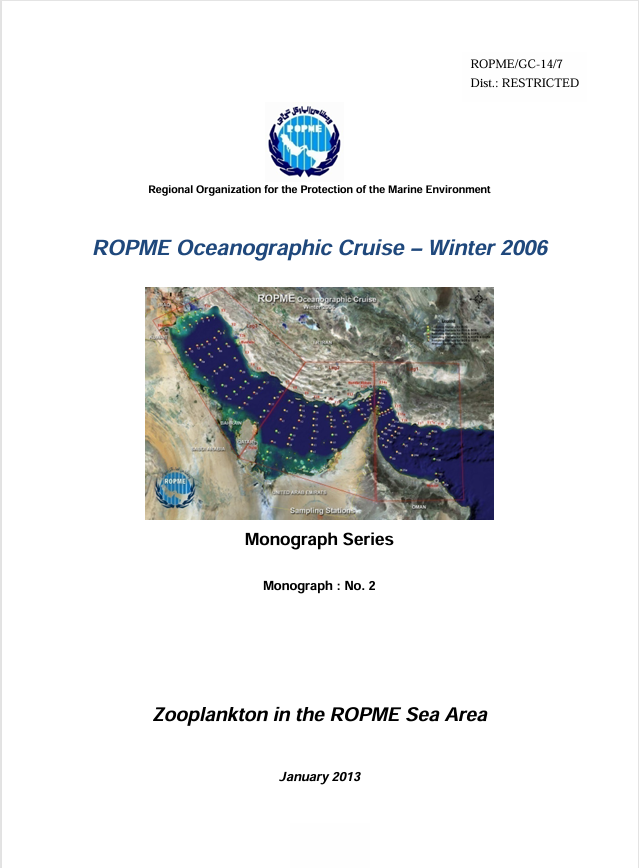
  • Scientific Monograph No. (2): Zooplankton in the ROPME Sea Area
    Scientific Monograph No. (2): Zooplankton in the ROPME Sea Area

    This scientific monograph is one of the specialized publications issued by the Regional Organization for the Protection of the Marine Environment (ROPME). It presents a comprehensive taxonomic overview of zooplankton in the ROPME Sea Area, based on samples collected during the Regional Oceanographic Cruise conducted in Winter 2006, one of the largest collaborative marine scientific

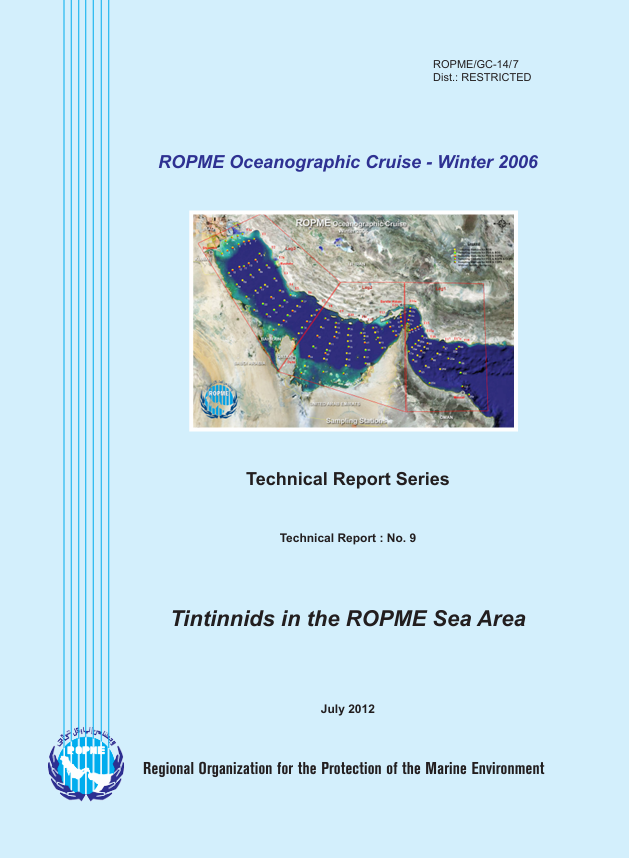
  • Technical Report: No. (9): Tintinnids in the ROPME Sea Area
    Technical Report: No. (9): Tintinnids in the ROPME Sea Area

    This report presents the findings of the study on Tintinnids in the Regional Organization for the Protection of the Marine Environment Sea Area (ROPME Sea Area – RSA), conducted during the Regional Oceanographic Cruise in the winter of 2006. The study aimed to document the taxonomic diversity and spatial distribution of these microscopic organisms and

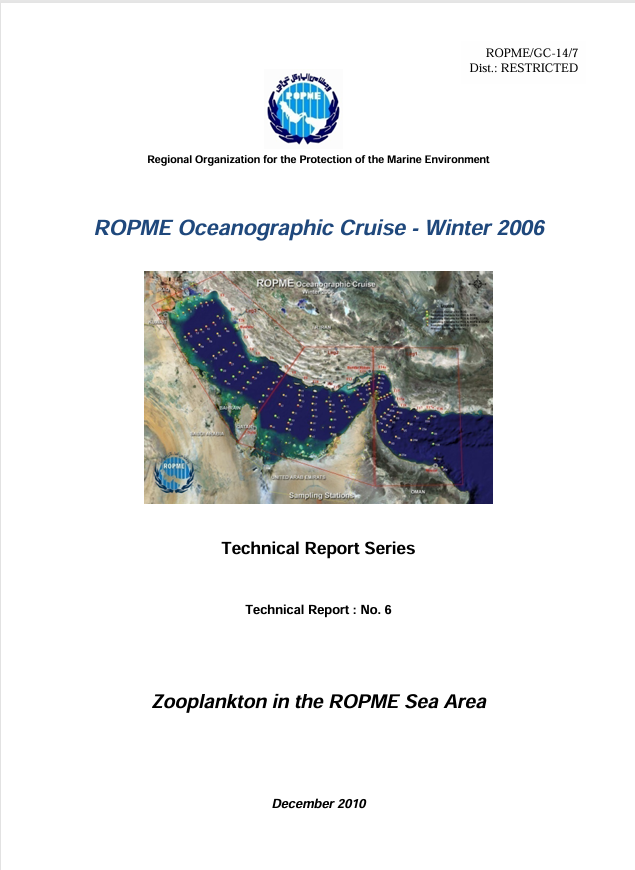
  • Technical Report: No. (6) Zooplankton in the ROPME Sea Area
    Technical Report: No. (6) Zooplankton in the ROPME Sea Area

    This report presents the findings of the study on zooplankton in the Regional Organization for the Protection of the Marine Environment Sea Area (ROPME Sea Area – RSA) during the winter of 2006. The study was conducted as part of the Regional Oceanographic Cruise Programme, which aimed to assess marine biodiversity and improve understanding of

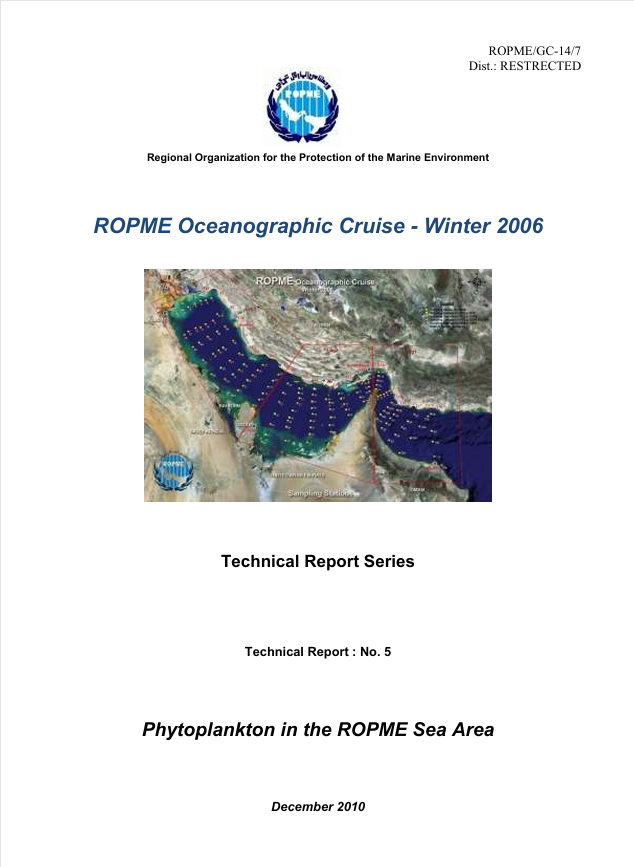
  • Technical Report No. (5):Phytoplankton in the Marine Area of the Regional Organization for the Protection of the Marine Environment (ROPME)
    Technical Report No. (5):Phytoplankton in the Marine Area of the Regional Organization for the Protection of the Marine Environment (ROPME)

    This report presents the results of a comprehensive study on phytoplankton communities in the ROPME Sea Area (RSA), conducted as part of the Regional Winter Oceanographic Cruise Programme 2006. The study aimed to assess phytoplankton biodiversity, spatial distribution, abundance, and their role in marine ecosystem dynamics. Phytoplankton are microscopic plant-like organisms inhabiting marine environments and

  • Technical Report No. (12): Phytoplankton Cysts in the ROPME Sea Area 2020
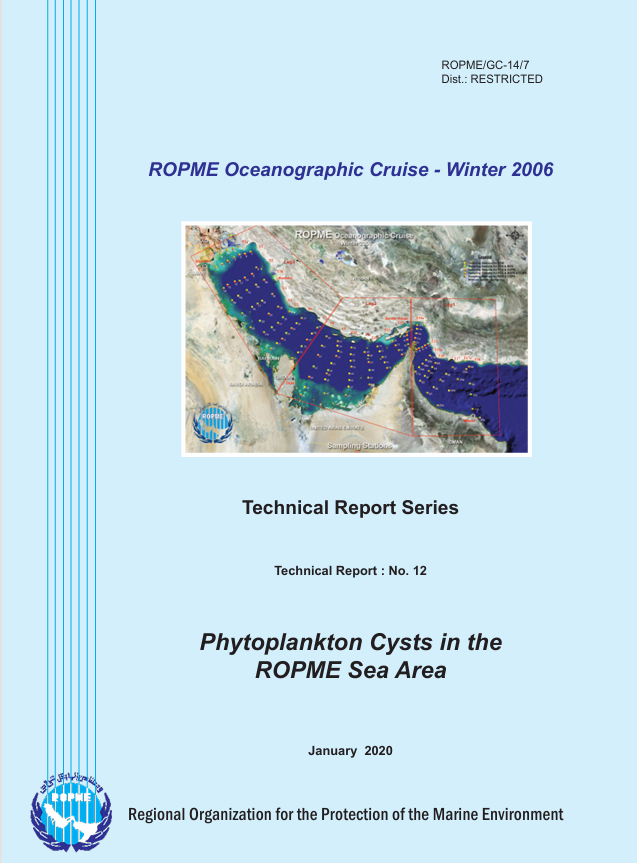
    Technical Report No. (12): Phytoplankton Cysts in the ROPME Sea Area 2020

    This report presents a comprehensive study of phytoplankton cysts in the Regional Organization for the Protection of the Marine Environment (ROPME) Sea Area, based on surface sediment samples collected during the Regional Oceanographic Cruise conducted in winter 2006. It represents the first large-scale regional investigation addressing the spatial distribution, taxonomic diversity, and abundance of phytoplankton

  • Technical Report No. (2): Physical Oceanography in the ROPME Sea Area
    Technical Report No. (2): Physical Oceanography in the ROPME Sea Area

    This report presents the findings of a comprehensive assessment of the physical characteristics of seawater in the Regional Organization for the Protection of the Marine Environment (ROPME) Sea Area, based on data collected during the Third Regional Oceanographic Cruise conducted in winter 2006. The study was undertaken to improve understanding of the physical processes governing

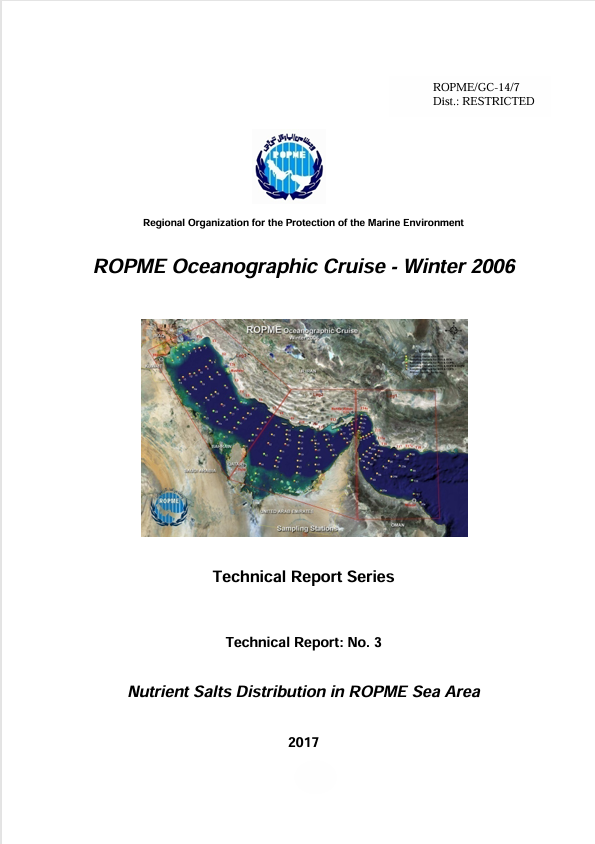
  • Technical Report No. (3): Distribution of Nutrient Salts in the ROPME Sea Area 2017
    Technical Report No. (3): Distribution of Nutrient Salts in the ROPME Sea Area 2017

    This report examines the distribution of nutrient salts in the ROPME Sea Area, based on the findings of the regional oceanographic cruises conducted during Summer 2001 and Winter 2006. The study was undertaken to assess the environmental status of the ROPME Sea Area and to enhance understanding of the natural and anthropogenic factors influencing its