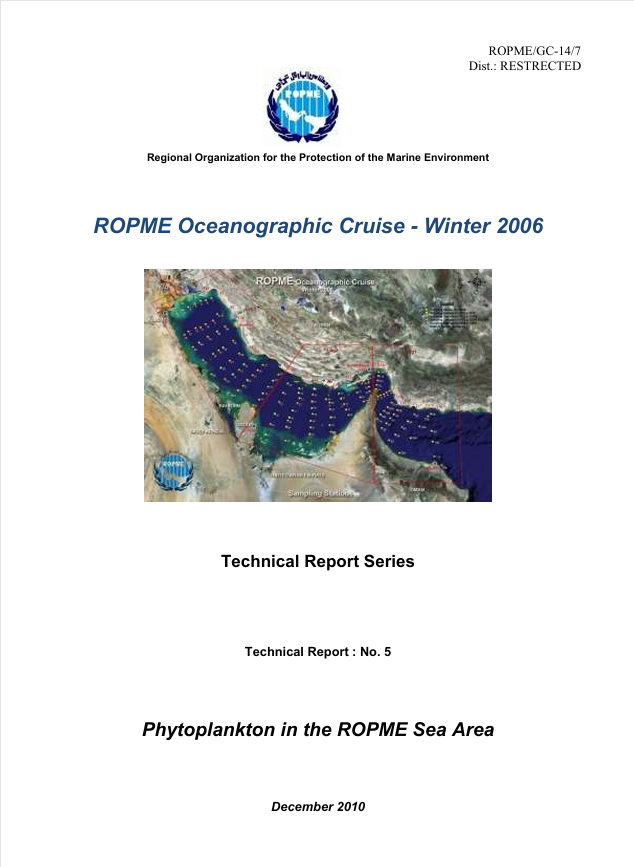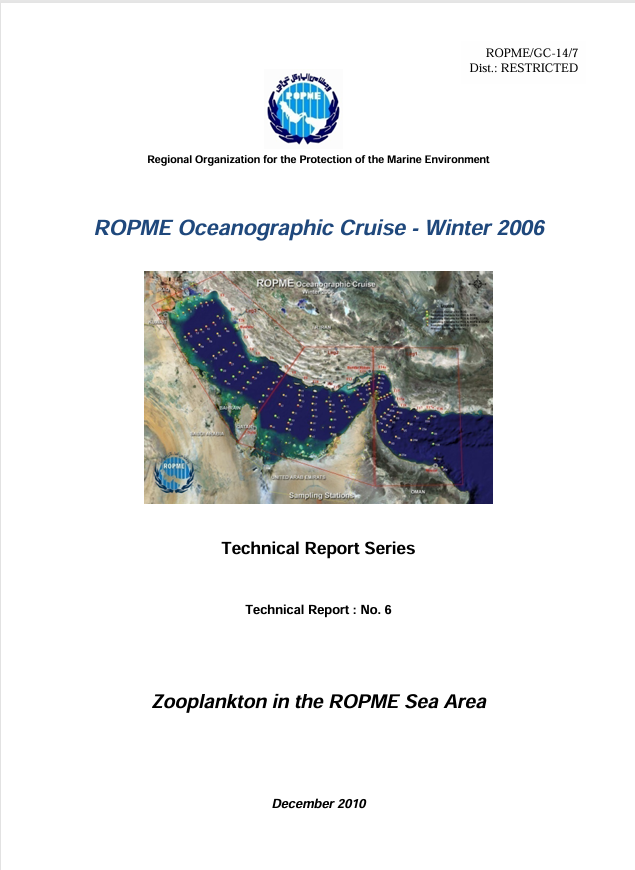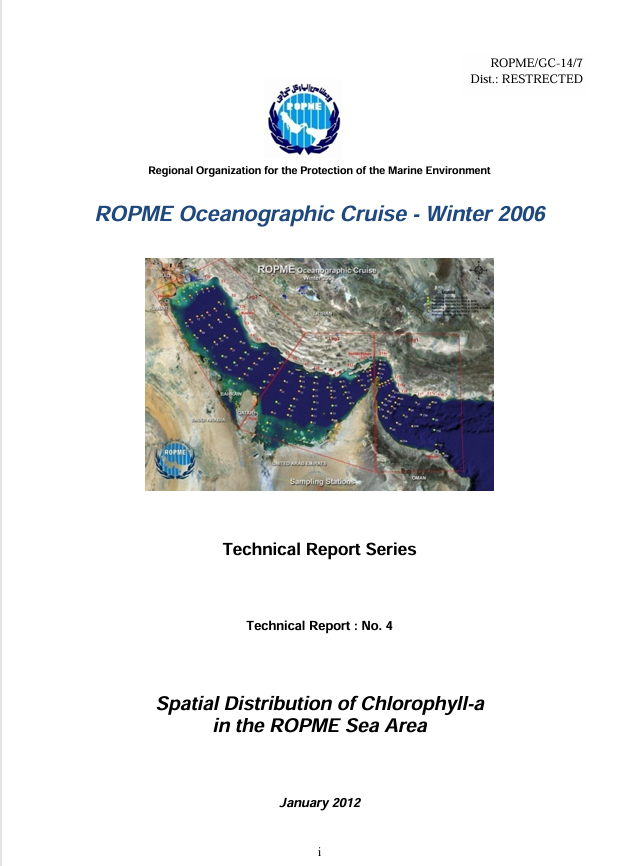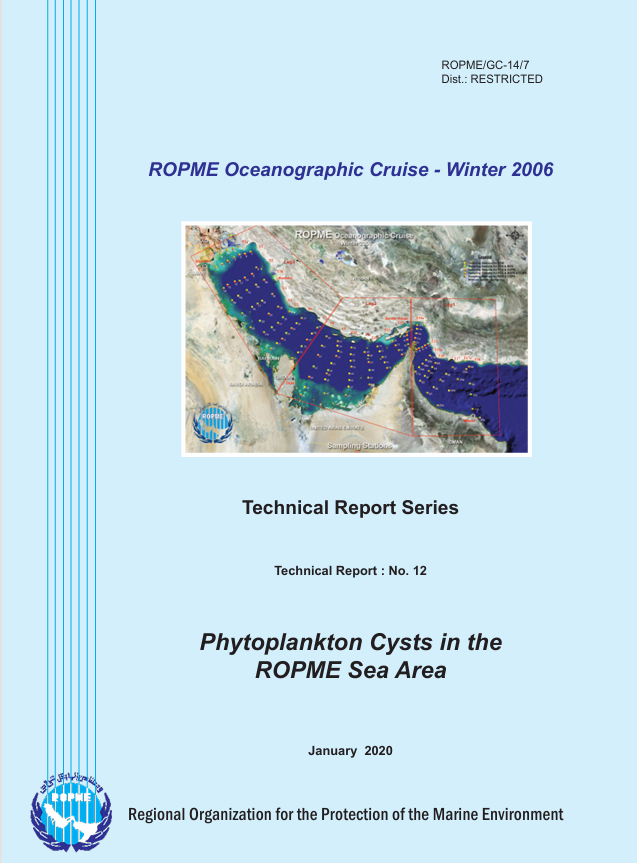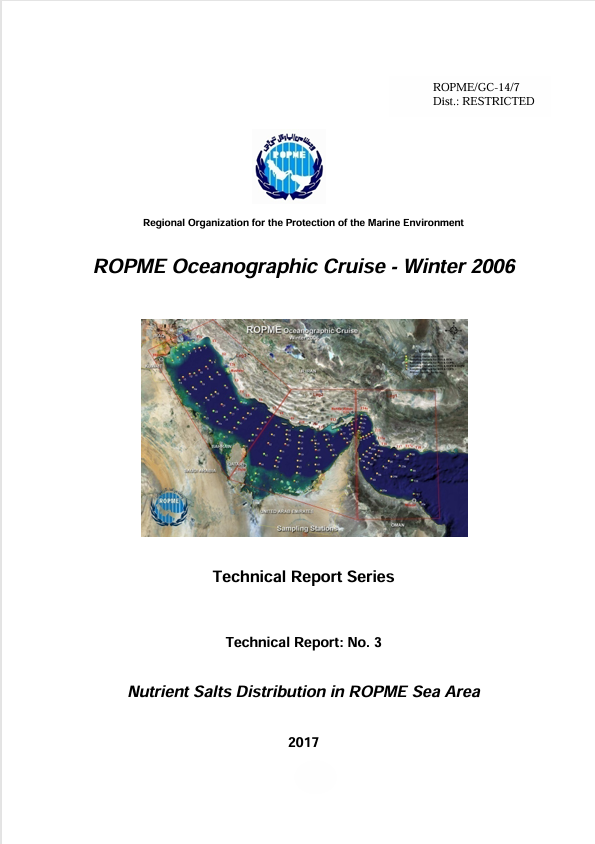


This report presents the results of a comprehensive study on phytoplankton communities in the ROPME Sea Area (RSA), conducted as part of the Regional Winter Oceanographic Cruise Programme 2006. The study aimed to assess phytoplankton biodiversity, spatial distribution, abundance, and their role in marine ecosystem dynamics.
Phytoplankton are microscopic plant-like organisms inhabiting marine environments and represent the primary producers that support marine food webs in both open waters and benthic ecosystems. Due to their short life cycles and rapid response to environmental changes, phytoplankton are considered important biological indicators for assessing water quality and the overall health of marine ecosystems.
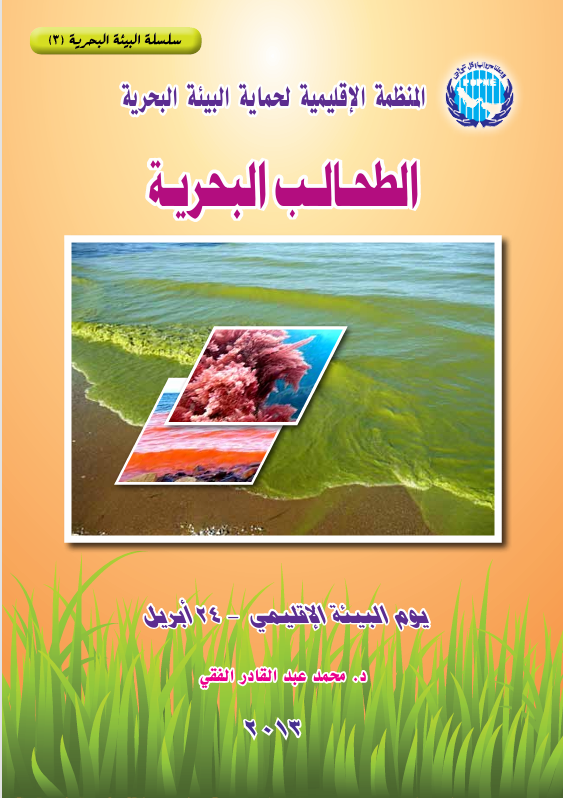
The study of phytoplankton is also of particular importance due to the association of certain species with Harmful Algal Blooms (HABs), which may cause water discoloration (red tides), mass mortality of fish and marine organisms, and the production of toxins that can accumulate through the food chain, affecting human health, fisheries, and marine-based economies.
The ROPME Sea Area, particularly Kuwaiti waters, has experienced several incidents related to red tides and harmful algal blooms. The most significant event was the mass fish mortality incident in 1999, associated with blooms of Karenia selliformis and Prorocentrum rhathymum. This event highlighted the importance of continuous monitoring programmes and studies on the distribution of HAB-causing species.
View more
Objectives of the Study
The study aimed to:
* Assess phytoplankton species diversity within the ROPME Sea Area.
* Determine the taxonomic composition and geographical distribution of phytoplankton communities.
* Investigate spatial and vertical variations in phytoplankton abundance across different water layers.
* Identify potential HAB-forming species and monitor their distribution.
* Analyze the relationship between phytoplankton abundance and the physical and chemical characteristics of seawater.
* Establish a regional database to support environmental monitoring programmes and forecasting of red tides and harmful algal blooms.
—
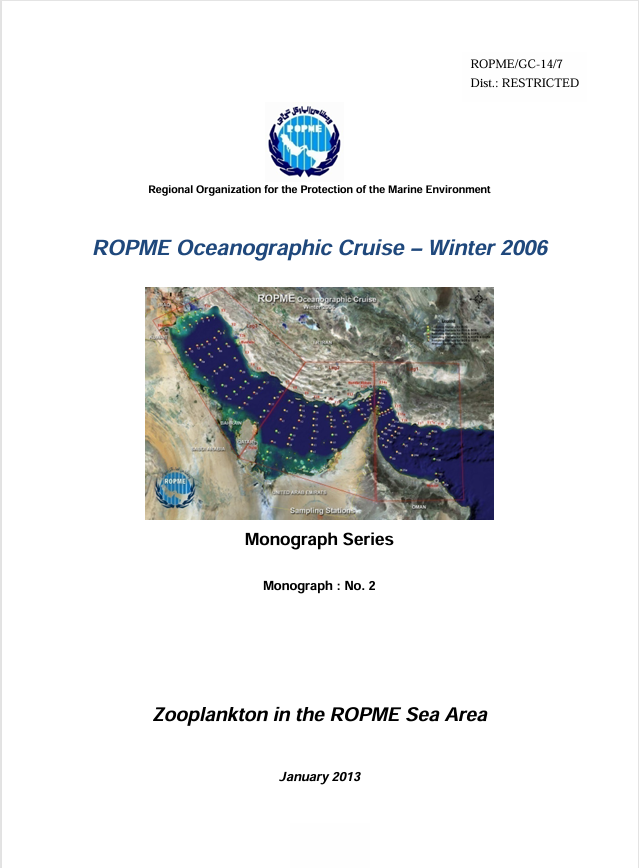
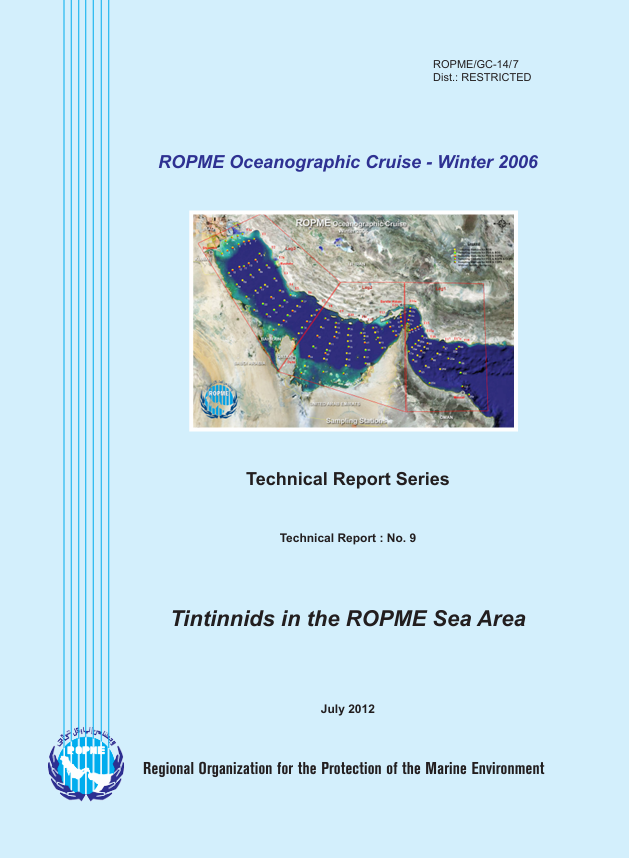
Winter 2006 Regional Oceanographic Cruise Programme
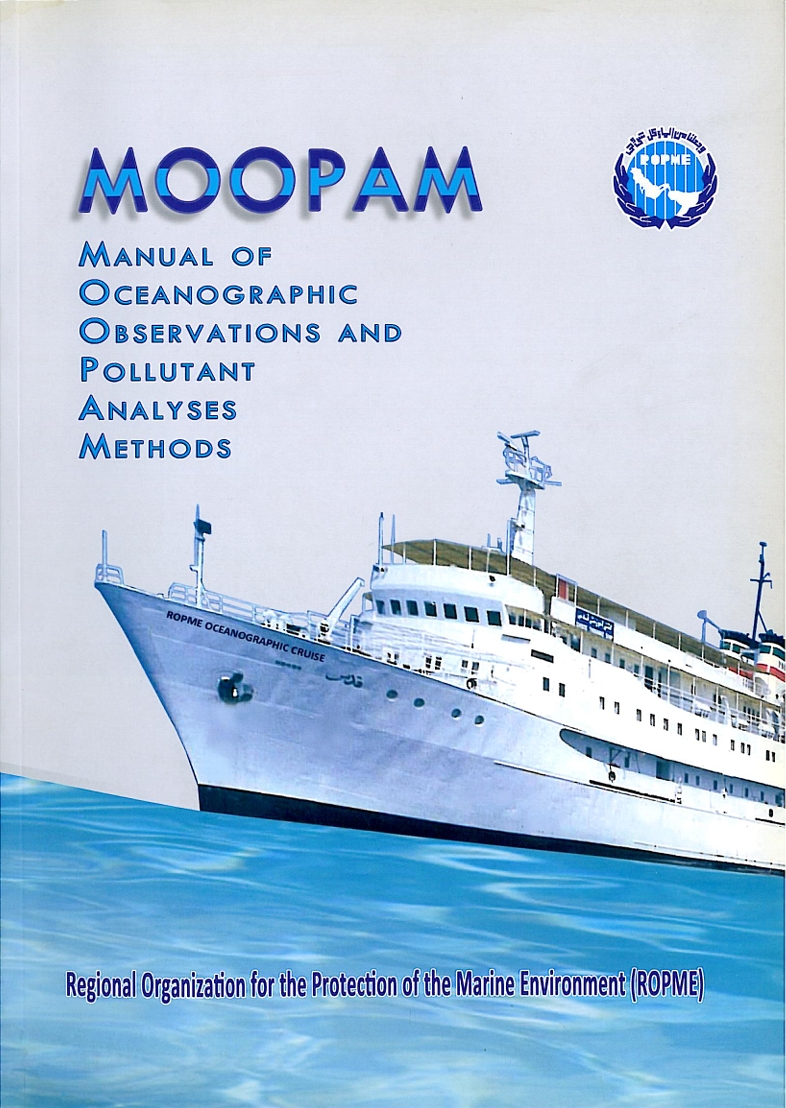
ROPME organized a comprehensive regional oceanographic cruise from 1 February to 11 March 2006 aboard the vessel M/V Ghods of the Islamic Republic of Iran.
The cruise included:
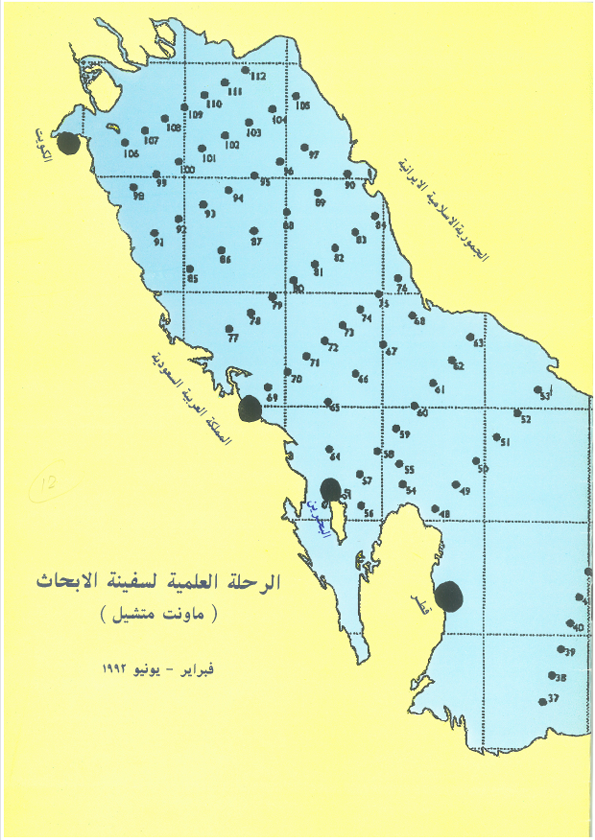
* A survey of 115 marine stations covering most areas of the ROPME Sea Area.
* Participation of 97 experts and researchers from member states.
* Investigation of various oceanographic disciplines, including:
* Physical oceanography.
* Marine sediment contaminants.
* Nutrients.
* Chlorophyll.
* Phytoplankton.
* Zooplankton.
* Ichthyoplankton.
* Meiobenthos and macrobenthos.
Collected samples were distributed among specialized regional laboratories for detailed analyses, while reference samples were preserved in the ROPME Marine Sample Bank for future research purposes.
—
Study Methodology
Phytoplankton samples were collected between February and March 2006 from different areas, including:
* The Arabian Gulf.
* The Strait of Hormuz.
* The Gulf of Oman.
Sampling included:
Quantitative Samples
A total of 191 quantitative samples were collected using Niskin bottles from three water depths:
* Surface layer.
* Intermediate layer.
* Bottom layer.
Qualitative Samples
A total of 42 qualitative samples were collected using oblique net tows.
—
Analytical Methods
Taxonomic Analysis
The identification and classification of phytoplankton species were conducted using:
* Light microscopy and phase-contrast microscopy.
* Scanning electron microscopy when required.
* Permanent slide preparation for diatom identification.
* Imaging and documentation of recorded species, resulting in more than 1,351 high-quality microscopic images.
Quantitative Analysis
The study included:
* Calculation of phytoplankton abundance and cell numbers per litre.
* Application of the Utermöhl Sedimentation Method for quantitative estimation.
Statistical Analysis
Advanced analytical programmes were used, including:
* PRIMER.
* BioDiversity Pro.
* Systat.
* SigmaPlot.
The analyses included:
* Biodiversity indices.
* Cluster analysis.
* Evaluation of relationships between phytoplankton distribution and environmental factors.
—
Major Findings
1. Phytoplankton Biodiversity
The study revealed a high level of phytoplankton diversity in the ROPME Sea Area, with:
337 taxonomic species recorded belonging to nine major groups.
The most diverse groups were:
Dinoflagellates (Dinophyceae)
184 species recorded.
Represented the most diverse phytoplankton group.
* Included important genera such as:
*Ceratium.
*Protoperidinium.
*Gymnodinium.
*Gonyaulax.
*Dinophysis.
*Prorocentrum.
Diatoms (Bacillariophyceae)
*141 species recorded.
* Included both centric and pennate diatoms.
* Major genera included:
*Chaetoceros.
*Rhizosolenia.
*Coscinodiscus.
*Nitzschia.
*Pseudo-nitzschia.
Other recorded groups included:
* Cyanobacteria.
* Silicoflagellates.
* Cryptophytes.
* Prymnesiophytes.
* Euglenoids.
—
2. Spatial Distribution of Phytoplankton**
The results showed clear differences in:
* Phytoplankton abundance.
* Community composition.
* Species diversity.
These variations among different areas of the ROPME Sea Area were attributed to differences in:
* Hydrological conditions.
* Marine current circulation.
* Nutrient availability.
* Physical and chemical properties of seawater.
Differences were also observed between various water layers, with changes in species abundance from surface waters to intermediate and bottom layers.
—
3. Species Associated with Harmful Algal Blooms (HABs)
The report identified several species capable of forming harmful algal blooms, including:
*Alexandrium spp.
*Gymnodinium spp.
*Dinophysis spp.
*Pseudo-nitzschia spp.
*Karenia brevis.
*Prorocentrum spp.
*Gonyaulax spp.
The importance of these species is related to their ability to:
* Produce toxins affecting humans and marine organisms.
* Cause fish mortality events.
* Impact fisheries and aquaculture activities.
The report emphasized that the presence of these species highlights the need for continued early-warning monitoring programmes to reduce environmental and health risks.
—
4. Dominant Species
The study showed that some species were widely distributed across most sampling stations, including:
*Gyrodinium fusiforme.
*Teleaulax sp.
*Pleurosigma spp.
*Thalassionema nitzschioides.
*Pseudo-nitzschia spp.
Meanwhile, a large proportion of recorded species were rare or had limited distribution, reflecting the high biodiversity and environmental variability of the region.
—
Environmental Significance of the Study
The report confirmed that phytoplankton studies are essential for understanding marine ecosystem health, as they provide valuable information on:
* Marine primary productivity.
* Changes in marine environmental quality.
* The influence of environmental factors on marine communities.
* Prediction of harmful algal blooms before their occurrence.
Such studies support:
* Protection of fisheries resources.
* Development of early-warning systems.
* Reduction of health and economic risks.
* Promotion of sustainable marine resource management.
—
Conclusions
The report concluded that the ROPME Sea Area is characterized by rich phytoplankton diversity, with 337 taxonomic species recorded, dominated mainly by dinoflagellates and diatoms.
The findings confirmed that phytoplankton distribution is strongly influenced by environmental and hydrological factors, and that some recorded species have the potential to form harmful algal blooms with significant ecological and economic impacts.
The report emphasized the importance of:
* Continuing regional oceanographic cruises.
* Strengthening long-term environmental monitoring programmes.
* Updating phytoplankton databases.
* Enhancing scientific cooperation among ROPME member states.
These efforts represent an essential foundation for understanding marine environmental changes, protecting biodiversity, and ensuring sustainable management of the marine environment in the region.