

The Biennial Report (2003–2005) of the Marine Emergency Mutual Aid Centre (MEMAC)—the operational arm of the Regional Organization for the Protection of the Marine Environment (ROPME)—highlights the Center’s achievements, activities, and strategic role in protecting the marine environment in the ROPME Sea Area.
MEMAC operates under the Kuwait Regional Convention (1978) and aims to strengthen regional cooperation in combating marine pollution, particularly oil spills. Its core objectives include developing contingency plans, enhancing preparedness, facilitating information exchange, and building technical and human capacities across Member States: Bahrain, Iran, Iraq, Kuwait, Oman, Qatar, Saudi Arabia, and the UAE.
During the reporting period, MEMAC implemented a wide range of projects and initiatives, including:
- Development of Damage Assessment Guidelines for marine ecosystems such as coral reefs, mangroves, and coastal habitats.
- Promotion of international agreements like the OPRC 1990 Convention and its HNS Protocol to strengthen oil spill preparedness and response.
- Advancements in oil spill trajectory modelling (e.g., OASIS model) for accurate prediction and response planning.
- Efforts to implement MARPOL 73/78, including reception facilities and the designation of the ROPME Sea Area as a “Special Area” with strict discharge regulations.
- Establishment of Marine Environmental High Risk Areas (MEHRAs) using GIS-based tools for risk assessment and environmental sensitivity mapping.
- Development of safety programs for hazardous and chemical spill response.
- Regional cooperation in Port State Control (PSC) and creation of environmental databases.
- Survey of shipwrecks in sensitive areas to assess pollution risks.
MEMAC also emphasized training and capacity building, organizing multiple courses and workshops aligned with IMO standards for operators, supervisors, and decision-makers. Between 2003 and 2005, ten training programs were conducted, covering oil spill response, chemical hazards, shoreline cleanup, and damage assessment.
In terms of emergency response, MEMAC followed a structured process involving incident verification, data collection, communication with Member States, and deployment of resources. Several oil spill incidents occurred during this period, but their number declined compared to previous years due to improved preparedness and coordination. Notable incidents included tanker collisions, offshore leaks, and illegal discharges, all managed through regional cooperation.
The report highlights the importance of regional drills and exercises, such as the large-scale contingency exercise conducted in Oman (2005), which tested response capabilities and coordination among stakeholders.
Strategically, MEMAC relies on the implementation of international and regional conventions, continuous monitoring, and the active role of Oil Spill Response Officers (OSROs) in updating contingency plans and enhancing preparedness.
MEMAC also maintained strong engagement in regional and international events, collaborating with organizations such as IMO, UNEP, ITOPF, and others to exchange expertise and promote best practices.
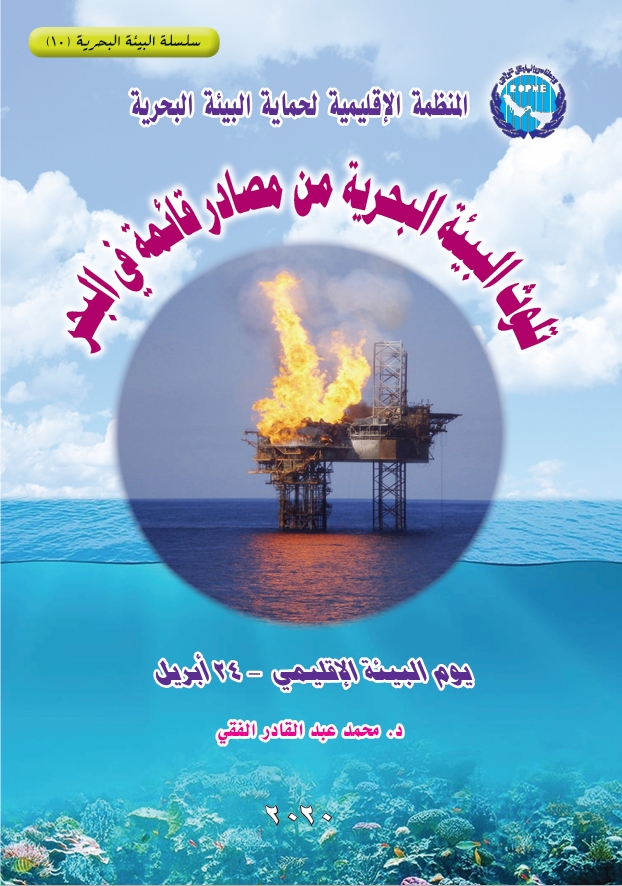
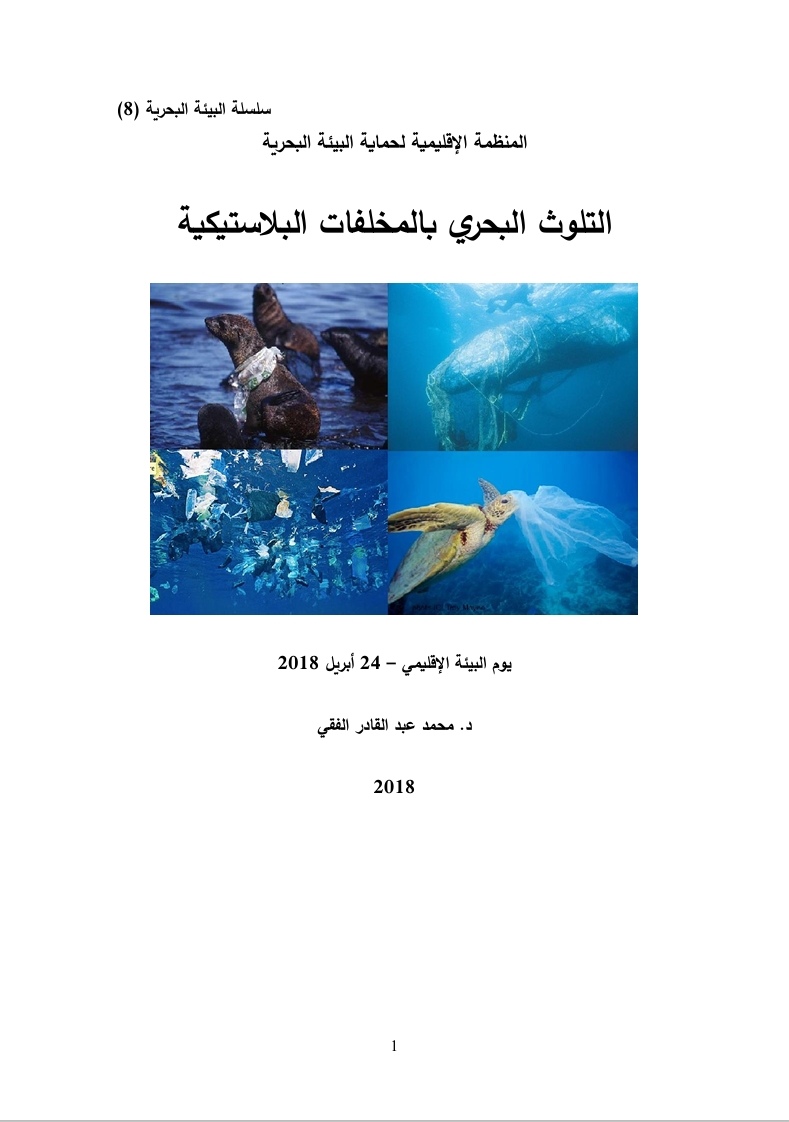
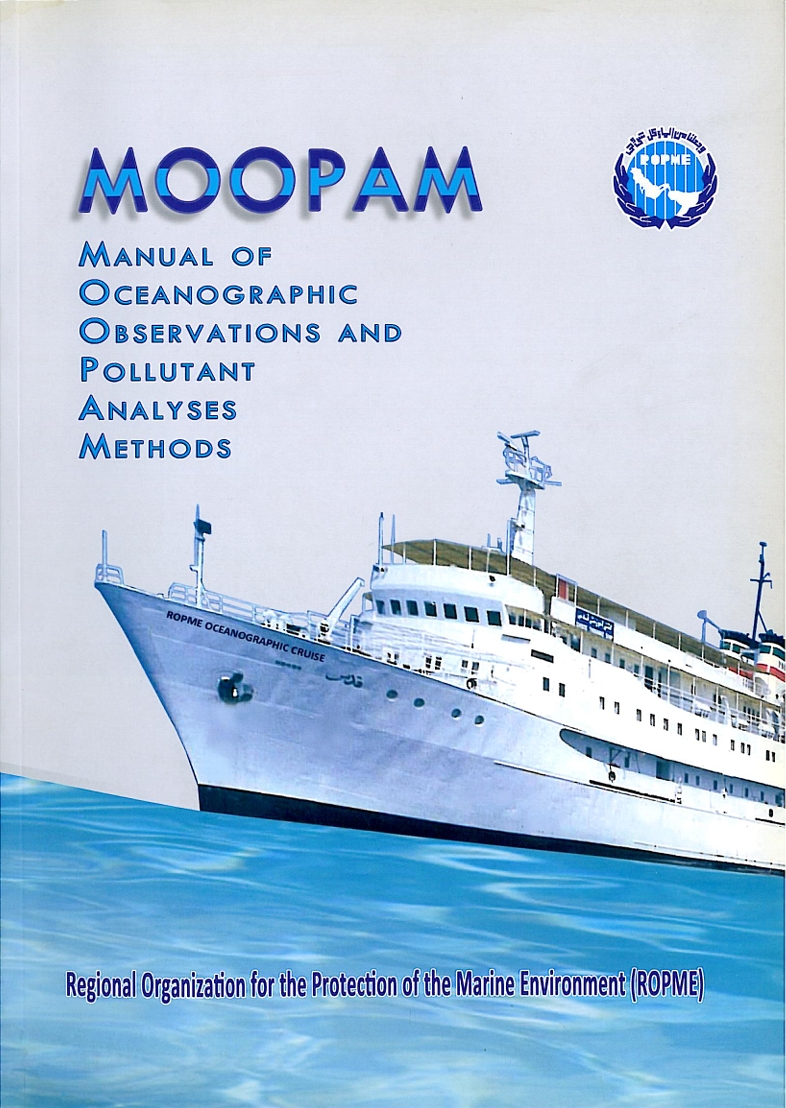
Finally, the report underscores MEMAC’s role in producing specialized publications and technical guidelines to support Member States in meeting environmental obligations and improving marine protection standards.