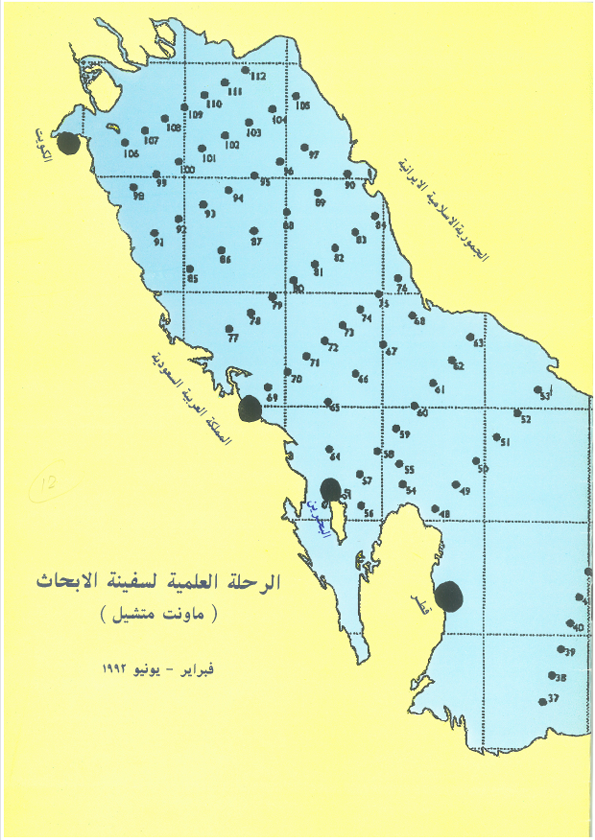


This periodic bulletin issued by the Regional Organization for the Protection of the Marine Environment (ROPME) in January 1992 presents details of the scientific expedition of the U.S. research vessel “Mount Mitchell”, which was conducted as part of the Regional Marine Plan for the Study of the Environmental Impacts Resulting from the Gulf War.
The expedition was carried out through cooperation between the Regional Organization for the Protection of the Marine Environment, the Intergovernmental Oceanographic Commission (IOC), the United Nations Environment Programme (UNEP), and several international scientific institutions, with the aim of assessing the environmental damage affecting the marine environment within the ROPME Sea Area following the war.
This expedition represented one of the largest oceanographic research programmes conducted in the region, aiming to collect comprehensive scientific data on the status of the marine environment, sources of pollution, and their impacts on marine ecosystems, organisms, and economic resources.
—
Objectives of the Scientific Expedition
The mission of the “Mount Mitchell” research vessel focused on conducting a comprehensive survey of the environmental and oceanographic characteristics of the marine area, with particular emphasis on regions most affected by oil-related and war activities, especially the impacted coastal areas of the Kingdom of Saudi Arabia.
The main objectives of the expedition included:
* Conducting a comprehensive survey of the physical characteristics of marine waters.
* Studying marine current patterns and their role in transporting and dispersing pollutants, particularly in the Strait of Hormuz, the northwestern coast, the central marine area, the northeastern region, and Salwa Bay.
* Investigating bottom sediments and assessing the extent of their contamination by petroleum hydrocarbons.
* Evaluating the biological degradation processes of hydrocarbons in the benthic environment.
* Studying seagrass areas, particularly north of Abu Ali in Saudi Arabia and selected areas in the United Arab Emirates, to determine pollution levels and their ecological impacts.
* Collecting water column samples for future scientific analyses.
* Assessing the condition of coral reefs and their exposure to pollution.
* Collecting samples of economically and commercially important marine organisms, including shrimp, fish, and molluscs.
View more
Regional Plan for Studying the Impacts of the Gulf War on the Marine Environment
The expedition was part of an integrated plan developed by the Regional Organization for the Protection of the Marine Environment in cooperation with relevant international organizations, with the objective of assessing the environmental impacts resulting from the Gulf War, particularly oil pollution that affected coastal and marine ecosystems.
The plan consisted of several phases and research programmes, including an intensive oceanographic programme supported by the U.S. National Oceanic and Atmospheric Administration (NOAA), which provided the research vessel “Mount Mitchell” to conduct field studies.
—
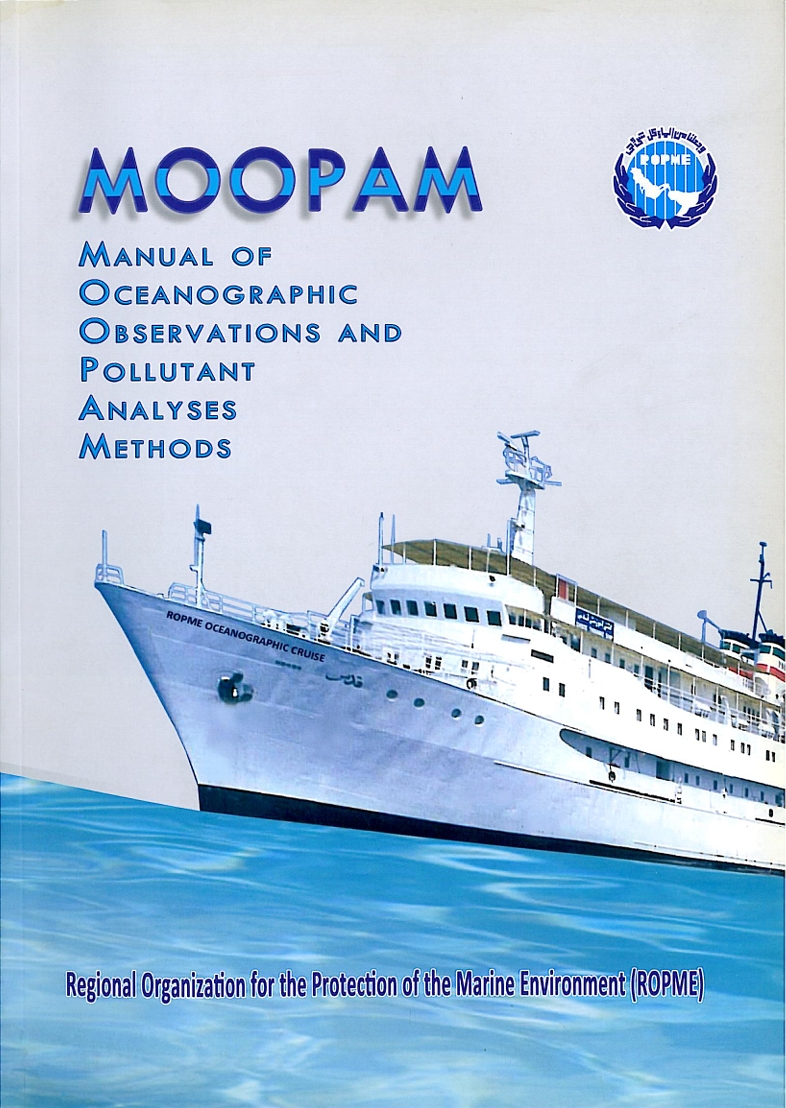
The Research Vessel Mount Mitchell
The “Mount Mitchell” was a specialized research vessel designed for oceanographic studies, fisheries research, marine surveys, and nautical charting.
Its main specifications included:
* Length: 231 feet.
* Cruising speed: 13 knots.
* Equipped with four auxiliary boats, each 29 feet long, for coastal and nearshore studies.
* Capacity to accommodate approximately 22 scientists and researchers onboard.
The vessel departed from the United States on 19 January 1992, heading towards the ROPME Sea Area. Its voyage included visits to several ports in the region, including Jeddah, Muscat, Al Jubail, Manama, Shuwaikh, Doha, and Port Zayed in Abu Dhabi.
—
Role of Satellites and the Space Shuttle Atlantis
The second phase of the expedition coincided with the passage of the Space Shuttle Atlantis over the marine area during the last week of March 1992. The shuttle provided high-resolution aerial images of the inner waters of the region.
These images supported field studies and improved the interpretation of data and results collected by the research vessel, particularly regarding pollutant distribution and the environmental characteristics of the marine area.
—
Scientific Expedition Schedule
The scientific expedition lasted approximately 100 days and was divided into six main research phases:
*1- Phase One (21 February – 6 March 1992):
Physical studies of seawater and the marine environment.
*2- Phase Two (11 March – 1 April 1992):
Biochemical studies of coastal and nearshore waters.
*3- Phase Three (8 – 15 April 1992):
Continuation of physical studies.
*4- Phase Four (18 – 28 April 1992):
Study of the impact of pollution on biological life and fisheries.
*5- Phase Five (2 – 10 May 1992):
Study of the effects of pollution on fish and coral reefs.
*6- Phase Six (14 – 27 May 1992):
Additional physical studies to complete the assessment of the marine environmental conditions.
—
Expedition Participants
Approximately 129 scientists and researchers from various countries around the world, in addition to scientists from ROPME member states, participated in this scientific mission.
The participants were divided into specialized teams covering:
* Physical studies of seawater and marine currents.
* Biochemical studies of coastal environments.
* Assessment of pollution impacts on marine organisms and fisheries.
* Investigation of pollutant effects on coral reefs and sensitive ecosystems.
The scientific teams were supervised by a number of international experts, including scientists from the United States and countries of the region, to ensure that the studies were conducted according to accurate scientific methodologies.
—
Associated Activities and Scientific Communication
The ports of the regional countries made special arrangements to receive the research vessel, including organizing open days for environmental specialists and university students. These activities aimed to introduce visitors to the vessel’s equipment, research programmes, and participating scientists.
ROPME also committed to issuing periodic bulletins to provide updates on the scientific expedition and its findings, as it represented the first large-scale marine research mission of its kind in the region.
—
Significance of the Scientific Expedition
The “Mount Mitchell expedition in 1992” represents a significant milestone in the history of regional marine research. It provided an important scientific database on the condition of the marine environment following the Gulf War and contributed to a better understanding of the distribution of oil pollutants and their impacts on coastal and marine ecosystems.
The findings of the expedition also contributed to strengthening regional environmental monitoring programmes, supporting ROPME’s efforts to develop sustainable marine resource management strategies, and enhancing scientific cooperation among countries of the region and international organizations concerned with marine environmental protection.