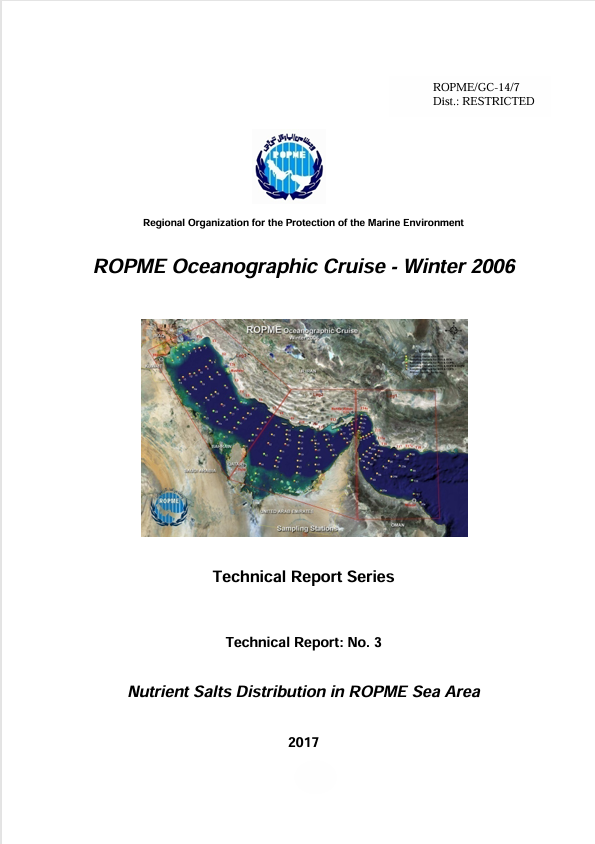


This report presents the findings of a comprehensive assessment of the physical characteristics of seawater in the Regional Organization for the Protection of the Marine Environment (ROPME) Sea Area, based on data collected during the Third Regional Oceanographic Cruise conducted in winter 2006. The study was undertaken to improve understanding of the physical processes governing water circulation and hydrographic conditions across the region, while providing a scientific foundation to support marine environmental management and the sustainable conservation of marine resources.
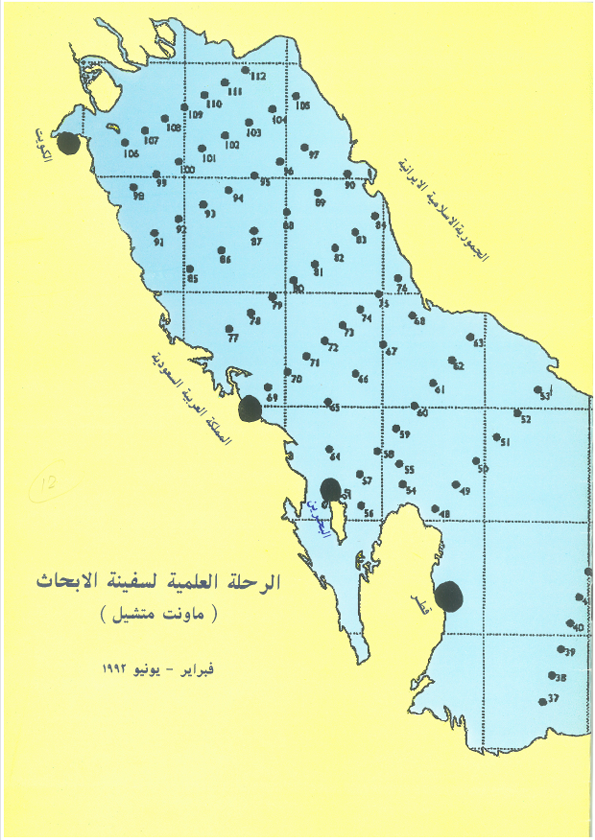
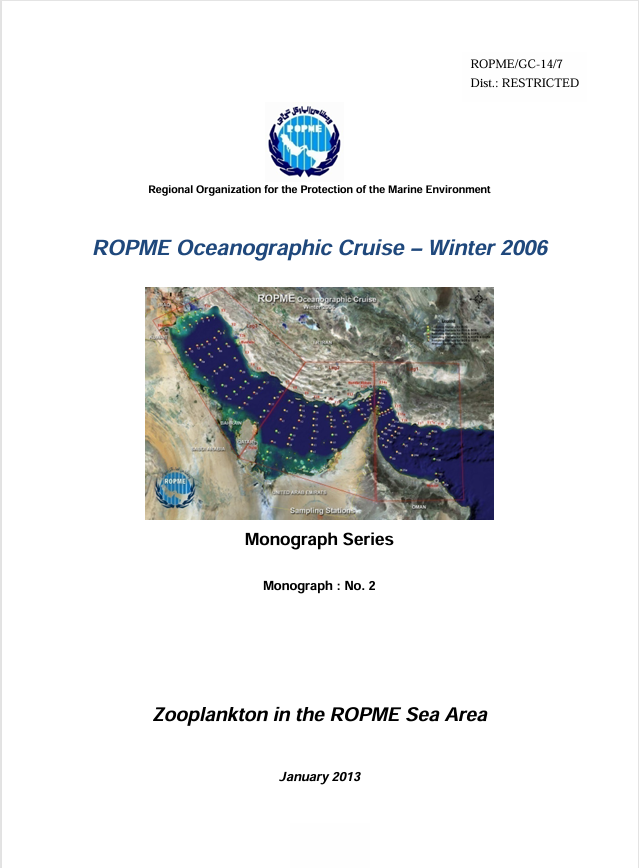
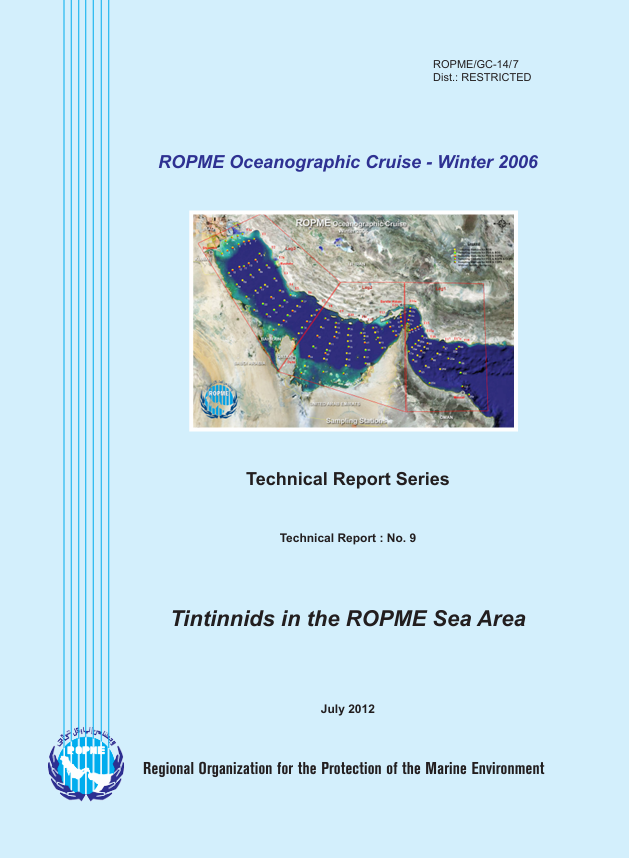
The investigation focused on the principal physical properties of seawater, including temperature, salinity, and density, together with their vertical and horizontal distributions. It also examined water mass circulation, water exchange between the Arabian Gulf and the Gulf of Oman through the Strait of Hormuz, and the influence of atmospheric conditions, river discharge, and evaporation on the hydrographic characteristics of the region. The survey covered 115 monitoring stations distributed throughout the ROPME Sea Area during three field phases extending from the Sultanate of Oman through Iran and Qatar to the State of Kuwait.
Study Objectives
The study aimed to:
* Characterize the physical properties of seawater across the ROPME Sea Area during winter 2006.
* Examine the horizontal and vertical distribution of temperature, salinity, and density.
* Analyze water mass circulation and the mechanisms of water exchange through the Strait of Hormuz.
* Assess the influence of meteorological conditions, river inflow, and evaporation on the physical properties of seawater.
* Provide baseline scientific data to support environmental monitoring programmes and future marine research within the ROPME Sea Area.
Methodology
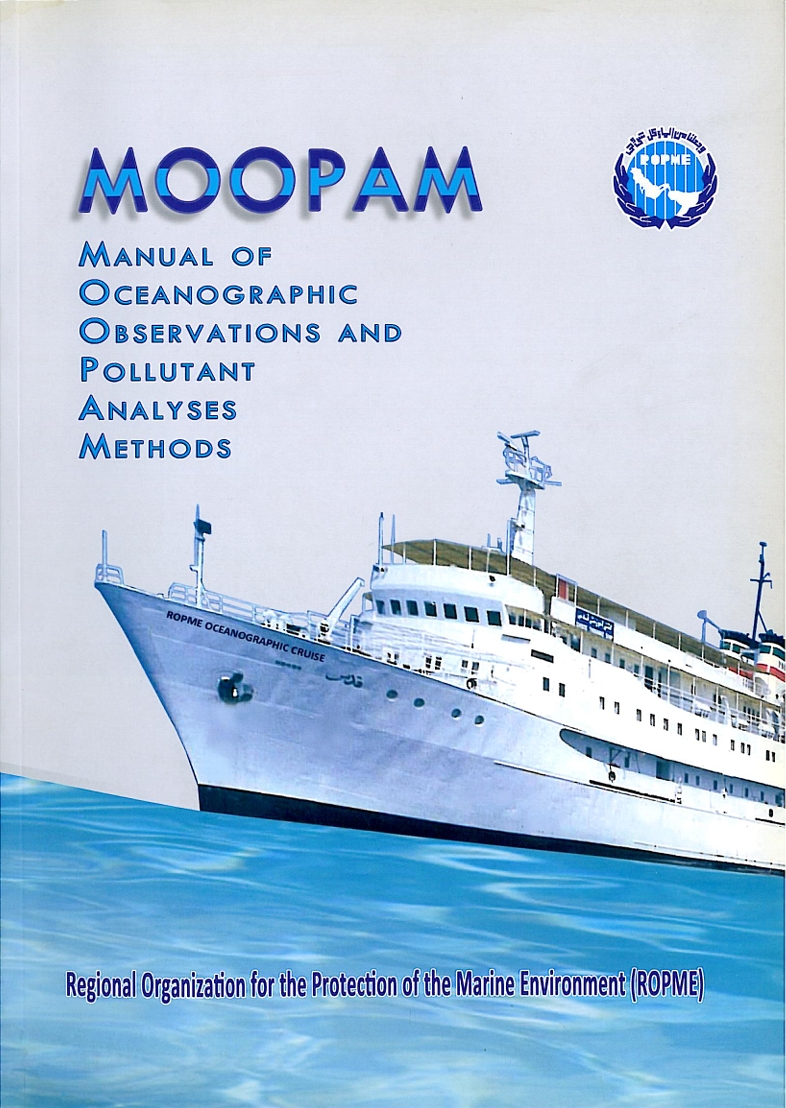
The study was based on an extensive field survey conducted aboard the research vessel M/V Ghods between February and March 2006. Three survey legs covered both the Arabian Gulf and the Gulf of Oman, encompassing 115 sampling stations arranged along 22 transects.
An automatic weather station was used to record meteorological parameters, while a CTD (Conductivity–Temperature–Depth) profiler equipped with multiple sensors measured:
* Water temperature
* Salinity
* Density
* pH
* Chlorophyll-a
* Turbidity
In addition, Niskin bottles were deployed to collect seawater samples from various depths, enabling analysis of the vertical and horizontal distribution of physical properties and comparison with previous observational studies and numerical models.
Key Findings
The study revealed pronounced horizontal and vertical variability in the physical characteristics of seawater throughout the ROPME Sea Area, reflecting differences in climatic and hydrological conditions between the Arabian Gulf and the Gulf of Oman.
Results showed that water temperature gradually decreased toward the Gulf of Oman, whereas salinity increased progressively within the Arabian Gulf due to high evaporation rates and limited freshwater input. The highest salinity values were recorded in the southern Arabian Gulf, particularly along the coasts of the United Arab Emirates, the Kingdom of Saudi Arabia, and the State of Qatar. Seawater density closely followed variations in temperature and salinity, with clear vertical stratification observed at numerous locations.
Measurements also confirmed the continued water exchange through the Strait of Hormuz, whereby relatively low-salinity surface waters flow from the Gulf of Oman into the Arabian Gulf along the Iranian coast, while denser, high-salinity Gulf waters exit through deeper layers along the Omani coast. These findings are consistent with previous observational studies and hydrodynamic models.
The survey further demonstrated the influence of Shatt Al-Arab freshwater discharge in the northern Arabian Gulf, where it contributed to distinct water column stratification. In contrast, waters north of Qatar exhibited greater vertical homogeneity due to continuous mixing processes. The study also indicated that high winter evaporation rates contribute significantly to increasing Gulf salinity despite its connection with the Gulf of Oman.
Comparisons with published observational studies and numerical simulations showed strong agreement, reinforcing the reliability of the data collected during the survey.
Conclusions
The study concludes that the physical characteristics of the ROPME Sea Area are governed by a combination of interconnected natural processes, including water exchange through the Strait of Hormuz, evaporation, river discharge, and seasonal atmospheric variability. These factors collectively influence the distribution of temperature, salinity, density, and water mass circulation throughout the region.
The findings highlight the importance of regular oceanographic surveys in providing high-quality scientific data to support environmental monitoring programmes and improve understanding of long-term marine environmental change. The report further recommends the continuation of coordinated regional surveys, enhancement of meteorological and oceanographic observation systems during future cruises, and strengthened scientific collaboration among ROPME Member States to develop an integrated regional marine database that supports sustainable marine environmental management and protection.