Marine Environment Series: Marine Pollution from Offshore (sea-based) sources

Filters
Filters
Publication Date

2020

Issue

2020

This special publication from the Marine Environment Series (2020) addresses marine pollution from offshore (sea-based) sources, focusing on the marine environment within the Regional Organization for the Protection of the Marine Environment (ROPME) area and the growing environmental challenges driven by human activities, particularly those linked to oil, shipping, and industrial development.

The ROPME marine region is characterized by rich natural resources, including high biodiversity (fish, crustaceans, marine mammals, and coral reefs), as well as significant hydrocarbon reserves and strategic maritime routes. Historically, the marine environment was relatively pristine and self-regulating. However, the discovery of oil and subsequent industrial and maritime expansion have significantly disrupted ecological balance and introduced multiple forms of pollution.

The booklet defines the marine environment as the interconnected saltwater systems that host marine life and natural resources, while marine pollution is described as any physical, chemical, or biological alteration that exceeds the sea’s natural assimilation capacity and causes harm to ecosystems, human health, and marine resources.

It explains that pollution sources are both natural and human-induced, although anthropogenic impacts are currently dominant. Key categories of marine pollution include:

  • Natural pollution: such as naturally occurring hydrocarbons, sediments, and volcanic or geological inputs.
  • Biological pollution: caused by pathogens, sewage discharge, and harmful algal blooms.
  • Chemical pollution: including heavy metals, pesticides, plastics, and persistent organic pollutants (POPs).
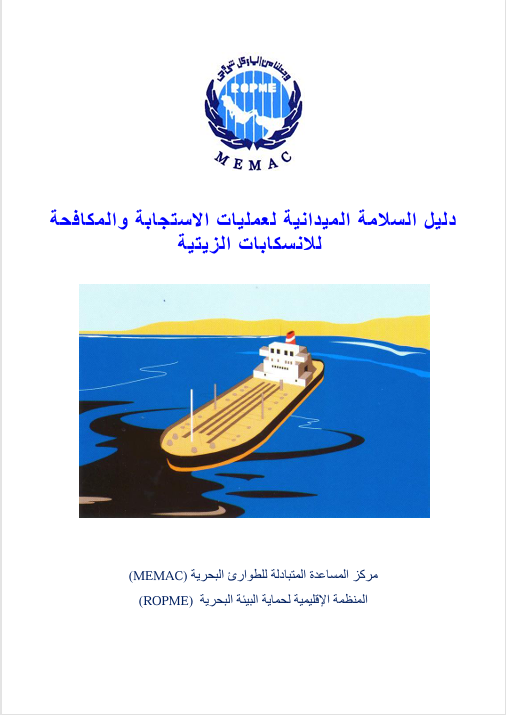
  • Oil pollution: resulting from spills, maritime accidents, offshore production, and shipping activities—one of the most severe threats.
  • Thermal pollution: caused by the discharge of heated cooling water from power plants and industrial facilities.
  • Radioactive pollution: from nuclear activities and naturally occurring radioactive materials.
  • Marine debris: especially plastics and abandoned fishing gear.
  • Coastal reclamation: which alters coastal ecosystems and damages sensitive habitats such as mangroves and coral reefs.

The report highlights offshore oil and gas activities—including exploration, drilling, production, shipping, and pipeline transport—as major contributors to marine pollution in the region. It also emphasizes maritime accidents such as tanker collisions, oil spills, ballast water discharge, and pipeline failures, all of which introduce significant ecological risks, including the spread of invasive species and long-term ecosystem degradation.

Shipping of hazardous chemicals is identified as an emerging risk due to the complexity and severity of chemical spill consequences, while marine plastic pollution is described as a persistent global issue affecting all ocean depths and marine food chains.

Despite these challenges, the report highlights ROPME’s key achievements, including:

  • The Kuwait Regional Convention (1978) and its protocols.
  • Establishment of the Marine Emergency Mutual Aid Centre (MEMAC).
  • Regional monitoring and environmental response systems.
  • Environmental legislation and policy frameworks.
  • Cooperation with UNEP, IMO, IUCN, and other international organizations.

Finally, the publication outlines future challenges, including the need for waste reception facilities, stronger environmental legislation, improved enforcement mechanisms, and continued response to increasing maritime traffic and associated oil and chemical pollution risks in the region.
  • Adapting desalination plants and industrial cooling water systems to climate change
    Adapting desalination plants and industrial cooling water systems to climate change

    The 2022 ROPME Policy Brief addresses the impacts of climate change on desalination plants and industrial cooling water systems in the ROPME Sea Area, which includes eight member states. It highlights the region’s critical dependence on desalination, with over 1,400 plants producing more than 25 million cubic meters per day, expected to rise significantly by

  • Coastal ecotourism
    Coastal ecotourism

    This publication issued by the Regional Organization for the Protection of the Marine Environment (ROPME), as part of Marine Environment Series (5), addresses Coastal Ecotourism on the occasion of Regional Environment Day (24 April 2015). It highlights ecotourism as a key instrument for sustainable development and coastal environmental protection. The newsletter emphasizes that coastlines are

  • Coral Climate Change Adaptation
    Coral Climate Change Adaptation

    The ROPME Policy Brief (2022) on Coral Climate Change Adaptation examines the severe decline of coral reefs in the ROPME Sea Area (RSA) due to combined pressures from climate change and human activities. The region hosts over 2,000 km² of coral reefs, supporting rich biodiversity and providing significant socio-economic benefits, including fisheries and tourism. Climate

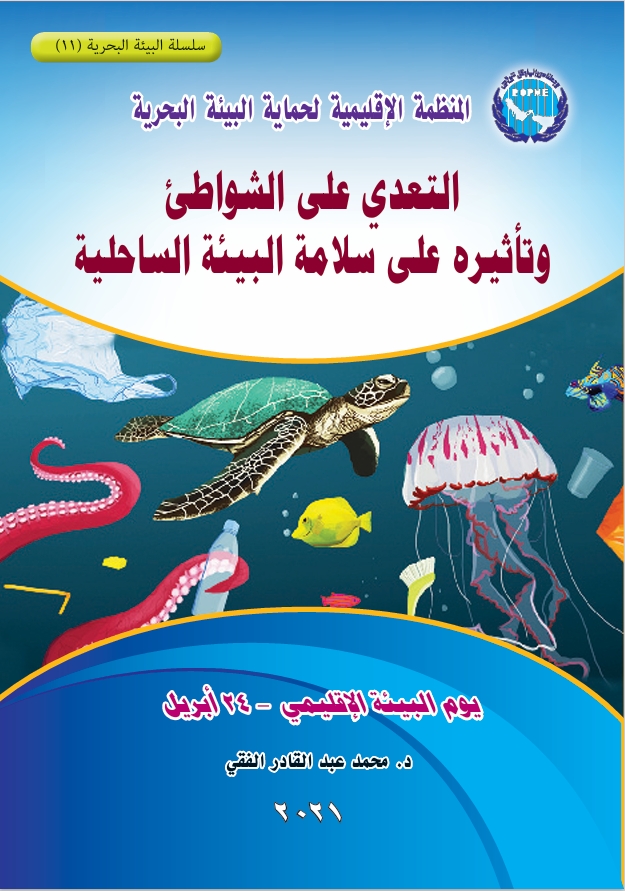
  • Encroachment on beaches and its impact on the safety of the coastal environment
    Encroachment on beaches and its impact on the safety of the coastal environment

    This publication, part of the Marine Environment Series (No. 11) issued by the Regional Organization for the Protection of the Marine Environment (ROPME), addresses the issue of coastal encroachment and its impact on the integrity of the coastal environment. It highlights the ecological and economic significance of beaches as dynamic ecosystems rich in biodiversity, essential

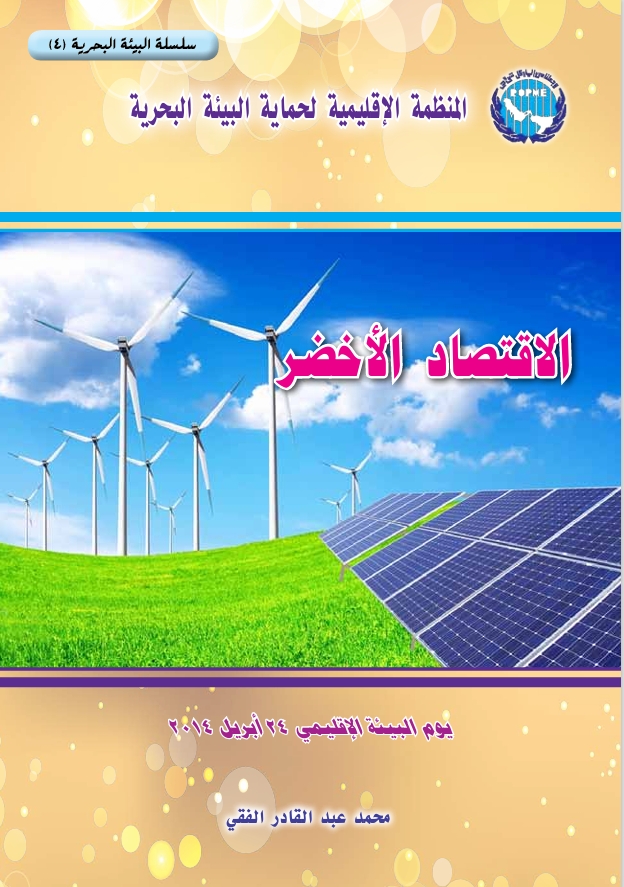
  • Green economy
    Green economy

    This publication addresses the concept of the green economy as a key modern approach in environmental and development thinking. The term emerged prominently through the United Nations Environment Programme (UNEP) in 2008 and was globally recognized as a central pillar of sustainable development, particularly during the Rio+20 Conference. A green economy is defined as an

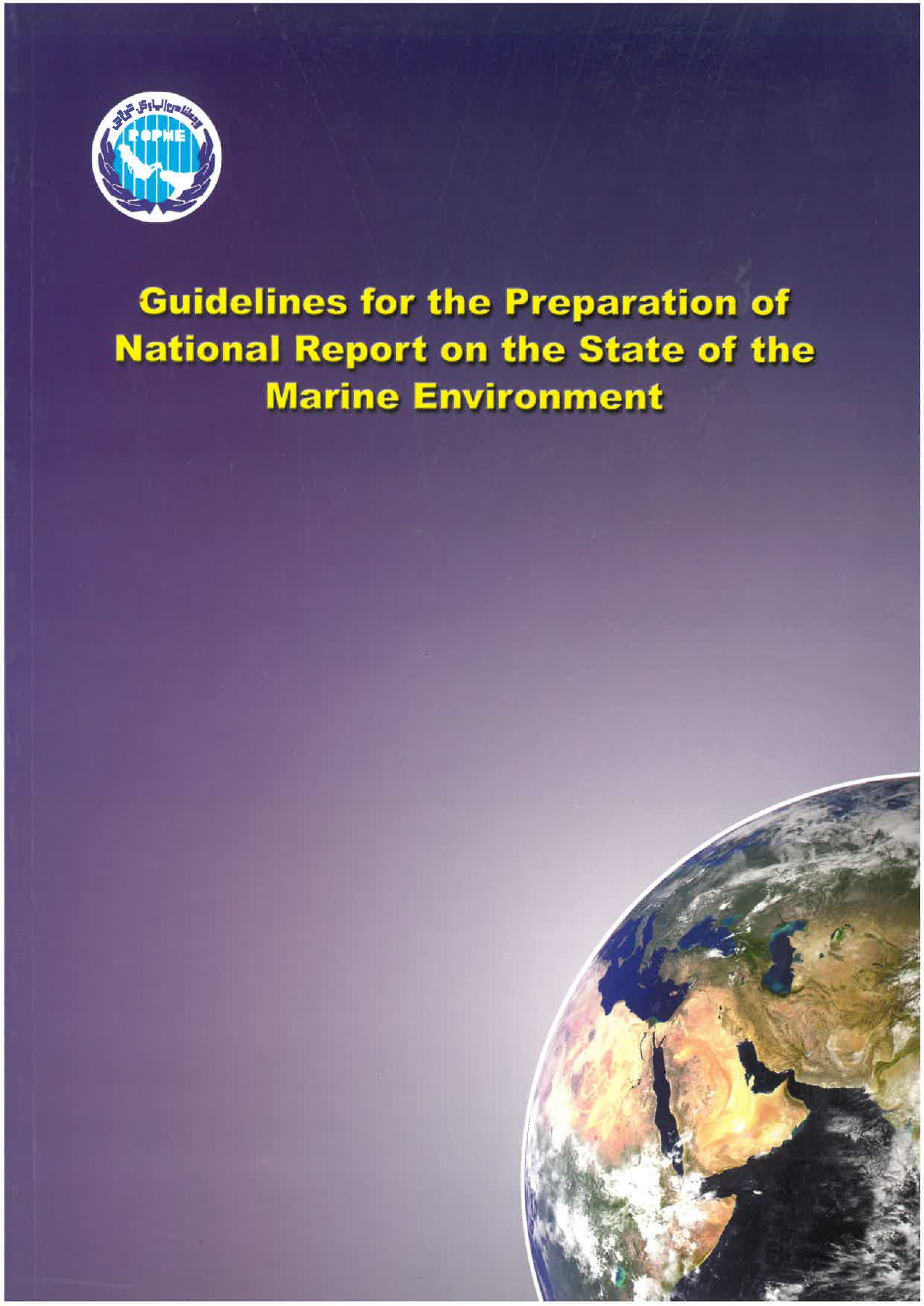
  • Guidelines for the Preparation of National Report on the State of the Marine Environment
    Guidelines for the Preparation of National Report on the State of the Marine Environment

    The document titled “Guidelines for the Preparation of National Report on the State of the Marine Environment” (ROPME, 2007) provides a structured framework for Member States to prepare national reports that contribute to the regional State of the Marine Environment Report (SOMER). Developed in collaboration with UNEP and aligned with the GEO (Global Environment Outlook)

  • Mangrove Trees
    Mangrove Trees

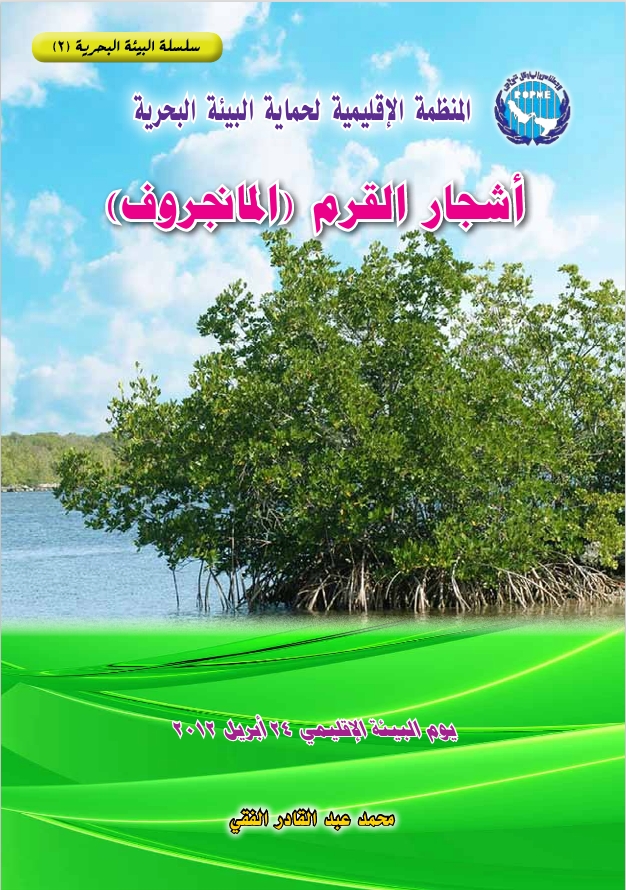
    This special publication, issued on the occasion of Regional Environment Day (April 24, 2012), highlights the significance of mangrove trees as one of the most vital and productive coastal ecosystems. It provides a comprehensive overview of their environmental, historical, scientific, and economic importance, with particular focus on their status within the Regional Organization for the

  • Marine Fisheries to the Impacts of Climate Change
    Marine Fisheries to the Impacts of Climate Change

    This policy brief by the Regional Organization for the Protection of the Marine Environment (ROPME) addresses the adaptation of marine fisheries to the impacts of climate change within a regional framework covering the eight member states bordering the ROPME Sea Area, which is divided into three sub-regions: a shallow semi-enclosed inner zone, a transitional middle

  • Marine Plastic Pollution: Challenges and Solutions in the ROPME Sea Area
    Marine Plastic Pollution: Challenges and Solutions in the ROPME Sea Area

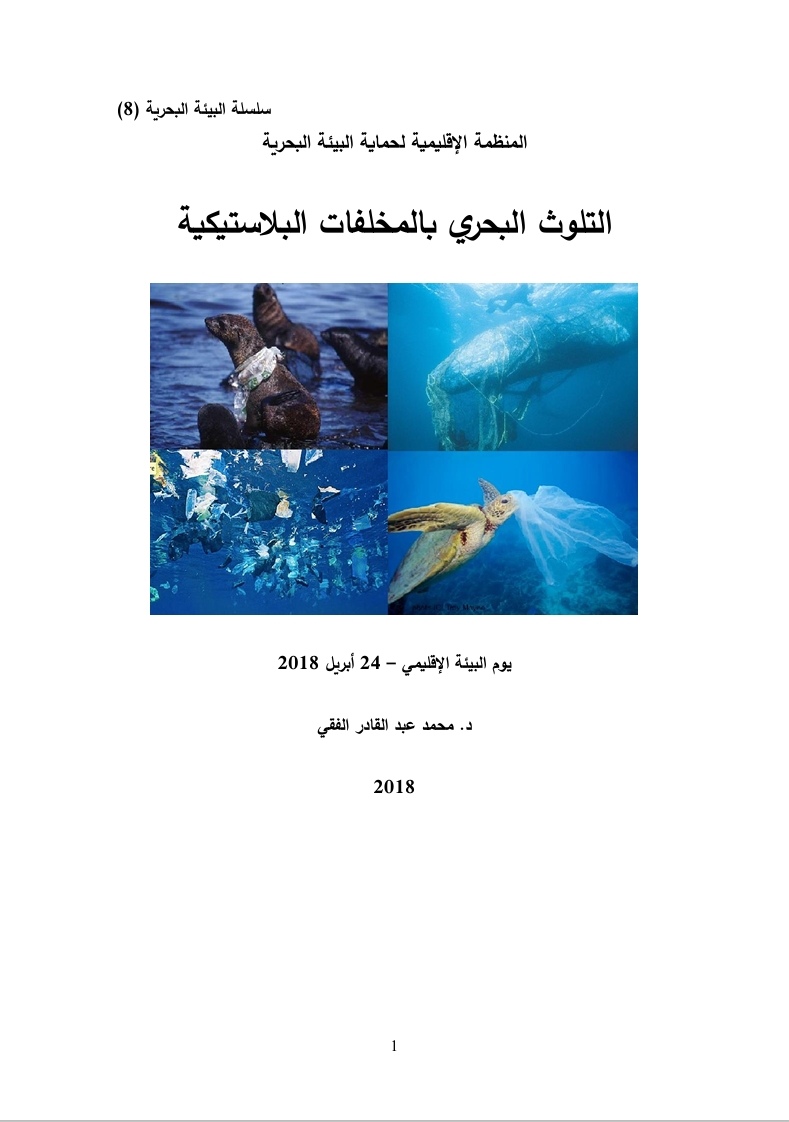
    The eighth issue of the Marine Environment Series published by the Regional Organization for the Protection of the Marine Environment (ROPME) addresses marine pollution caused by plastic waste as one of the most critical environmental challenges facing the world’s oceans, including the ROPME Sea Area. The report emphasizes that plastic pollution is more persistent and,

  • MOOPAM (2010)
    MOOPAM (2010)

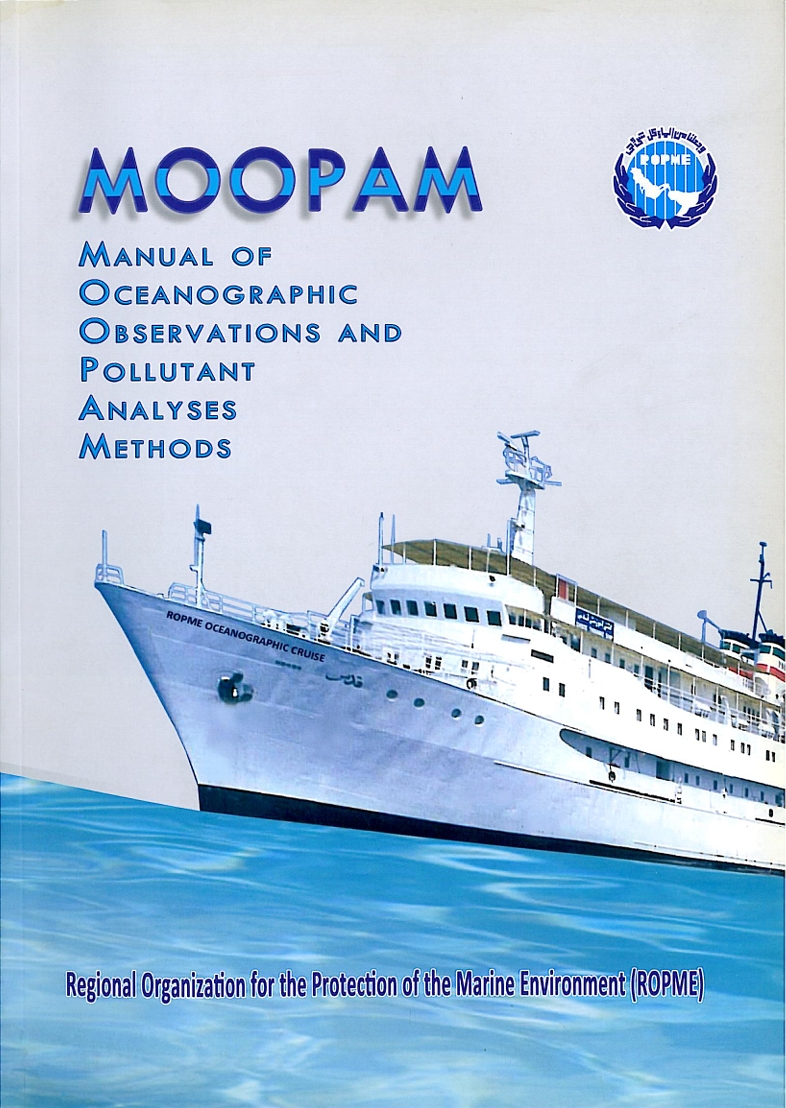
    A revised edition for the guide to the fieldsurveys, sampling and analytical methods to beused by the participating institutions forimplementation of the Monitoring and ResearchProgramme for analyses of oceanographicparameters and oil and non-oil pollutants in theROPME Sea Area. In this revised edition of MOOPAM severalconsiderations were taken into account, i.e. thedevelopment of analytical capabilities in

  • Offshore Environment of the ROPME Sea Area after the War-Related Oil Spill: Results of the 1993–94 Umitaka-Maru Cruises
    Offshore Environment of the ROPME Sea Area after the War-Related Oil Spill: Results of the 1993–94 Umitaka-Maru Cruises

    The publication “Offshore Environment of the ROPME Sea Area after the War-Related Oil Spill: Results of the 1993–94 Umitaka-Maru Cruises” presents a comprehensive scientific assessment of the marine environment in the ROPME Sea Area (RSA) following the environmental catastrophe caused by the 1990–1991 Gulf War oil spill. The RSA, bordered by eight countries (Bahrain, Iran,

  • Overview on Land-based Sources and Activities Affecting the Marine Environment in the ROPME Sea Area
    Overview on Land-based Sources and Activities Affecting the Marine Environment in the ROPME Sea Area

    A comprehensive overview of land-based sources and activities affecting the marine, coastal and associated freshwater environments in the ROPME Sea Area, including the status of activities dealing with the protection of those environments from land-based sources. This work is based on a review of the relevant information and activities of the individual countries making up

Explore More
  • Adapting desalination plants and industrial cooling water systems to climate change
    Adapting desalination plants and industrial cooling water systems to climate change

    The 2022 ROPME Policy Brief addresses the impacts of climate change on desalination plants and industrial cooling water systems in the ROPME Sea Area, which includes eight member states. It highlights the region’s critical dependence on desalination, with over 1,400 plants producing more than 25 million cubic meters per day, expected to rise significantly by

  • Coastal ecotourism
    Coastal ecotourism

    This publication issued by the Regional Organization for the Protection of the Marine Environment (ROPME), as part of Marine Environment Series (5), addresses Coastal Ecotourism on the occasion of Regional Environment Day (24 April 2015). It highlights ecotourism as a key instrument for sustainable development and coastal environmental protection. The newsletter emphasizes that coastlines are

  • The Guidelines for Joint and/or Combined Effluent Treatment for the ROPME Region (2005)
    The Guidelines for Joint and/or Combined Effluent Treatment for the ROPME Region (2005)

    The Guidelines for Joint and/or Combined Effluent Treatment for the ROPME Region (2005), developed by the Regional Organization for the Protection of the Marine Environment (ROPME), provide a comprehensive framework for managing industrial and municipal wastewater in the ROPME Sea Area (RSA). The RSA’s semi-enclosed nature makes it particularly vulnerable to pollution, as contaminants tend to

  • Coral Climate Change Adaptation
    Coral Climate Change Adaptation

    The ROPME Policy Brief (2022) on Coral Climate Change Adaptation examines the severe decline of coral reefs in the ROPME Sea Area (RSA) due to combined pressures from climate change and human activities. The region hosts over 2,000 km² of coral reefs, supporting rich biodiversity and providing significant socio-economic benefits, including fisheries and tourism. Climate

  • Marine Fisheries to the Impacts of Climate Change
    Marine Fisheries to the Impacts of Climate Change

    This policy brief by the Regional Organization for the Protection of the Marine Environment (ROPME) addresses the adaptation of marine fisheries to the impacts of climate change within a regional framework covering the eight member states bordering the ROPME Sea Area, which is divided into three sub-regions: a shallow semi-enclosed inner zone, a transitional middle

  • Mangrove Trees
    Mangrove Trees

    This special publication, issued on the occasion of Regional Environment Day (April 24, 2012), highlights the significance of mangrove trees as one of the most vital and productive coastal ecosystems. It provides a comprehensive overview of their environmental, historical, scientific, and economic importance, with particular focus on their status within the Regional Organization for the

  • The ROPME Policy Brief on Blue Carbon in the ROPME Sea Area
    The ROPME Policy Brief on Blue Carbon in the ROPME Sea Area

    The ROPME Policy Brief on Blue Carbon in the ROPME Sea Area highlights the critical role of marine and coastal ecosystems in climate change mitigation. Blue carbon refers to the carbon captured and stored in ecosystems such as mangroves, seagrasses, and salt marshes, which are highly efficient at sequestering carbon dioxide and storing it over

  • Marine Plastic Pollution: Challenges and Solutions in the ROPME Sea Area
    Marine Plastic Pollution: Challenges and Solutions in the ROPME Sea Area

    The eighth issue of the Marine Environment Series published by the Regional Organization for the Protection of the Marine Environment (ROPME) addresses marine pollution caused by plastic waste as one of the most critical environmental challenges facing the world’s oceans, including the ROPME Sea Area. The report emphasizes that plastic pollution is more persistent and,