Monograph No. (1):Phytoplankton Cysts in the Regional Organization for the Protection of the Marine Environment (ROPME) Sea Area (RSA) 2012

Filters
Filters
Publication Date

2012

Issue

2012

The monograph “ROPME Oceanographic Cruise – Winter 2006: Phytoplankton in the ROPME Sea Area” (September 2012), prepared by the Kuwait Institute for Scientific Research under ROPME supervision, presents a detailed taxonomic and ecological assessment of phytoplankton diversity in the ROPME Sea Area (RSA). It is part of a broader scientific series based on samples collected during a major coordinated regional oceanographic expedition conducted from February to March 2006 aboard the Iranian research vessel M/V Ghods.

The cruise represented a landmark scientific effort involving 97 experts from ROPME member states and covered 115 sampling stations across the RSA and parts of the Sea of Oman. Sampling included surface, mid-water, and bottom layers using Niskin bottles, along with plankton net tows for qualitative analysis. Collected samples were distributed to regional laboratories, with reference material preserved in a marine sample bank for future research validation.

This monograph focuses specifically on phytoplankton taxonomy, one of five planned volumes covering major planktonic and benthic groups. The phytoplankton community is described as highly diverse, with 340 taxa identified across nine major classes, dominated by Dinophyceae (dinoflagellates) and Bacillariophyceae (diatoms), followed by smaller contributions from other algal and flagellate groups.

Methodologically, the study employed advanced taxonomic techniques including light microscopy, epifluorescence microscopy using Calcofluor staining for thecal plate visualization, scanning electron microscopy for ultrastructural analysis, and permanent slide preparation for diatom identification. Despite these robust methods, limitations remained due to sample preservation, which affected fragile naked flagellates and some delicate species, restricting identification in certain groups to genus level only.

Ecologically, phytoplankton in the RSA are confirmed as key primary producers forming the foundation of marine food webs and serving as sensitive indicators of environmental change due to their short life cycles. The study highlights the ecological importance of phytoplankton in relation to harmful algal blooms (HABs), which have been documented in the region since the late 1990s, including toxic red tide events in Kuwait waters.

A major component of the monograph is the documentation of potentially harmful algal species. A total of 58 taxa were identified as harmful or potentially harmful, including 20 species toxic to humans. These include genera such as Pseudo-nitzschia, Alexandrium, Dinophysis, Karenia, Gymnodinium, and Prorocentrum, known to cause syndromes such as paralytic, diarrhetic, amnesic, and neurotoxic shellfish poisoning. The study emphasizes that some species were widely distributed and occasionally reached bloom levels, particularly Pseudo-nitzschia delicatissima complex, which showed high frequency and significant abundance in certain coastal areas.

The report also underscores the variability in phytoplankton distribution across the RSA, influenced by hydrographic conditions and seasonal dynamics. It stresses the need for continuous, multi-seasonal monitoring to improve understanding of bloom dynamics, enhance forecasting capabilities, and mitigate ecological and economic impacts on fisheries, aquaculture, and public health.

In conclusion, this monograph provides one of the most comprehensive taxonomic baselines of phytoplankton diversity in the ROPME Sea Area to date. It reinforces the ecological sensitivity of the region, highlights the recurring risk of harmful algal blooms, and establishes a critical scientific foundation for long-term marine environmental monitoring and management in the Gulf region.
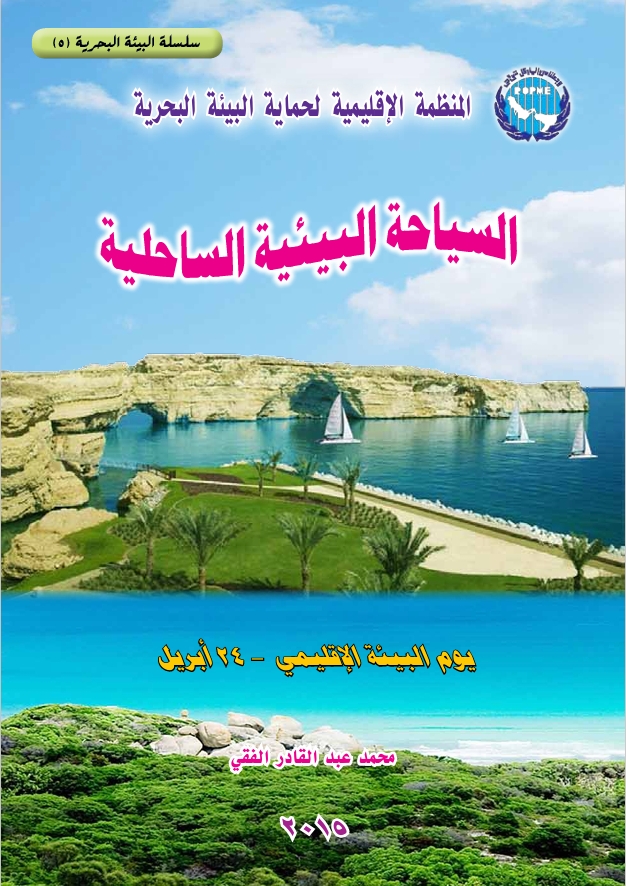
  • Coastal ecotourism
    Coastal ecotourism

    This publication This publication issued by the Regional Organization for the Protection of the Marine Environment (ROPME), as part of Marine Environment Series (5), addresses Coastal Ecotourism on the occasion of Regional Environment Day (24 April 2015). It highlights ecotourism as a key instrument for sustainable development and coastal environmental protection. The newsletter emphasizes that

  • Encroachment on beaches and its impact on the safety of the coastal environment
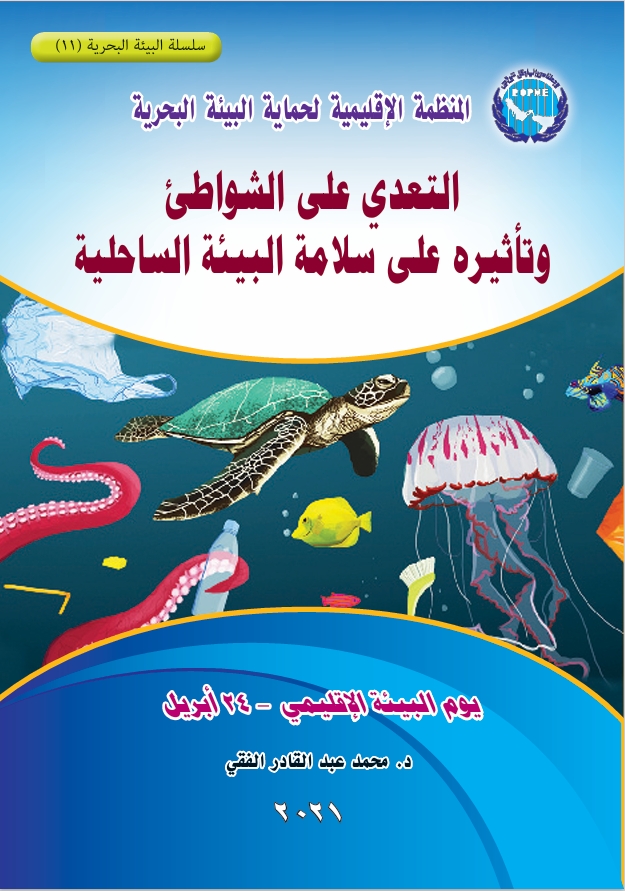
    Encroachment on beaches and its impact on the safety of the coastal environment

    This publication, part of the Marine Environment Series (No. 11) issued by the Regional Organization for the Protection of the Marine Environment (ROPME), addresses the issue of coastal encroachment and its impact on the integrity of the coastal environment. It highlights the ecological and economic significance of beaches as dynamic ecosystems rich in biodiversity, essential

  • Environmental Characteristics and Marine Pollution in the Marine Area of the Regional Organization for the Protection of the Marine Environment (ROPME)
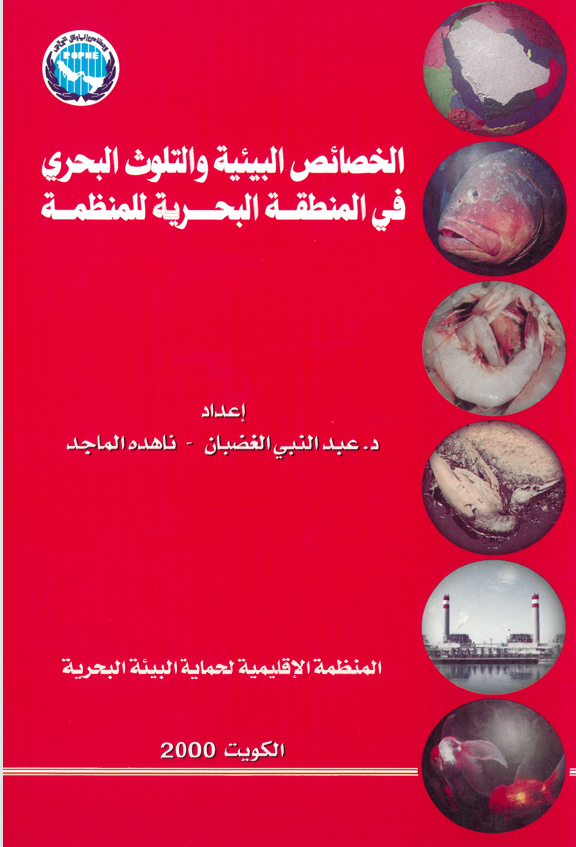
    Environmental Characteristics and Marine Pollution in the Marine Area of the Regional Organization for the Protection of the Marine Environment (ROPME)

    This scientific publication examines the environmental and oceanographic characteristics of the marine area under the Regional Organization for the Protection of the Marine Environment (ROPME), highlighting the major natural resources of the region and the environmental challenges it faces, particularly marine pollution resulting from human, industrial, and oil-related activities. It also highlights regional efforts aimed

  • Green economy
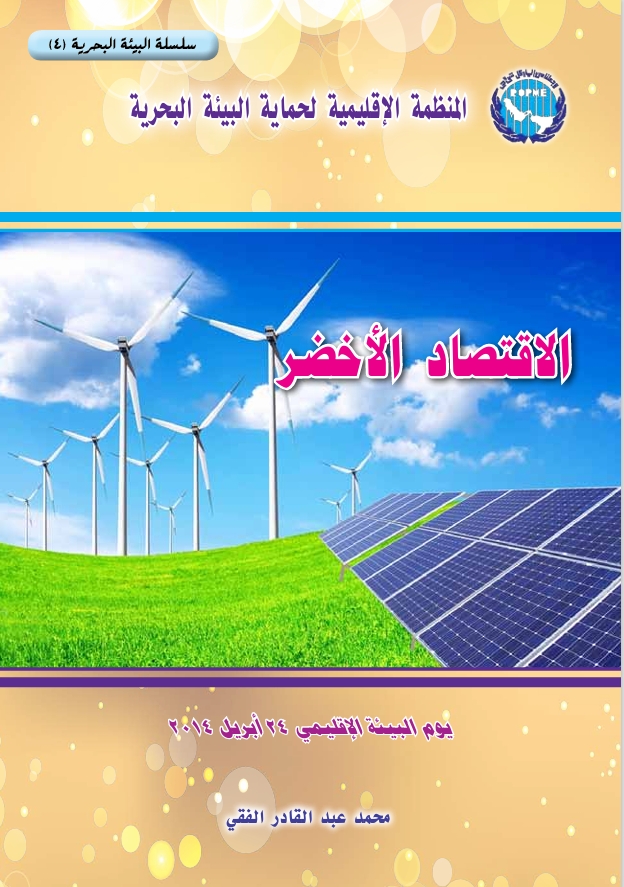
    Green economy

    This publication addresses the concept of the green economy as a key modern approach in environmental and development thinking. The term emerged prominently through the United Nations Environment Programme (UNEP) in 2008 and was globally recognized as a central pillar of sustainable development, particularly during the Rio+20 Conference. A green economy is defined as an

  • Guidelines for the Preparation of National Report on the State of the Marine Environment
    Guidelines for the Preparation of National Report on the State of the Marine Environment

    The document titled “Guidelines for the Preparation of National Report on the State of the Marine Environment” (ROPME, 2007) provides a structured framework for Member States to prepare national reports that contribute to the regional State of the Marine Environment Report (SOMER). Developed in collaboration with UNEP and aligned with the GEO (Global Environment Outlook)

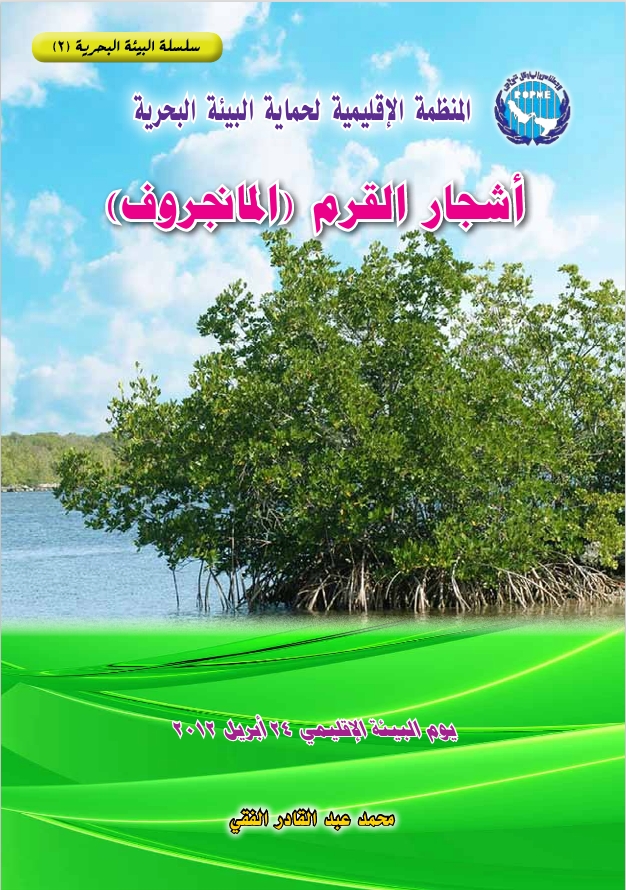
  • Mangrove Trees
    Mangrove Trees

    This special publication, issued on the occasion of Regional Environment Day (April 24, 2012), highlights the significance of mangrove trees as one of the most vital and productive coastal ecosystems. It provides a comprehensive overview of their environmental, historical, scientific, and economic importance, with particular focus on their status within the Regional Organization for the

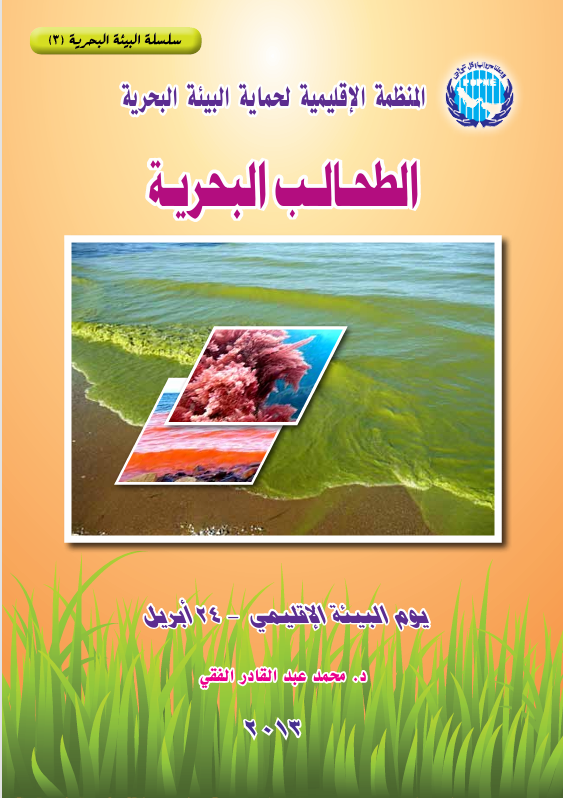
  • Marine Algae
    Marine Algae

    This publication provides a comprehensive introduction to marine algae, highlighting their biological characteristics, classification, distribution, and environmental and economic importance. It also explains their vital role in supporting fisheries and discusses the potential risks associated with the excessive proliferation of harmful algal species. The publication was issued by the Regional Organization for the Protection of

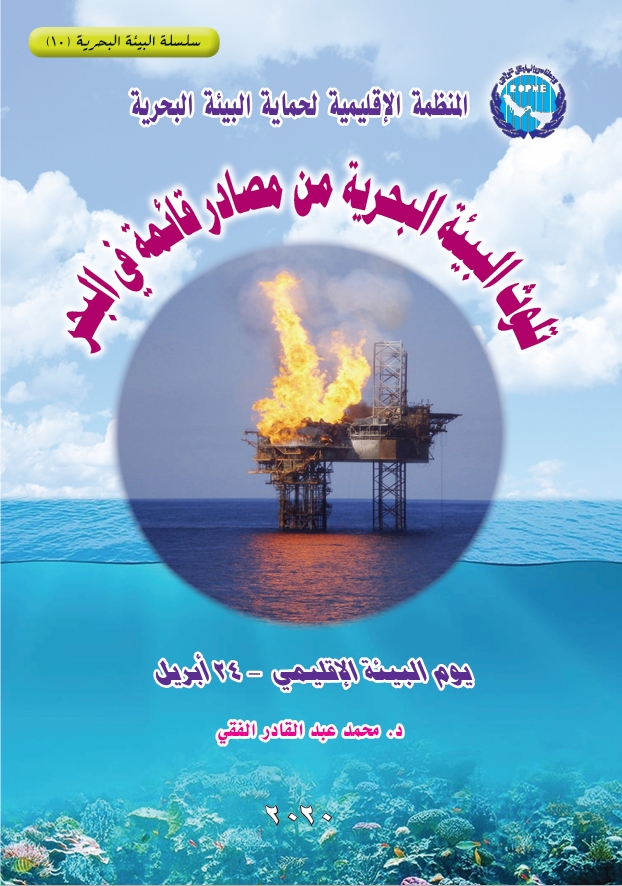
  • Marine Environment Series: Marine Pollution from Offshore (sea-based) sources
    Marine Environment Series: Marine Pollution from Offshore (sea-based) sources

    This special publication from the Marine Environment Series (2020) addresses marine pollution from offshore (sea-based) sources, focusing on the marine environment within the Regional Organization for the Protection of the Marine Environment (ROPME) area and the growing environmental challenges driven by human activities, particularly those linked to oil, shipping, and industrial development. The ROPME marine

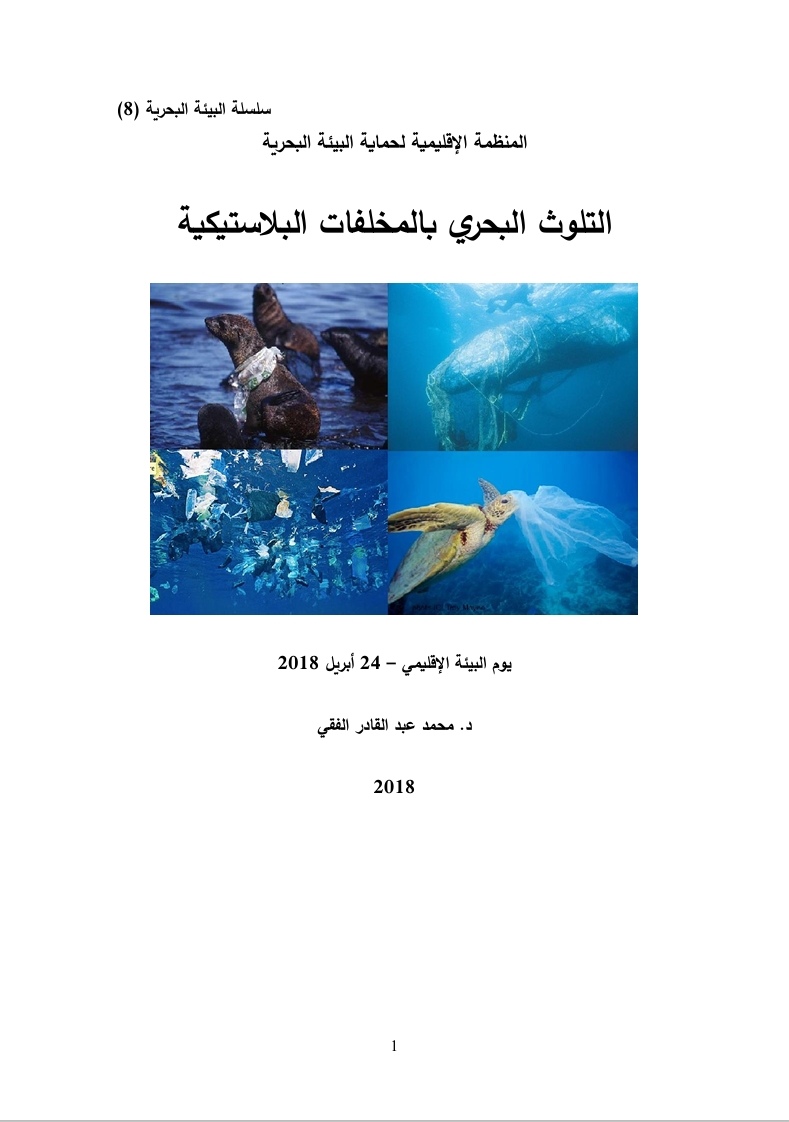
  • Marine Plastic Pollution: Challenges and Solutions in the ROPME Sea Area
    Marine Plastic Pollution: Challenges and Solutions in the ROPME Sea Area

    The eighth issue of the Marine Environment Series published by the Regional Organization for the Protection of the Marine Environment (ROPME) addresses marine pollution caused by plastic waste as one of the most critical environmental challenges facing the world’s oceans, including the ROPME Sea Area. The report emphasizes that plastic pollution is more persistent and,

  • MOOPAM (2010)
    MOOPAM (2010)

    A revised edition for the guide to the fieldsurveys, sampling and analytical methods to beused by the participating institutions forimplementation of the Monitoring and ResearchProgramme for analyses of oceanographicparameters and oil and non-oil pollutants in theROPME Sea Area. In this revised edition of MOOPAM severalconsiderations were taken into account, i.e. thedevelopment of analytical capabilities in

  • Offshore Environment of the ROPME Sea Area after the War-Related Oil Spill: Results of the 1993–94 Umitaka-Maru Cruises
    Offshore Environment of the ROPME Sea Area after the War-Related Oil Spill: Results of the 1993–94 Umitaka-Maru Cruises

    The publication “Offshore Environment of the ROPME Sea Area after the War-Related Oil Spill: Results of the 1993–94 Umitaka-Maru Cruises” presents a comprehensive scientific assessment of the marine environment in the ROPME Sea Area (RSA) following the environmental catastrophe caused by the 1990–1991 Gulf War oil spill. The RSA, bordered by eight countries (Bahrain, Iran,

  • Overview on Land-based Sources and Activities Affecting the Marine Environment in the ROPME Sea Area
    Overview on Land-based Sources and Activities Affecting the Marine Environment in the ROPME Sea Area

    A comprehensive overview of land-based sources and activities affecting the marine, coastal and associated freshwater environments in the ROPME Sea Area, including the status of activities dealing with the protection of those environments from land-based sources. This work is based on a review of the relevant information and activities of the individual countries making up

Explore More
  • Scientific Expedition of the Research Vessel (Mount Mitchell)                     February – June 1992
    Scientific Expedition of the Research Vessel (Mount Mitchell) February – June 1992

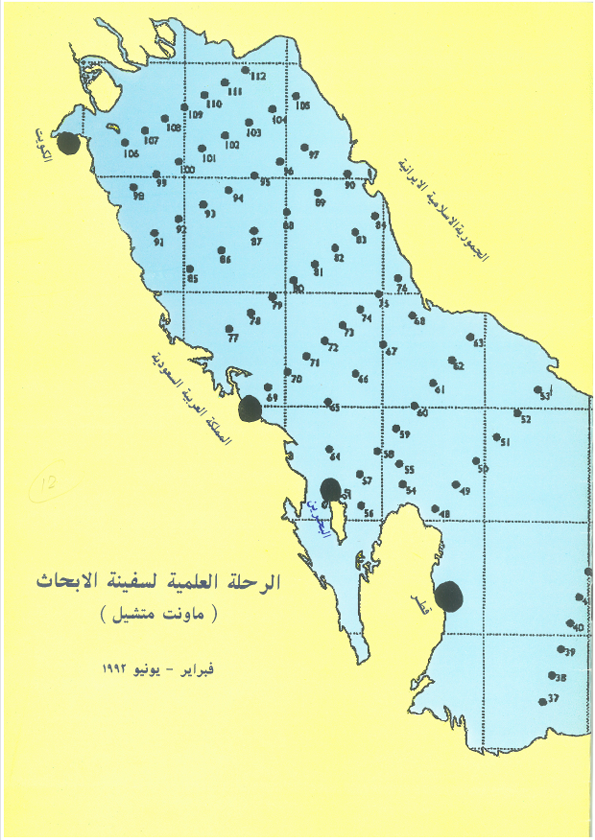
    This periodic bulletin issued by the Regional Organization for the Protection of the Marine Environment (ROPME) in January 1992 presents details of the scientific expedition of the U.S. research vessel “Mount Mitchell”, which was conducted as part of the Regional Marine Plan for the Study of the Environmental Impacts Resulting from the Gulf War. The

  • Scientific Monograph No. (2): Zooplankton in the ROPME Sea Area
    Scientific Monograph No. (2): Zooplankton in the ROPME Sea Area

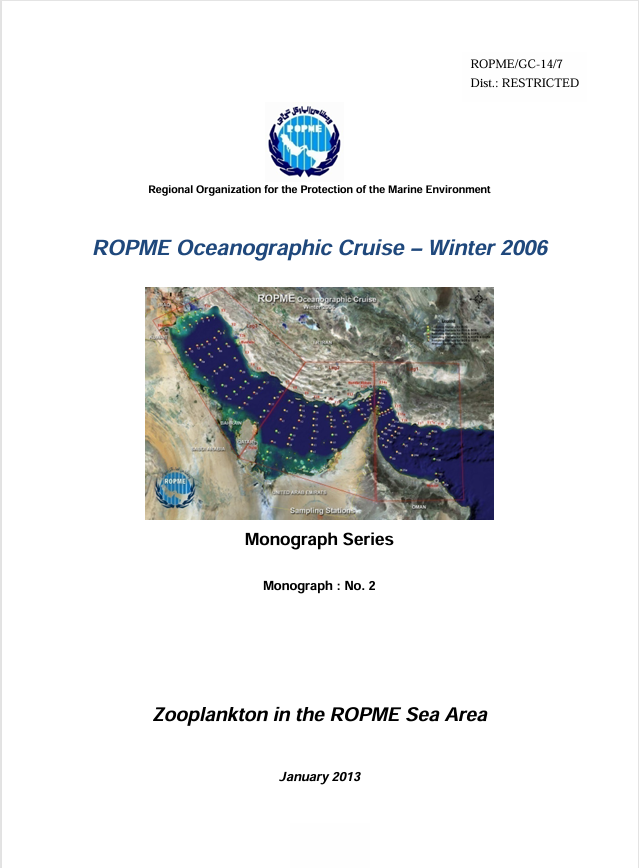
    This scientific monograph is one of the specialized publications issued by the Regional Organization for the Protection of the Marine Environment (ROPME). It presents a comprehensive taxonomic overview of zooplankton in the ROPME Sea Area, based on samples collected during the Regional Oceanographic Cruise conducted in Winter 2006, one of the largest collaborative marine scientific

  • Technical Report: No. (9): Tintinnids in the ROPME Sea Area
    Technical Report: No. (9): Tintinnids in the ROPME Sea Area

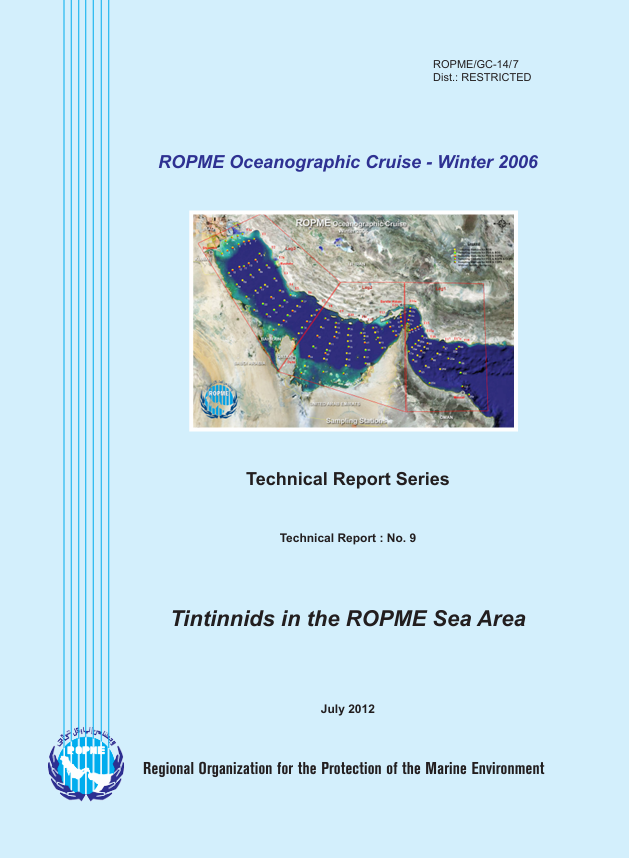
    This report presents the findings of the study on Tintinnids in the Regional Organization for the Protection of the Marine Environment Sea Area (ROPME Sea Area – RSA), conducted during the Regional Oceanographic Cruise in the winter of 2006. The study aimed to document the taxonomic diversity and spatial distribution of these microscopic organisms and

  • Technical Report: No. (6) Zooplankton in the ROPME Sea Area
    Technical Report: No. (6) Zooplankton in the ROPME Sea Area

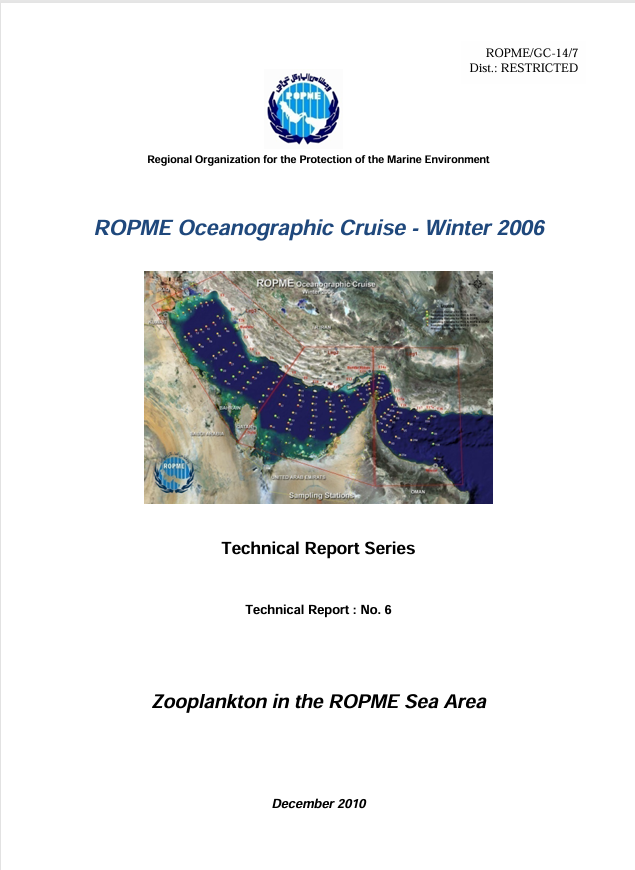
    This report presents the findings of the study on zooplankton in the Regional Organization for the Protection of the Marine Environment Sea Area (ROPME Sea Area – RSA) during the winter of 2006. The study was conducted as part of the Regional Oceanographic Cruise Programme, which aimed to assess marine biodiversity and improve understanding of

  • Technical Report No. (4): Spatial Distribution of Chlorophyll a in the Regional Organization for the Protection of the Marine Environment (ROPME) Sea Area
    Technical Report No. (4): Spatial Distribution of Chlorophyll a in the Regional Organization for the Protection of the Marine Environment (ROPME) Sea Area

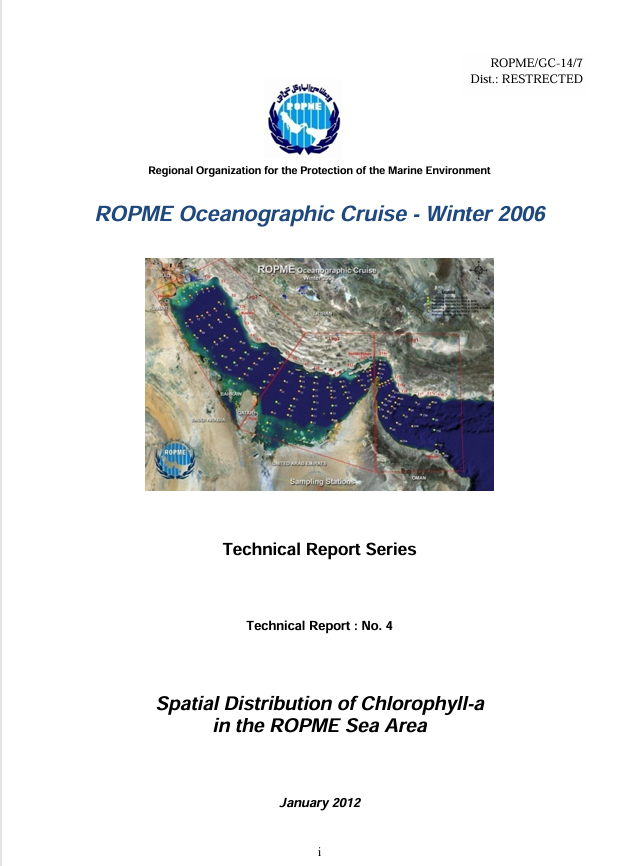
    This report presents the findings of the study on the spatial distribution of Chlorophyll-a concentrations in the Regional Organization for the Protection of the Marine Environment Sea Area (ROPME Sea Area – RSA) during the winter of 2006. The study was conducted as part of the Regional Oceanographic Cruise Programme implemented by ROPME to assess

  • Technical Report No. (5):Phytoplankton in the Marine Area of the Regional Organization for the Protection of the Marine Environment (ROPME)
    Technical Report No. (5):Phytoplankton in the Marine Area of the Regional Organization for the Protection of the Marine Environment (ROPME)

    This report presents the results of a comprehensive study on phytoplankton communities in the ROPME Sea Area (RSA), conducted as part of the Regional Winter Oceanographic Cruise Programme 2006. The study aimed to assess phytoplankton biodiversity, spatial distribution, abundance, and their role in marine ecosystem dynamics. Phytoplankton are microscopic plant-like organisms inhabiting marine environments and

  • Technical Report No. (12): Phytoplankton Cysts in the ROPME Sea Area 2020
    Technical Report No. (12): Phytoplankton Cysts in the ROPME Sea Area 2020

    This report presents a comprehensive study of phytoplankton cysts in the Regional Organization for the Protection of the Marine Environment (ROPME) Sea Area, based on surface sediment samples collected during the Regional Oceanographic Cruise conducted in winter 2006. It represents the first large-scale regional investigation addressing the spatial distribution, taxonomic diversity, and abundance of phytoplankton

  • Technical Report No. (2): Physical Oceanography in the ROPME Sea Area
    Technical Report No. (2): Physical Oceanography in the ROPME Sea Area

    This report presents the findings of a comprehensive assessment of the physical characteristics of seawater in the Regional Organization for the Protection of the Marine Environment (ROPME) Sea Area, based on data collected during the Third Regional Oceanographic Cruise conducted in winter 2006. The study was undertaken to improve understanding of the physical processes governing