ROPME Mussel Watch Programme: Regional distribution of biotoxins in Rock and Pearl Oysters 2014

Filters
Filters
Publication Date

2014

Issue

2014

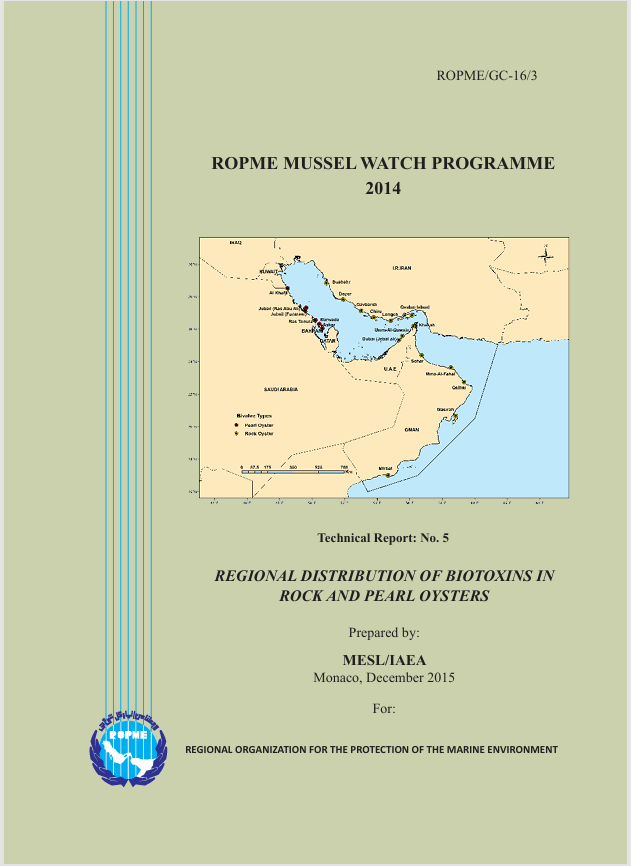
As part of the ROPME Mussel Watch Programme 2014, a regional study was conducted between February and July 2014 to examine a range of natural and anthropogenic contaminants in oyster samples collected from several key coastal locations across the Member States within the ROPME Sea Area (RSA).

This report focused on assessing the presence of marine biotoxins, particularly toxins associated with Harmful Algal Blooms (HABs), most notably:

Saxitoxins

Brevetoxins

These toxins are hazardous compounds produced by certain species of marine phytoplankton and may pose significant risks to human health through the consumption of contaminated seafood.

Study Scope and Sampling Locations

The study involved the collection and analysis of oyster samples from coastal areas in the following countries:

Kingdom of Bahrain.

Islamic Republic of Iran.

Republic of Iraq.

Sultanate of Oman.

Kingdom of Saudi Arabia.

United Arab Emirates.

Samples were collected from 26 coastal locations within the ROPME Sea Area.

View more

The study included two primary oyster species:

Pearl Oyster

Scientifically identified as:

Pinctada radiata

Rock Oyster

Scientifically identified as:

Saccostrea cucullata

A total of the following samples were analyzed:

7 Pearl Oyster samples.

16 Rock Oyster samples.

Importance of Monitoring Marine Biotoxins

Harmful algal blooms have become one of the major environmental concerns in the ROPME Sea Area over recent decades due to their environmental, economic, and public health impacts, including:

Fish and marine mammal mortality.

Losses to the aquaculture sector.

Restrictions on traditional fishing activities.

Impacts on seafood safety.

Temporary shutdown of desalination plants during toxic algal bloom events.

Certain species of microscopic algae produce toxins capable of accumulating in marine organisms, particularly oysters, making their monitoring essential for protecting both human health and the marine environment.

Analytical Methodology

The study employed advanced analytical techniques to detect marine biotoxins in oyster samples, including:

Sample preparation:

Freeze-drying of samples.

Rehydration prior to analysis.

Extraction of toxic compounds using specialized chemical techniques.

Brevetoxin Analysis:

The toxins were extracted using organic solvents and subsequently analyzed using:

Receptor Binding Assay (RBA)

Using certified reference standards for PbTx-3.

Saxitoxin Analysis:

The official AOAC analytical method (OMA 2011.27) was applied using the Receptor Binding Assay (RBA), with results expressed as Saxitoxin Equivalents (STX eq.).

Key Findings

First: Brevetoxins

The analytical results showed that all oyster samples contained brevetoxin concentrations below the analytical detection limit. No detectable levels of brevetoxins were recorded at any of the sampling locations included in the study.

Second: Saxitoxins

The results indicated that most samples (22 samples) contained saxitoxin concentrations below the detection limit.

Measurable concentrations were detected at only four locations, namely:

Bushehr (Iran 2).

Iraq.

Fanateer (Kingdom of Saudi Arabia 2.1).

Ras Abu Ali (Kingdom of Saudi Arabia 2.2).

The recorded concentrations ranged between:

7.63 to 13.3 μg STX eq./100 g

Health and Environmental Risk Assessment

Although saxitoxins were detected at several locations, the report concluded that the measured concentrations were well below internationally recognized regulatory limits, which are:

80 μg STX eq./100 g according to European and United States regulatory standards.

40 μg STX eq./100 g under certain other international standards.

Nevertheless, the report emphasized the importance of continued monitoring, particularly because sampling was not conducted during active harmful algal bloom events. Consequently, higher toxin concentrations may occur during future bloom periods.

Main Conclusions

The report concluded the following:

  • The 2014 Mussel Watch Programme identified low levels of saxitoxin activity in selected oyster samples collected from the ROPME Sea Area.
  • No brevetoxins were detected in any of the analyzed samples.
  • Marine biotoxins associated with harmful algal blooms represent an environmental and public health concern that warrants continued routine monitoring.
  • The programme provides an important regional database for understanding the distribution of marine biotoxins and tracking environmental changes.
  • The report highlights the importance of integrating mussel monitoring programmes with harmful algal bloom monitoring initiatives.

Recommendations

The report recommended the following:

  • Further verification of the Receptor Binding Assay results using more specialized analytical techniques, including:
  • High-Performance Liquid Chromatography with Fluorescence Detection (HPLC-FL) for more detailed identification of Paralytic Shellfish Poisoning (PSP) toxin analogues.
  • Conduct routine oyster sampling programmes during periods of harmful algal bloom occurrence.
  • Develop maps identifying Toxic Phytoplankton Cyst Beds within marine sediments.
  • Strengthen regional marine biotoxin monitoring programmes to safeguard public health and ensure the sustainable management of marine resources.

Significance of the Report for the Regional Organization for the Protection of the Marine Environment (ROPME)

This report serves as an important reference study within the regional environmental monitoring programmes implemented by ROPME in cooperation with the International Atomic Energy Agency (IAEA). It contributes to:

  • Enhancing scientific knowledge of the distribution of marine biotoxins throughout the ROPME Sea Area.
  • Supporting seafood safety and public health risk assessments.
  • Improving early warning systems for harmful algal bloom events.
  • Providing scientific data to support environmental management and informed decision-making.
  • Strengthening regional and international scientific cooperation in marine environmental protection.

Conclusion

The ROPME Mussel Watch Programme 2014 – Regional Distribution of Biotoxins in Rock and Pearl Oysters confirms that marine biotoxin levels within the ROPME Sea Area were generally low during the study period. Only limited occurrences of saxitoxins were detected at a small number of sampling sites, while no brevetoxins were detected in any of the analyzed oyster samples.

The report further underscores the importance of maintaining continuous scientific monitoring programmes for marine biotoxins and harmful algal blooms as essential tools for protecting marine ecosystems, ensuring seafood safety, and supporting Member States in safeguarding the sustainability of marine resources for future generations.
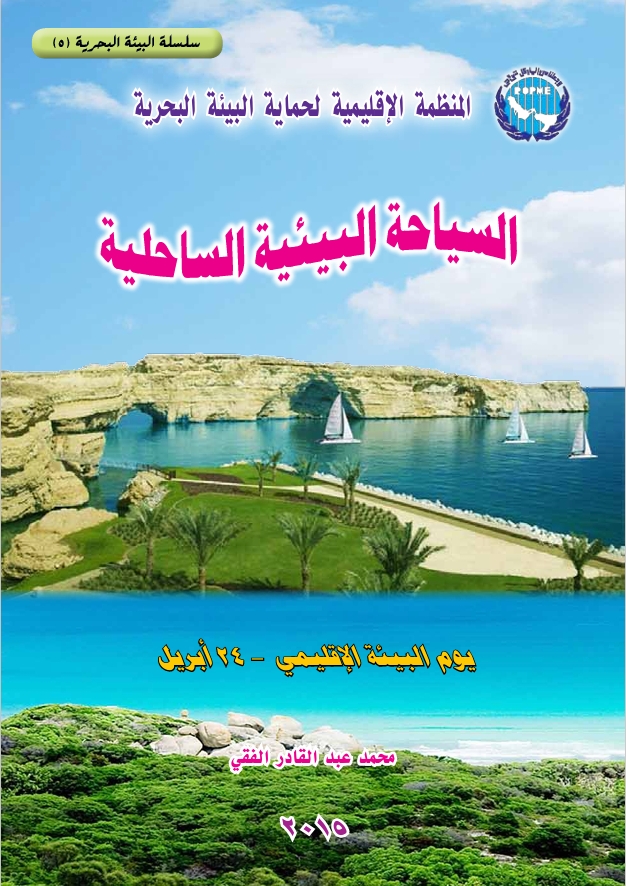
  • Coastal ecotourism
    Coastal ecotourism

    This publication This publication issued by the Regional Organization for the Protection of the Marine Environment (ROPME), as part of Marine Environment Series (5), addresses Coastal Ecotourism on the occasion of Regional Environment Day (24 April 2015). It highlights ecotourism as a key instrument for sustainable development and coastal environmental protection. The newsletter emphasizes that

  • Encroachment on beaches and its impact on the safety of the coastal environment
    Encroachment on beaches and its impact on the safety of the coastal environment

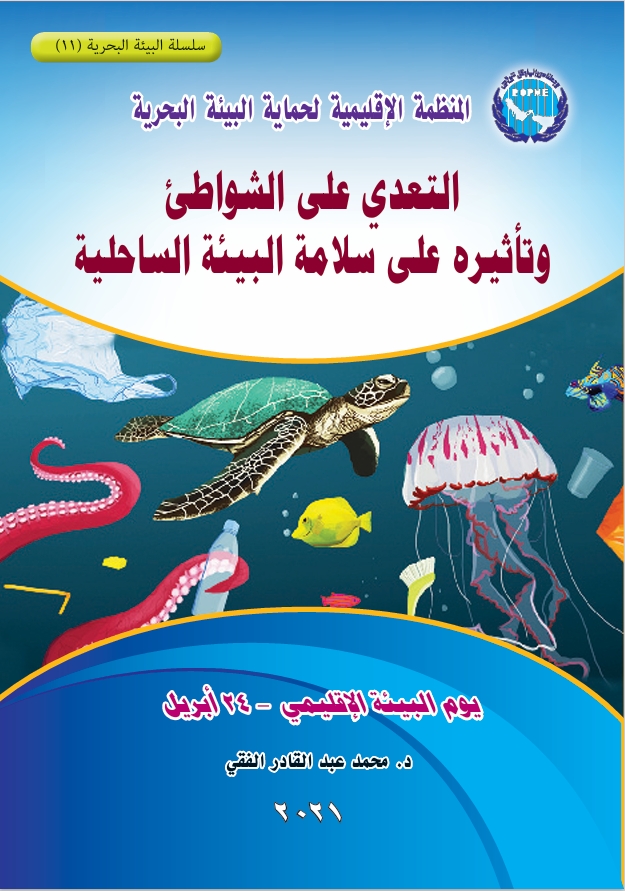
    This publication, part of the Marine Environment Series (No. 11) issued by the Regional Organization for the Protection of the Marine Environment (ROPME), addresses the issue of coastal encroachment and its impact on the integrity of the coastal environment. It highlights the ecological and economic significance of beaches as dynamic ecosystems rich in biodiversity, essential

  • Environmental Characteristics and Marine Pollution in the Marine Area of the Regional Organization for the Protection of the Marine Environment (ROPME)
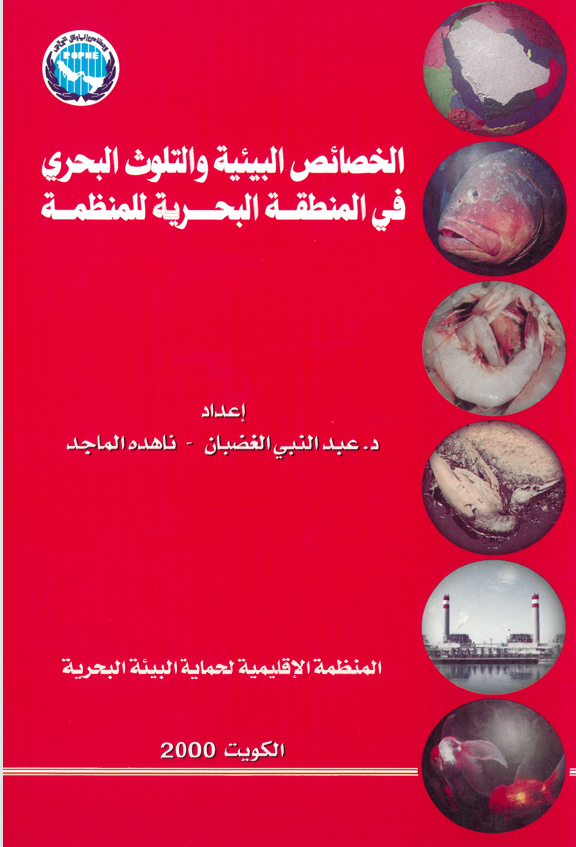
    Environmental Characteristics and Marine Pollution in the Marine Area of the Regional Organization for the Protection of the Marine Environment (ROPME)

    This scientific publication examines the environmental and oceanographic characteristics of the marine area under the Regional Organization for the Protection of the Marine Environment (ROPME), highlighting the major natural resources of the region and the environmental challenges it faces, particularly marine pollution resulting from human, industrial, and oil-related activities. It also highlights regional efforts aimed

  • Green economy
    Green economy

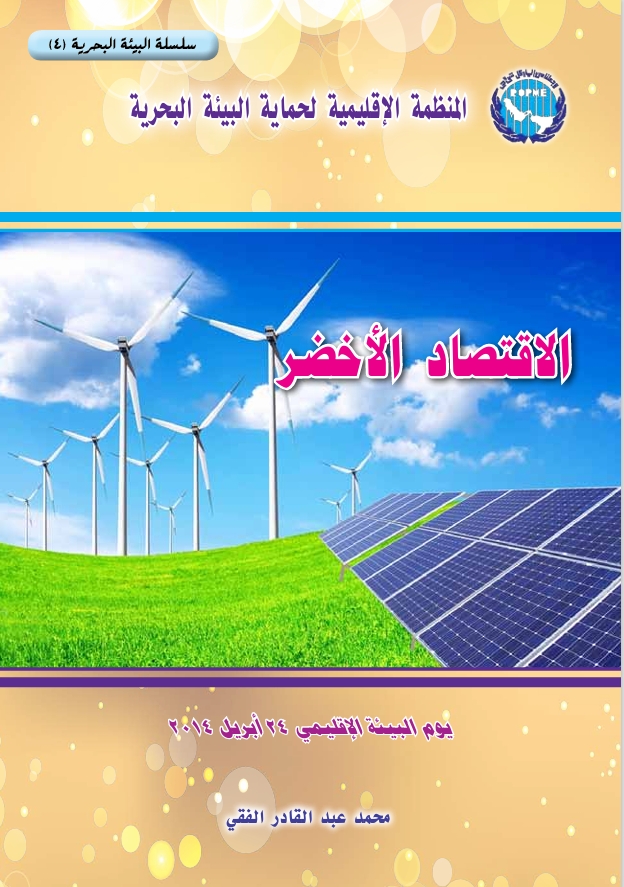
    This publication addresses the concept of the green economy as a key modern approach in environmental and development thinking. The term emerged prominently through the United Nations Environment Programme (UNEP) in 2008 and was globally recognized as a central pillar of sustainable development, particularly during the Rio+20 Conference. A green economy is defined as an

  • Guidelines for the Preparation of National Report on the State of the Marine Environment
    Guidelines for the Preparation of National Report on the State of the Marine Environment

    The document titled “Guidelines for the Preparation of National Report on the State of the Marine Environment” (ROPME, 2007) provides a structured framework for Member States to prepare national reports that contribute to the regional State of the Marine Environment Report (SOMER). Developed in collaboration with UNEP and aligned with the GEO (Global Environment Outlook)

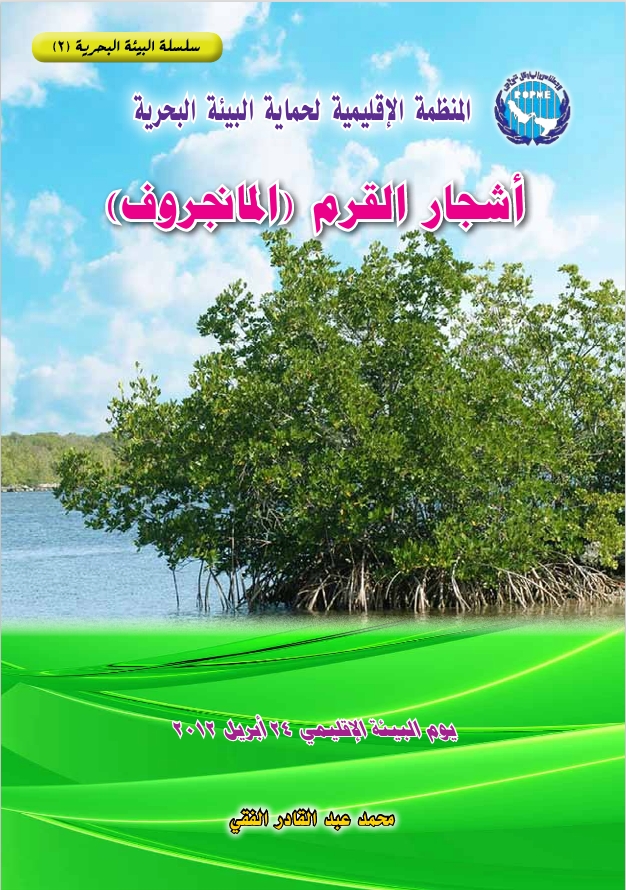
  • Mangrove Trees
    Mangrove Trees

    This special publication, issued on the occasion of Regional Environment Day (April 24, 2012), highlights the significance of mangrove trees as one of the most vital and productive coastal ecosystems. It provides a comprehensive overview of their environmental, historical, scientific, and economic importance, with particular focus on their status within the Regional Organization for the

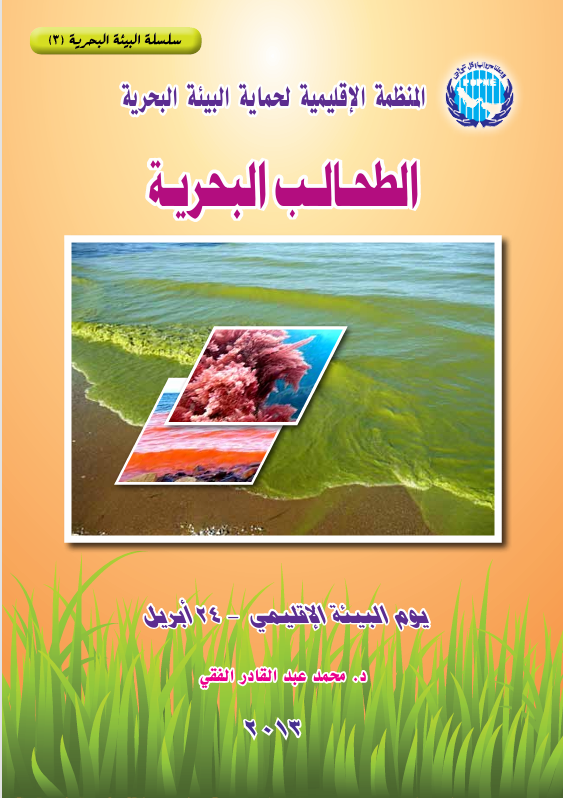
  • Marine Algae
    Marine Algae

    This publication provides a comprehensive introduction to marine algae, highlighting their biological characteristics, classification, distribution, and environmental and economic importance. It also explains their vital role in supporting fisheries and discusses the potential risks associated with the excessive proliferation of harmful algal species. The publication was issued by the Regional Organization for the Protection of

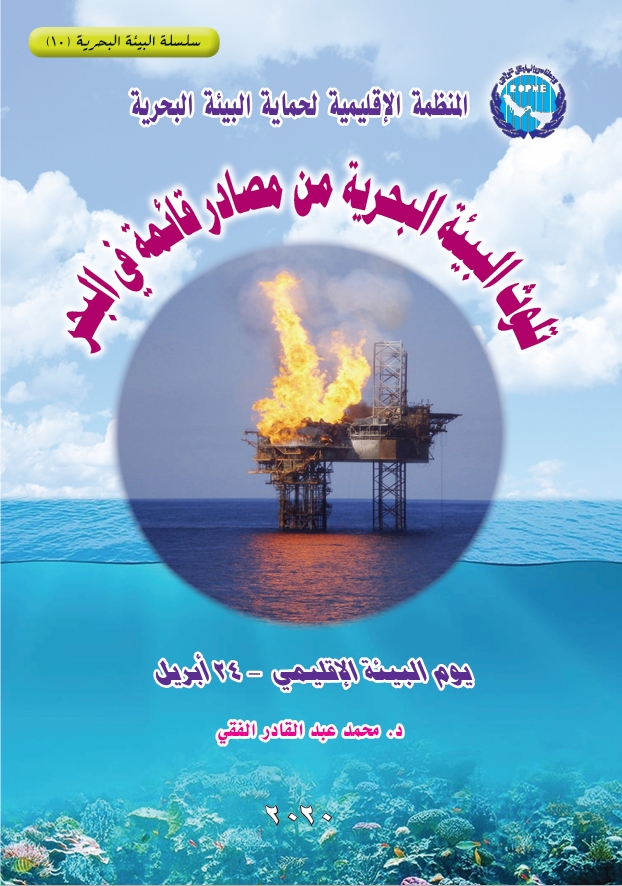
  • Marine Environment Series: Marine Pollution from Offshore (sea-based) sources
    Marine Environment Series: Marine Pollution from Offshore (sea-based) sources

    This special publication from the Marine Environment Series (2020) addresses marine pollution from offshore (sea-based) sources, focusing on the marine environment within the Regional Organization for the Protection of the Marine Environment (ROPME) area and the growing environmental challenges driven by human activities, particularly those linked to oil, shipping, and industrial development. The ROPME marine

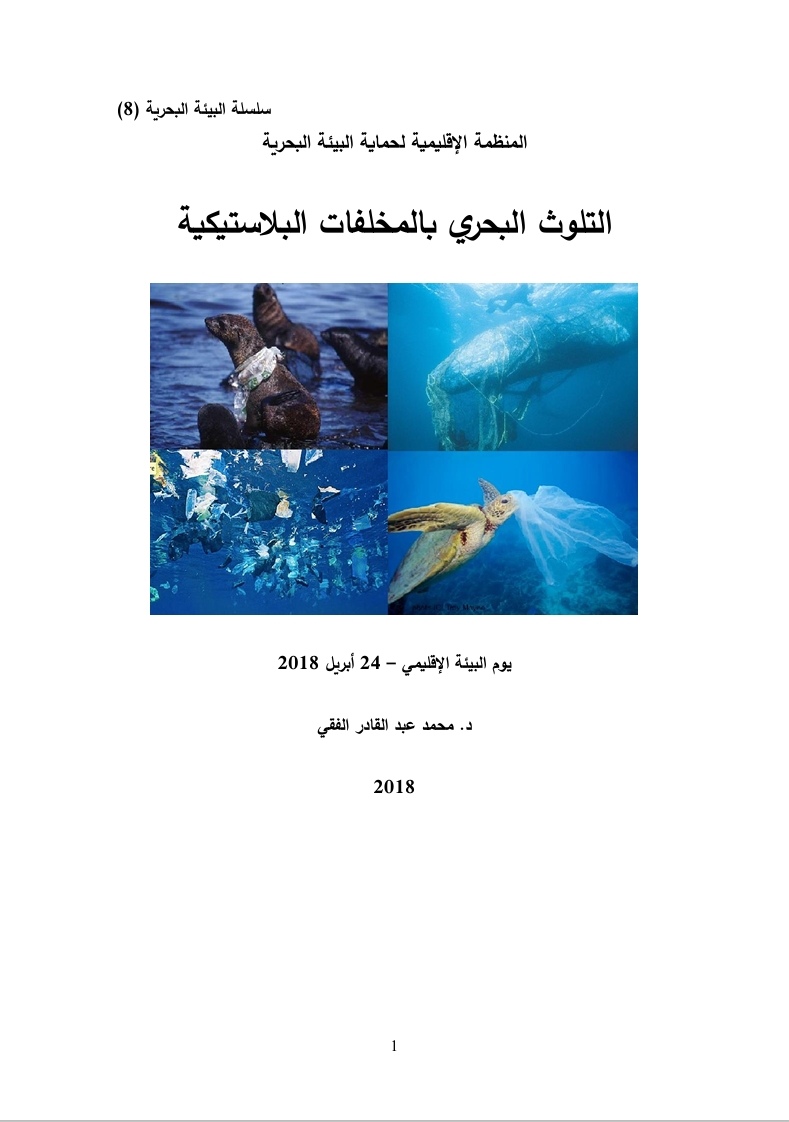
  • Marine Plastic Pollution: Challenges and Solutions in the ROPME Sea Area
    Marine Plastic Pollution: Challenges and Solutions in the ROPME Sea Area

    The eighth issue of the Marine Environment Series published by the Regional Organization for the Protection of the Marine Environment (ROPME) addresses marine pollution caused by plastic waste as one of the most critical environmental challenges facing the world’s oceans, including the ROPME Sea Area. The report emphasizes that plastic pollution is more persistent and,

  • MOOPAM (2010)
    MOOPAM (2010)

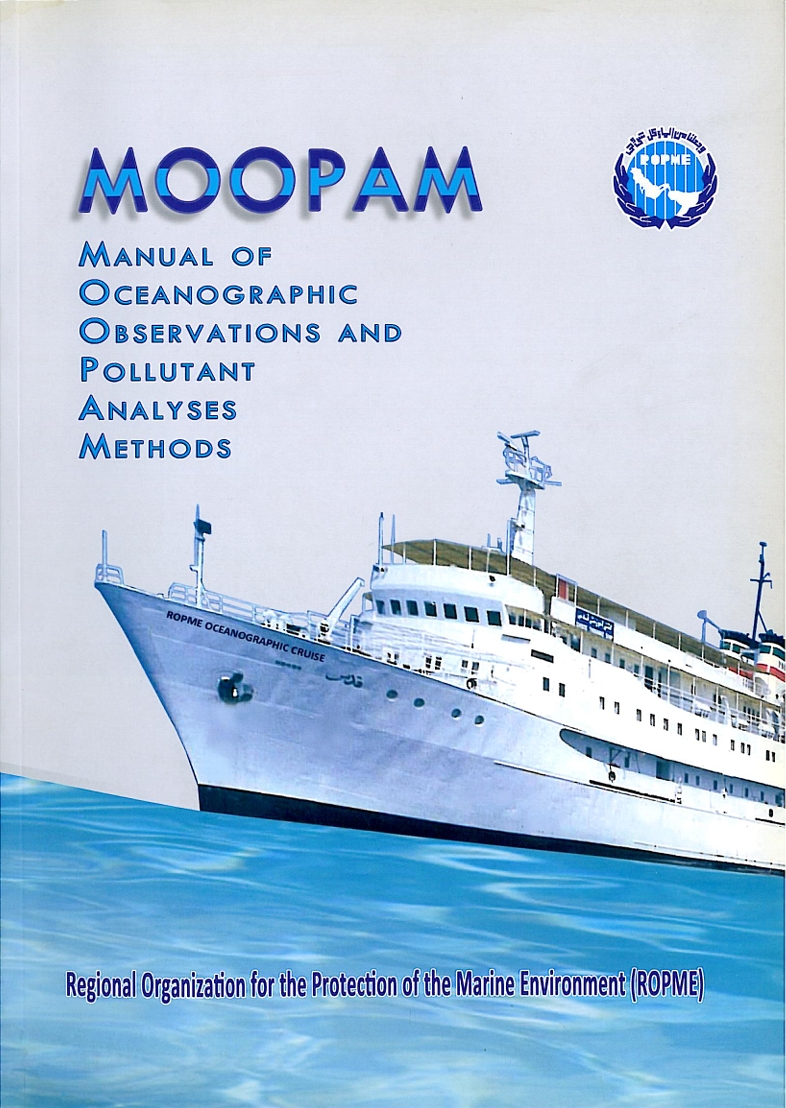
    A revised edition for the guide to the fieldsurveys, sampling and analytical methods to beused by the participating institutions forimplementation of the Monitoring and ResearchProgramme for analyses of oceanographicparameters and oil and non-oil pollutants in theROPME Sea Area. In this revised edition of MOOPAM severalconsiderations were taken into account, i.e. thedevelopment of analytical capabilities in

  • Offshore Environment of the ROPME Sea Area after the War-Related Oil Spill: Results of the 1993–94 Umitaka-Maru Cruises
    Offshore Environment of the ROPME Sea Area after the War-Related Oil Spill: Results of the 1993–94 Umitaka-Maru Cruises

    The publication “Offshore Environment of the ROPME Sea Area after the War-Related Oil Spill: Results of the 1993–94 Umitaka-Maru Cruises” presents a comprehensive scientific assessment of the marine environment in the ROPME Sea Area (RSA) following the environmental catastrophe caused by the 1990–1991 Gulf War oil spill. The RSA, bordered by eight countries (Bahrain, Iran,

  • Overview on Land-based Sources and Activities Affecting the Marine Environment in the ROPME Sea Area
    Overview on Land-based Sources and Activities Affecting the Marine Environment in the ROPME Sea Area

    A comprehensive overview of land-based sources and activities affecting the marine, coastal and associated freshwater environments in the ROPME Sea Area, including the status of activities dealing with the protection of those environments from land-based sources. This work is based on a review of the relevant information and activities of the individual countries making up

Explore More
  • Scientific Expedition of the Research Vessel (Mount Mitchell)                     February – June 1992
    Scientific Expedition of the Research Vessel (Mount Mitchell) February – June 1992

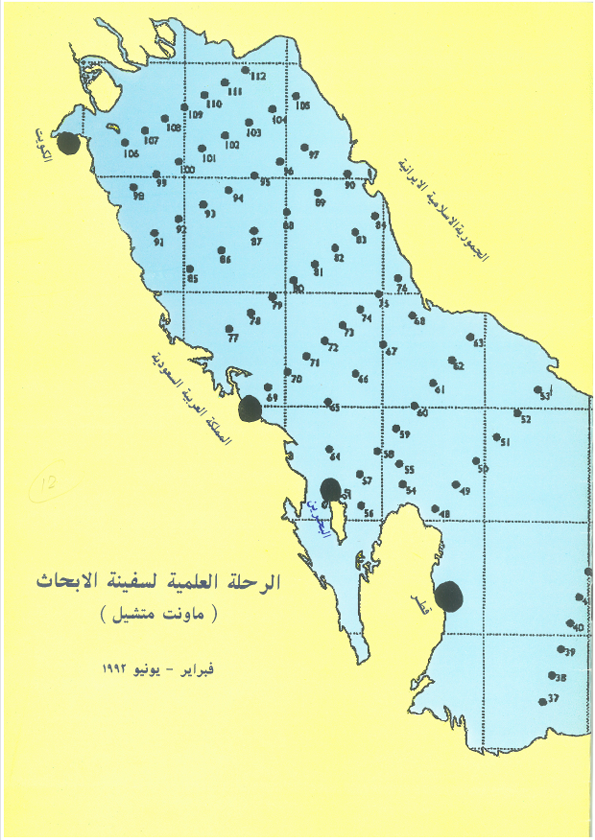
    This periodic bulletin issued by the Regional Organization for the Protection of the Marine Environment (ROPME) in January 1992 presents details of the scientific expedition of the U.S. research vessel “Mount Mitchell”, which was conducted as part of the Regional Marine Plan for the Study of the Environmental Impacts Resulting from the Gulf War. The

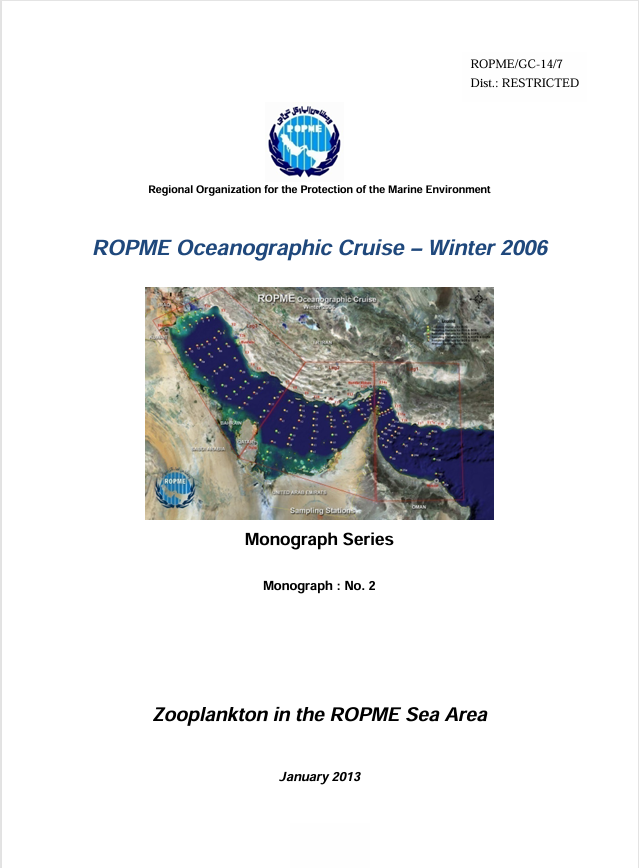
  • Scientific Monograph No. (2): Zooplankton in the ROPME Sea Area
    Scientific Monograph No. (2): Zooplankton in the ROPME Sea Area

    This scientific monograph is one of the specialized publications issued by the Regional Organization for the Protection of the Marine Environment (ROPME). It presents a comprehensive taxonomic overview of zooplankton in the ROPME Sea Area, based on samples collected during the Regional Oceanographic Cruise conducted in Winter 2006, one of the largest collaborative marine scientific

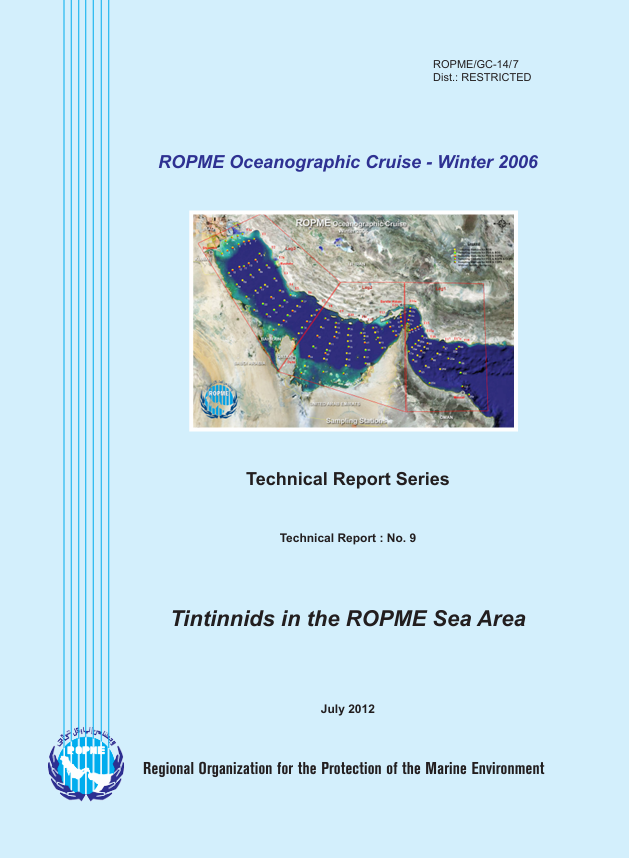
  • Technical Report: No. (9): Tintinnids in the ROPME Sea Area
    Technical Report: No. (9): Tintinnids in the ROPME Sea Area

    This report presents the findings of the study on Tintinnids in the Regional Organization for the Protection of the Marine Environment Sea Area (ROPME Sea Area – RSA), conducted during the Regional Oceanographic Cruise in the winter of 2006. The study aimed to document the taxonomic diversity and spatial distribution of these microscopic organisms and

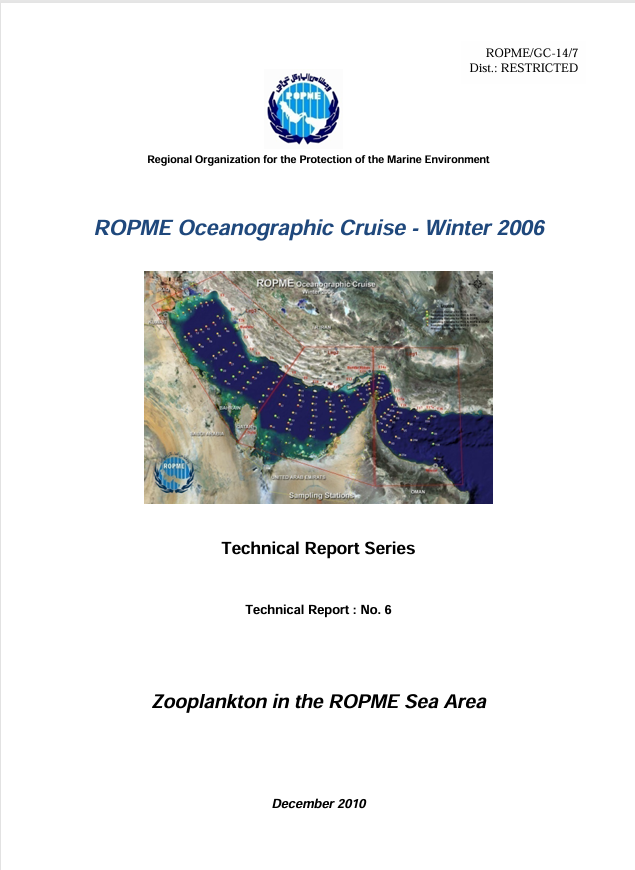
  • Technical Report: No. (6) Zooplankton in the ROPME Sea Area
    Technical Report: No. (6) Zooplankton in the ROPME Sea Area

    This report presents the findings of the study on zooplankton in the Regional Organization for the Protection of the Marine Environment Sea Area (ROPME Sea Area – RSA) during the winter of 2006. The study was conducted as part of the Regional Oceanographic Cruise Programme, which aimed to assess marine biodiversity and improve understanding of

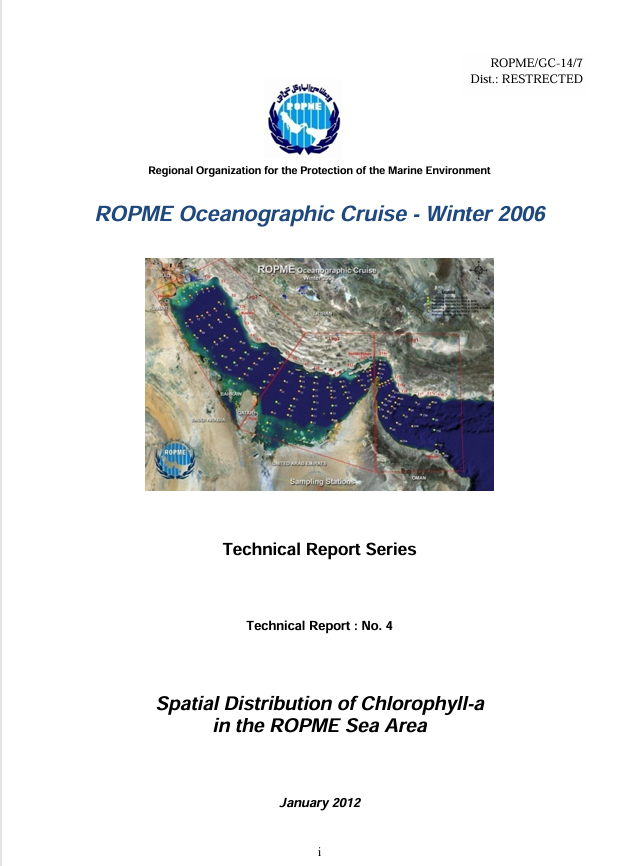
  • Technical Report No. (4): Spatial Distribution of Chlorophyll a in the Regional Organization for the Protection of the Marine Environment (ROPME) Sea Area
    Technical Report No. (4): Spatial Distribution of Chlorophyll a in the Regional Organization for the Protection of the Marine Environment (ROPME) Sea Area

    This report presents the findings of the study on the spatial distribution of Chlorophyll-a concentrations in the Regional Organization for the Protection of the Marine Environment Sea Area (ROPME Sea Area – RSA) during the winter of 2006. The study was conducted as part of the Regional Oceanographic Cruise Programme implemented by ROPME to assess

  • Technical Report No. (5):Phytoplankton in the Marine Area of the Regional Organization for the Protection of the Marine Environment (ROPME)
    Technical Report No. (5):Phytoplankton in the Marine Area of the Regional Organization for the Protection of the Marine Environment (ROPME)

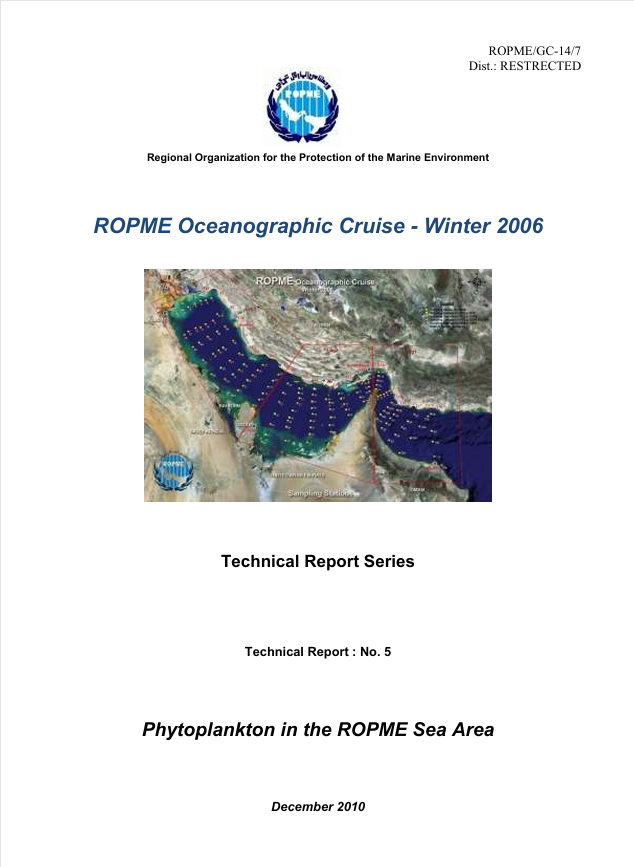
    This report presents the results of a comprehensive study on phytoplankton communities in the ROPME Sea Area (RSA), conducted as part of the Regional Winter Oceanographic Cruise Programme 2006. The study aimed to assess phytoplankton biodiversity, spatial distribution, abundance, and their role in marine ecosystem dynamics. Phytoplankton are microscopic plant-like organisms inhabiting marine environments and

  • Technical Report No. (12): Phytoplankton Cysts in the ROPME Sea Area 2020
    Technical Report No. (12): Phytoplankton Cysts in the ROPME Sea Area 2020

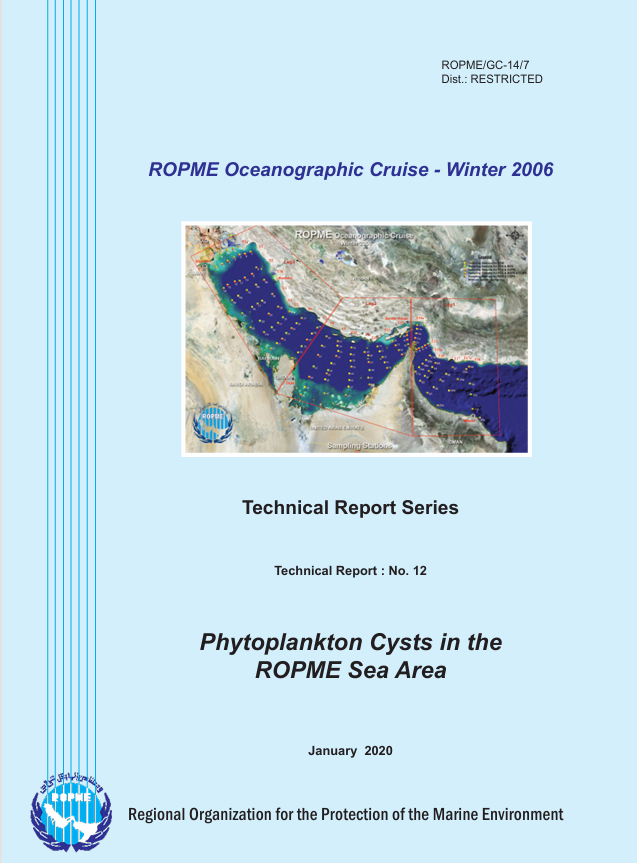
    This report presents a comprehensive study of phytoplankton cysts in the Regional Organization for the Protection of the Marine Environment (ROPME) Sea Area, based on surface sediment samples collected during the Regional Oceanographic Cruise conducted in winter 2006. It represents the first large-scale regional investigation addressing the spatial distribution, taxonomic diversity, and abundance of phytoplankton

  • Technical Report No. (2): Physical Oceanography in the ROPME Sea Area
    Technical Report No. (2): Physical Oceanography in the ROPME Sea Area

    This report presents the findings of a comprehensive assessment of the physical characteristics of seawater in the Regional Organization for the Protection of the Marine Environment (ROPME) Sea Area, based on data collected during the Third Regional Oceanographic Cruise conducted in winter 2006. The study was undertaken to improve understanding of the physical processes governing