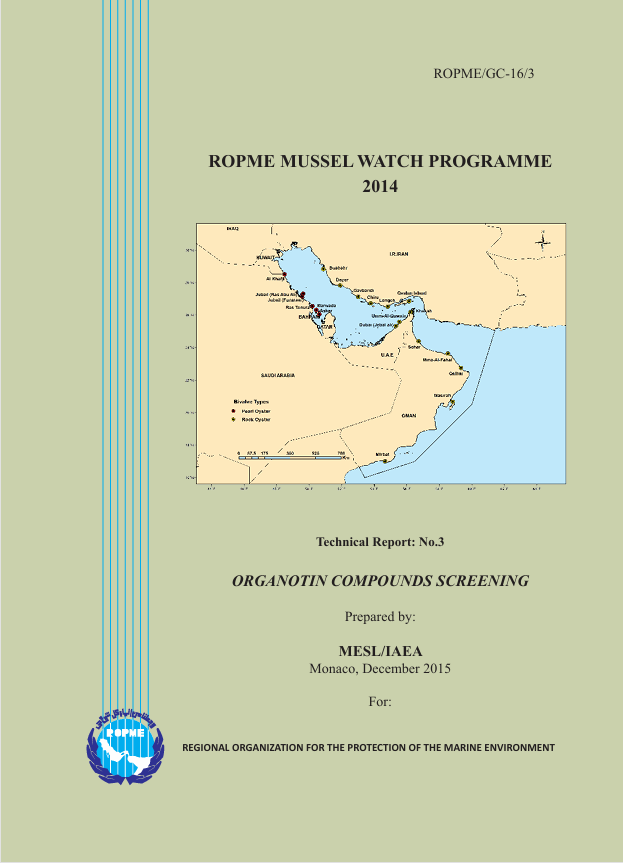
ROPME Mussel Watch Programme: Organotin Compounds Screening in the Marine Environment 2014

Filters
Filters
Publication Date

2014

Issue

2014

Introduction

Within the framework of scientific and technical cooperation between the Regional Organization for the Protection of the Marine Environment (ROPME) and the International Atomic Energy Agency (IAEA), and as part of regional environmental monitoring programmes, a specialized study was implemented under the ROPME Mussel Watch Programme 2014 to assess the levels of organotin compounds (Organotin Compounds) in the marine environment of the ROPME Sea Area (ROPME Sea Area – RSA).

This study forms part of a series of previous monitoring programmes implemented by the Organization in cooperation with the International Atomic Energy Agency, including the ROPME-IAEA Pollution Monitoring Project (1994–2005) and the 2011 Mussel Watch Programme, where these programmes aim to monitor the status of the marine environment and assess the accumulation of chemical pollutants in coastal areas.

This report represents an extension of the previous reports issued by the Organization during 2001 and 2013, focusing on assessing the presence of organotin compounds in marine sediments and marine organisms, and comparing the current results with previous data to determine temporal changes in pollution levels.

Study Objectives

The study focused on achieving several main objectives, including:

Assessing the levels of organotin compounds in the main coastal areas within the ROPME Sea Area.

Determining the concentrations of organotin compounds in marine sediments and marine organisms.

Evaluating the impact of various human activities, particularly those related to maritime transport and ports, on the distribution of these compounds.

Comparing the 2014 results with the results of previous studies to determine temporal pollution trends.

Providing reliable scientific data to support environmental management and the protection of marine ecosystems in Member States.

View more

Study Scope and Sampling Locations

Sampling activities were carried out during the period from February to July 2014, covering coastal areas in the following countries:

Kingdom of Bahrain.

Islamic Republic of Iran.

Republic of Iraq.

Sultanate of Oman.

Kingdom of Saudi Arabia.

United Arab Emirates.

The study included two main types of samples:

First: Marine Sediment Samples (Sediments)

Sediment samples were collected from coastal areas to assess the accumulation of organotin compounds in the seabed marine environment, as sediments are considered one of the most important reservoirs for the long-term accumulation of chemical pollutants.

Second: Marine Organism Samples (Biota)

Marine oysters and molluscs were used as bioindicators (Bioindicators) due to their ability to accumulate pollutants from the surrounding environment. The samples included:

Pearl Oyster (Pearl Oyster).

Rock Oyster (Rock Oyster).

The use of marine organisms as pollutant indicators is considered an effective global tool for assessing marine environmental quality and monitoring long-term changes.

Importance of Organotin Compounds

Organotin compounds are considered important chemical pollutants in the marine environment, most notably tributyltin (Tributyltin – TBT). TBT is considered one of the most environmentally significant organotin compounds, as it was historically used in antifouling paints on ship hulls and marine coatings to prevent the growth of marine organisms on ships and marine structures.

However, its use resulted in serious environmental impacts due to its high toxicity and its ability to accumulate in marine organisms, which led to the imposition of international restrictions on its use, including the International Maritime Organization (IMO) Convention on Anti-fouling Systems.

Other Organotin Compounds

The study also included:

Monobutyltin (Monobutyltin – MBT).

Dibutyltin (Dibutyltin – DBT).

These compounds are considered degradation products of TBT in the marine environment.

Analytical and Screening Methodology

The study relied on advanced analytical methodologies developed by the laboratories of the International Atomic Energy Agency, and included:

Processing, drying, and preparation of sediment and marine organism samples.

Extraction of organotin compounds using advanced chemical techniques.

Purification of samples using chemical adsorption columns.

Analysis of compounds using:

Gas Chromatography – Mass Spectrometry

(Gas Chromatography/Mass Spectrometry – GC-MS)

Strict quality control procedures were also applied, including:

Analysis of blank samples (Blanks) to verify the absence of contamination during analysis.

Use of internationally certified reference materials for marine sediments, including:

NRC SOPH-1.

BCR-462.

To ensure the accuracy and reliability of the results.

Main General Results

First: Organotin Compounds in Marine Sediments

The analytical results showed the presence of varying concentrations of organotin compounds among the different monitoring sites.

The differences in pollution levels were associated with the nature of human activities in coastal areas, particularly ports,

ship traffic areas, and areas with high marine and industrial activities.

The results showed the presence of TBT compounds and their degradation products (DBT and MBT), indicating historical impacts resulting from the use of antifouling marine paints.

Second: Organotin Compounds in Marine Organisms

Samples of oysters and marine molluscs showed a clear ability to accumulate organotin compounds, confirming the importance of their use as bioindicators for monitoring marine pollution.

The results showed variations in compound levels among different locations, reflecting differences in environmental pressure sources and local marine activities.

Third: Assessment of Temporal Pollution Trends

When comparing the 2014 results with previous studies, the data contributed to assessing temporal changes in organotin compound levels.

The comparisons demonstrated the importance of continuing regular monitoring programmes, particularly to track the impact of international measures aimed at reducing the use of TBT compounds in marine activities.

The results also confirmed the importance of monitoring areas with intensive maritime activity for the early detection of any potential increase in the levels of these pollutants.

Main Conclusions

The report concluded the following:

Organotin compounds represent one of the important pollutants that should continue to be monitored within marine environmental monitoring programmes in the ROPME Sea Area.

The levels of these compounds are mainly associated with marine activities, particularly ship traffic, ports, and the use of antifouling marine coatings.

The Mussel Watch Programme has proven its effectiveness as a scientific tool for assessing the accumulation of chemical pollutants in the marine environment.

The study results provide an important database for monitoring temporal changes in pollution levels and supporting environmental decisions.

The report confirms the importance of continuing cooperation between ROPME and IAEA to implement advanced scientific monitoring programmes.

Importance of the Report for the Regional Organization for the Protection of the Marine Environment (ROPME)

This report represents one of the important reference studies within the regional environmental monitoring system implemented by the Organization in cooperation with the International Atomic Energy Agency, as it contributes to:

  • Enhancing scientific knowledge regarding the status of the marine environment in the ROPME Sea Area.
  • Evaluating the impact of marine activities on the quality of coastal ecosystems.
  • Supporting policies and measures related to reducing marine pollution.
  • Providing scientific data used in environmental planning and management.
  • Strengthening regional and international cooperation in the field of marine environmental protection.

Conclusion:

The 2014 Mussel Watch Programme Report – Organotin Compounds Screening confirms that the marine environment in the ROPME Sea Area is affected, to varying degrees, by organic pollutant compounds associated with marine activities, particularly organotin compounds resulting from the historical use of antifouling paints.

The report also highlights the importance of continuing regular scientific monitoring programmes to ensure early detection of environmental changes, and to support Member States’ efforts in protecting marine ecosystems and maintaining their sustainability for future generations.
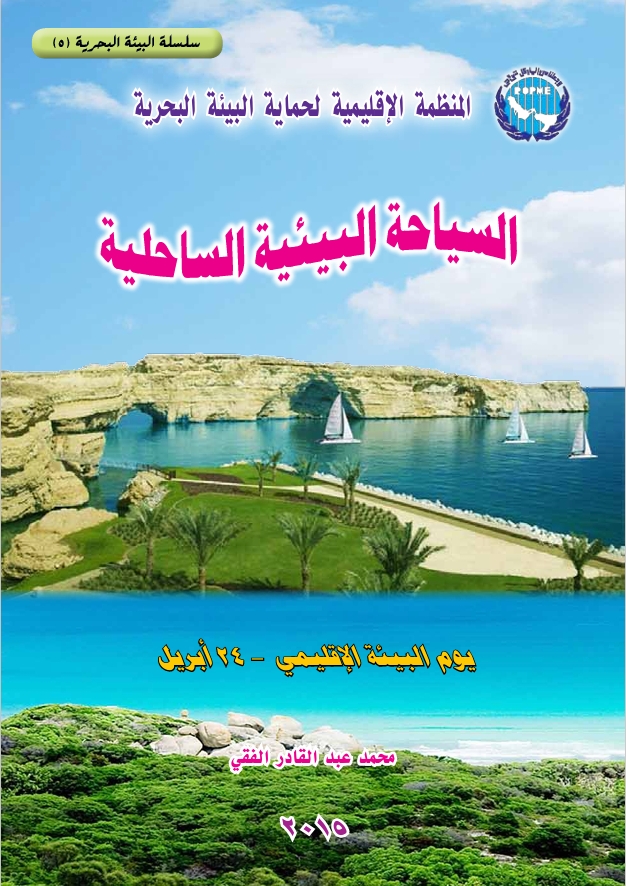
  • Coastal ecotourism
    Coastal ecotourism

    This publication This publication issued by the Regional Organization for the Protection of the Marine Environment (ROPME), as part of Marine Environment Series (5), addresses Coastal Ecotourism on the occasion of Regional Environment Day (24 April 2015). It highlights ecotourism as a key instrument for sustainable development and coastal environmental protection. The newsletter emphasizes that

  • Encroachment on beaches and its impact on the safety of the coastal environment
    Encroachment on beaches and its impact on the safety of the coastal environment

    This publication, part of the Marine Environment Series (No. 11) issued by the Regional Organization for the Protection of the Marine Environment (ROPME), addresses the issue of coastal encroachment and its impact on the integrity of the coastal environment. It highlights the ecological and economic significance of beaches as dynamic ecosystems rich in biodiversity, essential

  • Environmental Characteristics and Marine Pollution in the Marine Area of the Regional Organization for the Protection of the Marine Environment (ROPME)
    Environmental Characteristics and Marine Pollution in the Marine Area of the Regional Organization for the Protection of the Marine Environment (ROPME)

    This scientific publication examines the environmental and oceanographic characteristics of the marine area under the Regional Organization for the Protection of the Marine Environment (ROPME), highlighting the major natural resources of the region and the environmental challenges it faces, particularly marine pollution resulting from human, industrial, and oil-related activities. It also highlights regional efforts aimed

  • Green economy
    Green economy

    This publication addresses the concept of the green economy as a key modern approach in environmental and development thinking. The term emerged prominently through the United Nations Environment Programme (UNEP) in 2008 and was globally recognized as a central pillar of sustainable development, particularly during the Rio+20 Conference. A green economy is defined as an

  • Guidelines for the Preparation of National Report on the State of the Marine Environment
    Guidelines for the Preparation of National Report on the State of the Marine Environment

    The document titled “Guidelines for the Preparation of National Report on the State of the Marine Environment” (ROPME, 2007) provides a structured framework for Member States to prepare national reports that contribute to the regional State of the Marine Environment Report (SOMER). Developed in collaboration with UNEP and aligned with the GEO (Global Environment Outlook)

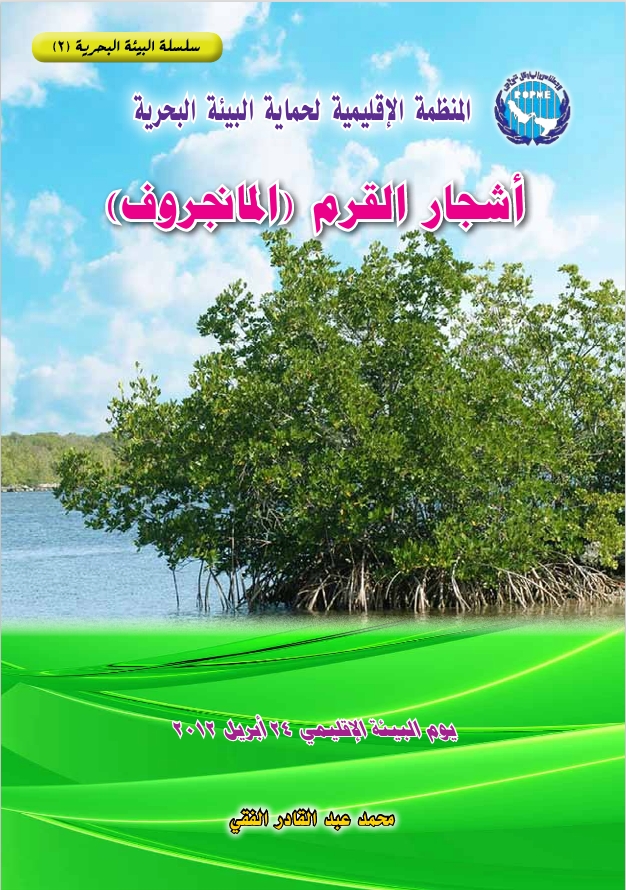
  • Mangrove Trees
    Mangrove Trees

    This special publication, issued on the occasion of Regional Environment Day (April 24, 2012), highlights the significance of mangrove trees as one of the most vital and productive coastal ecosystems. It provides a comprehensive overview of their environmental, historical, scientific, and economic importance, with particular focus on their status within the Regional Organization for the

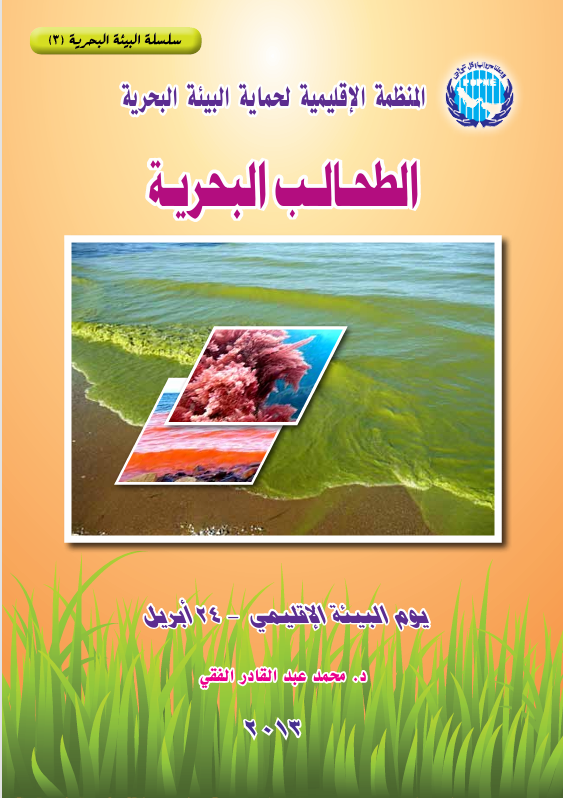
  • Marine Algae
    Marine Algae

    This publication provides a comprehensive introduction to marine algae, highlighting their biological characteristics, classification, distribution, and environmental and economic importance. It also explains their vital role in supporting fisheries and discusses the potential risks associated with the excessive proliferation of harmful algal species. The publication was issued by the Regional Organization for the Protection of

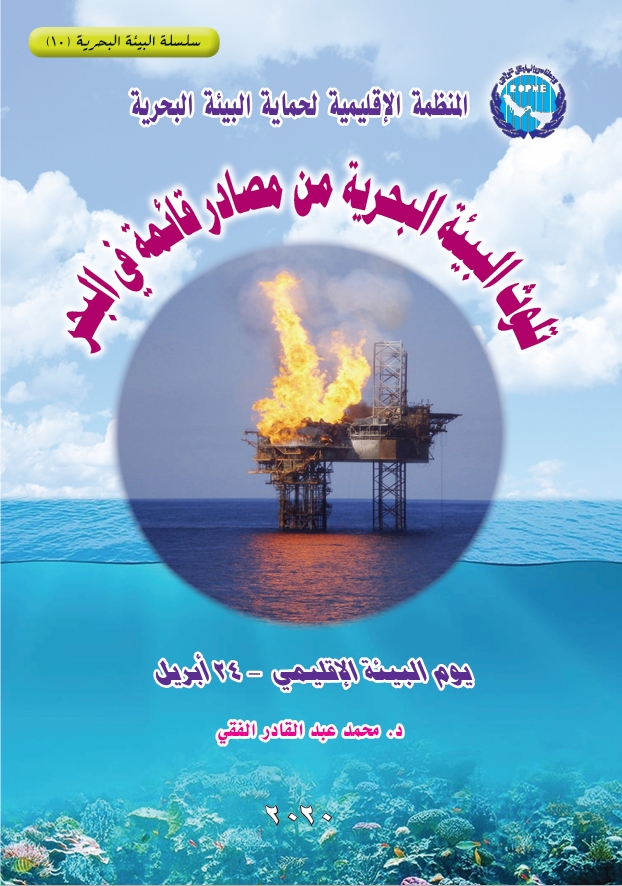
  • Marine Environment Series: Marine Pollution from Offshore (sea-based) sources
    Marine Environment Series: Marine Pollution from Offshore (sea-based) sources

    This special publication from the Marine Environment Series (2020) addresses marine pollution from offshore (sea-based) sources, focusing on the marine environment within the Regional Organization for the Protection of the Marine Environment (ROPME) area and the growing environmental challenges driven by human activities, particularly those linked to oil, shipping, and industrial development. The ROPME marine

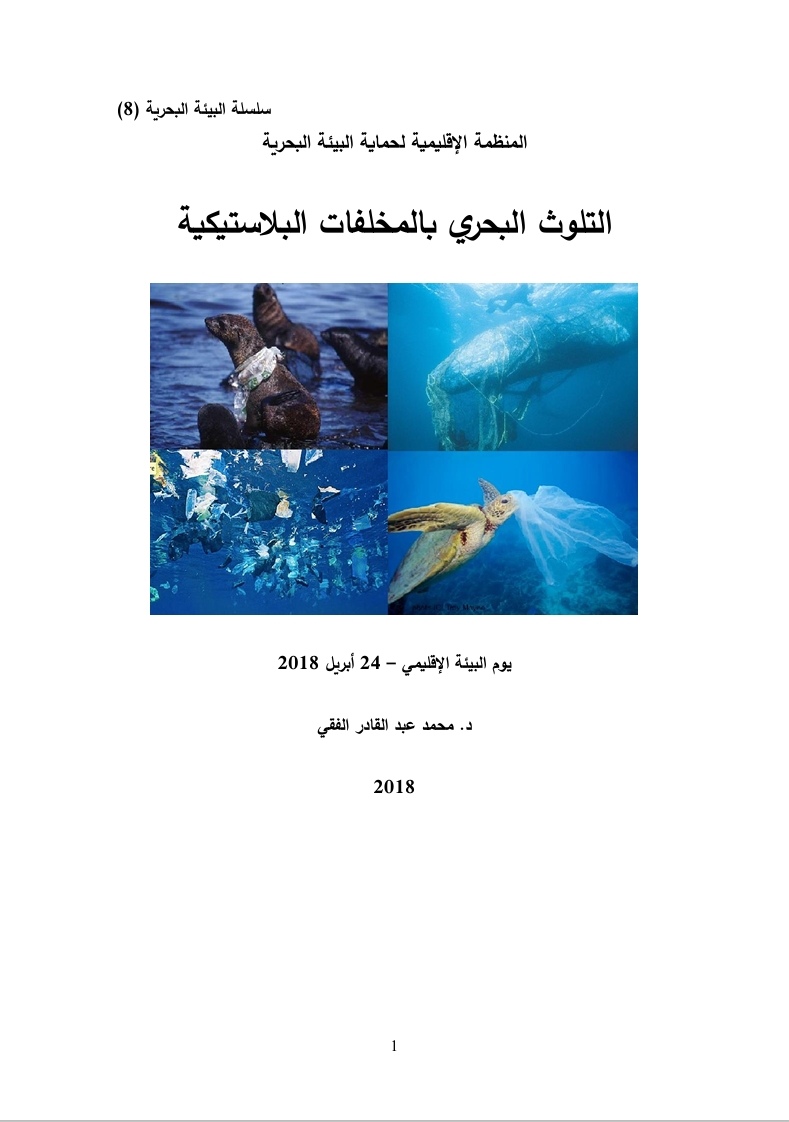
  • Marine Plastic Pollution: Challenges and Solutions in the ROPME Sea Area
    Marine Plastic Pollution: Challenges and Solutions in the ROPME Sea Area

    The eighth issue of the Marine Environment Series published by the Regional Organization for the Protection of the Marine Environment (ROPME) addresses marine pollution caused by plastic waste as one of the most critical environmental challenges facing the world’s oceans, including the ROPME Sea Area. The report emphasizes that plastic pollution is more persistent and,

  • MOOPAM (2010)
    MOOPAM (2010)

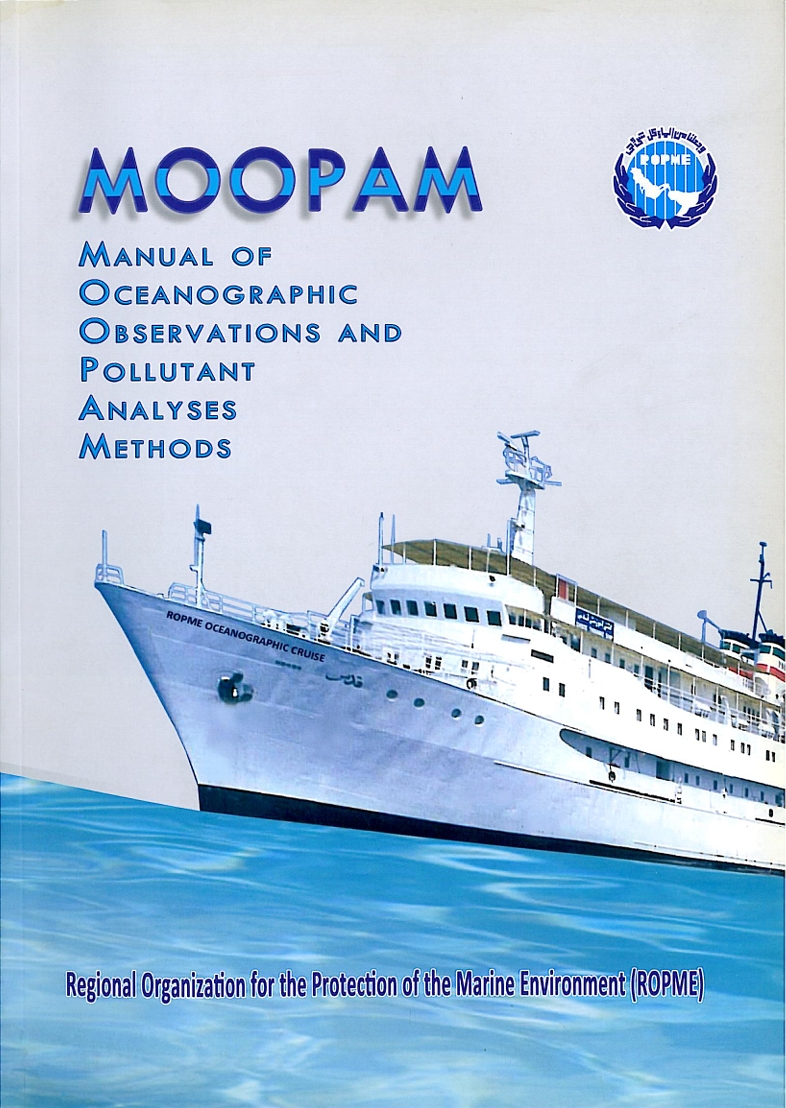
    A revised edition for the guide to the fieldsurveys, sampling and analytical methods to beused by the participating institutions forimplementation of the Monitoring and ResearchProgramme for analyses of oceanographicparameters and oil and non-oil pollutants in theROPME Sea Area. In this revised edition of MOOPAM severalconsiderations were taken into account, i.e. thedevelopment of analytical capabilities in

  • Offshore Environment of the ROPME Sea Area after the War-Related Oil Spill: Results of the 1993–94 Umitaka-Maru Cruises
    Offshore Environment of the ROPME Sea Area after the War-Related Oil Spill: Results of the 1993–94 Umitaka-Maru Cruises

    The publication “Offshore Environment of the ROPME Sea Area after the War-Related Oil Spill: Results of the 1993–94 Umitaka-Maru Cruises” presents a comprehensive scientific assessment of the marine environment in the ROPME Sea Area (RSA) following the environmental catastrophe caused by the 1990–1991 Gulf War oil spill. The RSA, bordered by eight countries (Bahrain, Iran,

  • Overview on Land-based Sources and Activities Affecting the Marine Environment in the ROPME Sea Area
    Overview on Land-based Sources and Activities Affecting the Marine Environment in the ROPME Sea Area

    A comprehensive overview of land-based sources and activities affecting the marine, coastal and associated freshwater environments in the ROPME Sea Area, including the status of activities dealing with the protection of those environments from land-based sources. This work is based on a review of the relevant information and activities of the individual countries making up

Explore More
  • Scientific Expedition of the Research Vessel (Mount Mitchell)                     February – June 1992
    Scientific Expedition of the Research Vessel (Mount Mitchell) February – June 1992

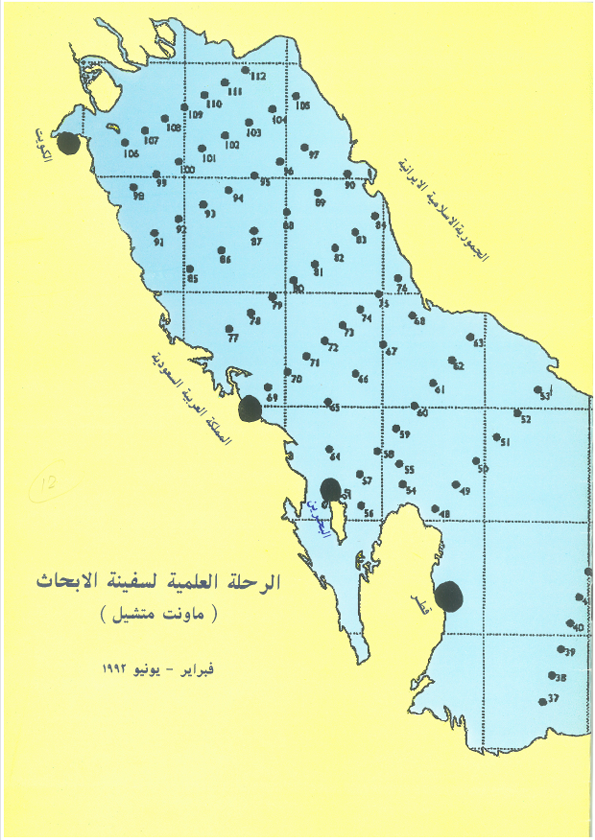
    This periodic bulletin issued by the Regional Organization for the Protection of the Marine Environment (ROPME) in January 1992 presents details of the scientific expedition of the U.S. research vessel “Mount Mitchell”, which was conducted as part of the Regional Marine Plan for the Study of the Environmental Impacts Resulting from the Gulf War. The

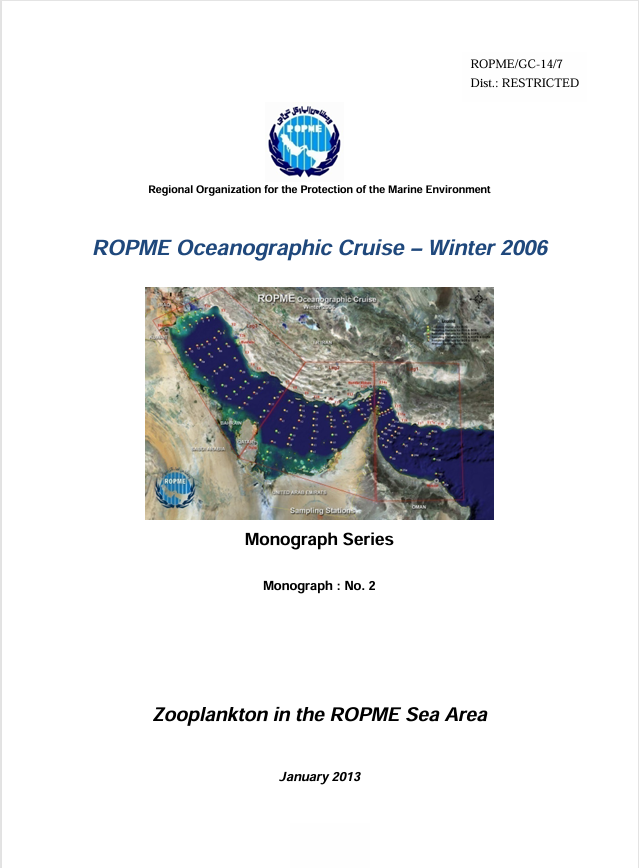
  • Scientific Monograph No. (2): Zooplankton in the ROPME Sea Area
    Scientific Monograph No. (2): Zooplankton in the ROPME Sea Area

    This scientific monograph is one of the specialized publications issued by the Regional Organization for the Protection of the Marine Environment (ROPME). It presents a comprehensive taxonomic overview of zooplankton in the ROPME Sea Area, based on samples collected during the Regional Oceanographic Cruise conducted in Winter 2006, one of the largest collaborative marine scientific

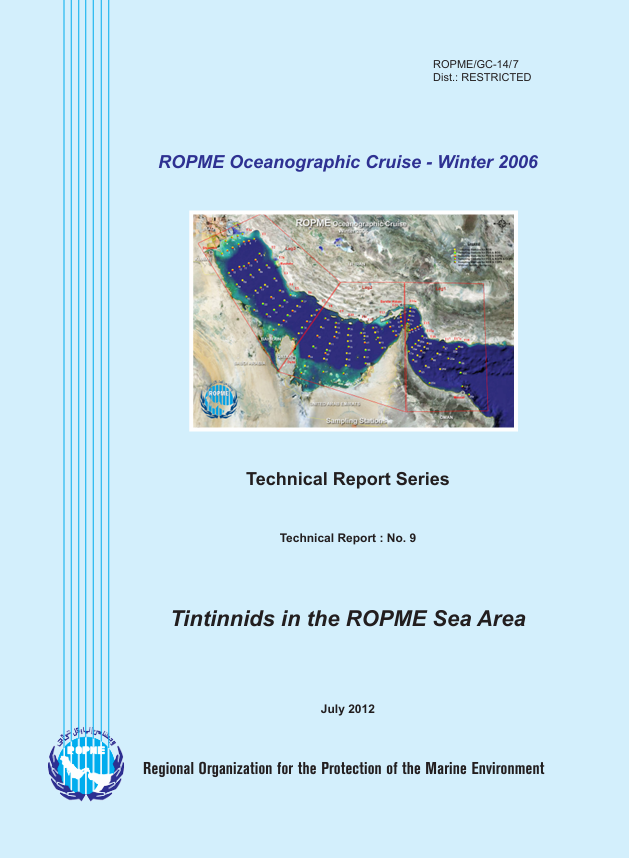
  • Technical Report: No. (9): Tintinnids in the ROPME Sea Area
    Technical Report: No. (9): Tintinnids in the ROPME Sea Area

    This report presents the findings of the study on Tintinnids in the Regional Organization for the Protection of the Marine Environment Sea Area (ROPME Sea Area – RSA), conducted during the Regional Oceanographic Cruise in the winter of 2006. The study aimed to document the taxonomic diversity and spatial distribution of these microscopic organisms and

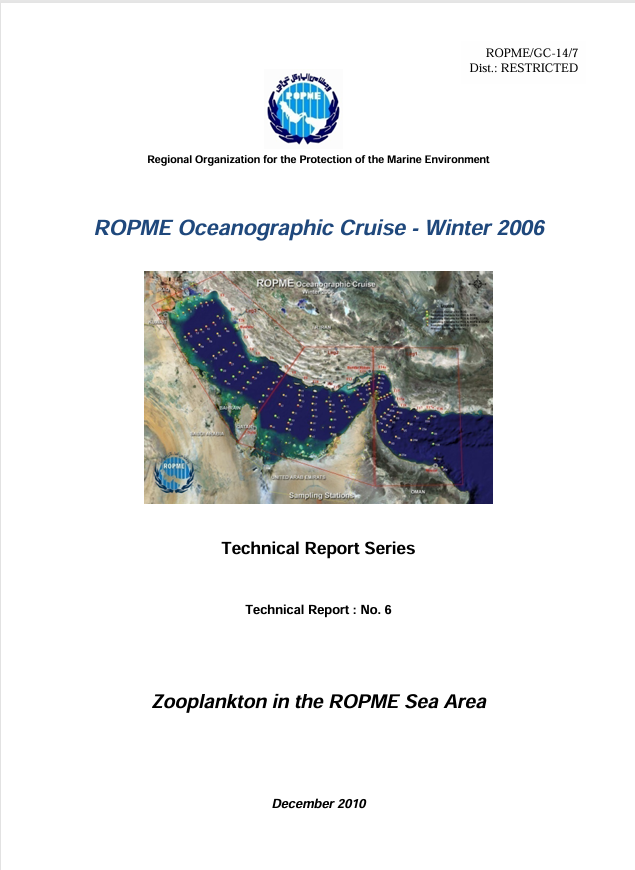
  • Technical Report: No. (6) Zooplankton in the ROPME Sea Area
    Technical Report: No. (6) Zooplankton in the ROPME Sea Area

    This report presents the findings of the study on zooplankton in the Regional Organization for the Protection of the Marine Environment Sea Area (ROPME Sea Area – RSA) during the winter of 2006. The study was conducted as part of the Regional Oceanographic Cruise Programme, which aimed to assess marine biodiversity and improve understanding of

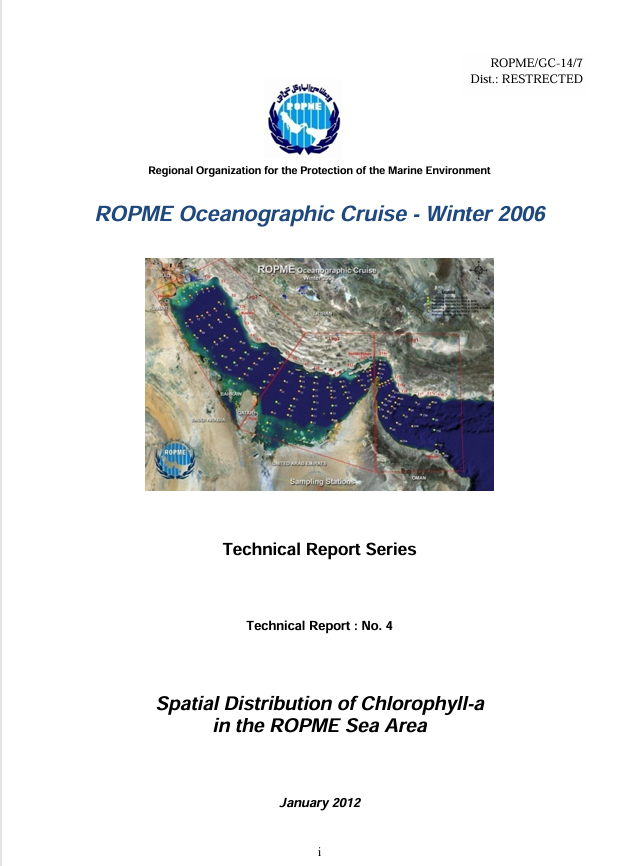
  • Technical Report No. (4): Spatial Distribution of Chlorophyll a in the Regional Organization for the Protection of the Marine Environment (ROPME) Sea Area
    Technical Report No. (4): Spatial Distribution of Chlorophyll a in the Regional Organization for the Protection of the Marine Environment (ROPME) Sea Area

    This report presents the findings of the study on the spatial distribution of Chlorophyll-a concentrations in the Regional Organization for the Protection of the Marine Environment Sea Area (ROPME Sea Area – RSA) during the winter of 2006. The study was conducted as part of the Regional Oceanographic Cruise Programme implemented by ROPME to assess

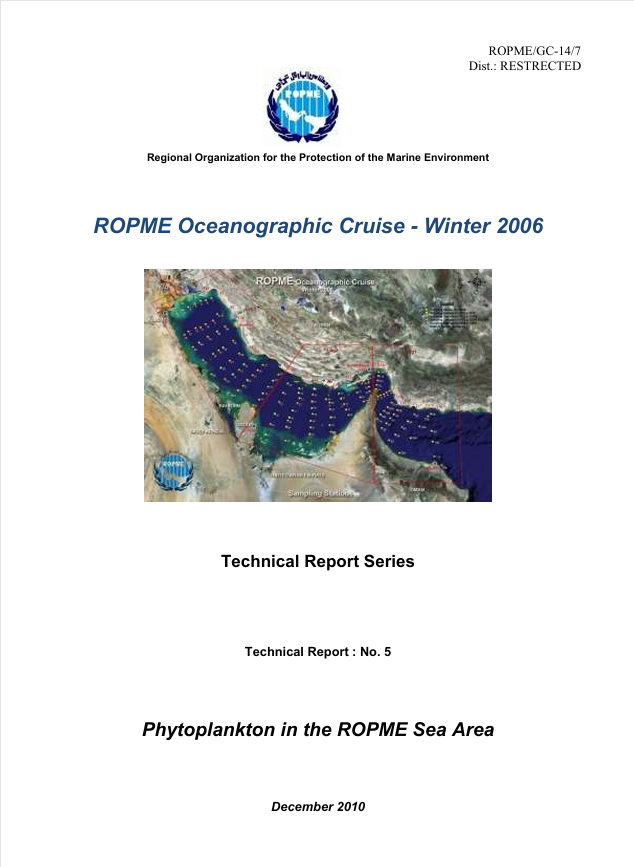
  • Technical Report No. (5):Phytoplankton in the Marine Area of the Regional Organization for the Protection of the Marine Environment (ROPME)
    Technical Report No. (5):Phytoplankton in the Marine Area of the Regional Organization for the Protection of the Marine Environment (ROPME)

    This report presents the results of a comprehensive study on phytoplankton communities in the ROPME Sea Area (RSA), conducted as part of the Regional Winter Oceanographic Cruise Programme 2006. The study aimed to assess phytoplankton biodiversity, spatial distribution, abundance, and their role in marine ecosystem dynamics. Phytoplankton are microscopic plant-like organisms inhabiting marine environments and

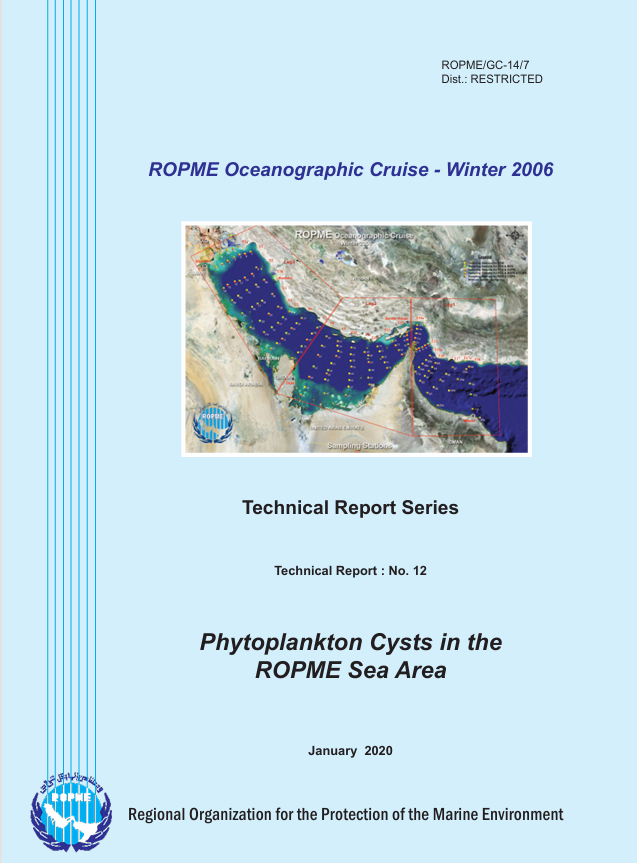
  • Technical Report No. (12): Phytoplankton Cysts in the ROPME Sea Area 2020
    Technical Report No. (12): Phytoplankton Cysts in the ROPME Sea Area 2020

    This report presents a comprehensive study of phytoplankton cysts in the Regional Organization for the Protection of the Marine Environment (ROPME) Sea Area, based on surface sediment samples collected during the Regional Oceanographic Cruise conducted in winter 2006. It represents the first large-scale regional investigation addressing the spatial distribution, taxonomic diversity, and abundance of phytoplankton

  • Technical Report No. (2): Physical Oceanography in the ROPME Sea Area
    Technical Report No. (2): Physical Oceanography in the ROPME Sea Area

    This report presents the findings of a comprehensive assessment of the physical characteristics of seawater in the Regional Organization for the Protection of the Marine Environment (ROPME) Sea Area, based on data collected during the Third Regional Oceanographic Cruise conducted in winter 2006. The study was undertaken to improve understanding of the physical processes governing