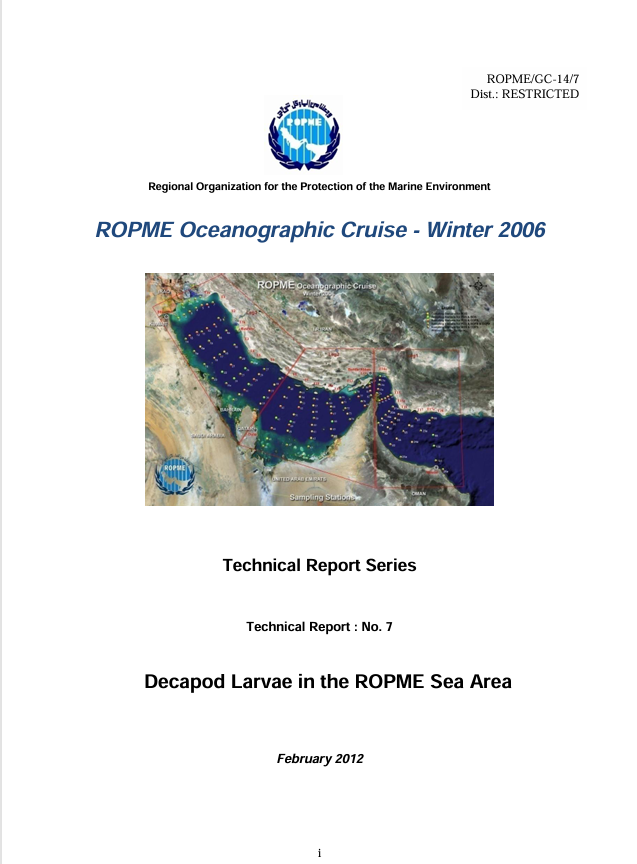


The Regional Organization for the Protection of the Marine Environment (ROPME) published this specialized technical guide as part of its scientific publication series aimed at documenting marine biodiversity in the ROPME Sea Area (RSA) and strengthening regional capacities in biological taxonomy and marine environmental monitoring. The guide serves as a comprehensive scientific reference for the identification of decapod crustacean larvae, which constitute a fundamental component of zooplankton communities and play a vital role in sustaining marine ecosystems, supporting fishery resources, and maintaining marine biodiversity.
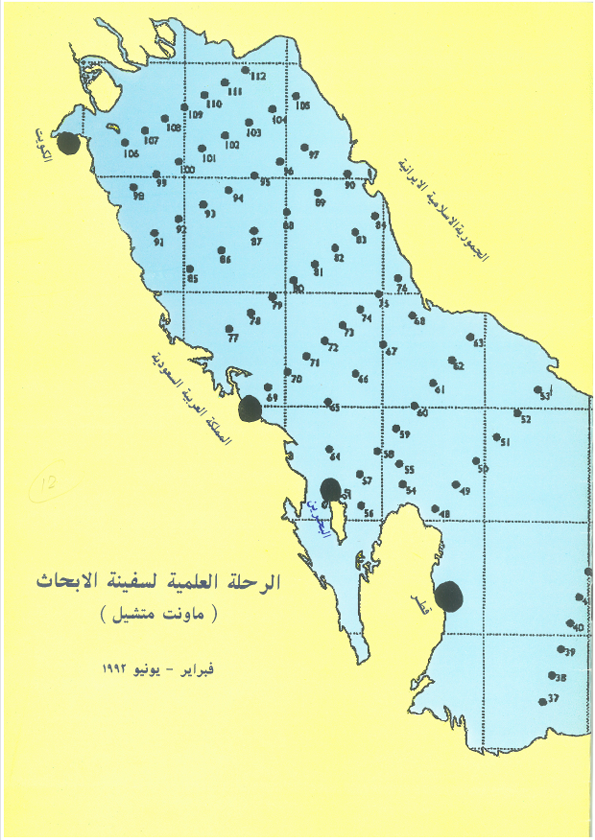
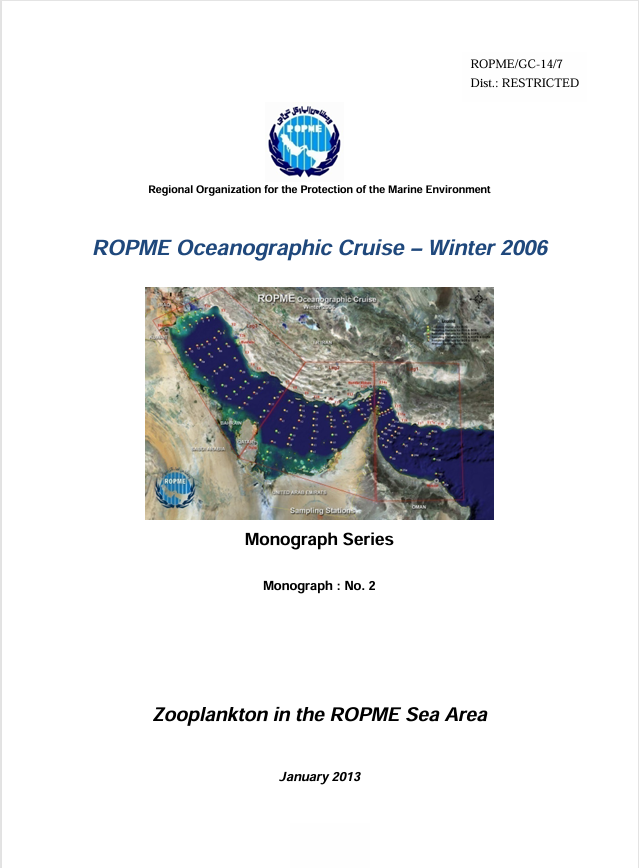
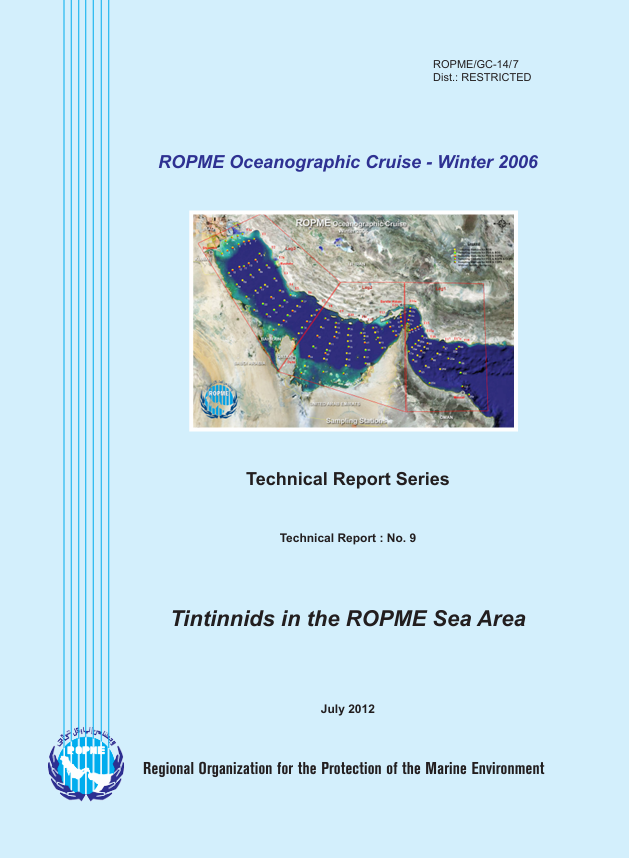
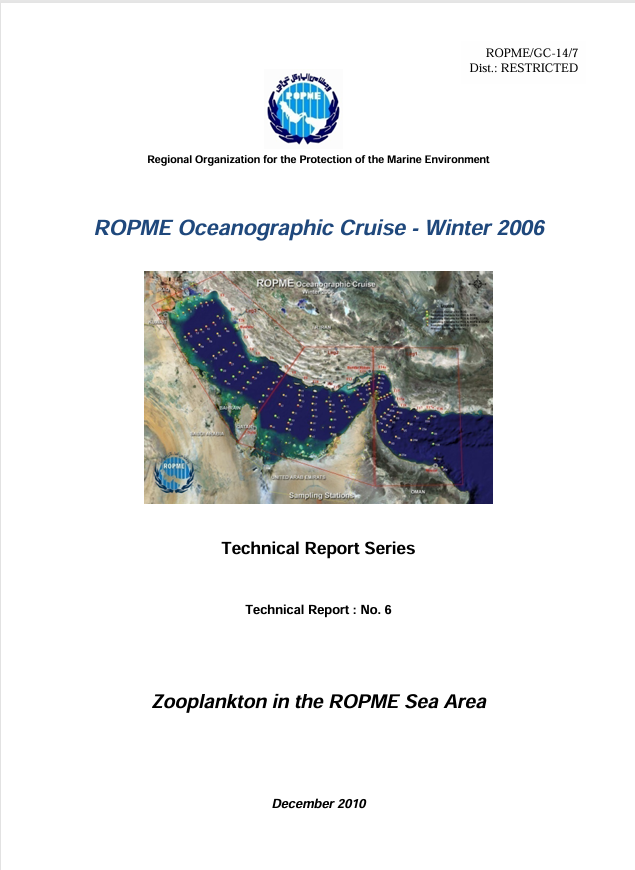
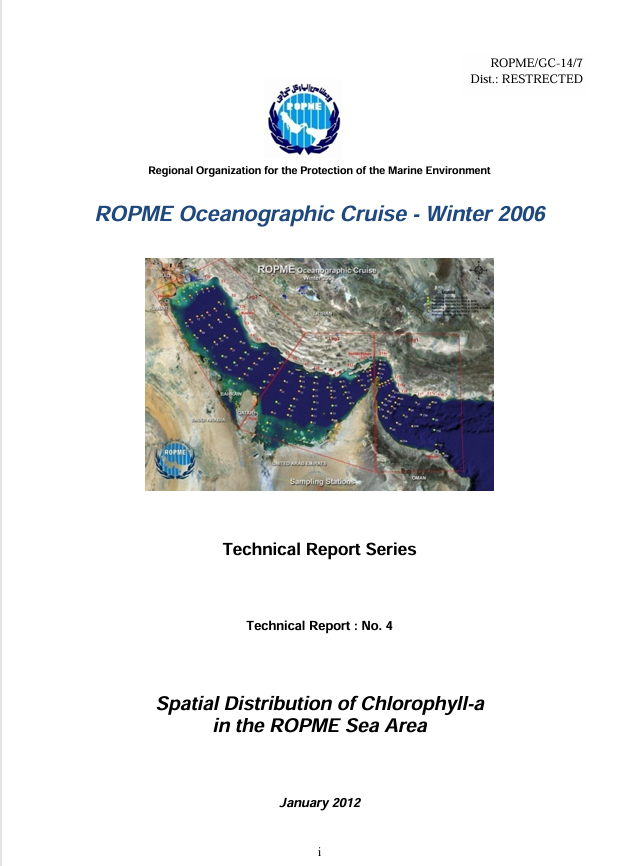
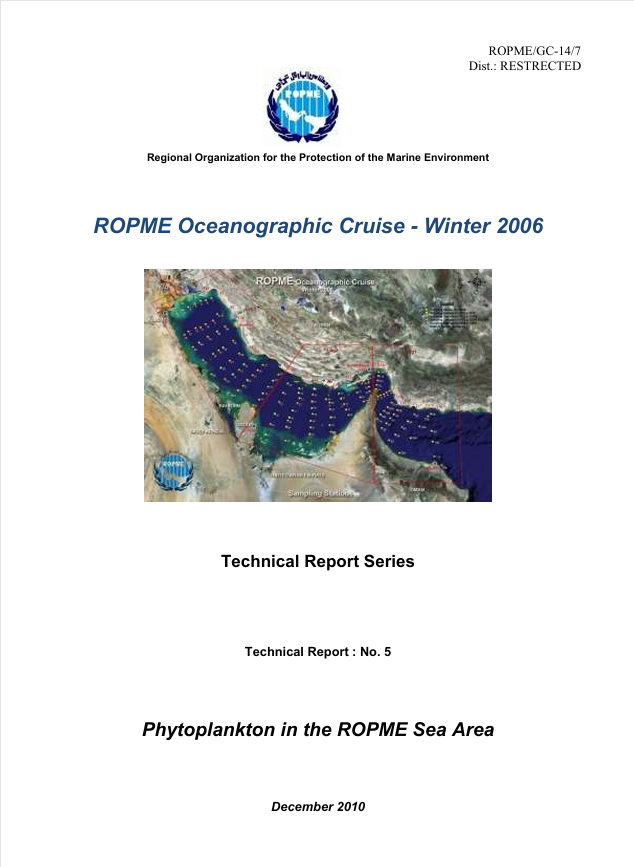
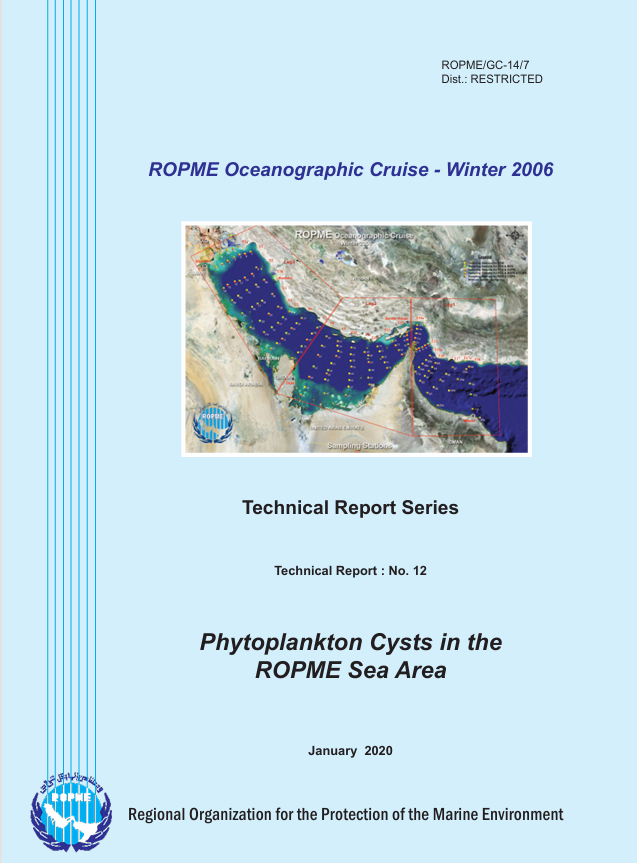
The guide is based on the results of samples collected during the ROPME Oceanographic Cruise, which covered a wide range of marine environments throughout the ROPME Sea Area, including the Arabian Gulf, the Strait of Hormuz, and the Sea of Oman. Zooplankton samples were collected from numerous monitoring stations and subsequently subjected to detailed morphological examination using the latest internationally recognized taxonomic references for decapod crustacean larvae.
The guide provides comprehensive descriptions of the various larval stages of decapod crustaceans, including the Protozoea, Zoea, and Mysis stages. It details the distinguishing anatomical characteristics of each developmental stage, such as the structure of the carapace, eyes, spines, telson, and body appendages, thereby facilitating accurate identification of different species.
In addition, the guide contains high-quality scientific illustrations highlighting the principal morphological features of each species. These illustrations are supported by precise morphometric measurements, detailed anatomical descriptions, and references to internationally recognized scientific literature upon which the taxonomic classifications are based, making the guide a reliable resource for researchers and specialists in marine biology and zoological taxonomy.
The guide also documents the geographical distribution of a wide range of species throughout the ROPME Sea Area by identifying their occurrence at individual monitoring stations. This provides an important scientific database on species distribution patterns across the Arabian Gulf, the Sea of Oman, and the Strait of Hormuz, contributing to a better understanding of the biological and ecological characteristics of marine organisms within the region.
Furthermore, the guide covers numerous families and genera of decapod crustaceans, including commercially important shrimps, deep-water shrimps, cleaner shrimps, snapping shrimps, and other species of ecological and economic significance. It documents their different larval stages and identifies the diagnostic characteristics that distinguish them from closely related species.
The importance of this publication lies in providing a specialized scientific tool that enables researchers and marine environmental monitoring personnel to accurately identify decapod crustacean larvae, a developmental stage that is often difficult to distinguish due to the high degree of similarity among species. The guide also supports studies on zooplankton population dynamics, reproductive success, and changes in marine biodiversity, while contributing to fisheries management programmes and the conservation of living marine resources.
The guide emphasizes that the study of crustacean larval stages is fundamental to understanding the life cycles and natural dispersal of marine species. It also provides valuable scientific indicators of the condition of marine ecosystems and their responses to environmental changes and anthropogenic pressures, including climate change and marine pollution.
The guide concludes by emphasizing the importance of maintaining long-term biological monitoring programmes, developing regional databases on zooplankton, and strengthening scientific cooperation among ROPME Member States. These efforts will support marine scientific research, improve the management of living marine resources, and conserve marine biodiversity throughout the ROPME Sea Area, in line with the Organization’s mission to protect the marine environment and ensure the sustainable use of its resources for future generations.