The book Environmental Crisis Management

Filters
Filters
Volume

Abstract

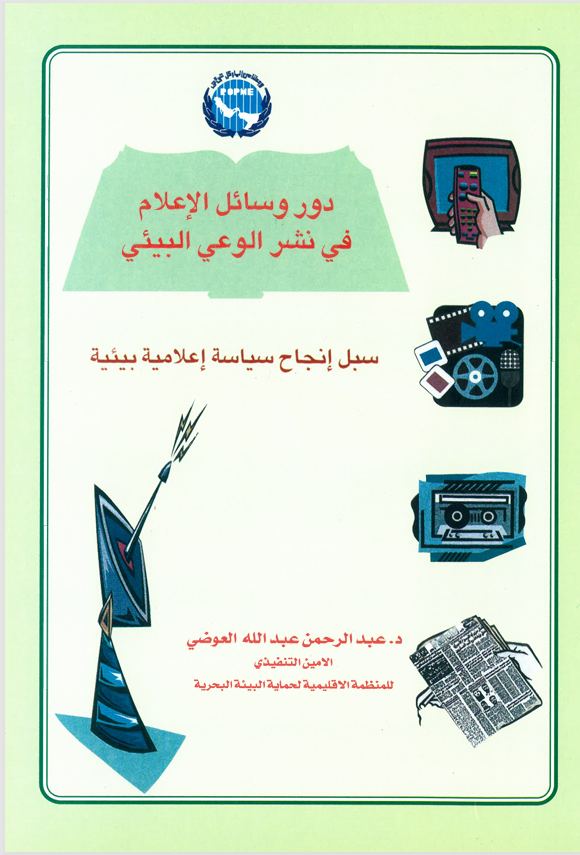
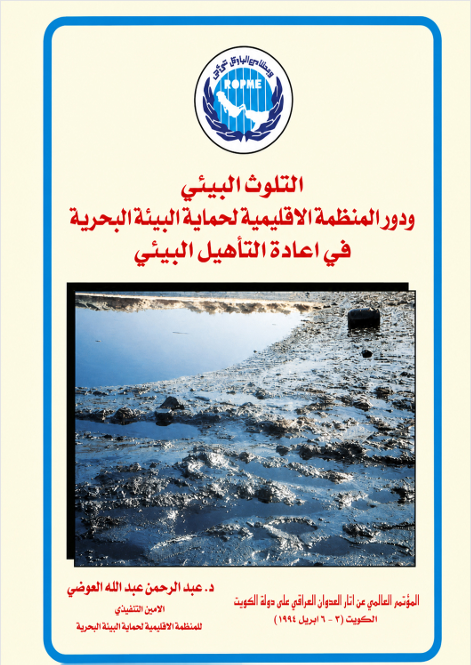
The book Environmental Crisis Management by Dr. Abdelrahman Al Awady addresses the concept, types, causes, and management of environmental crises, with a particular focus on the Regional Organization for the Protection of the Marine Environment (ROPME) Sea Area. It emphasizes that crises have become a recurring global phenomenon due to both natural changes and human activities. While such crises cannot be entirely prevented, their impacts can be minimized through proper preparedness, planning, and effective coordination. The book defines a crisis as an abnormal situation that causes significant human, material, and environmental damage. An environmental crisis, specifically, is described as a major disturbance in ecological balance—whether physical, chemical, or biological—affecting air, land, or marine environments. These crises are categorized into natural events, such as earthquakes and floods, and human-induced crises, including oil pollution, industrial accidents, and wars. It highlights key environmental crises in the region, including fish mortality caused by rising temperatures, oxygen depletion, and pollution; refinery explosions resulting from negligence and poor maintenance; oil pollution from tanker accidents, leaks, and operational discharges; and health crises linked to epidemics, reduced immunity, and emerging diseases. The book identifies major human-related causes of crises, such as the absence of safety regulations, inadequate preparedness and coordination, negligence, and fear or inability to make decisions. These factors significantly exacerbate crises, particularly in the Gulf region, which is highly vulnerable due to intensive oil production and transportation activities. A strong emphasis is placed on crisis management through scientifically developed emergency plans. These include continuous environmental monitoring, capacity building, provision of equipment, regular training, clear assignment of responsibilities, and inter-agency coordination. The role of media in managing information and preventing misinformation is also highlighted, along with the importance of community involvement. The book further outlines the role of regional entities such as the Marine Emergency Mutual Aid Centre (MEMAC) in coordinating rapid responses to oil spills, as well as the role of RECSO in unifying efforts among oil companies. It also reviews national contingency plans, such as Kuwait’s oil spill response plan, which focuses on organizing response actions, defining responsibilities, and ensuring communication and training. Additionally, it discusses the Regional Contingency Plan, which aims to strengthen cooperation among member states in responding to major marine incidents through shared resources, information exchange, standardized procedures, and effective reporting mechanisms. In conclusion, the book stresses that environmental crises are transboundary and increasingly severe due to climate change and industrial expansion. This necessitates enhanced preparedness, stronger legislation, and greater regional and international cooperation, making environmental crisis management a strategic priority for protecting ecosystems and ensuring the sustainability of natural resources for future generations.
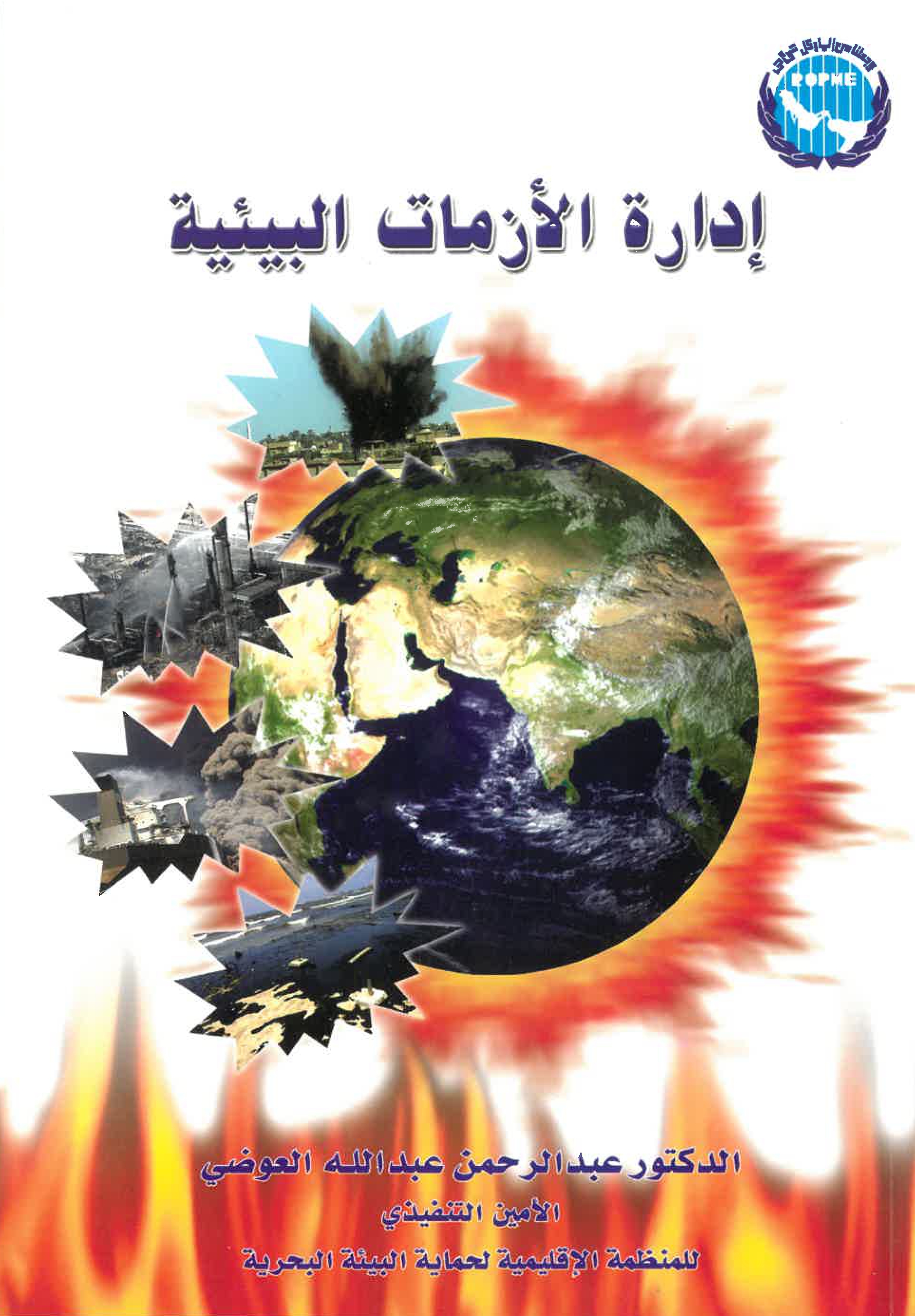
The book Environmental Crisis Management by Dr. ABDELRAHMAN ALAWADY addresses the concept, types, causes, and management of environmental crises, with a particular focus on the Regional Organization for the Protection of the Marine Environment (ROPME) Sea Area. It emphasizes that crises have become a recurring global phenomenon due to both natural changes and human activities. While such crises cannot be entirely prevented, their impacts can be minimized through proper preparedness, planning, and effective coordination.

The book defines a crisis as an abnormal situation that causes significant human, material, and environmental damage. An environmental crisis, specifically, is described as a major disturbance in ecological balance—whether physical, chemical, or biological—affecting air, land, or marine environments. These crises are categorized into natural events, such as earthquakes and floods, and human-induced crises, including oil pollution, industrial accidents, and wars.

It highlights key environmental crises in the region, including fish mortality caused by rising temperatures, oxygen depletion, and pollution; refinery explosions resulting from negligence and poor maintenance; oil pollution from tanker accidents, leaks, and operational discharges; and health crises linked to epidemics, reduced immunity, and emerging diseases.

The book identifies major human-related causes of crises, such as the absence of safety regulations, inadequate preparedness and coordination, negligence, and fear or inability to make decisions. These factors significantly exacerbate crises, particularly in the Gulf region, which is highly vulnerable due to intensive oil production and transportation activities.

A strong emphasis is placed on crisis management through scientifically developed emergency plans. These include continuous environmental monitoring, capacity building, provision of equipment, regular training, clear assignment of responsibilities, and inter-agency coordination. The role of media in managing information and preventing misinformation is also highlighted, along with the importance of community involvement.

The book further outlines the role of regional entities such as the Marine Emergency Mutual Aid Centre (MEMAC) in coordinating rapid responses to oil spills, as well as the role of RECSO in unifying efforts among oil companies. It also reviews national contingency plans, such as Kuwait’s oil spill response plan, which focuses on organizing response actions, defining responsibilities, and ensuring communication and training.

Additionally, it discusses the Regional Contingency Plan, which aims to strengthen cooperation among member states in responding to major marine incidents through shared resources, information exchange, standardized procedures, and effective reporting mechanisms.

In conclusion, the book stresses that environmental crises are transboundary and increasingly severe due to climate change and industrial expansion. This necessitates enhanced preparedness, stronger legislation, and greater regional and international cooperation, making environmental crisis management a strategic priority for protecting ecosystems and ensuring the sustainability of natural resources for future generations.
Explore More
  • Protecting endangered species in the marine region

    to

    This booklet, part of the Marine Environment Series (7), addresses the issue of protecting endangered marine species in the marine region of the Regional Organization for the Protection of the Marine Environment, published on the occasion of Regional Environment Day on April 24, 2017. The booklet highlights the unique ecological and geographical characteristics of the

  • Coral Reef Degradation

    to

    This booklet, issued by the Regional Organization for the Protection of the Marine Environment (ROPME), addresses the issue of coral reef degradation, highlighting their ecological and economic importance, the factors influencing their growth, the threats they face, and the measures required for their protection. Coral reefs are among the most important and productive marine ecosystems,

  • Biodiversity in coastal and marine environments

    to

    The booklet addresses the concept of biodiversity in coastal and marine environments, defining it as the variety of life in all its forms across three main levels: genetic diversity, species diversity, and ecosystem diversity. Biodiversity is considered a key indicator of ecosystem health. Scientific estimates suggest that millions of species exist on Earth, many of

  • dddd

    to

    Lorem ipsum Lorem ipsum dolor sit amet consectetur adipiscing elit. Quisque faucibus ex sapien vitae pellentesque sem placerat. In id cursus mi pretium tellus duis convallis. Tempus leo eu aenean sed diam urna tempor. Pulvinar vivamus fringilla lacus nec metus bibendum egestas. Iaculis massa nisl malesuada lacinia integer nunc posuere. Ut hendrerit semper vel class