

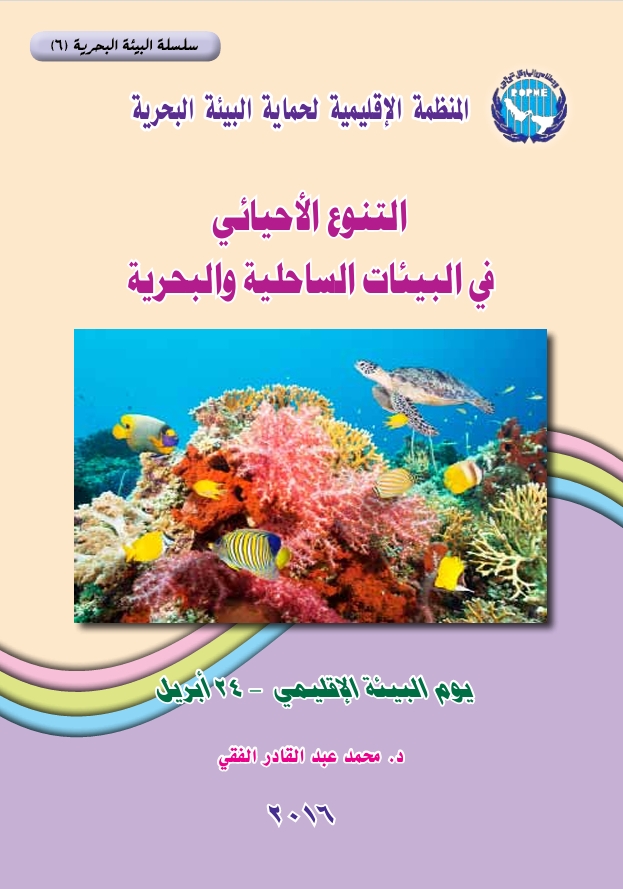
The booklet addresses the concept of biodiversity in coastal and marine environments, defining it as the variety of life in all its forms across three main levels: genetic diversity, species diversity, and ecosystem diversity. Biodiversity is considered a key indicator of ecosystem health. Scientific estimates suggest that millions of species exist on Earth, many of which remain undiscovered, particularly in deep oceans and tropical forests. The publication highlights the critical importance of biodiversity in supporting human life. It provides food, medicine, and raw materials, contributes to climate regulation, protects natural resources, and supports economic activities. Marine environments play a vital role in carbon sequestration and oxygen production, and serve as a major source of genetic and pharmaceutical resources, including compounds used to treat serious diseases such as cancer and HIV. It further examines biodiversity in coastal and marine ecosystems, which cover most of the planet and include diverse habitats such as coral reefs, mangroves, and seagrass beds. These ecosystems deliver essential environmental and economic services. However, they face increasing threats, including overfishing, pollution, climate change, habitat destruction, rising sea temperatures, and ocean acidification. These pressures have led to significant declines in fish stocks and the degradation of critical habitats. The booklet also discusses the importance of wetlands and islands as biodiversity-rich areas, despite their vulnerability to human and climatic pressures that accelerate species loss and extinction. Human activities such as urban expansion, pollution, and overexploitation are identified as major drivers of biodiversity degradation and the alarming rise in global extinction rates. In addition, the document reviews the status of biodiversity in the ROPME Sea Area, emphasizing its diverse marine habitats and rich biological resources, including fish, crustaceans, molluscs, marine reptiles, and seabirds. Despite its ecological and economic significance, the region faces serious environmental challenges such as pollution, overfishing, coral reef degradation, and unsustainable coastal development. The booklet outlines key measures for biodiversity conservation, including pollution control, habitat protection, sustainable resource management, environmental awareness, promotion of eco-tourism, and support for scientific research. It also highlights international efforts, such as the Convention on Biological Diversity, the Nagoya Protocol, and the Cartagena Protocol, as well as the role of protected areas in conservation and sustainable development. Finally, it emphasizes the role of ROPME in safeguarding marine biodiversity through regional agreements, environmental monitoring programs, remote sensing systems, awareness initiatives, and cooperation with member states. The booklet concludes that protecting biodiversity is a shared responsibility requiring regional and international collaboration, sustainable investment, and integration into policies and education systems.
Biodiversity in coastal and marine environments

Filters
0
—
Magazines
Publication Date
2016
Volume
Abstract
-

-
-
-
-
-
to
The Marine EnvironmentPublished by the Regional Organization for the Protection of the Marine Environment – Issue 105 / July – September 2015
-
to
Marine Environment BulletinThe Marine EnvironmentPublished by the Regional Organization for the Protection of the Marine Environment – Issue 106 / October-December 2015Paris Climate Summit
-
to
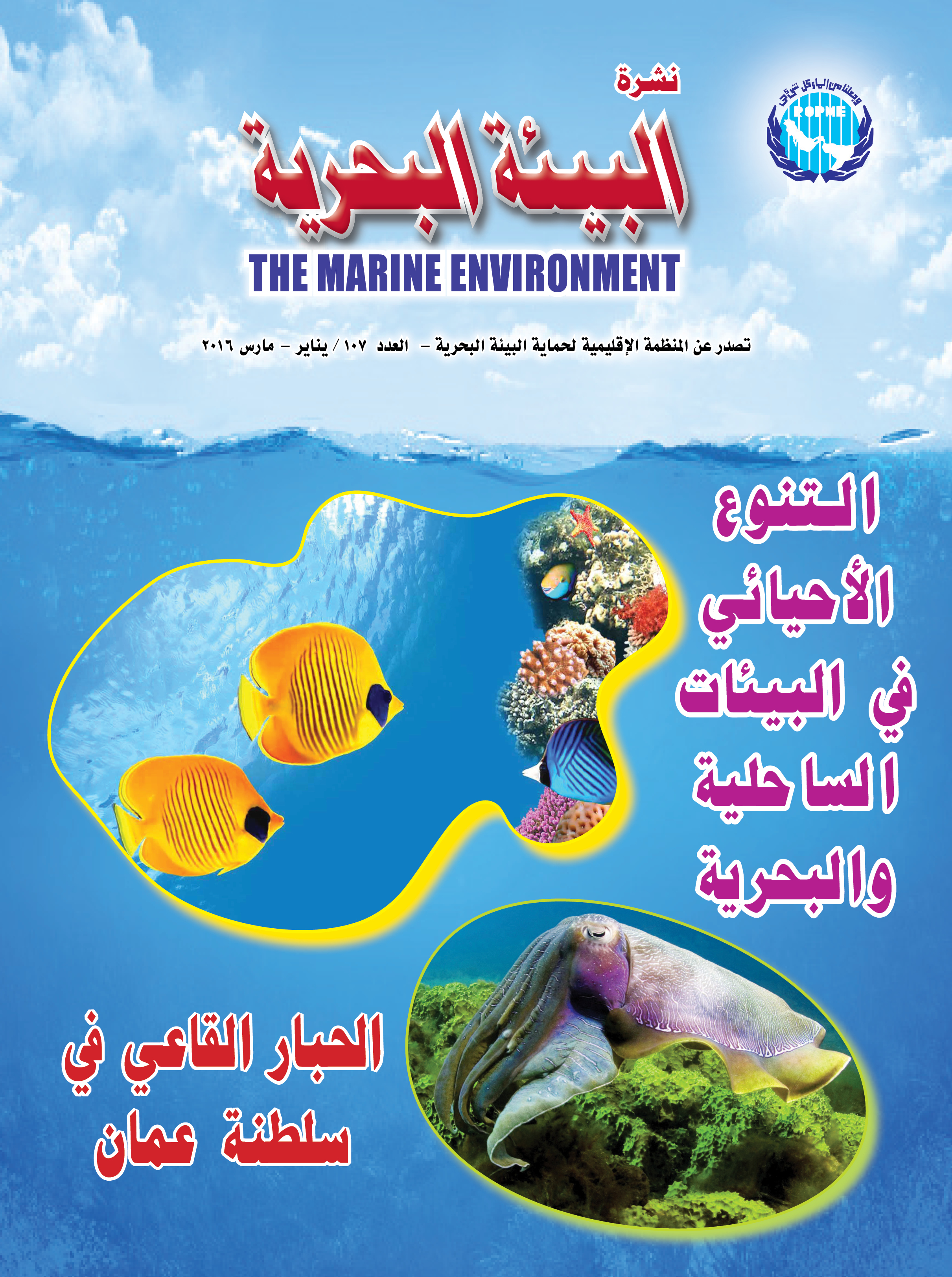
Marine Environment BulletinThe Marine EnvironmentPublished by the Regional Organization for the Protection of the Marine Environment –Issue 107 / January – March 2016
-
to
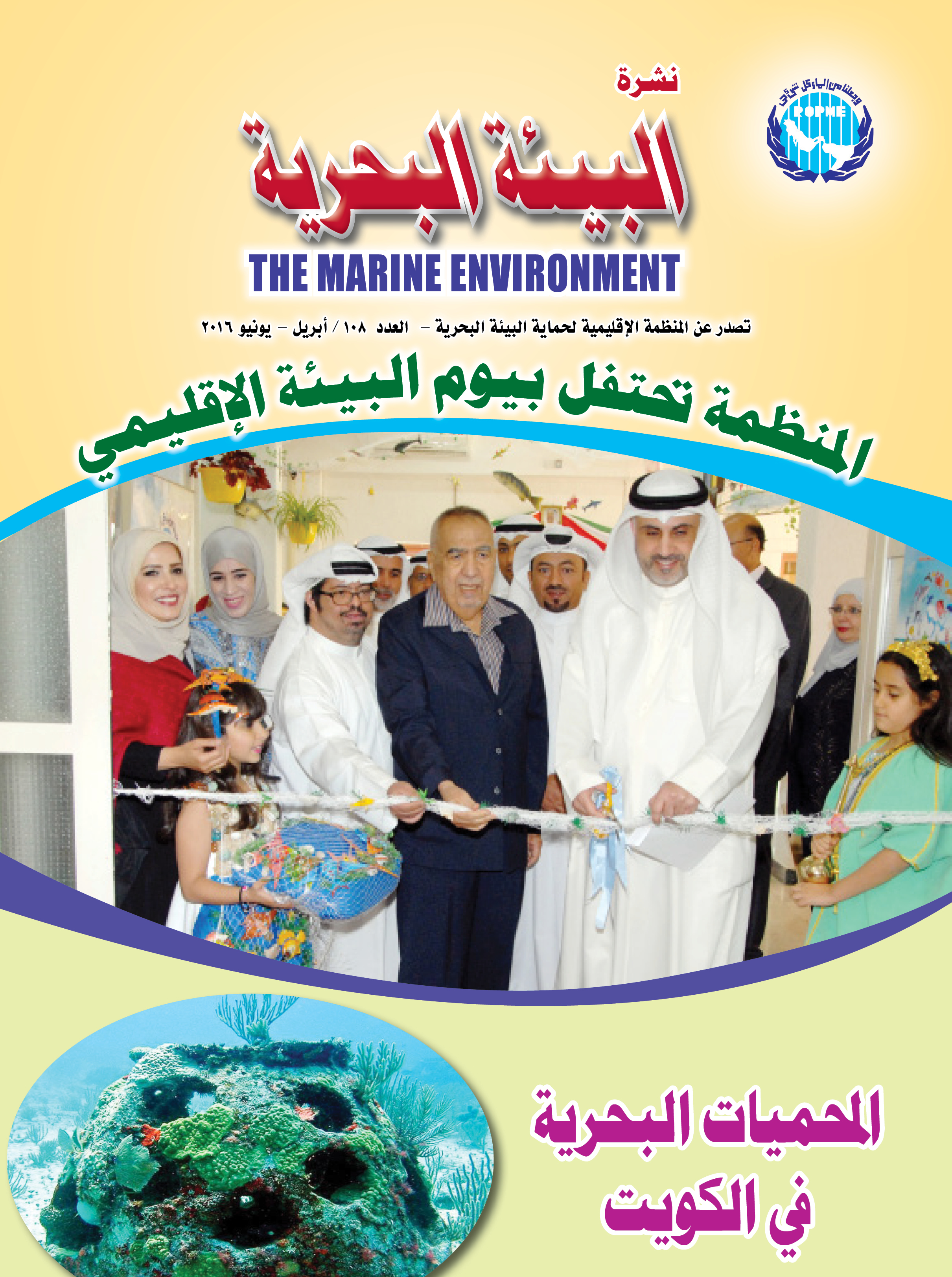
Marine Environment BulletinThe Regional Organization for the Protection of the Marine EnvironmentIssue 108 / April-June 2016The Organization celebrates Regional Environment DayMarine Reservesin Kuwait
-
to
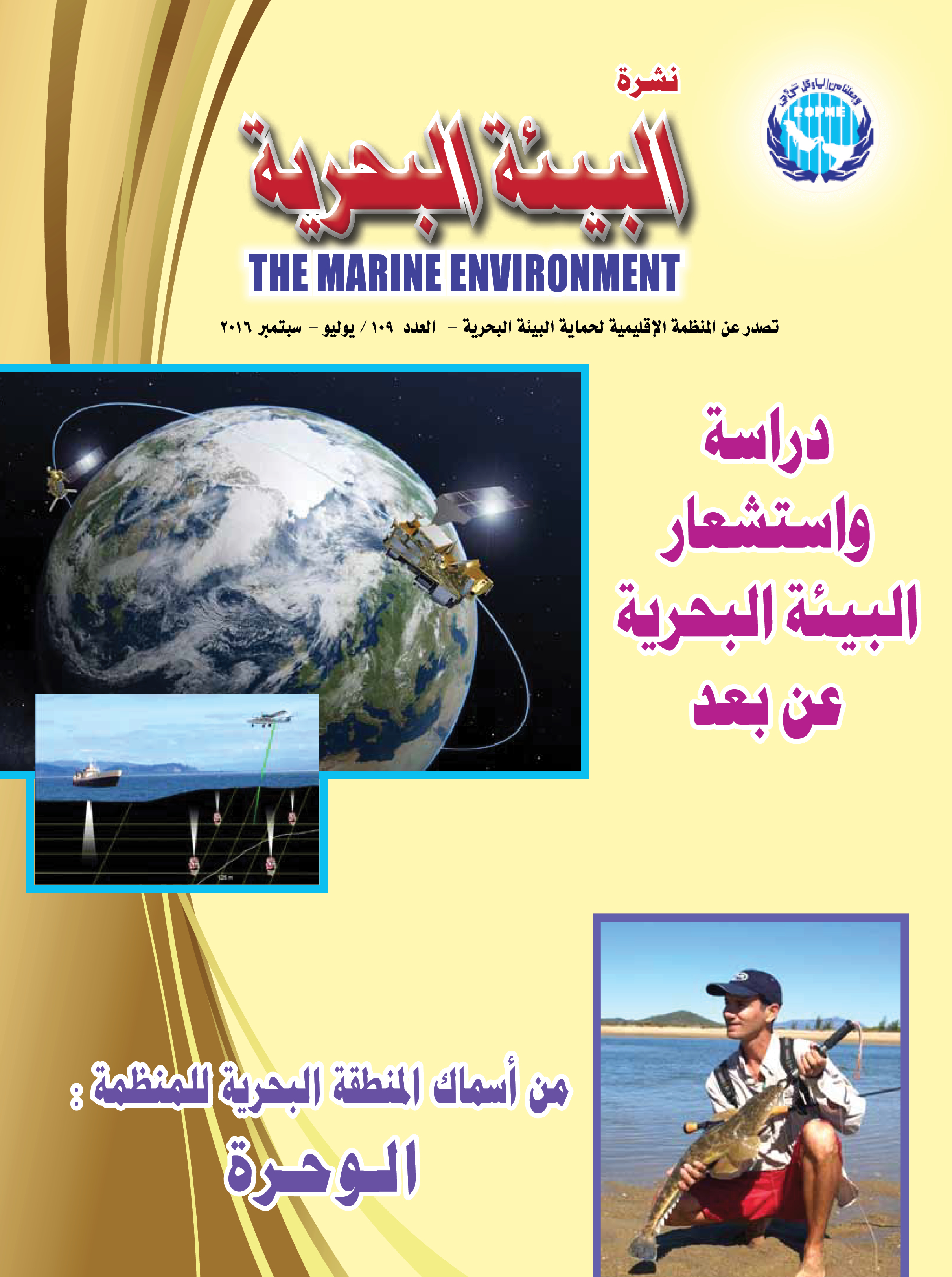
The Marine EnvironmentPublished by the Regional Organization for the Protection of the Marine EnvironmentIssue 109 / July-September 2016
-
-
to
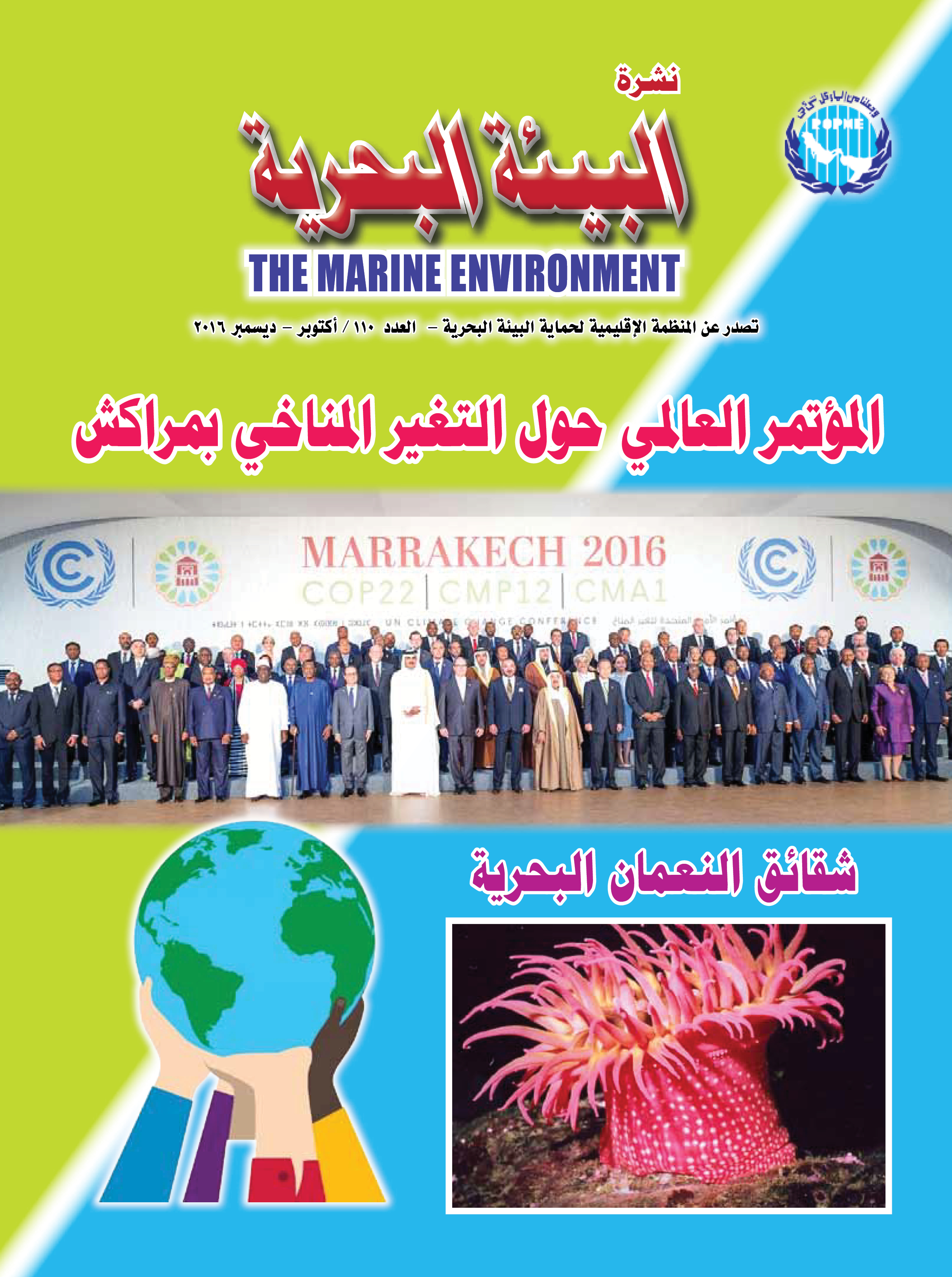
Marine Environment BulletinThe Marine EnvironmentPublished by the Regional Organization for the Protection of the Marine EnvironmentIssue 110 / October-December 2016
Explore More
-
to
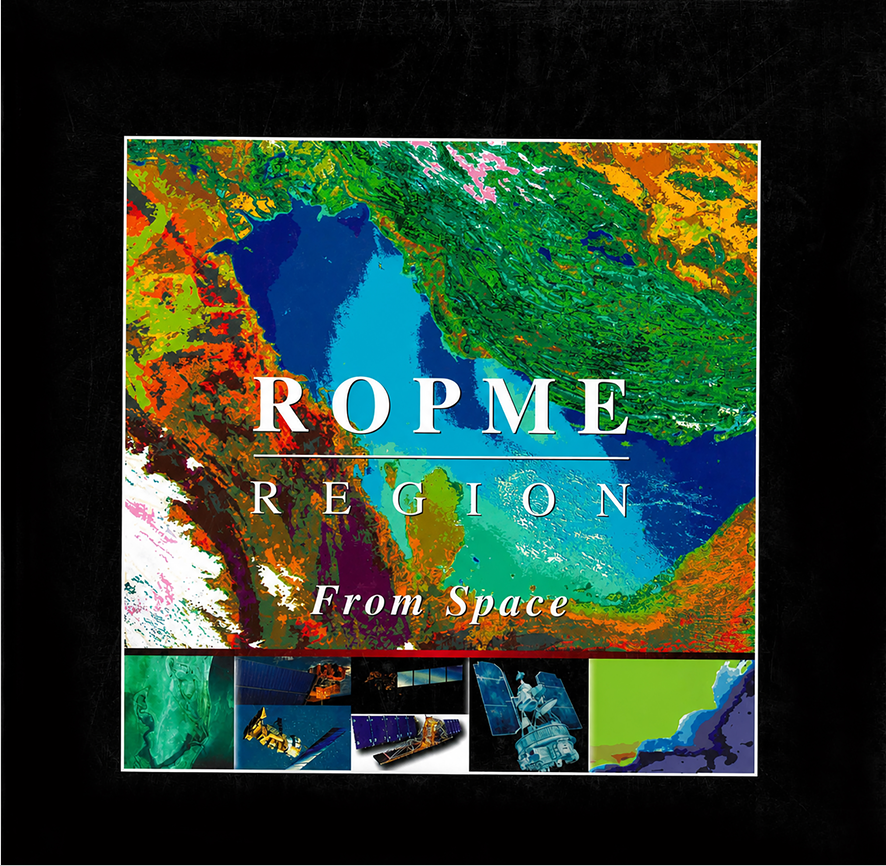
The ROPME From Space Atlas is one of the flagship scientific initiatives launched by the Regional Organization for the Protection of the Marine Environment (ROPME) to develop a comprehensive environmental information base for the ROPME Sea Area (RSA) through the application of remote sensing technologies and satellite imagery. The concept of the atlas was first
-
to
The lecture highlighted the importance of environmental awareness and the role of media in protecting the environment and promoting sustainable development. It emphasized that environmental challenges have become among the most significant issues facing humanity, and that the success of environmental protection efforts depends largely on changing human behavior toward the environment and its resources.
-
to
The book addresses environmental pollution issues in the ROPME Sea Area, with particular emphasis on the importance of environmental awareness as one of the most effective tools for addressing environmental challenges and reducing their impacts. The book highlights that environmental protection is no longer the sole responsibility of governmental authorities and specialized institutions; rather, it
-
to
The book “Climate and Global Warming: The Problem of the Era” addresses climate change and global warming as one of the most critical environmental challenges facing humanity in the modern era. The author provides a comprehensive scientific perspective on the causes of this phenomenon, its environmental, economic, and health impacts, while emphasizing the significant role
-
to
The book “Environmental Conservation from an Islamic Perspective” presents an integrated scientific and religious vision, emphasizing that environmental protection is not merely a scientific or developmental issue, but rather an inherent religious and ethical responsibility in Islam. The author highlights that contemporary environmental crises, including pollution, desertification, climate change, and biodiversity loss, are not natural
-
to
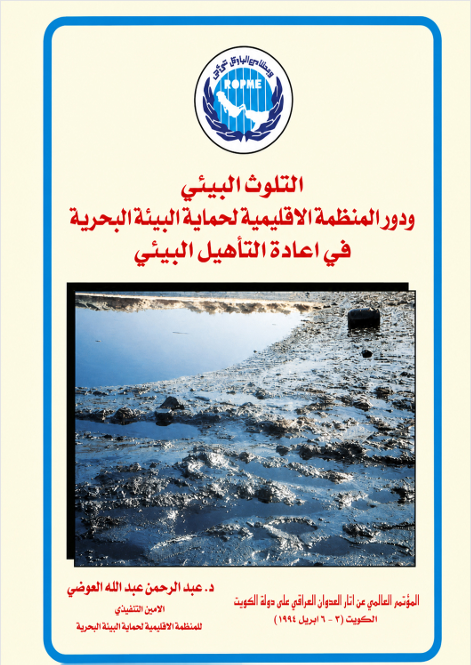
This paper reviews the unprecedented environmental impacts resulting from the 1990 Iraqi invasion of the State of Kuwait, which constituted one of the largest human-induced environmental disasters in modern history. The consequences of the aggression extended far beyond Kuwait’s borders, affecting the entire regional marine environment through the deliberate burning of oil wells, massive oil