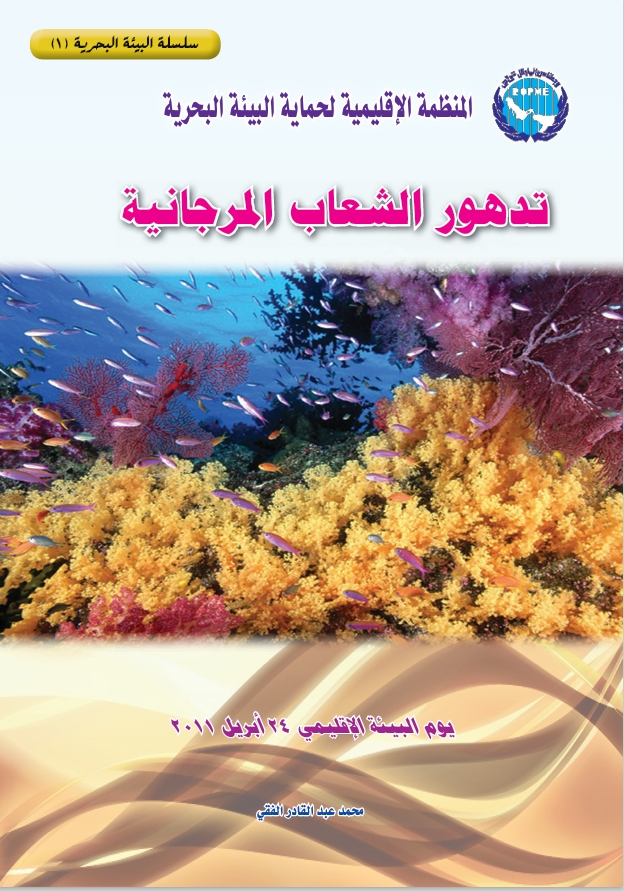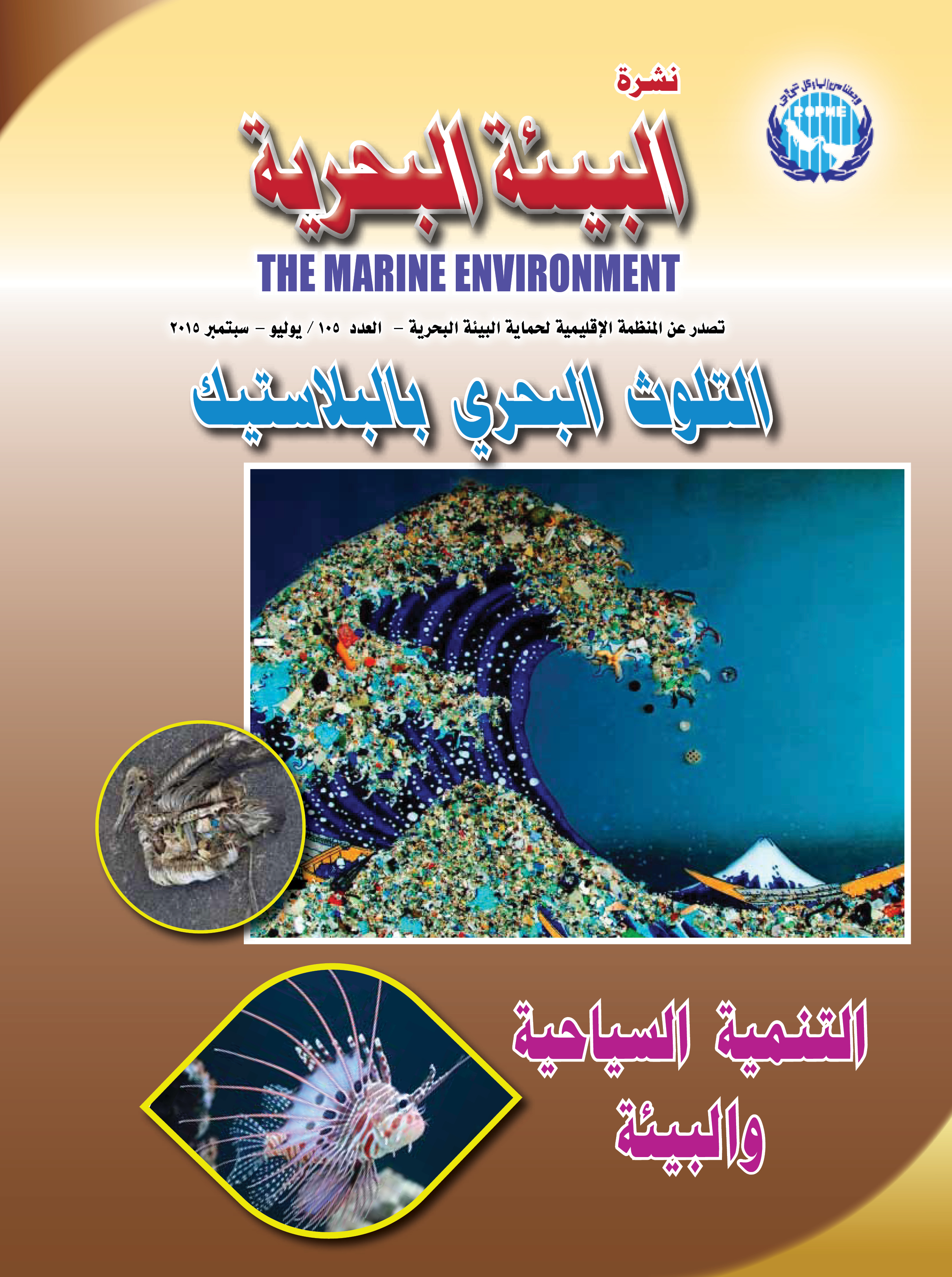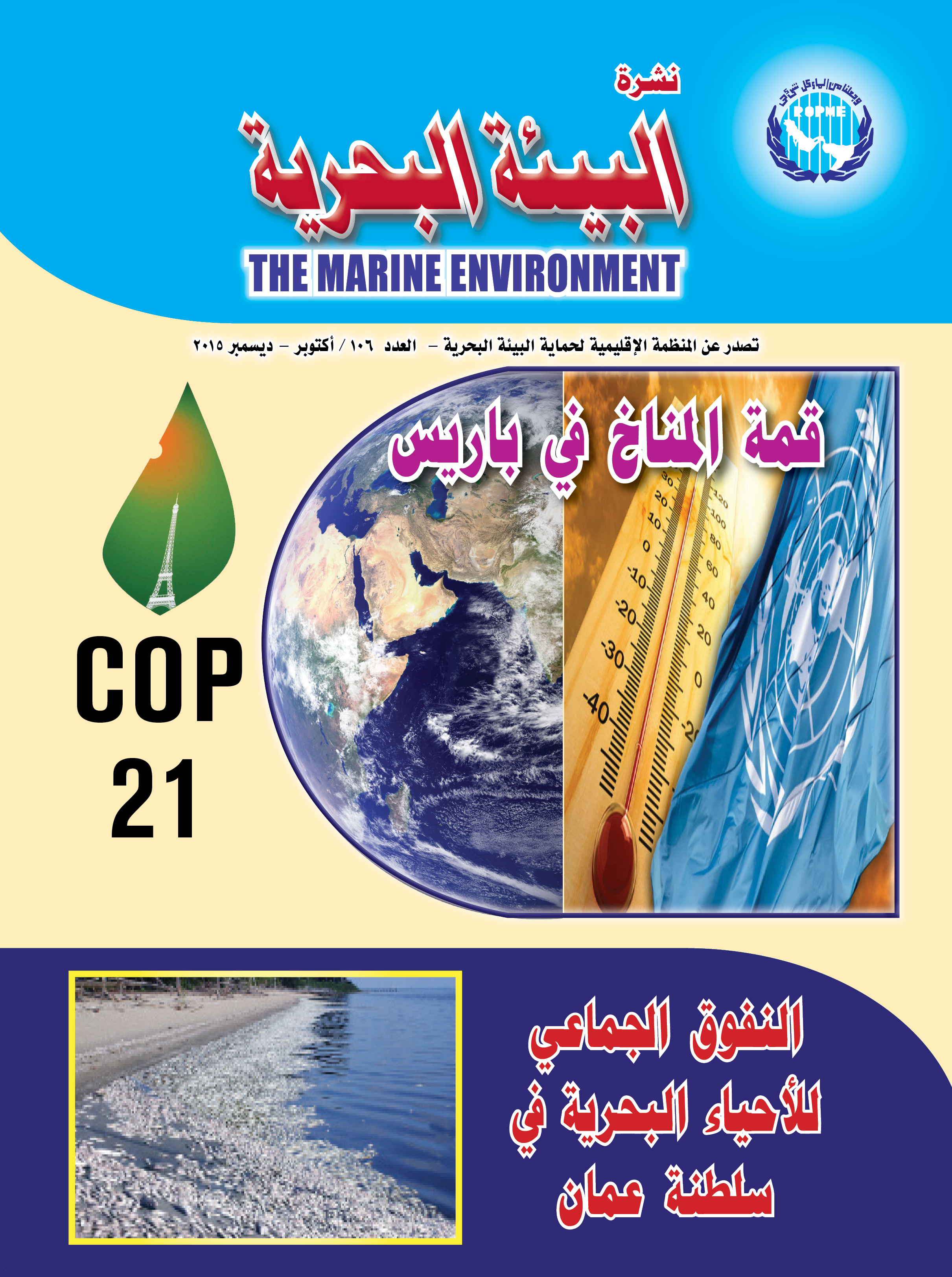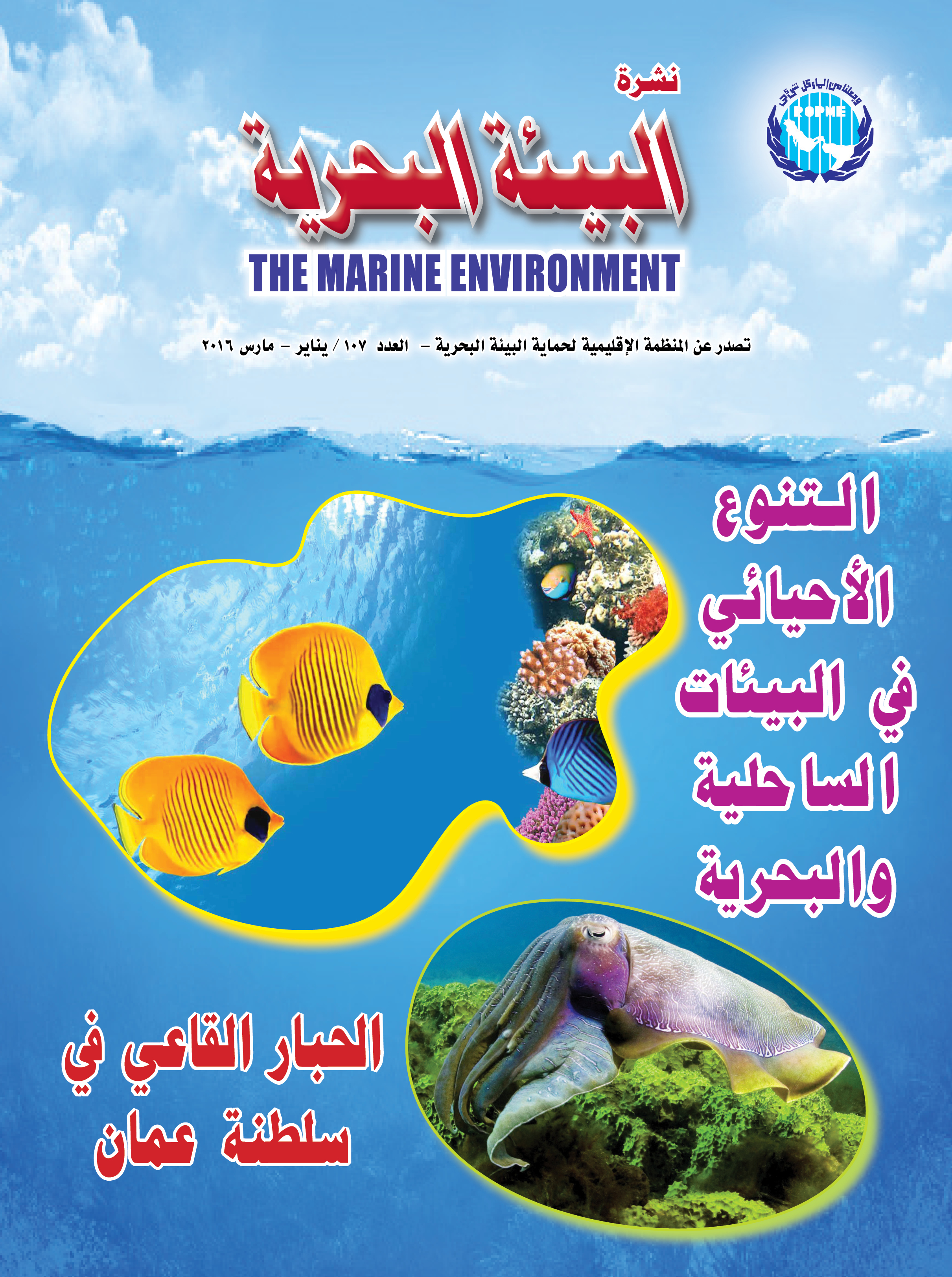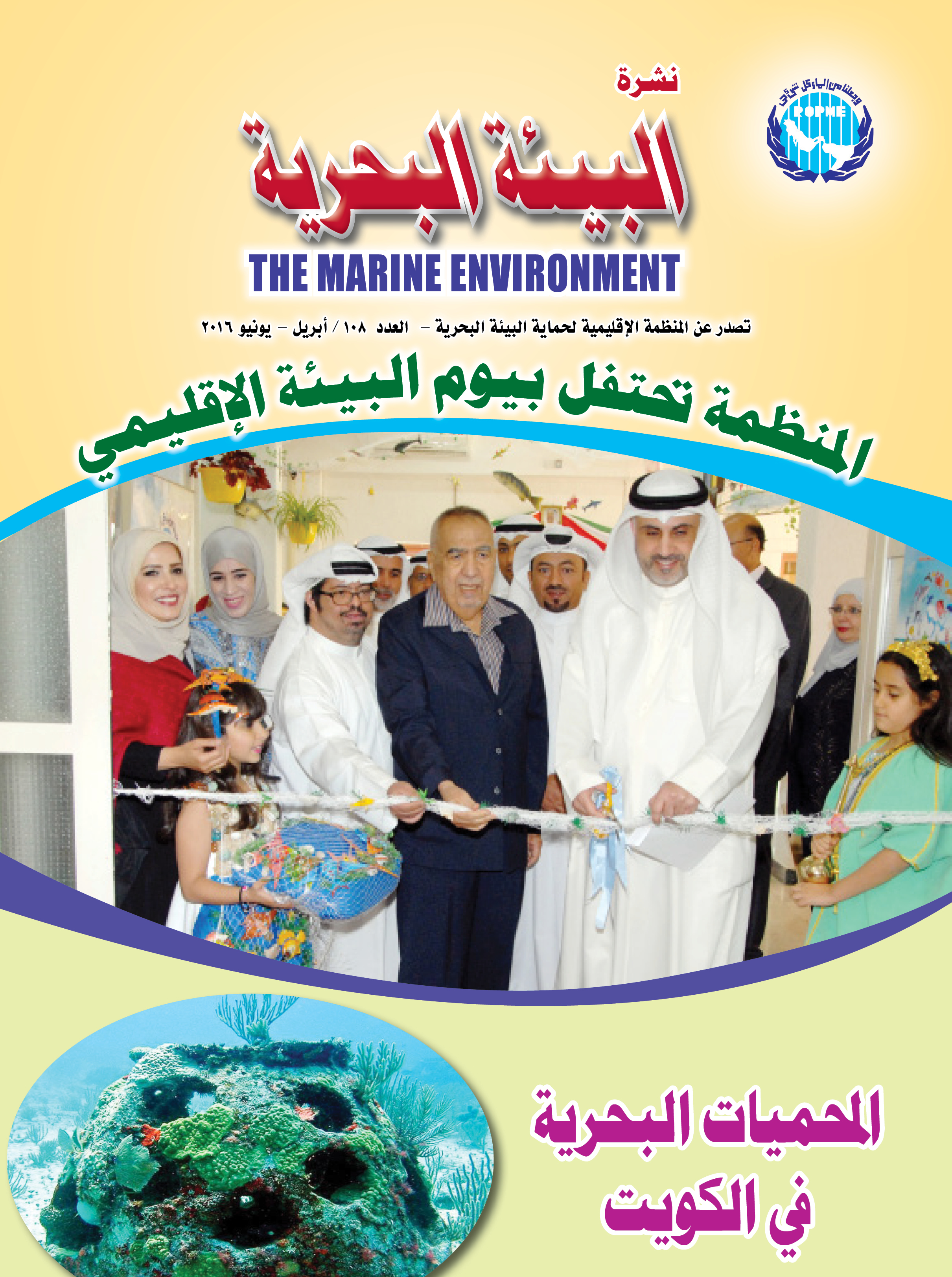


This booklet, issued by the Regional Organization for the Protection of the Marine Environment (ROPME), addresses the issue of coral reef degradation, highlighting their ecological and economic importance, the factors influencing their growth, the threats they face, and the measures required for their protection.
Coral reefs are among the most important and productive marine ecosystems, despite covering only about 1% of the world’s ocean area. They serve as rich habitats supporting millions of marine species, provide food and livelihoods for millions of people, and play a vital role in coastal protection against erosion and storms. Additionally, they contribute significantly to tourism and local economies, particularly through diving activities and the jewelry industry.
Corals are composed of tiny organisms known as polyps, which typically live in colonies and build calcium carbonate skeletons. These organisms rely on a symbiotic relationship with microscopic algae (zooxanthellae), which provide nutrients through photosynthesis, while the coral offers a suitable environment for their survival.
Coral reefs are influenced by several environmental factors, including temperature (optimal range of 23–27°C), light, salinity, nutrients, and wave action. Biological factors also play a role, such as organisms that feed on corals or bore into their structures.
Although coral reefs naturally maintain a dynamic balance between growth and erosion, this balance has been increasingly disrupted by human activities and climate change. Major threats include marine pollution (especially oil and chemicals), coastal urban expansion, overfishing, waste disposal, unregulated tourism, dredging, and increased salinity from desalination plants.
Global warming and ocean acidification represent some of the most severe threats. Rising sea temperatures lead to coral bleaching—a process in which corals expel their symbiotic algae—resulting in weakened structures and eventual mortality. Scientific studies indicate that approximately 30% of the world’s coral reefs have already been lost due to bleaching.
The booklet emphasizes that saving coral reefs is still possible, but requires urgent action. Key measures include reducing greenhouse gas emissions, controlling pollution and overfishing, regulating coastal development, and expanding marine protected areas. Effective management can enhance reef resilience and recovery.
ROPME plays a critical role in this effort through environmental monitoring and assessment programs, collaboration with international research institutions, capacity-building initiatives, and the promotion of marine protected areas across member states.
The booklet concludes by stressing the shared responsibility of protecting coral reefs and encourages individuals to adopt environmentally responsible behaviors, such as avoiding littering, reducing fuel consumption, practicing safe diving, and preventing direct damage to coral ecosystems.