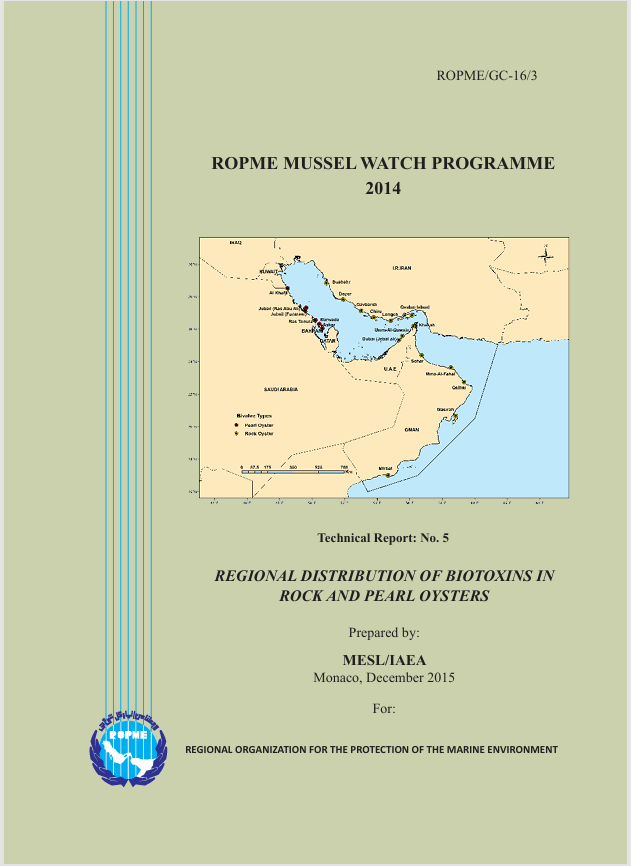


As part of the ROPME Mussel Watch Programme 2014, a regional study was conducted between February and July 2014 to examine a range of natural and anthropogenic contaminants in oyster samples collected from several key coastal locations across the Member States within the ROPME Sea Area (RSA).
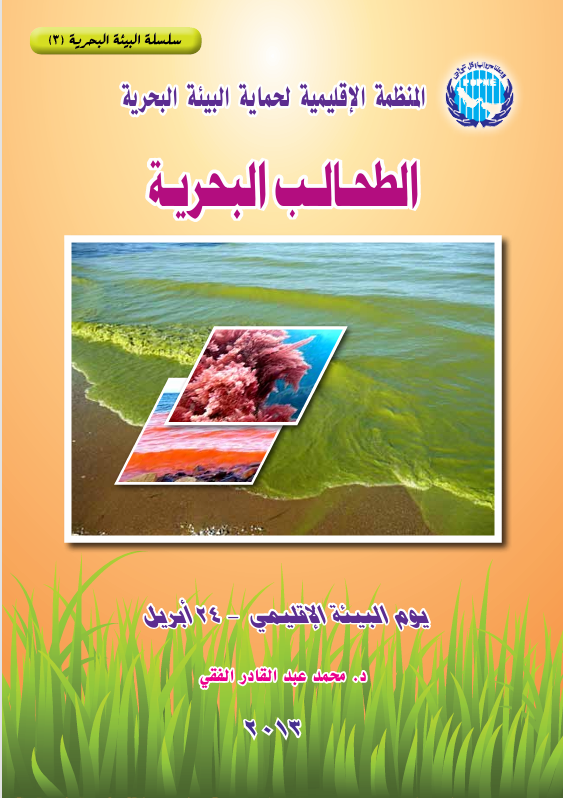
This report focused on assessing the presence of marine biotoxins, particularly toxins associated with Harmful Algal Blooms (HABs), most notably:
Saxitoxins
Brevetoxins
These toxins are hazardous compounds produced by certain species of marine phytoplankton and may pose significant risks to human health through the consumption of contaminated seafood.
Study Scope and Sampling Locations
The study involved the collection and analysis of oyster samples from coastal areas in the following countries:
Kingdom of Bahrain.
Islamic Republic of Iran.
Republic of Iraq.
Sultanate of Oman.
Kingdom of Saudi Arabia.
United Arab Emirates.
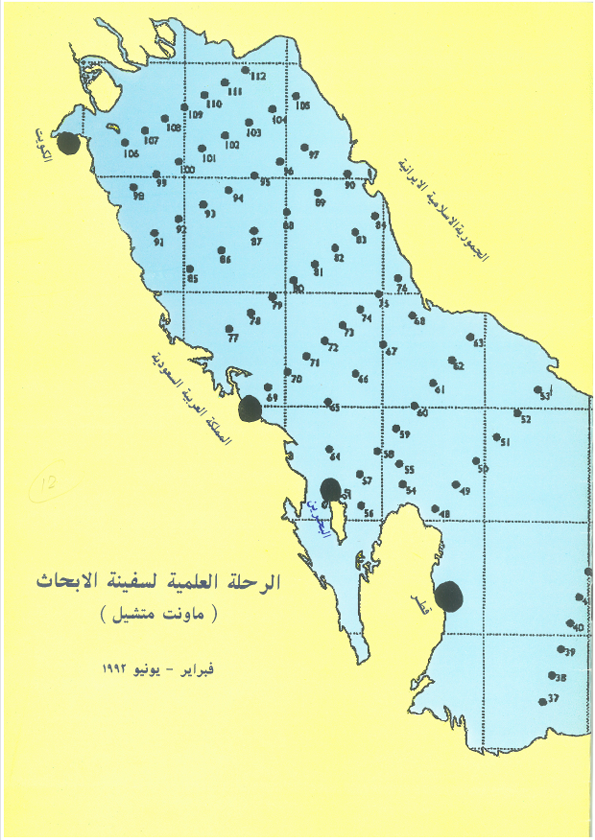
Samples were collected from 26 coastal locations within the ROPME Sea Area.
View more
The study included two primary oyster species:
Pearl Oyster
Scientifically identified as:
Pinctada radiata
Rock Oyster
Scientifically identified as:
Saccostrea cucullata
A total of the following samples were analyzed:
7 Pearl Oyster samples.
16 Rock Oyster samples.
Importance of Monitoring Marine Biotoxins
Harmful algal blooms have become one of the major environmental concerns in the ROPME Sea Area over recent decades due to their environmental, economic, and public health impacts, including:
Fish and marine mammal mortality.
Losses to the aquaculture sector.
Restrictions on traditional fishing activities.
Impacts on seafood safety.
Temporary shutdown of desalination plants during toxic algal bloom events.
Certain species of microscopic algae produce toxins capable of accumulating in marine organisms, particularly oysters, making their monitoring essential for protecting both human health and the marine environment.
Analytical Methodology
The study employed advanced analytical techniques to detect marine biotoxins in oyster samples, including:
Sample preparation:
Freeze-drying of samples.
Rehydration prior to analysis.
Extraction of toxic compounds using specialized chemical techniques.
Brevetoxin Analysis:
The toxins were extracted using organic solvents and subsequently analyzed using:
Receptor Binding Assay (RBA)
Using certified reference standards for PbTx-3.
Saxitoxin Analysis:
The official AOAC analytical method (OMA 2011.27) was applied using the Receptor Binding Assay (RBA), with results expressed as Saxitoxin Equivalents (STX eq.).
Key Findings
First: Brevetoxins
The analytical results showed that all oyster samples contained brevetoxin concentrations below the analytical detection limit. No detectable levels of brevetoxins were recorded at any of the sampling locations included in the study.
Second: Saxitoxins
The results indicated that most samples (22 samples) contained saxitoxin concentrations below the detection limit.
Measurable concentrations were detected at only four locations, namely:
Bushehr (Iran 2).
Iraq.
Fanateer (Kingdom of Saudi Arabia 2.1).
Ras Abu Ali (Kingdom of Saudi Arabia 2.2).
The recorded concentrations ranged between:
7.63 to 13.3 μg STX eq./100 g
Health and Environmental Risk Assessment
Although saxitoxins were detected at several locations, the report concluded that the measured concentrations were well below internationally recognized regulatory limits, which are:
80 μg STX eq./100 g according to European and United States regulatory standards.
40 μg STX eq./100 g under certain other international standards.
Nevertheless, the report emphasized the importance of continued monitoring, particularly because sampling was not conducted during active harmful algal bloom events. Consequently, higher toxin concentrations may occur during future bloom periods.
Main Conclusions
The report concluded the following:
- The 2014 Mussel Watch Programme identified low levels of saxitoxin activity in selected oyster samples collected from the ROPME Sea Area.
- No brevetoxins were detected in any of the analyzed samples.
- Marine biotoxins associated with harmful algal blooms represent an environmental and public health concern that warrants continued routine monitoring.
- The programme provides an important regional database for understanding the distribution of marine biotoxins and tracking environmental changes.
- The report highlights the importance of integrating mussel monitoring programmes with harmful algal bloom monitoring initiatives.
Recommendations
The report recommended the following:
- Further verification of the Receptor Binding Assay results using more specialized analytical techniques, including:
- High-Performance Liquid Chromatography with Fluorescence Detection (HPLC-FL) for more detailed identification of Paralytic Shellfish Poisoning (PSP) toxin analogues.
- Conduct routine oyster sampling programmes during periods of harmful algal bloom occurrence.
- Develop maps identifying Toxic Phytoplankton Cyst Beds within marine sediments.
- Strengthen regional marine biotoxin monitoring programmes to safeguard public health and ensure the sustainable management of marine resources.
Significance of the Report for the Regional Organization for the Protection of the Marine Environment (ROPME)
This report serves as an important reference study within the regional environmental monitoring programmes implemented by ROPME in cooperation with the International Atomic Energy Agency (IAEA). It contributes to:
- Enhancing scientific knowledge of the distribution of marine biotoxins throughout the ROPME Sea Area.
- Supporting seafood safety and public health risk assessments.
- Improving early warning systems for harmful algal bloom events.
- Providing scientific data to support environmental management and informed decision-making.
- Strengthening regional and international scientific cooperation in marine environmental protection.
Conclusion
The ROPME Mussel Watch Programme 2014 – Regional Distribution of Biotoxins in Rock and Pearl Oysters confirms that marine biotoxin levels within the ROPME Sea Area were generally low during the study period. Only limited occurrences of saxitoxins were detected at a small number of sampling sites, while no brevetoxins were detected in any of the analyzed oyster samples.
The report further underscores the importance of maintaining continuous scientific monitoring programmes for marine biotoxins and harmful algal blooms as essential tools for protecting marine ecosystems, ensuring seafood safety, and supporting Member States in safeguarding the sustainability of marine resources for future generations.