

Prepared by MESL/IAEA for ROPME – December 2015
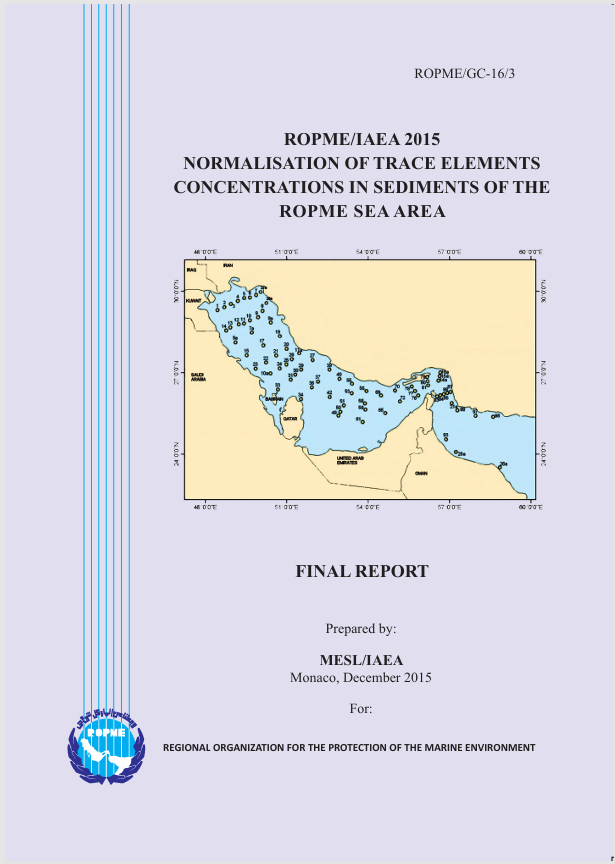
This report was prepared by the Marine Environment Studies Laboratory (MESL) of the International Atomic Energy Agency (IAEA) for the Regional Organization for the Protection of the Marine Environment (ROPME) and examines the feasibility of using aluminium (Al) as a geochemical normalizer for trace element concentrations in sediments across the ROPME Sea Area. ROPME ،International Atomic Energy AgencyMarine Environment Studies Laboratory Monaco، Kuwait Source: ROPME/IAEA Final Report, 2015.
Objectives
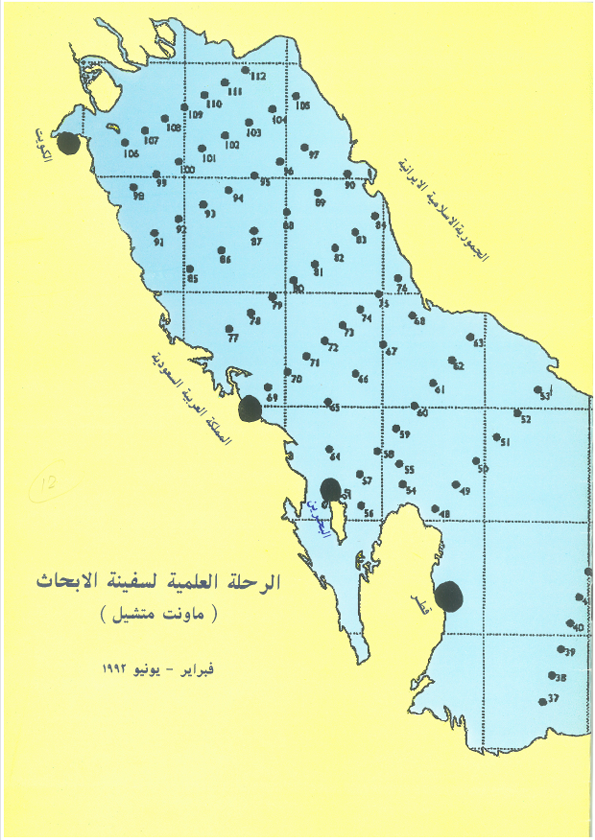
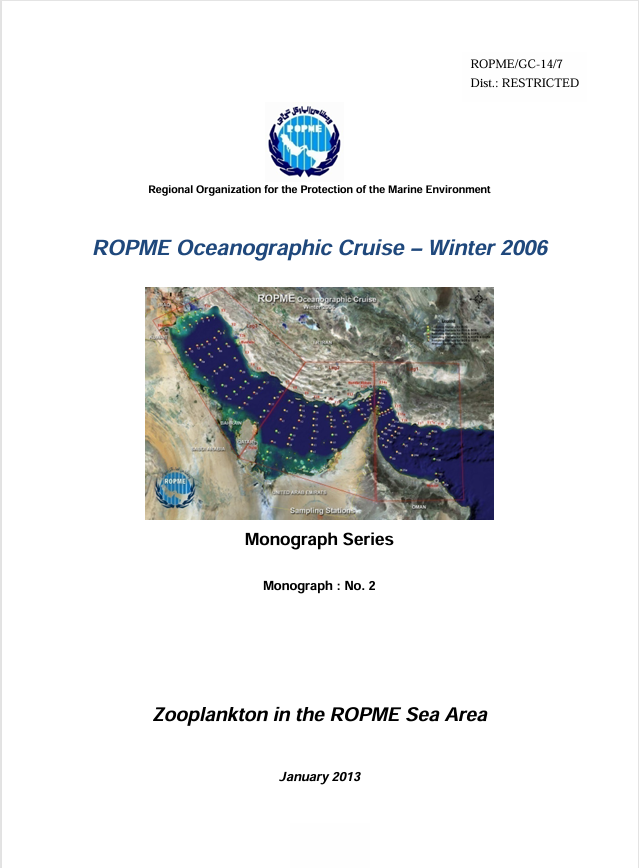
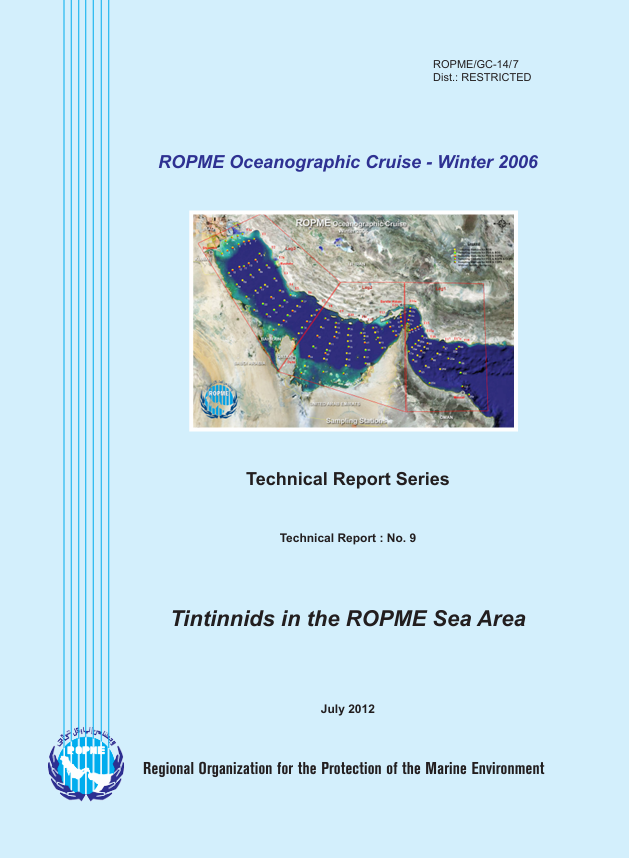
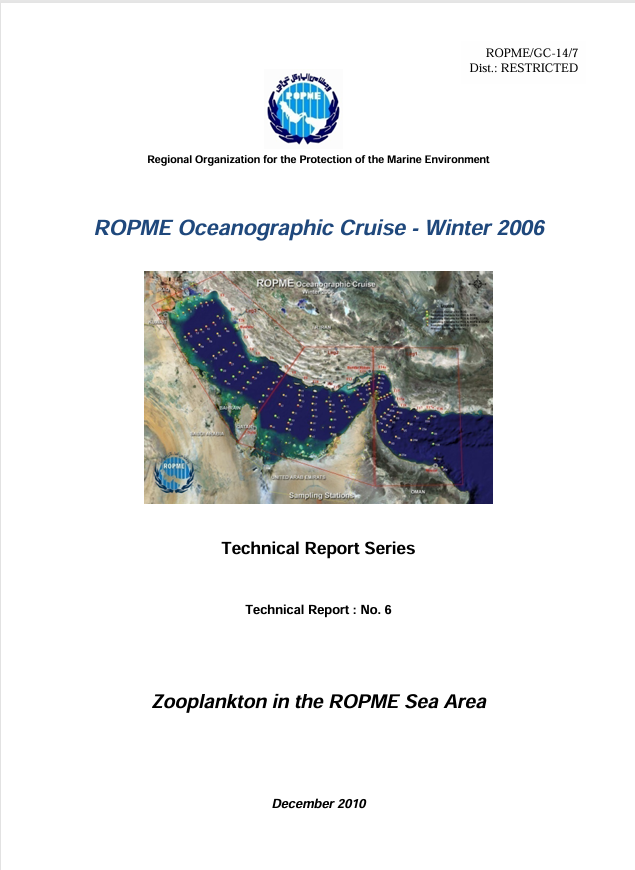
The study aimed to determine whether aluminium could be used to normalize trace metal concentrations in sediments in order to distinguish natural geochemical variations from pollution-related metal enrichment. The analysis used sediment data collected during ROPME oceanographic cruises in 2001 and 2006, as well as samples from the Mussel Watch programmes conducted in 2011 and 2014.
Evidence that regional differences in sediment composition across the ROPME Sea Area limit the effectiveness of aluminium-based normalization. Consequently, broad regional comparisons of sediment contamination using Al as a normalizing element are not recommended, and future monitoring programs should adopt more localized and mineralogically consistent approaches.
View more
Methodology
Grain-size analysis was performed using a Malvern Mastersizer laser diffraction system. Fine-grained sediments (silt and clay, <63 μm), which are typically the main carriers of trace metals, were quantified and compared with aluminium concentrations.
Key Findings
Mussel Watch coastal sediments (2011 & 2014)
Key finding
Most samples consisted almost entirely of sand (66.9%–100%).
Very little fine material was present, making these samples unsuitable for normalization studies.
As a result, trace element concentrations from these coastal samples could not be reliably normalized to aluminium or grain size.
Combined 2001 and 2006 cruise data
111 samples
The study combined 111 sediment samples from the two oceanographic cruises.
A weak correlation was found between aluminium concentrations and the percentage of fine sediments (R² ≈ 0.44).
This confirmed earlier findings from the 2006 study that aluminium is not a reliable proxy for fine-grained material in the ROPME Sea Area.
Mineralogical differences across the region
Important
The northeastern part of the ROPME Sea Area showed higher aluminium concentrations, while the southwestern part contained higher carbonate (calcium) content.
A negative correlation between calcium and aluminium indicated that sediments originate from different mineralogical provinces.
These geological differences prevent aluminium from representing fine sediment content consistently across the region.
Relationships between aluminium and trace elements
Natural origin
Strong correlations were observed between aluminium and several elements, including:
Co
Fe
Mn
Li
V
After removing a few outlier stations, good correlations were also found for:
Cr
Ni
Cu
In contrast, elements commonly associated with anthropogenic pollution—such as Ag, As, Cd, and Hg—showed little or no correlation with aluminium.
Main Conclusions
The study concluded that:
Final conclusion
- Aluminium cannot be used as a meaningful geochemical normalizer for sediments across the entire ROPME Sea Area.
- The lack of a strong relationship between aluminium and fine sediment content means that normalization to Al may produce misleading assessments of pollution trends.
- Many trace elements that correlate with aluminium are likely derived from natural lithogenic sources rather than human pollution.
- Future pollution assessments should focus on smaller areas with more homogeneous sediment mineralogy and may benefit from studies of the bioavailable fraction of trace elements in sediments.
Overall Significance
This report provides important scientific evidence that regional differences in sediment composition across the ROPME Sea Area limit the effectiveness of aluminium-based normalization. Consequently, broad regional comparisons of sediment contamination using Al as a normalizing element are not recommended, and future monitoring programs should adopt more localized and mineralogically consistent approaches.