Policy brief on the impacts of Climate change on the ROPME Sea Area

Filters
Filters
Publication Date

2020

Issue

2020

This policy brief issued by the Regional Organization for the Protection of the Marine Environment (ROPME) assesses the impacts of climate change on the ROPME Sea Area, one of the warmest and most environmentally extreme marine regions in the world, encompassing the Arabian Gulf and the northwestern Indian Ocean.

The report confirms that climate change is increasingly affecting marine and coastal ecosystems in the region. Observations show continuous increases in sea surface temperature, rising salinity, declining dissolved oxygen levels, ocean acidification, and sea level rise. Projections also indicate a potential increase in the frequency and intensity of tropical cyclones, particularly in the central and outer zones of the ROPME Sea Area.

These changes are leading to widespread degradation of critical marine habitats such as coral reefs, mangroves, seagrass beds, and salt marshes. This degradation negatively affects biodiversity and essential ecosystem services, including food security, water quality regulation, carbon storage, and coastal protection.

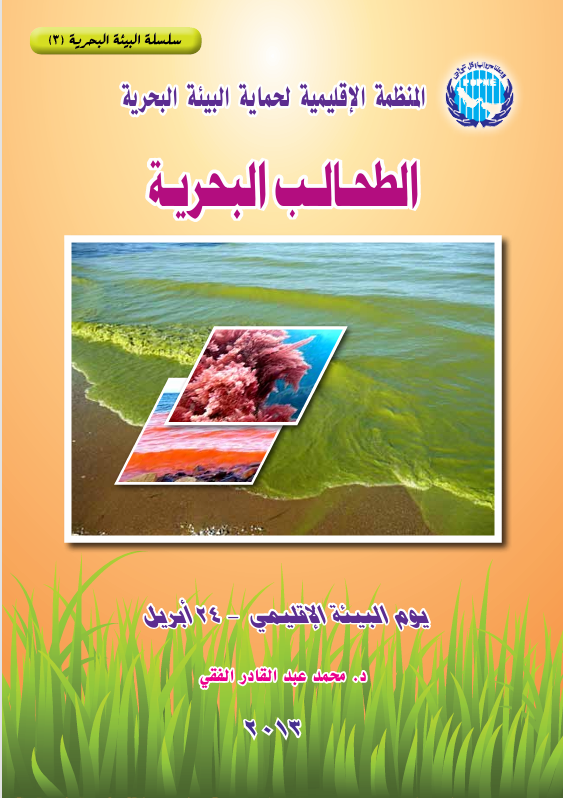
The report highlights that phytoplankton, the foundation of the marine food web, is likely to decline, with cascading impacts on fish stocks and overall marine productivity. In addition, harmful environmental phenomena such as harmful algal blooms and jellyfish outbreaks are expected to increase, disrupting desalination plants, coastal industries, and potentially affecting human health.

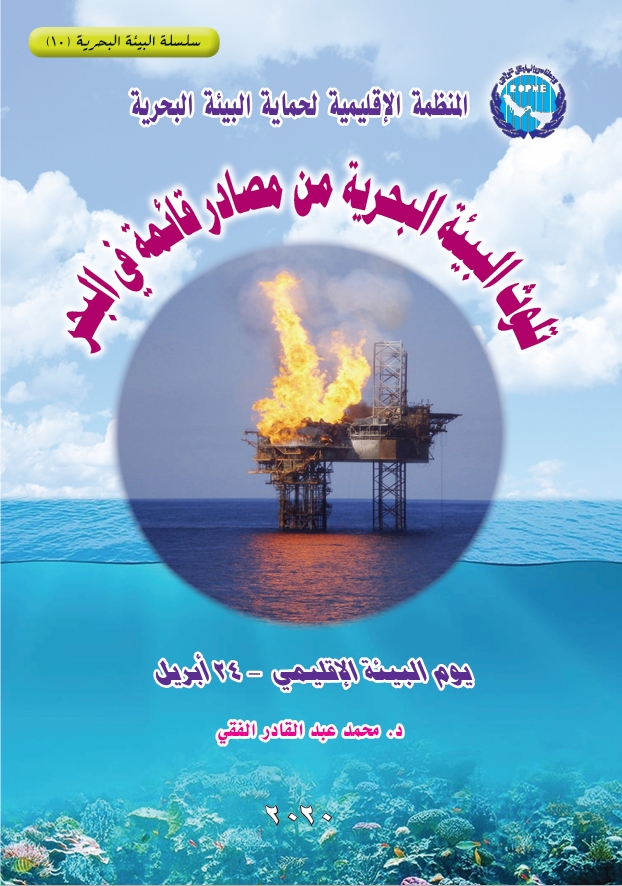
In terms of infrastructure, coastal settlements and critical facilities—including power plants, ports, and oil and gas installations—are increasingly exposed to flooding, storms, and sea level rise, threatening their operational stability and safety. Desalination facilities are particularly vulnerable to salinity changes, pollution, and intake disruptions caused by biological outbreaks.

Economically, the fisheries and aquaculture sectors are expected to face significant impacts. Some fish species may decline due to warming, salinity changes, and oxygen depletion, while more resilient species such as cephalopods may increase in abundance. Overall fisheries productivity is expected to decrease as oxygen minimum zones expand.

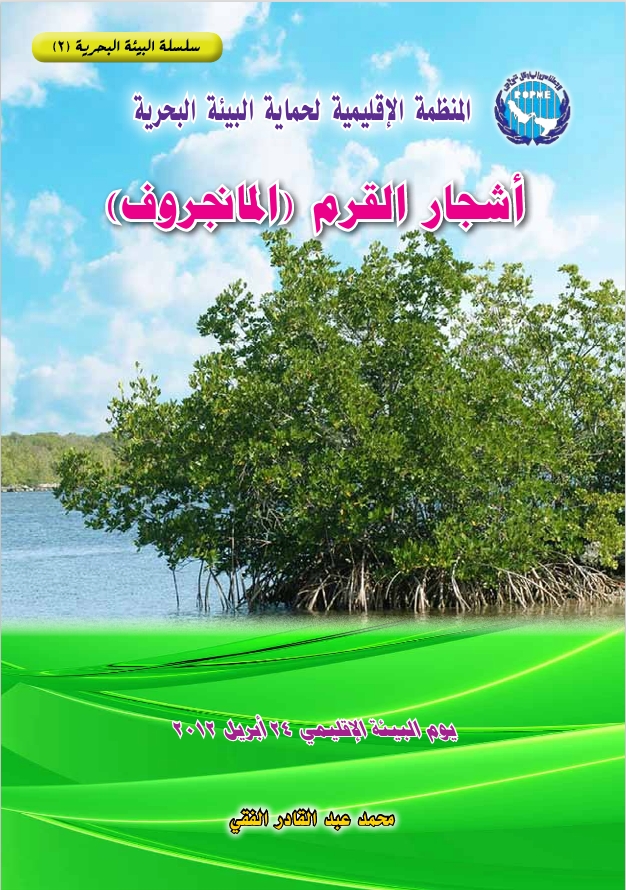
Coral reef ecosystems are experiencing rapid decline due to repeated bleaching events and rising sea temperatures, while up to 96% of coastal wetlands, including mangrove forests, may be threatened by the end of the century due to sea level rise, coastal development pressures, and climate stressors.

The report emphasizes nature-based solutions as a key response strategy, particularly the protection and restoration of coastal ecosystems such as mangroves, seagrass beds, and salt marshes, which serve as natural carbon sinks and provide coastal resilience.

Finally, the report identifies key knowledge gaps, including limited long-term environmental datasets, a lack of high-resolution regional climate models, insufficient understanding of species adaptability, and a shortage of socio-economic impact studies. It calls for strengthened regional cooperation under ROPME’s Climate Change Action Plan to improve evidence-based decision-making and develop effective adaptation strategies.
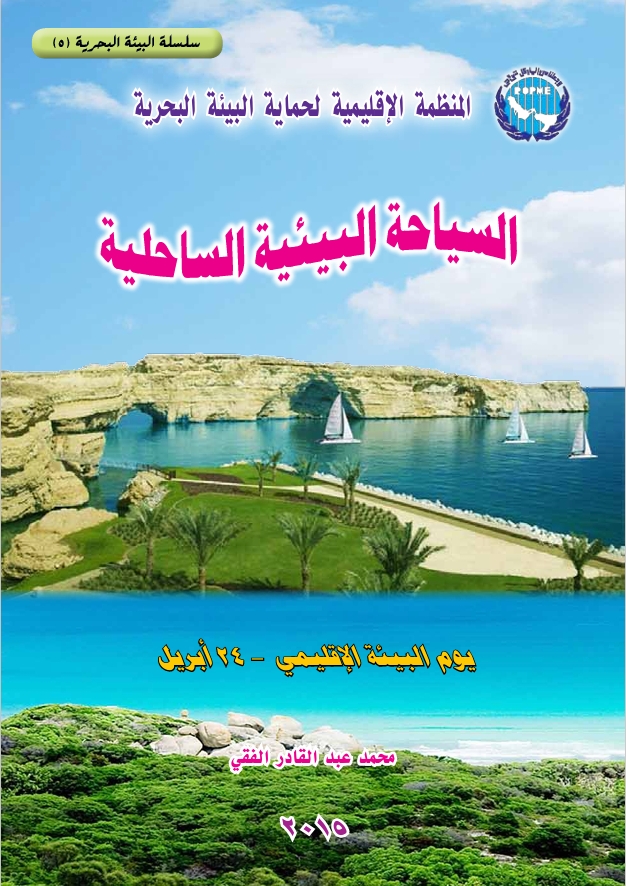
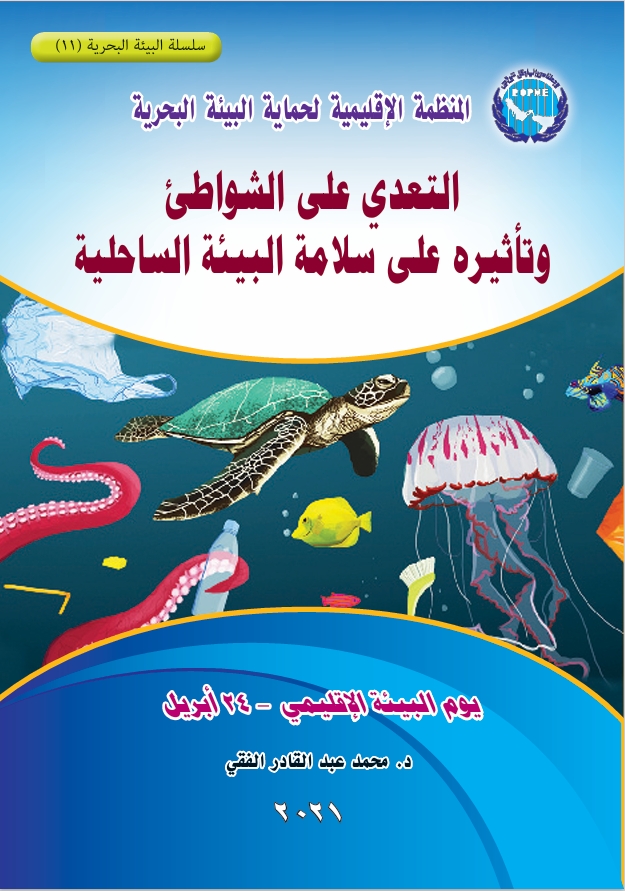
  • Encroachment on beaches and its impact on the safety of the coastal environment
    Encroachment on beaches and its impact on the safety of the coastal environment

    This publication, part of the Marine Environment Series (No. 11) issued by the Regional Organization for the Protection of the Marine Environment (ROPME), addresses the issue of coastal encroachment and its impact on the integrity of the coastal environment. It highlights the ecological and economic significance of beaches as dynamic ecosystems rich in biodiversity, essential

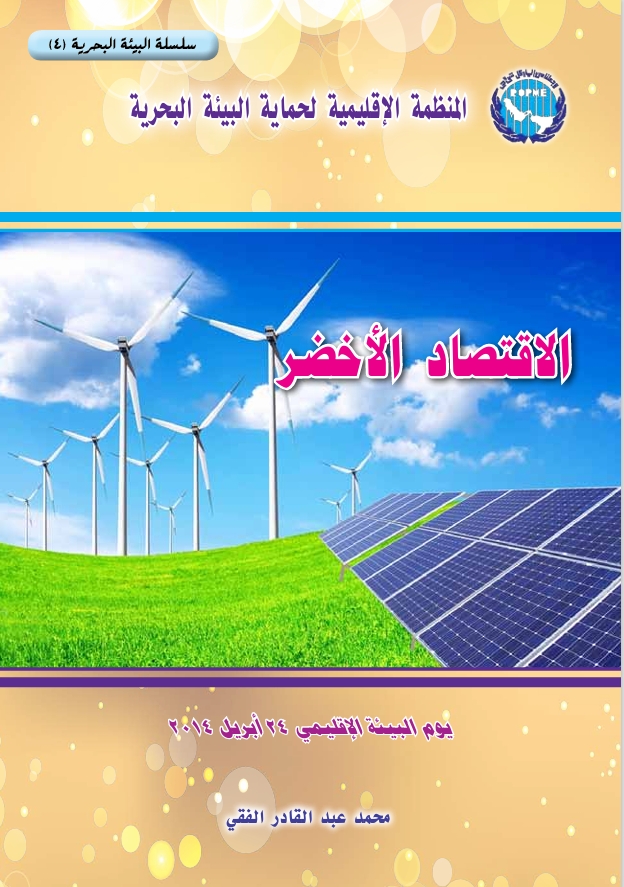
  • Green economy
    Green economy

    This publication addresses the concept of the green economy as a key modern approach in environmental and development thinking. The term emerged prominently through the United Nations Environment Programme (UNEP) in 2008 and was globally recognized as a central pillar of sustainable development, particularly during the Rio+20 Conference. A green economy is defined as an

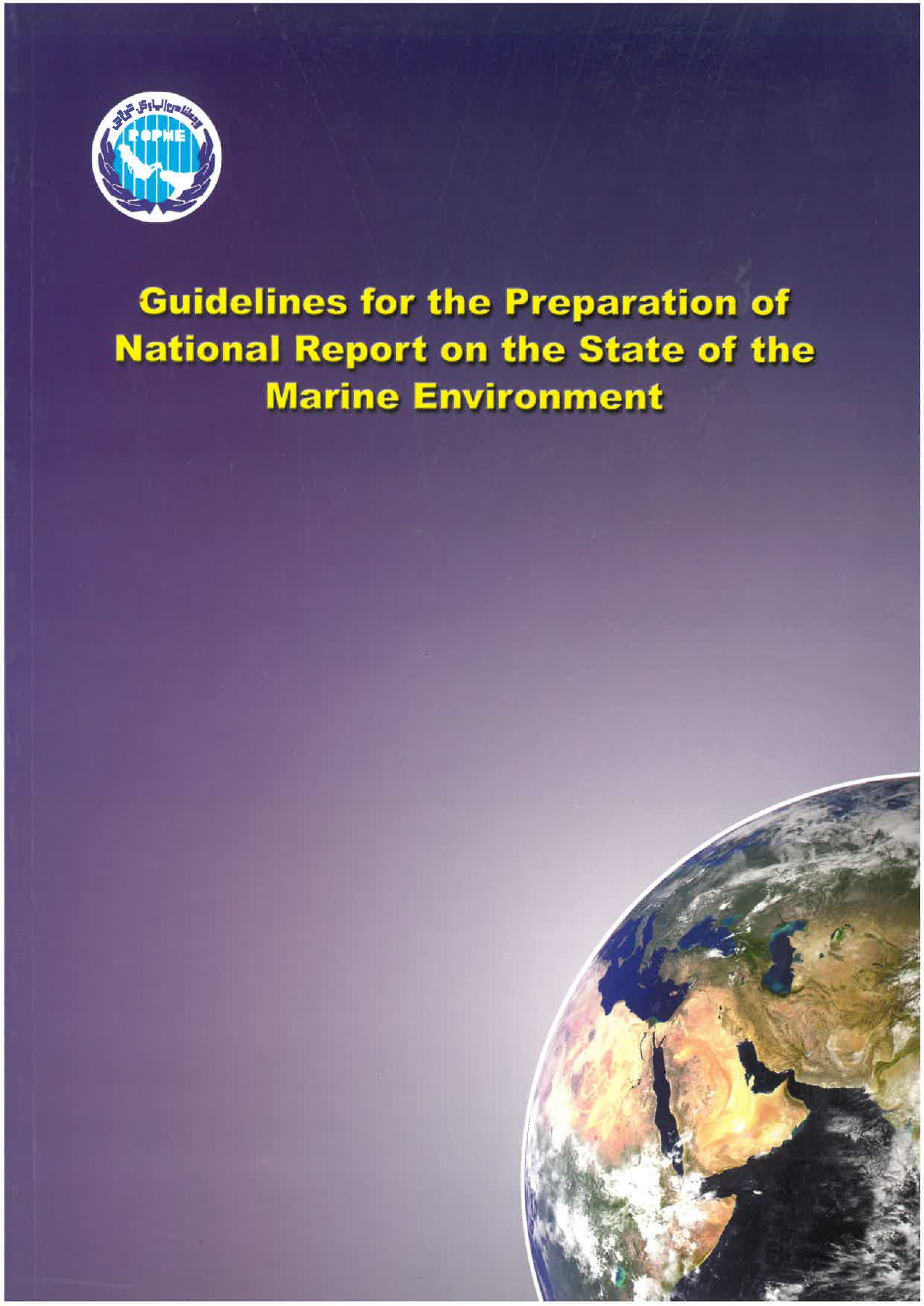
  • Guidelines for the Preparation of National Report on the State of the Marine Environment
    Guidelines for the Preparation of National Report on the State of the Marine Environment

    The document titled “Guidelines for the Preparation of National Report on the State of the Marine Environment” (ROPME, 2007) provides a structured framework for Member States to prepare national reports that contribute to the regional State of the Marine Environment Report (SOMER). Developed in collaboration with UNEP and aligned with the GEO (Global Environment Outlook)

  • Marine Plastic Pollution: Challenges and Solutions in the ROPME Sea Area
    Marine Plastic Pollution: Challenges and Solutions in the ROPME Sea Area

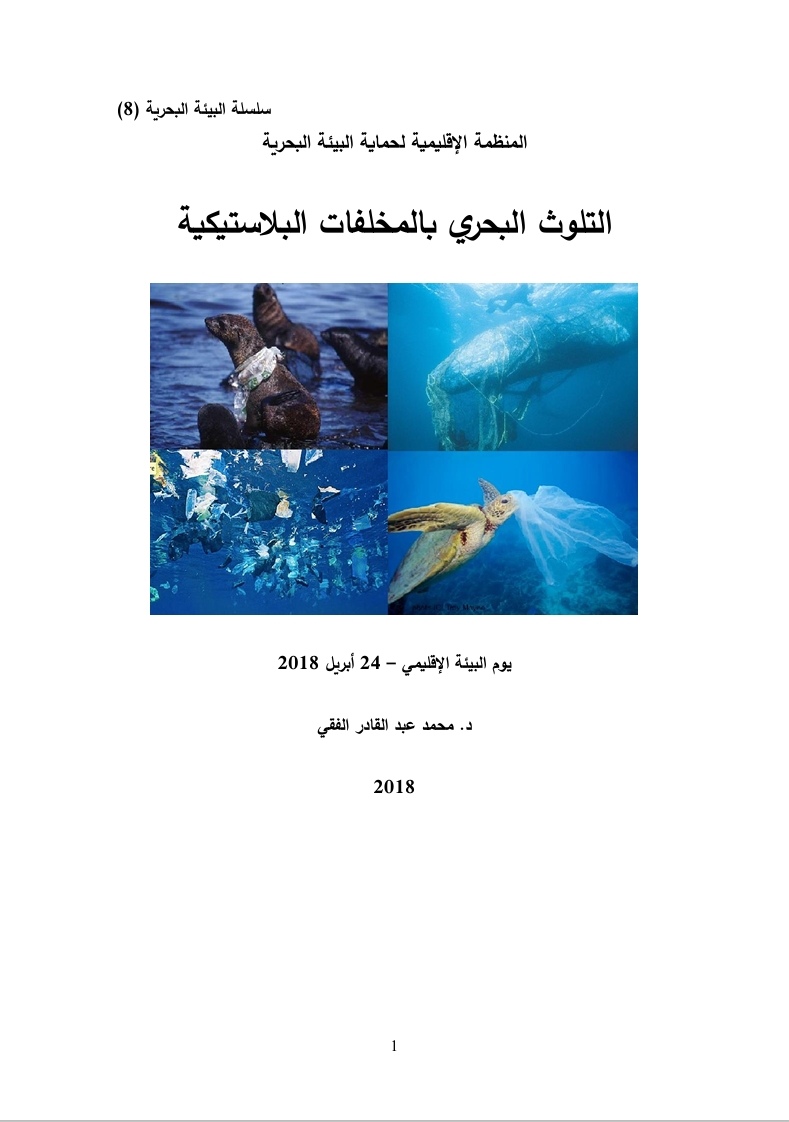
    The eighth issue of the Marine Environment Series published by the Regional Organization for the Protection of the Marine Environment (ROPME) addresses marine pollution caused by plastic waste as one of the most critical environmental challenges facing the world’s oceans, including the ROPME Sea Area. The report emphasizes that plastic pollution is more persistent and,

  • MOOPAM (2010)
    MOOPAM (2010)

    A revised edition for the guide to the fieldsurveys, sampling and analytical methods to beused by the participating institutions forimplementation of the Monitoring and ResearchProgramme for analyses of oceanographicparameters and oil and non-oil pollutants in theROPME Sea Area. In this revised edition of MOOPAM severalconsiderations were taken into account, i.e. thedevelopment of analytical capabilities in

  • Offshore Environment of the ROPME Sea Area after the War-Related Oil Spill: Results of the 1993–94 Umitaka-Maru Cruises
    Offshore Environment of the ROPME Sea Area after the War-Related Oil Spill: Results of the 1993–94 Umitaka-Maru Cruises

    The publication “Offshore Environment of the ROPME Sea Area after the War-Related Oil Spill: Results of the 1993–94 Umitaka-Maru Cruises” presents a comprehensive scientific assessment of the marine environment in the ROPME Sea Area (RSA) following the environmental catastrophe caused by the 1990–1991 Gulf War oil spill. The RSA, bordered by eight countries (Bahrain, Iran,

  • Overview on Land-based Sources and Activities Affecting the Marine Environment in the ROPME Sea Area
    Overview on Land-based Sources and Activities Affecting the Marine Environment in the ROPME Sea Area

    A comprehensive overview of land-based sources and activities affecting the marine, coastal and associated freshwater environments in the ROPME Sea Area, including the status of activities dealing with the protection of those environments from land-based sources. This work is based on a review of the relevant information and activities of the individual countries making up

  • Regional Report of The State of The Marine Environment 2000
    Regional Report of The State of The Marine Environment 2000

    The Regional Report on the State of the Marine Environment (2000) provides a comprehensive assessment of the health and challenges facing the marine ecosystems within its scope. It highlights critical issues such as pollution, habitat degradation, overfishing, and the emerging impacts of climate change on ocean systems. Based on scientific data and regional cooperation, the…

  • ROPME Sea Area Climate Change Risk Assessment
    ROPME Sea Area Climate Change Risk Assessment

    This document presents the first regional Climate Change Risk Assessment for the ROPME Sea Area (RSA), conducted under the Regional Organization for the Protection of the Marine Environment (ROPME). The RSA includes the territorial waters of Bahrain, Iran, Iraq, Kuwait, Oman, Qatar, Saudi Arabia, and the United Arab Emirates, and is divided into three sub-regions:

  • The Guidelines for the Management of Industrial Wastewater for the ROPME Region (2005)
    The Guidelines for the Management of Industrial Wastewater for the ROPME Region (2005)

    The Guidelines for the Management of Industrial Wastewater for the ROPME Region (2005) provide a comprehensive framework for controlling and reducing industrial pollution in the marine environment of the ROPME Sea Area (RSA). Due to the semi-enclosed nature of this region, pollutants tend to persist longer, making effective wastewater management a critical environmental priority. The

  • The Marine Environment and Climate Change
    The Marine Environment and Climate Change

    This publication by the Regional Organization for the Protection of the Marine Environment (ROPME) addresses the critical issue of marine environment and climate change, emphasizing that the marine environment is fundamental to life on Earth. Covering approximately 71% of the planet’s surface, it provides food, energy, freshwater (through desalination), supports biodiversity, regulates the global climate,

Explore More
  • The ROPME Policy Brief on Blue Carbon in the ROPME Sea Area
    The ROPME Policy Brief on Blue Carbon in the ROPME Sea Area

    The ROPME Policy Brief on Blue Carbon in the ROPME Sea Area highlights the critical role of marine and coastal ecosystems in climate change mitigation. Blue carbon refers to the carbon captured and stored in ecosystems such as mangroves, seagrasses, and salt marshes, which are highly efficient at sequestering carbon dioxide and storing it over

  • Marine Plastic Pollution: Challenges and Solutions in the ROPME Sea Area
    Marine Plastic Pollution: Challenges and Solutions in the ROPME Sea Area

    The eighth issue of the Marine Environment Series published by the Regional Organization for the Protection of the Marine Environment (ROPME) addresses marine pollution caused by plastic waste as one of the most critical environmental challenges facing the world’s oceans, including the ROPME Sea Area. The report emphasizes that plastic pollution is more persistent and,

  • Encroachment on beaches and its impact on the safety of the coastal environment
    Encroachment on beaches and its impact on the safety of the coastal environment

    This publication, part of the Marine Environment Series (No. 11) issued by the Regional Organization for the Protection of the Marine Environment (ROPME), addresses the issue of coastal encroachment and its impact on the integrity of the coastal environment. It highlights the ecological and economic significance of beaches as dynamic ecosystems rich in biodiversity, essential

  • The Marine Environment and Climate Change
    The Marine Environment and Climate Change

    This publication by the Regional Organization for the Protection of the Marine Environment (ROPME) addresses the critical issue of marine environment and climate change, emphasizing that the marine environment is fundamental to life on Earth. Covering approximately 71% of the planet’s surface, it provides food, energy, freshwater (through desalination), supports biodiversity, regulates the global climate,

  • Green economy
    Green economy

    This publication addresses the concept of the green economy as a key modern approach in environmental and development thinking. The term emerged prominently through the United Nations Environment Programme (UNEP) in 2008 and was globally recognized as a central pillar of sustainable development, particularly during the Rio+20 Conference. A green economy is defined as an

  • ROPME Sea Area Climate Change Risk Assessment
    ROPME Sea Area Climate Change Risk Assessment

    This document presents the first regional Climate Change Risk Assessment for the ROPME Sea Area (RSA), conducted under the Regional Organization for the Protection of the Marine Environment (ROPME). The RSA includes the territorial waters of Bahrain, Iran, Iraq, Kuwait, Oman, Qatar, Saudi Arabia, and the United Arab Emirates, and is divided into three sub-regions:

  • The ROPME/PERSGA/IHB Workshop on Hydrographic Activities in the ROPME Sea Area and the Red Sea 1999
    The ROPME/PERSGA/IHB Workshop on Hydrographic Activities in the ROPME Sea Area and the Red Sea 1999

    The ROPME/PERSGA/IHB Workshop on Hydrographic Activities in the ROPME Sea Area and the Red Sea (Kuwait, October 1999) focused on strengthening regional cooperation and advancing hydrographic capabilities to enhance navigation safety, environmental protection, and marine resource management. Hydrography, defined as the science of measuring and describing navigable waters and coastal areas, plays a critical role

  • Offshore Environment of the ROPME Sea Area after the War-Related Oil Spill: Results of the 1993–94 Umitaka-Maru Cruises
    Offshore Environment of the ROPME Sea Area after the War-Related Oil Spill: Results of the 1993–94 Umitaka-Maru Cruises

    The publication “Offshore Environment of the ROPME Sea Area after the War-Related Oil Spill: Results of the 1993–94 Umitaka-Maru Cruises” presents a comprehensive scientific assessment of the marine environment in the ROPME Sea Area (RSA) following the environmental catastrophe caused by the 1990–1991 Gulf War oil spill. The RSA, bordered by eight countries (Bahrain, Iran,