

The ROPME Policy Brief on Marine Climate Change Impacts in the ROPME Sea Area (RSA) provides an integrated assessment of how climate change is affecting one of the world’s warmest and most environmentally extreme marine regions. The RSA, shared by eight countries (Bahrain, Iran, Iraq, Kuwait, Oman, Qatar, Saudi Arabia, and the UAE), is divided into Inner, Middle, and Outer zones, each with distinct characteristics and vulnerabilities.
The report highlights that climate change is already driving significant physical and chemical changes in the marine environment. Sea surface temperatures have increased by about 1°C since the 1980s and are projected to rise by up to 4.3°C by the end of the century under high-emission scenarios. Sea levels are rising, salinity is increasing (especially in the Inner RSA), and oxygen levels are declining, particularly in already severe oxygen minimum zones. Ocean acidification is also progressing, with pH expected to decrease further. In addition, extreme events such as marine heatwaves, tropical cyclones, Shamal winds, and dust storms are becoming more frequent and intense.
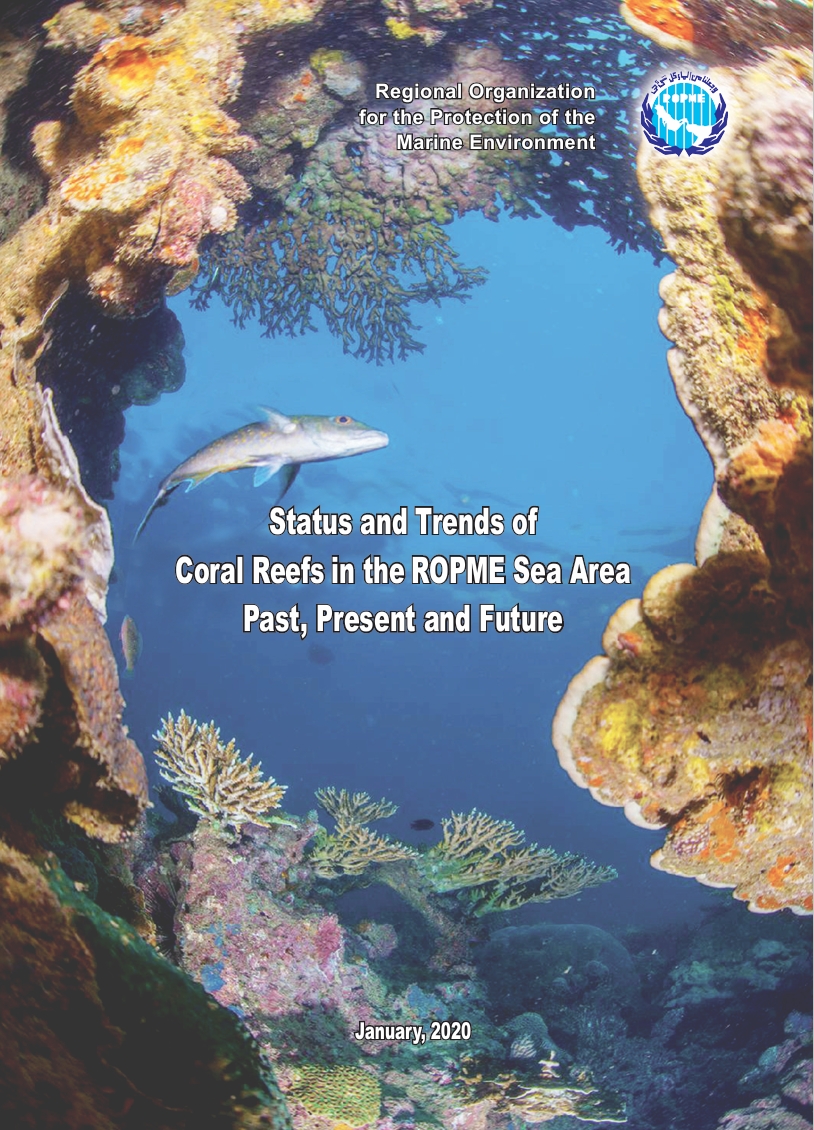
These changes are having profound impacts on ecosystems and biodiversity. Coral reefs have suffered widespread bleaching and decline, mangroves and coastal wetlands are threatened by sea-level rise and coastal development, and seagrasses face risks from extreme temperatures and storm disturbances. Phytoplankton productivity is projected to decline, affecting the entire marine food web. Fish diversity and stocks are expected to decrease, with up to 10% of species in the Inner RSA at risk of regional extinction. Meanwhile, harmful algal blooms and jellyfish outbreaks are increasing, disrupting ecosystems and industrial operations.
Marine species such as turtles, seabirds, dugongs, dolphins, and whales are also affected. Climate change may alter turtle reproduction, damage nesting habitats, and reduce food availability for species dependent on seagrass. Bird populations are threatened by habitat loss and extreme weather, while marine mammals may be indirectly impacted through changes in prey availability.
The socio-economic consequences are substantial. Fisheries and aquaculture face declining productivity and increased risks from environmental stressors. Desalination plants—critical for freshwater supply in the region—are vulnerable to algal blooms, jellyfish, water quality degradation, and coastal flooding. Coastal infrastructure, including power plants, ports, oil and gas facilities, and urban settlements, faces increasing risks from sea-level rise, storms, and erosion. Maritime transport may be disrupted, increasing the likelihood of accidents and pollution incidents.
Tourism and cultural heritage are also at risk due to rising temperatures, habitat degradation, and coastal erosion. Public health concerns may grow as harmful microorganisms expand their range in warmer waters.
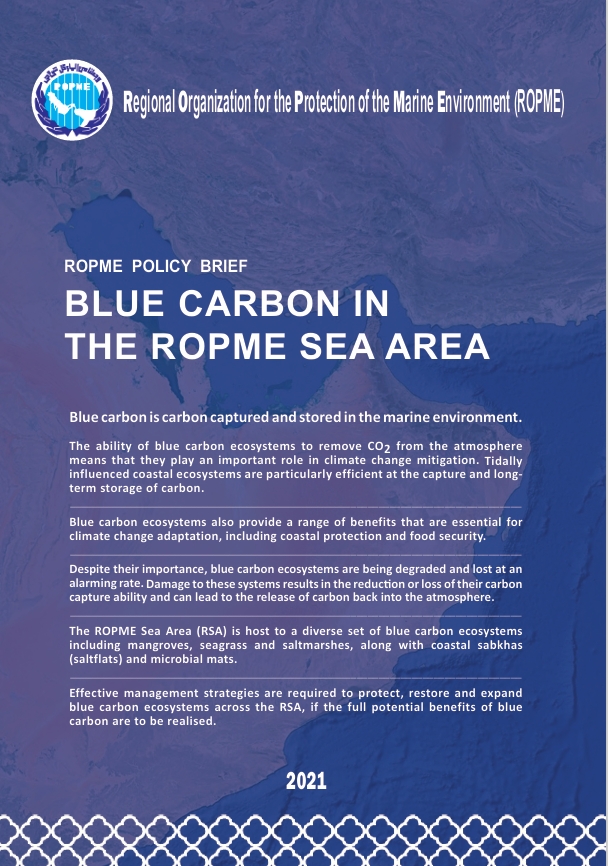
The report emphasizes the importance of nature-based solutions, such as protecting and restoring mangroves, seagrasses, and saltmarshes, which provide essential ecosystem services including carbon storage, coastal protection, and water purification. These habitats are vital for enhancing climate resilience but are themselves under severe threat.
Despite extensive findings, significant knowledge gaps remain, including limited long-term data, insufficient regional climate models, and inadequate understanding of combined climate and human impacts. The report calls for strengthened regional cooperation, improved data collection, and evidence-based policymaking.
ROPME has initiated a Regional Action Plan to assess climate risks, support adaptation and mitigation efforts, and build a shared knowledge base. This initiative aligns with global frameworks such as the UNFCCC and supports member states in developing national climate strategies and responses.