Adaptation of Marine Fisheries to the Impacts of Climate Change

Filters
Filters
Publication Date

2022

Issue

2022

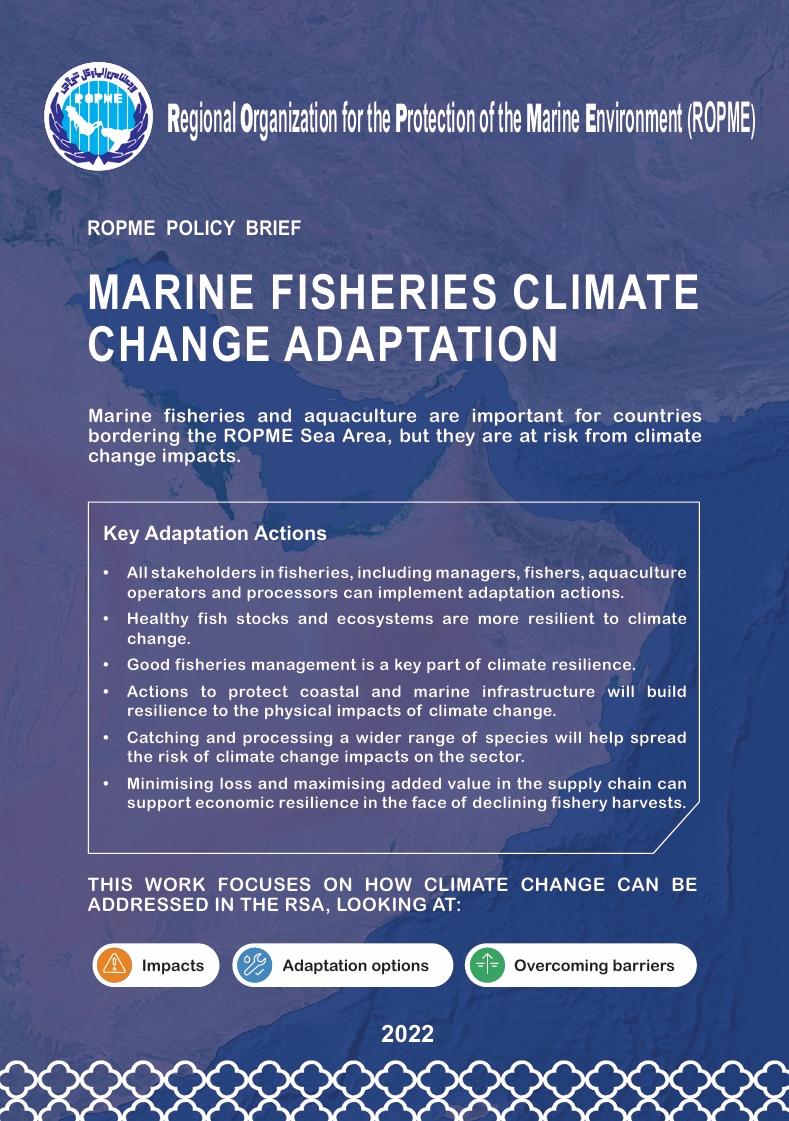
This policy brief by the Regional Organization for the Protection of the Marine Environment (ROPME) addresses the adaptation of marine fisheries to the impacts of climate change within a regional framework covering the eight member states bordering the ROPME Sea Area, which is divided into three sub-regions: a shallow semi-enclosed inner zone, a transitional middle zone, and a deep outer zone.

Marine fisheries in the region represent a key economic sector, relying on a wide diversity of species such as demersal and pelagic fish, tuna, shrimp, and other commercially important stocks, alongside the growing aquaculture sector. However, these resources are increasingly under pressure from climate change, including rising sea temperatures, salinity changes, declining dissolved oxygen, altered ocean currents, increased frequency of storms, and sea level rise.

Studies indicate that the inner region is most vulnerable to warming and salinity increases, while the middle and outer regions are more affected by changes in currents, cyclonic activity, and oxygen depletion. Recurrent environmental phenomena such as fish mortality events, jellyfish blooms, and harmful algal blooms have also been observed, directly impacting fisheries and aquaculture operations.

These changes are leading to reduced fish diversity, declining commercial stocks, shifts in species distribution, and consequently lower fish production, with serious implications for food security and coastal livelihoods. Fisheries infrastructure and aquaculture facilities are also increasingly exposed to flooding, storms, and coastal erosion.

The brief proposes a range of adaptation measures, including sustainable fisheries management, early warning systems, improved environmental planning, enhanced monitoring technologies, aquaculture development, and livelihood diversification, as well as capacity building and fisher preparedness for extreme events. It further emphasizes ecosystem-based management, reduction of human pressures, and biodiversity enhancement as key elements of resilience.

The report concludes that strengthening fisheries adaptation requires coordinated regional cooperation, flexible policy frameworks, and the integration of scientific research and workshop outcomes, in line with member states’ commitments under the Paris Agreement on climate change.
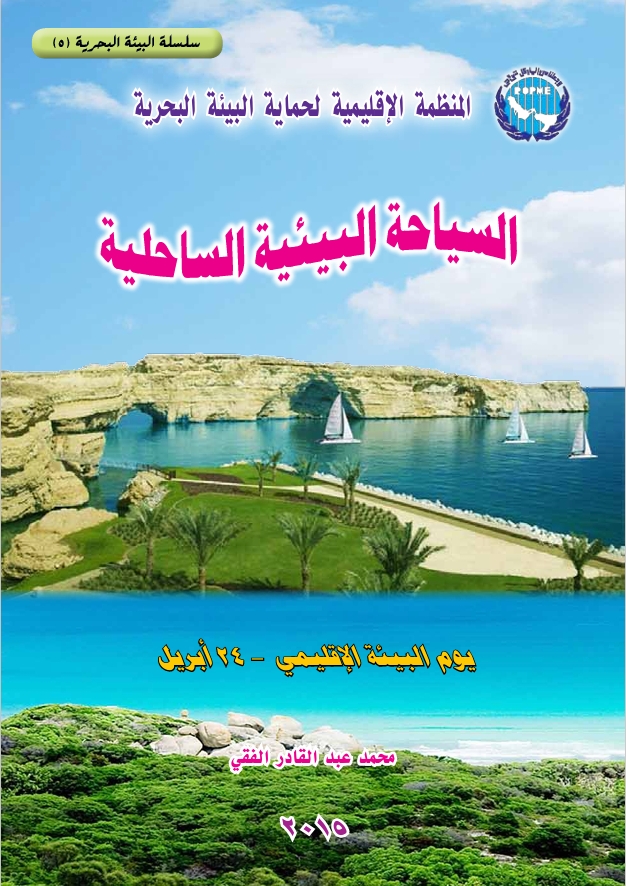
  • Coastal ecotourism
    Coastal ecotourism

    This publication This publication issued by the Regional Organization for the Protection of the Marine Environment (ROPME), as part of Marine Environment Series (5), addresses Coastal Ecotourism on the occasion of Regional Environment Day (24 April 2015). It highlights ecotourism as a key instrument for sustainable development and coastal environmental protection. The newsletter emphasizes that

  • Encroachment on beaches and its impact on the safety of the coastal environment
    Encroachment on beaches and its impact on the safety of the coastal environment

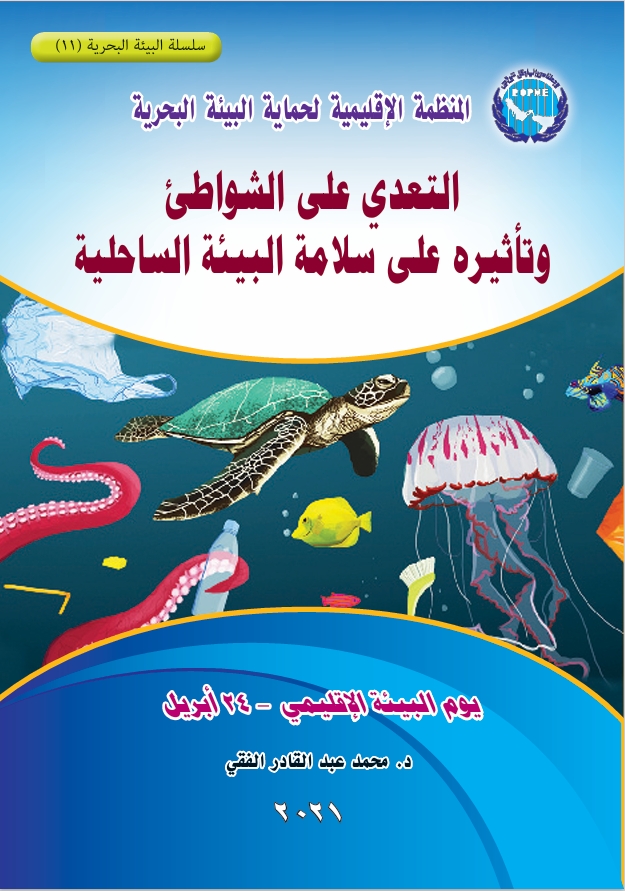
    This publication, part of the Marine Environment Series (No. 11) issued by the Regional Organization for the Protection of the Marine Environment (ROPME), addresses the issue of coastal encroachment and its impact on the integrity of the coastal environment. It highlights the ecological and economic significance of beaches as dynamic ecosystems rich in biodiversity, essential

  • Green economy
    Green economy

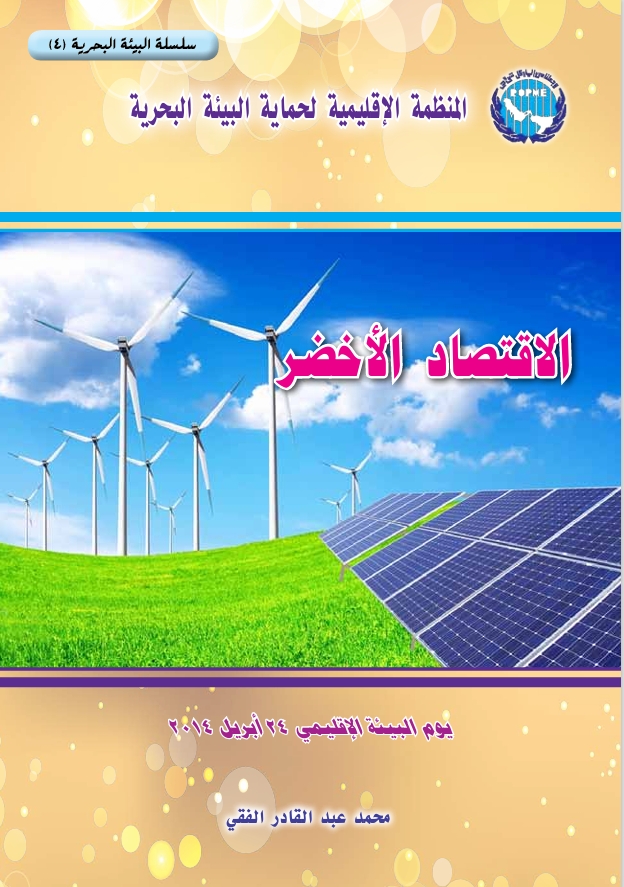
    This publication addresses the concept of the green economy as a key modern approach in environmental and development thinking. The term emerged prominently through the United Nations Environment Programme (UNEP) in 2008 and was globally recognized as a central pillar of sustainable development, particularly during the Rio+20 Conference. A green economy is defined as an

  • Guidelines for the Preparation of National Report on the State of the Marine Environment
    Guidelines for the Preparation of National Report on the State of the Marine Environment

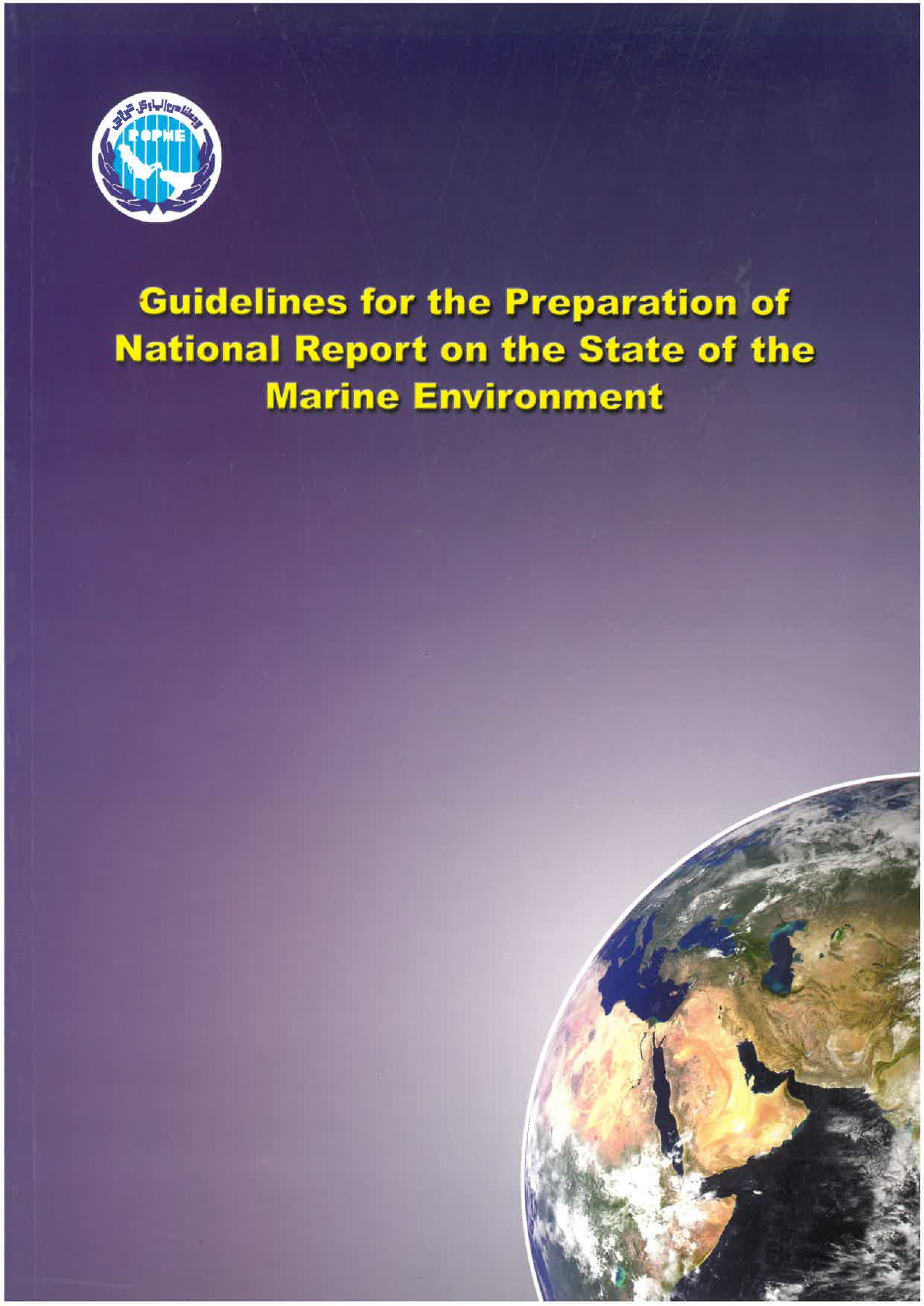
    The document titled “Guidelines for the Preparation of National Report on the State of the Marine Environment” (ROPME, 2007) provides a structured framework for Member States to prepare national reports that contribute to the regional State of the Marine Environment Report (SOMER). Developed in collaboration with UNEP and aligned with the GEO (Global Environment Outlook)

  • Mangrove Trees
    Mangrove Trees

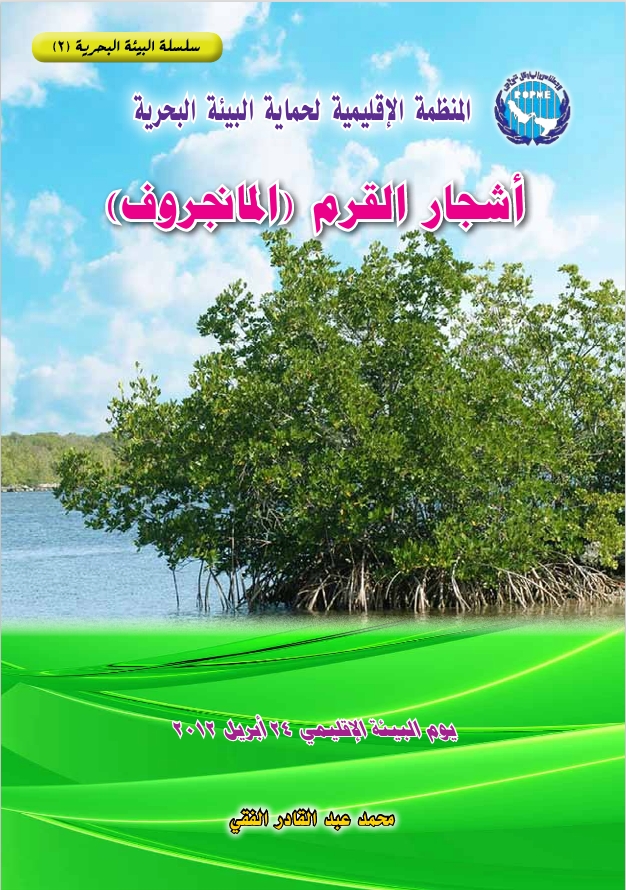
    This special publication, issued on the occasion of Regional Environment Day (April 24, 2012), highlights the significance of mangrove trees as one of the most vital and productive coastal ecosystems. It provides a comprehensive overview of their environmental, historical, scientific, and economic importance, with particular focus on their status within the Regional Organization for the

  • Marine Environment Series: Marine Pollution from Offshore (sea-based) sources
    Marine Environment Series: Marine Pollution from Offshore (sea-based) sources

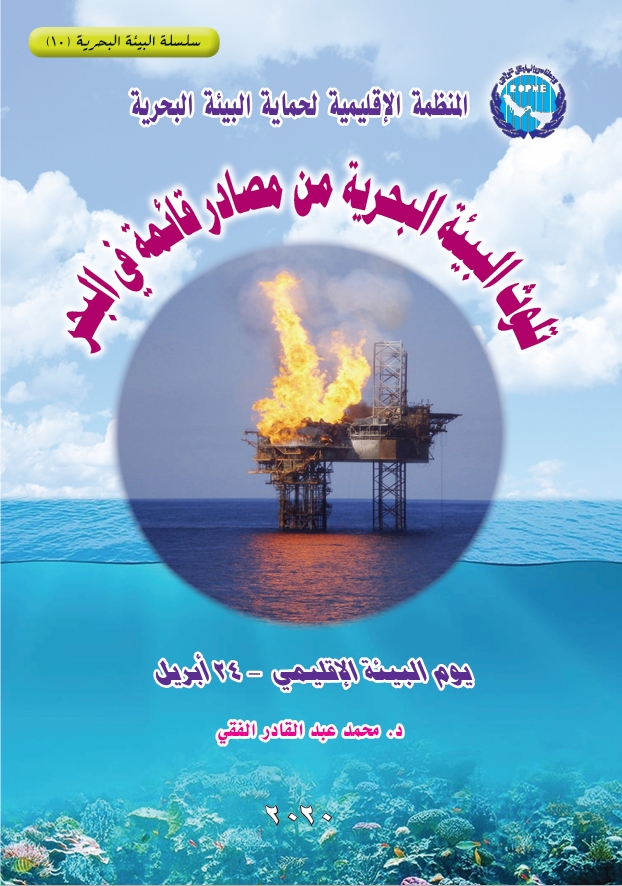
    This special publication from the Marine Environment Series (2020) addresses marine pollution from offshore (sea-based) sources, focusing on the marine environment within the Regional Organization for the Protection of the Marine Environment (ROPME) area and the growing environmental challenges driven by human activities, particularly those linked to oil, shipping, and industrial development. The ROPME marine

  • Marine Plastic Pollution: Challenges and Solutions in the ROPME Sea Area
    Marine Plastic Pollution: Challenges and Solutions in the ROPME Sea Area

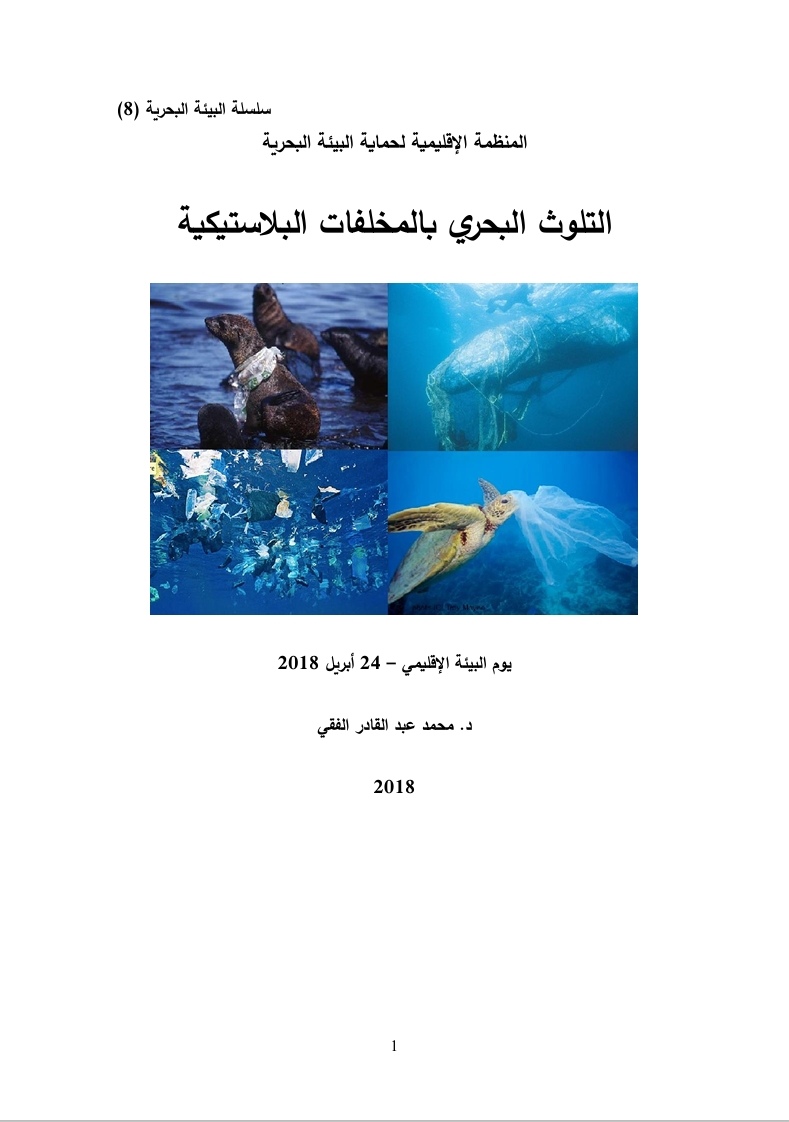
    The eighth issue of the Marine Environment Series published by the Regional Organization for the Protection of the Marine Environment (ROPME) addresses marine pollution caused by plastic waste as one of the most critical environmental challenges facing the world’s oceans, including the ROPME Sea Area. The report emphasizes that plastic pollution is more persistent and,

  • MOOPAM (2010)
    MOOPAM (2010)

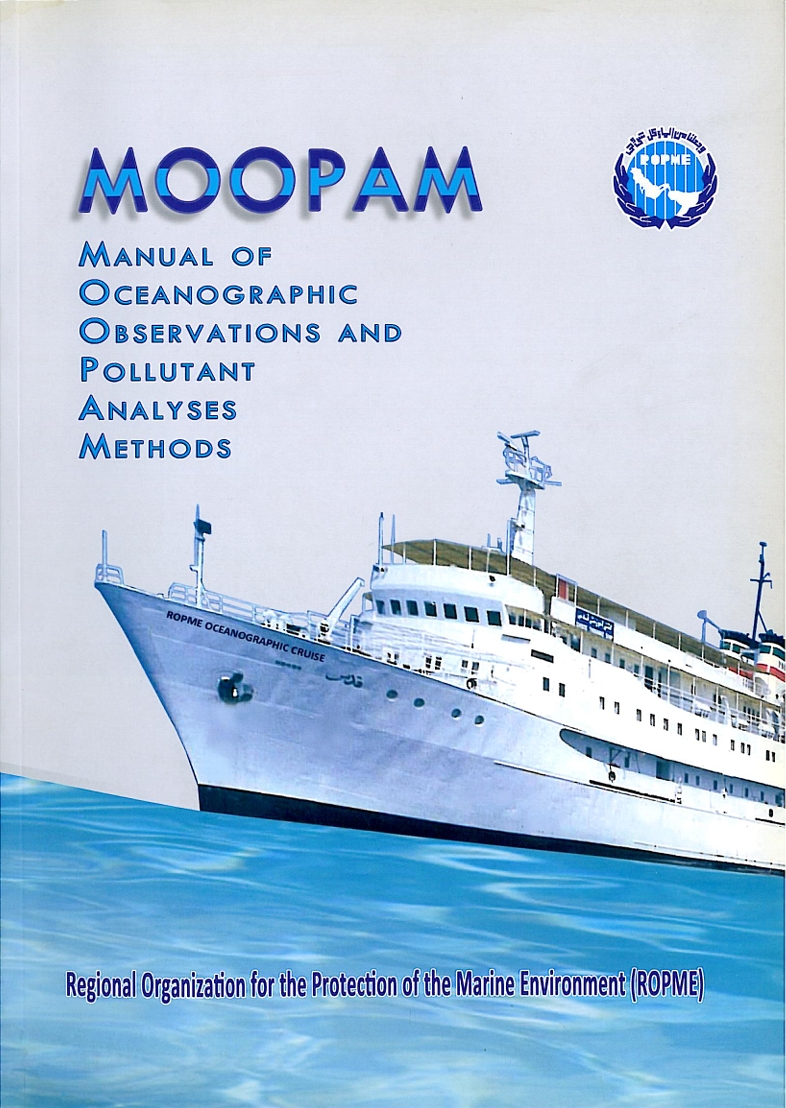
    A revised edition for the guide to the fieldsurveys, sampling and analytical methods to beused by the participating institutions forimplementation of the Monitoring and ResearchProgramme for analyses of oceanographicparameters and oil and non-oil pollutants in theROPME Sea Area. In this revised edition of MOOPAM severalconsiderations were taken into account, i.e. thedevelopment of analytical capabilities in

  • Offshore Environment of the ROPME Sea Area after the War-Related Oil Spill: Results of the 1993–94 Umitaka-Maru Cruises
    Offshore Environment of the ROPME Sea Area after the War-Related Oil Spill: Results of the 1993–94 Umitaka-Maru Cruises

    The publication “Offshore Environment of the ROPME Sea Area after the War-Related Oil Spill: Results of the 1993–94 Umitaka-Maru Cruises” presents a comprehensive scientific assessment of the marine environment in the ROPME Sea Area (RSA) following the environmental catastrophe caused by the 1990–1991 Gulf War oil spill. The RSA, bordered by eight countries (Bahrain, Iran,

  • Overview on Land-based Sources and Activities Affecting the Marine Environment in the ROPME Sea Area
    Overview on Land-based Sources and Activities Affecting the Marine Environment in the ROPME Sea Area

    A comprehensive overview of land-based sources and activities affecting the marine, coastal and associated freshwater environments in the ROPME Sea Area, including the status of activities dealing with the protection of those environments from land-based sources. This work is based on a review of the relevant information and activities of the individual countries making up

  • Policy brief on the impacts of Climate change on the ROPME Sea Area
    Policy brief on the impacts of Climate change on the ROPME Sea Area

    This policy brief issued by the Regional Organization for the Protection of the Marine Environment (ROPME) assesses the impacts of climate change on the ROPME Sea Area, one of the warmest and most environmentally extreme marine regions in the world, encompassing the Arabian Gulf and the northwestern Indian Ocean. The report confirms that climate change

  • The Guidelines for the Management of Industrial Wastewater for the ROPME Region (2005)
    The Guidelines for the Management of Industrial Wastewater for the ROPME Region (2005)

    The Guidelines for the Management of Industrial Wastewater for the ROPME Region (2005) provide a comprehensive framework for controlling and reducing industrial pollution in the marine environment of the ROPME Sea Area (RSA). Due to the semi-enclosed nature of this region, pollutants tend to persist longer, making effective wastewater management a critical environmental priority. The

Explore More
  • The Regional Report of the State of the Marine Environment (SOMER) 1999
    The Regional Report of the State of the Marine Environment (SOMER) 1999

    The Regional Report of the State of the Marine Environment (SOMER), published by the Regional Organization for the Protection of the Marine Environment (ROPME) in 1999, represents the first comprehensive scientific assessment of the marine and coastal environment within the ROPME Sea Area (RSA). Prepared in accordance with the Kuwait Regional Convention, the report evaluates

  • Offshore Environment of the ROPME Sea Area after the War-Related Oil Spill: Results of the 1993–94 Umitaka-Maru Cruises
    Offshore Environment of the ROPME Sea Area after the War-Related Oil Spill: Results of the 1993–94 Umitaka-Maru Cruises

    This report, “Offshore Environment of the ROPME Sea Area after the War-Related Oil Spill: Results of the 1993–94 Umitaka-Maru Cruises”, presents integrated oceanographic findings from scientific cruises conducted in the ROPME Sea Area (RSA) following the 1990–1991 Gulf War environmental crisis. The study was carried out aboard the research vessel Umitaka-Maru between 1993 and 1994,

  • ROPME Oceanographic Cruise – Winter 2006
    ROPME Oceanographic Cruise – Winter 2006

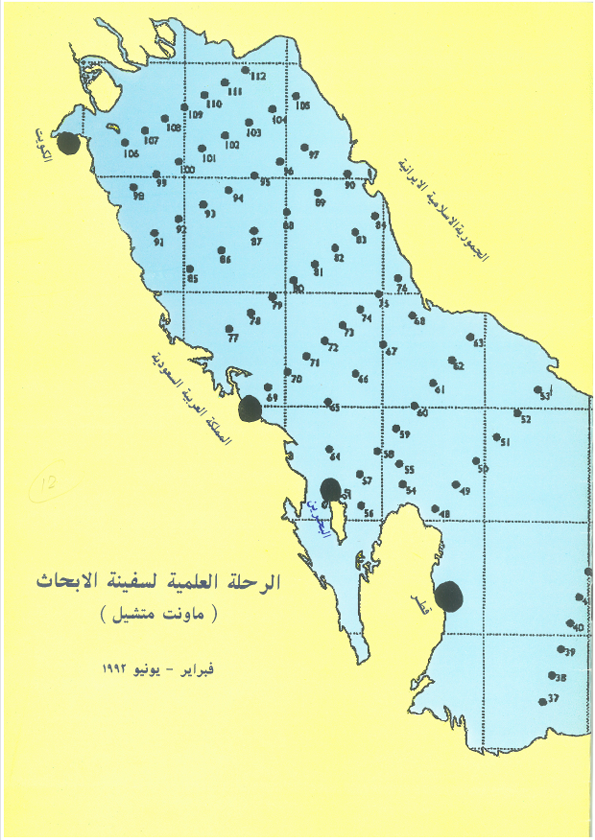
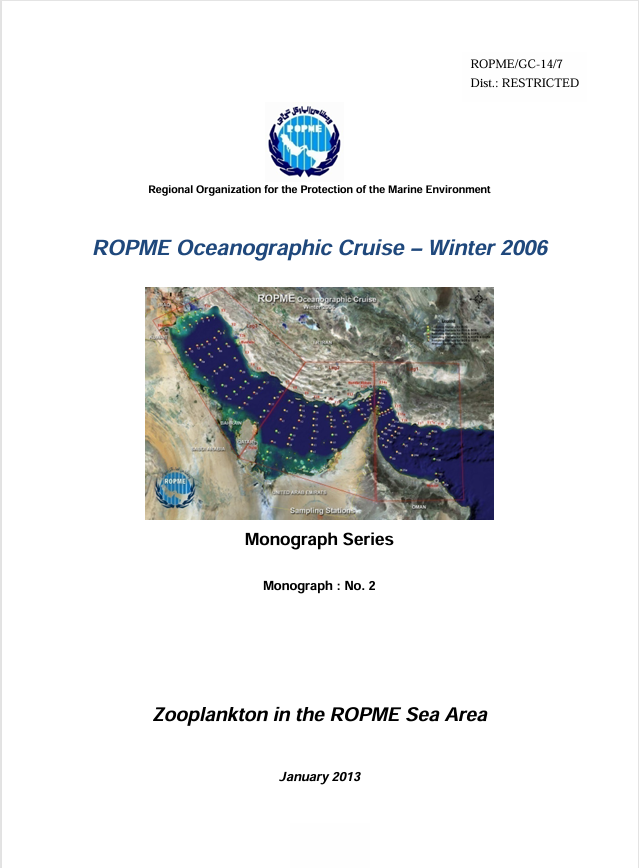
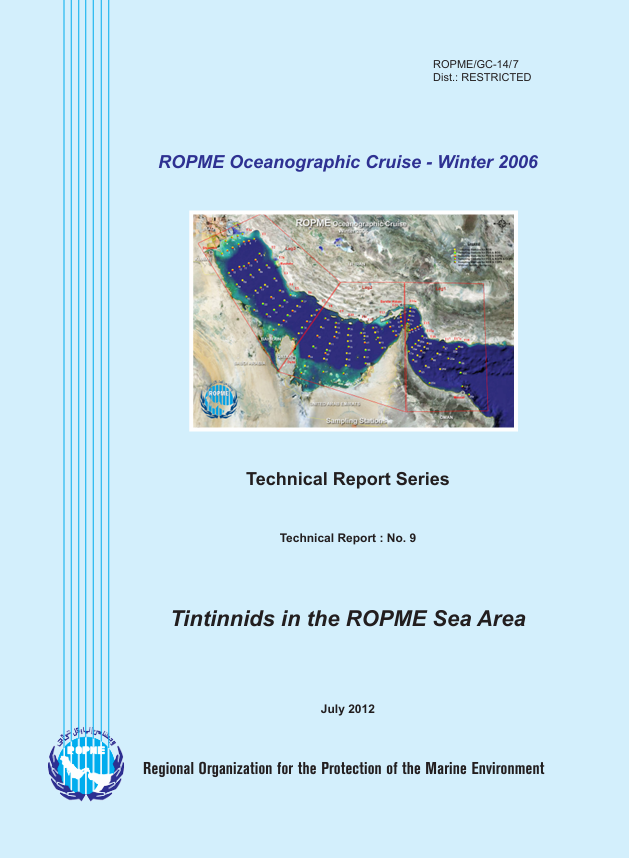
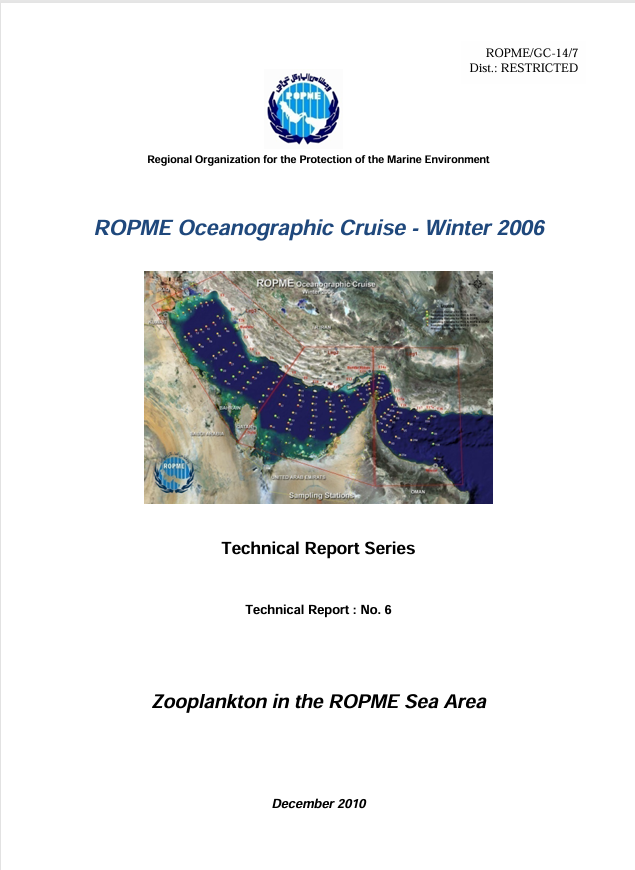
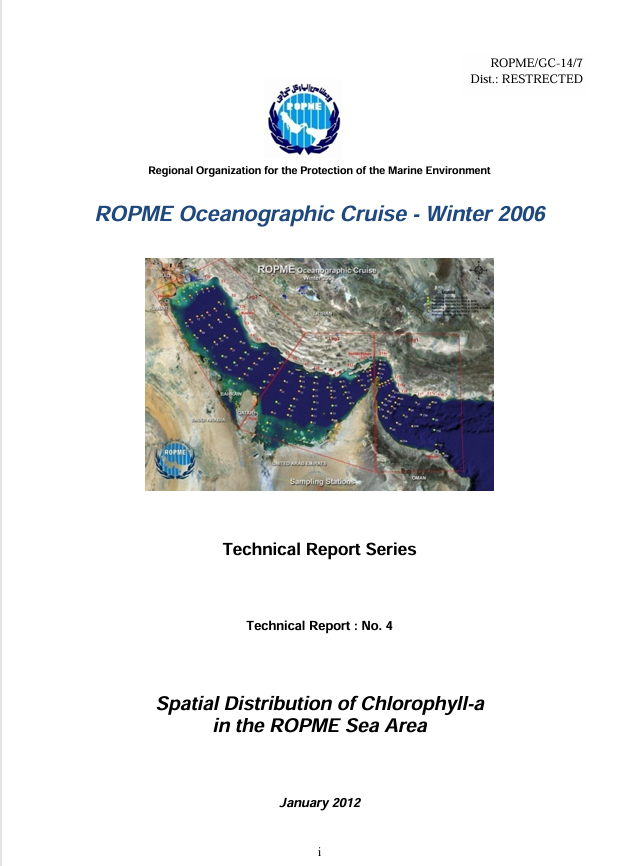
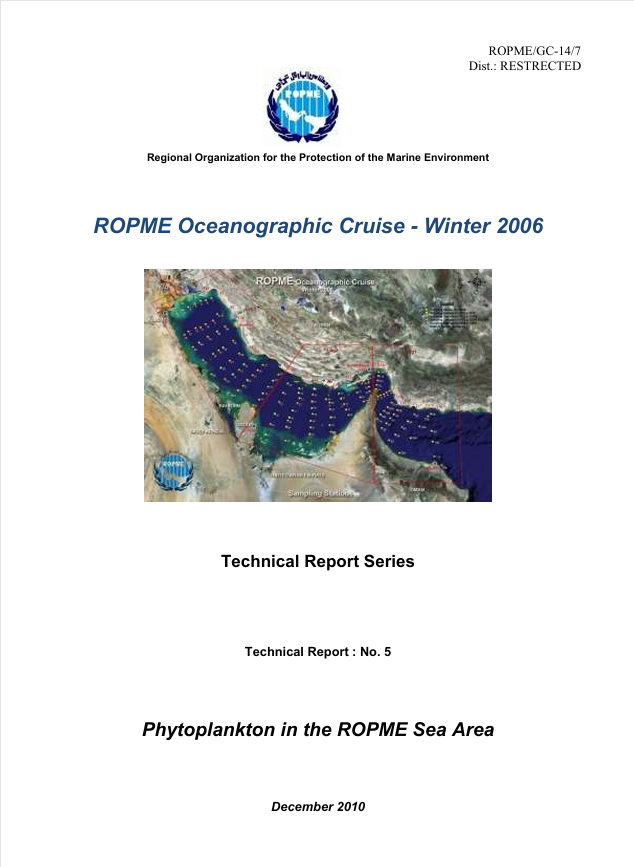
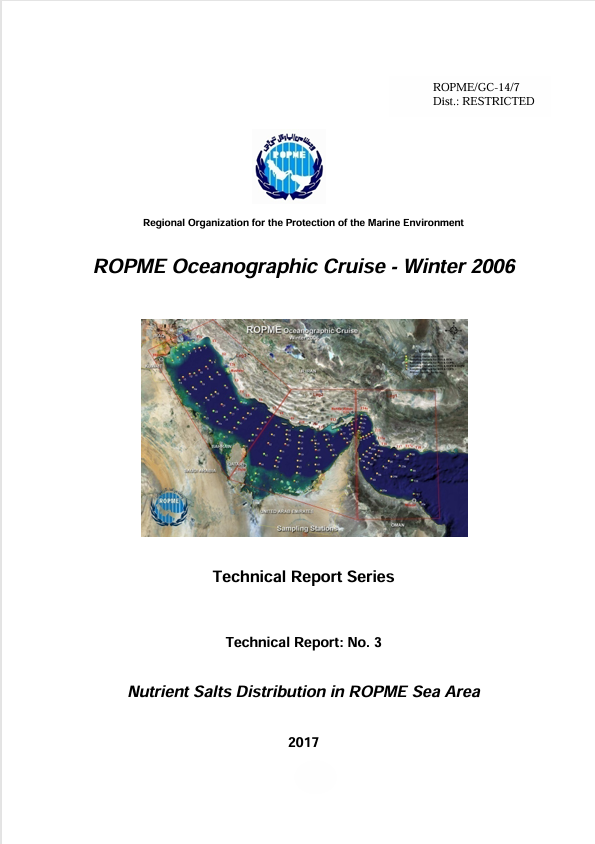
    The monograph “ROPME Oceanographic Cruise – Winter 2006: Phytoplankton in the ROPME Sea Area” (September 2012), prepared by the Kuwait Institute for Scientific Research under ROPME supervision, presents a detailed taxonomic and ecological assessment of phytoplankton diversity in the ROPME Sea Area (RSA). It is part of a broader scientific series based on samples collected

  • Coastal Ecotourism
    Coastal Ecotourism

    This publication issued by the Regional Organization for the Protection of the Marine Environment (ROPME), as part of Marine Environment Series (5), addresses Coastal Ecotourism on the occasion of Regional Environment Day (24 April 2015). It highlights ecotourism as a key instrument for sustainable development and coastal environmental protection. The newsletter emphasizes that coastlines are

  • ROPME Marine Climate Change Impacts Evidence Report
    ROPME Marine Climate Change Impacts Evidence Report

    The ROPME Marine Climate Change Impacts Evidence Report (2020) provides a comprehensive scientific assessment of current and projected climate change impacts on marine and coastal ecosystems, communities, and industries within the ROPME Sea Area (RSA), which includes the waters of eight member states in the Gulf and surrounding regions. The RSA is one of the

  • The Guidelines for Joint and/or Combined Effluent Treatment for the ROPME Region (2005)
    The Guidelines for Joint and/or Combined Effluent Treatment for the ROPME Region (2005)

    The Guidelines for Joint and/or Combined Effluent Treatment for the ROPME Region (2005), developed by the Regional Organization for the Protection of the Marine Environment (ROPME), provide a comprehensive framework for managing industrial and municipal wastewater in the ROPME Sea Area (RSA). The RSA’s semi-enclosed nature makes it particularly vulnerable to pollution, as contaminants tend

  • The Biennial Report (2003–2005)
    The Biennial Report (2003–2005)

    The Biennial Report (2003–2005) of the Marine Emergency Mutual Aid Centre (MEMAC)—the operational arm of the Regional Organization for the Protection of the Marine Environment (ROPME)—highlights the Center’s achievements, activities, and strategic role in protecting the marine environment in the ROPME Sea Area. MEMAC operates under the Kuwait Regional Convention (1978) and aims to strengthen

  • Summary of SOMER 2003
    Summary of SOMER 2003

    The State of the Marine Environment Report (SOMER) 2003, prepared by the Regional Organization for the Protection of the Marine Environment (ROPME), provides a comprehensive and updated assessment of the environmental conditions of the ROPME Sea Area (RSA). The report builds on earlier editions (1999 and 2000) and is based on contributions from member states,