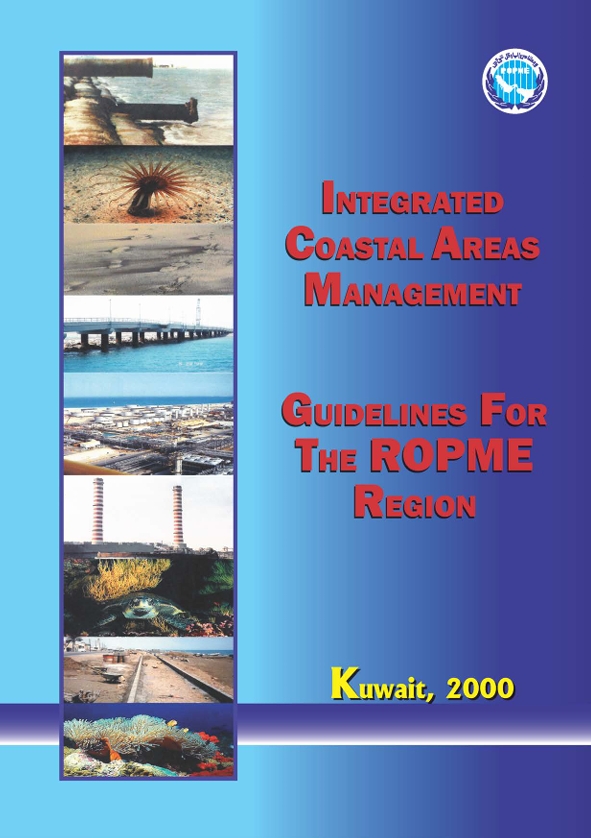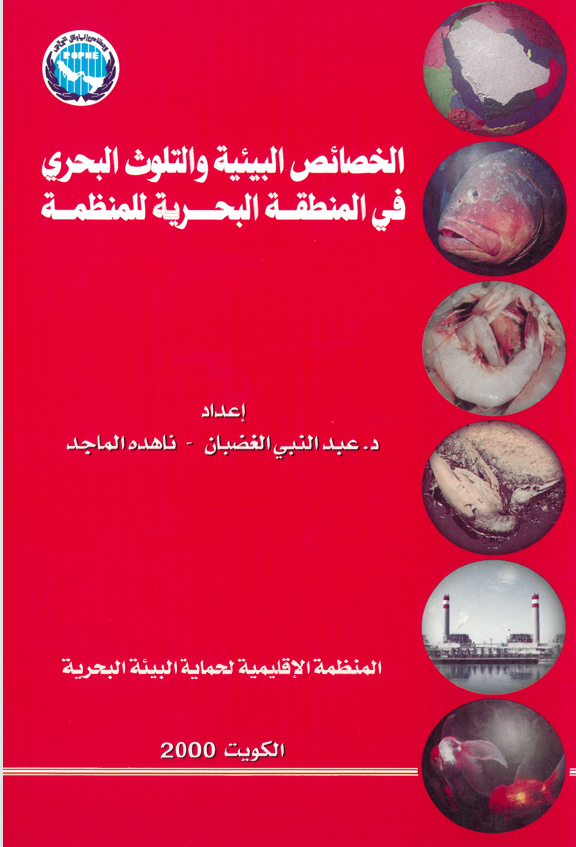


The document highlights the growing environmental challenges facing coastal areas due to the cumulative impacts of sectoral activities such as oil and gas extraction, urbanisation, tourism, industry, and transportation. These activities collectively contribute to marine and air pollution, degradation of land and marine resources, and loss of biodiversity and cultural heritage. Traditional sector-based management approaches have proven ineffective, as they often shift environmental problems between sectors rather than resolving them.
Recognising the complexity and interdependence of coastal ecosystems, the document emphasizes the need for Integrated Coastal Area Management (ICAM) as a comprehensive and adaptive framework. ICAM promotes sustainable development by balancing environmental, economic, and social objectives while safeguarding coastal resources for present and future generations. This approach was reinforced by the 1992 Rio Earth Summit (Agenda 21), which called for integrated and flexible coastal management at all governance levels.
In the ROPME Sea Area, rapid economic growth and population expansion have intensified pressures on coastal environments, despite efforts such as the establishment of protected areas and national management strategies. However, these efforts remain insufficient without stronger coordination, institutional frameworks, and political commitment.
The document outlines key coastal resources (e.g., coral reefs, mangroves, wetlands), their ecological and economic importance, and the major conflicts arising from competing uses. It also presents the stages, tools, and institutional requirements for implementing ICAM, including planning, monitoring, legal frameworks, financing, and public participation.
Ultimately, the document concludes that sustainable coastal development can only be achieved through integrated, holistic management approaches that address the combined impacts of human activities and ensure long-term environmental resilience.