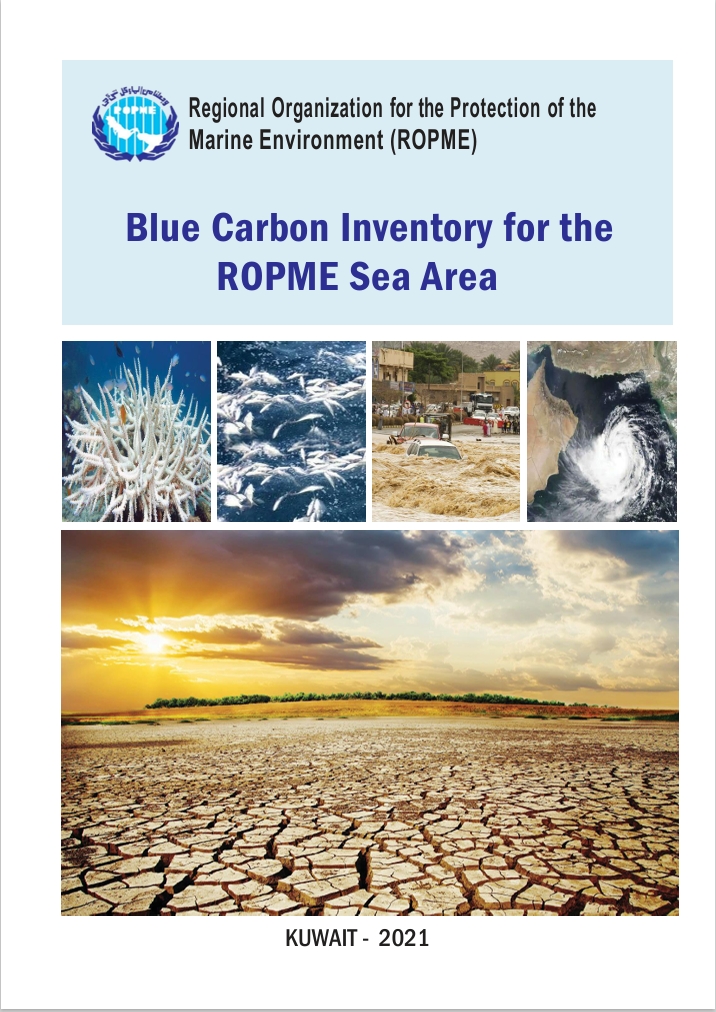


The Blue Carbon Inventory for the ROPME Sea Area (2021) provides a comprehensive regional assessment of the extent, carbon storage, and sequestration potential of blue carbon ecosystems across the eight ROPME member states. The report was developed to support climate change mitigation and adaptation efforts under the ROPME Regional Action Plan.
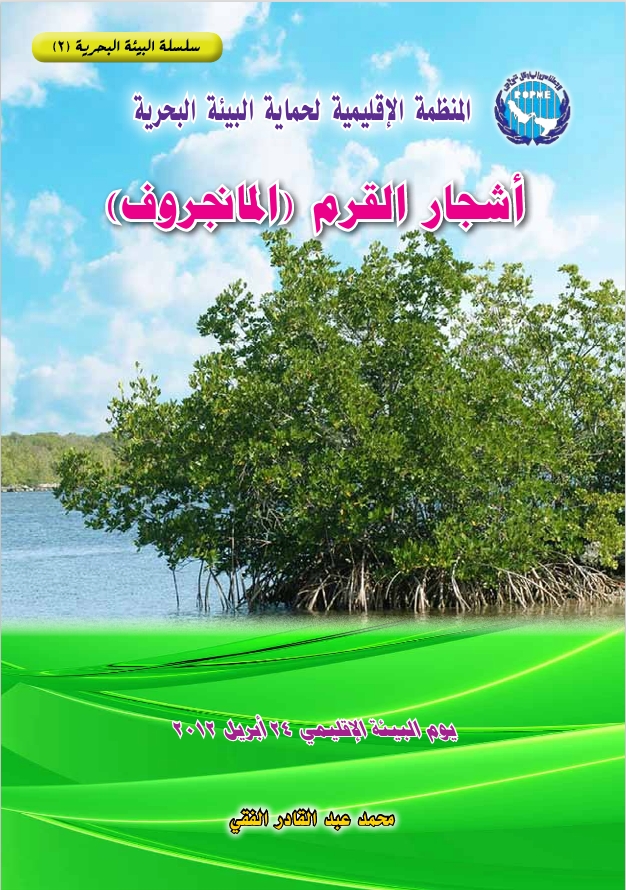
It identifies key blue carbon ecosystems in the region, including mangroves, seagrasses, and saltmarshes, as well as emerging systems such as coastal sabkhas, microbial mats, and marine sediments. These ecosystems collectively cover thousands of square kilometers and store significant amounts of carbon, with total stocks estimated in the tens of gigagrams, despite relatively low annual sequestration rates compared to regional emissions. Seagrasses represent the largest spatial extent, while mangroves contribute most significantly to carbon sequestration and storage efficiency.
The report highlights that blue carbon ecosystems in the ROPME Sea Area exist under extreme environmental conditions (high temperature, salinity, and low rainfall), resulting in generally lower carbon storage values compared to global averages. However, they remain critically important for biodiversity, coastal protection, and climate resilience.
Major threats to these ecosystems include coastal development, land reclamation, pollution, dredging, overgrazing, and hydrological alterations, in addition to climate change impacts such as sea-level rise, extreme weather events, and temperature increases.
Despite data limitations and knowledge gaps—particularly regarding ecosystem mapping, carbon accumulation rates, and emerging habitats—the report emphasizes the strategic importance of protecting and managing blue carbon ecosystems. It concludes that enhancing regional data, adopting nature-based solutions, and integrating these ecosystems into national climate policies (NDCs) are essential steps to strengthen climate mitigation and adaptation in the region.