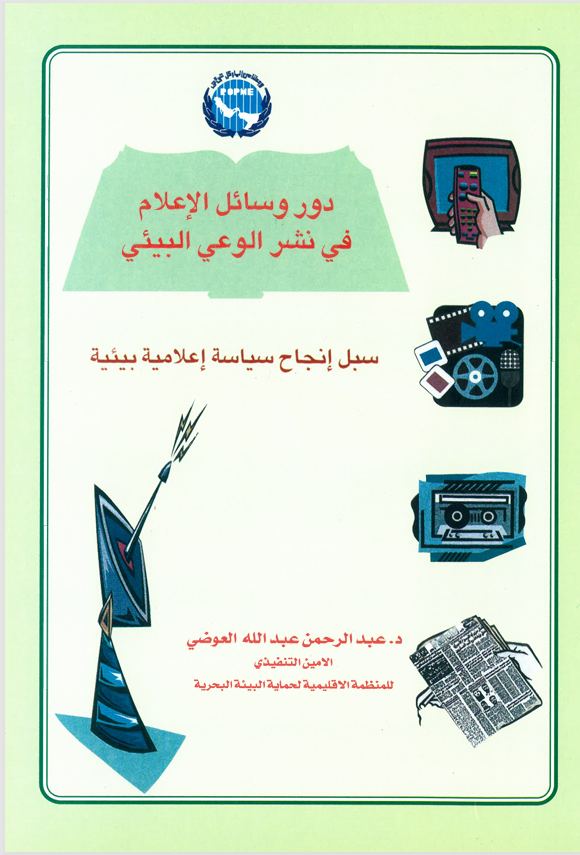


The lecture highlighted the importance of environmental awareness and the role of media in protecting the environment and promoting sustainable development. It emphasized that environmental challenges have become among the most significant issues facing humanity, and that the success of environmental protection efforts depends largely on changing human behavior toward the environment and its resources.
Dr. Abdulrahman Al-Awadhi explained that humans are the most influential element within the environmental system, being both the main contributor to many environmental problems and the party affected by their consequences. Therefore, education, environmental training, and media are essential tools for guiding behavior and promoting the responsible use of natural resources.
The lecture emphasized that environmental media has become a fundamental component of any policy aimed at protecting the environment by disseminating information, increasing public understanding, and encouraging changes in practices and behaviors related to environmental issues.
View more
1. The Concept of Environment and Environmental Awareness
The concept of the environment has evolved significantly. It is no longer limited to natural elements such as plants, animals, and their surrounding habitats, but is now understood as an integrated system that includes human beings and the economic, social, cultural, and technological factors that influence and are influenced by it.
The lecture pointed out that industrial and technological development has increased pressure on natural resources through their overexploitation and has contributed to problems such as pollution and ecosystem degradation. Therefore, strengthening environmental awareness has become essential to addressing these challenges.
Effective environmental awareness depends on providing all segments of society with accurate scientific knowledge about the relationship between humans and the environment and the impacts of human activities on ecosystems and quality of life.
2. Components of Environmental Awareness
The lecture identified three interconnected components necessary for building effective environmental awareness:
A. Environmental Education
Environmental education aims to prepare generations capable of understanding environmental issues and addressing them scientifically through integrating environmental concepts into educational curricula from kindergarten to university levels.
Key recommendations included:
* Developing environmental curricula suitable for different educational stages.
* Encouraging students’ participation in environmental activities and projects.
* Promoting scientific thinking and decision-making skills related to environmental protection.
B. Environmental Culture
Environmental culture involves spreading environmental knowledge among members of society, particularly educated and professional groups, through books, publications, and simplified scientific articles.
C. Environmental Media
Environmental media is considered the most effective tool for reaching different segments of society. It aims to present environmental issues in ways appropriate to different audiences and encourage public participation.
3. The Role of Environmental Media
The lecture emphasized the increasing importance of environmental media due to growing global challenges such as pollution, resource depletion, and issues related to energy, food, and water security.
However, successful environmental media requires:
* Scientific accuracy and objectivity in presenting information.
* Avoiding media sensationalism that may mislead the public.
* Preparing specialized environmental journalists capable of understanding and simplifying environmental issues.
* Strengthening cooperation between media professionals and scientific and environmental institutions.
Dr. Al-Awadhi highlighted that one of the main challenges is the limited environmental specialization among some media professionals, resulting in environmental issues sometimes being treated as temporary news stories without scientific analysis or follow-up of their long-term impacts.
4. Media Tools and Their Role in Environmental Awareness
A. Press
The press plays an important role in disseminating environmental information; however, it requires further development through analysis, interpretation, and follow-up rather than merely reporting news.
B. Television
Television has a strong influence due to its ability to combine visual and audio elements with movement, making it an effective tool for reinforcing environmental concepts. This requires improving the preparation, content, and presentation of environmental programs.
C. Radio
Radio remains an effective means of environmental education due to its ability to reach various groups, including remote communities, through discussions and educational programs.
D. Direct Communication
Direct communication through lectures, seminars, and community meetings allows interaction with the public, facilitates information exchange, and builds trust.
5. Importance of Coordination Between Media and Environmental Authorities
The lecture stressed that weak coordination between media organizations and environmental institutions can result in inaccurate or incomplete information. Two regional examples were highlighted:
The Burning of Kuwaiti Oil Wells
The lecture noted that media coverage focused heavily on the fires during the crisis but provided limited follow-up on the long-term environmental consequences after the fires were extinguished. This contributed to a misconception among the public that the environmental impacts had ended.
Fish Mortality Phenomenon
The lecture explained that some media coverage relied on sensational reporting and information from non-specialized sources, creating public concern. The appropriate approach should have been coordination with scientific authorities to provide accurate and balanced information.
6. Elements for Successful Environmental Media Policies
The lecture emphasized that successful environmental communication campaigns require comprehensive planning based on:
1. Defining Objectives
Clear objectives must be established, whether aimed at changing specific behaviors or increasing awareness of particular environmental issues.
2. Identifying Target Audiences
Environmental messages should be tailored according to the targeted groups, including:
* Decision-makers.
* Government institutions.
* Economic sectors.
* The general public.
3. Preparing Scientific Content
Scientific information should be transformed into simplified messages understandable to the public while maintaining accuracy.
4. Selecting Appropriate Communication Channels
The choice of media tools should depend on the nature of the issue and the targeted audience.
5. Monitoring and Evaluation
Environmental communication campaigns should be periodically evaluated to measure effectiveness and introduce necessary improvements.
6.Policies for Effective Environmental Communication
The lecture proposed three main approaches:
A. Open Door Policy
Encouraging public participation in environmental issues by providing access to information, building trust, and strengthening community involvement.
B. Open Dialogue Policy
Promoting dialogue between government authorities, media organizations, and society regarding environmentally significant projects and issues.
C. Open Options Policy
Involving communities in discussing alternatives related to development projects to achieve a balance between economic development and environmental protection.
7. The Status of Environmental Media in the Arab World
The lecture identified several challenges facing environmental media in Arab countries, including:
* Lack of long-term environmental media planning.
* Limited specialization among environmental journalists.
* Dependence on imported environmental topics that may not always reflect local priorities.
* Weak coordination between environmental institutions and media organizations.
It called for the development of an integrated Arab environmental media strategy based on:
* Standardizing environmental terminology.
* Identifying common environmental issues among Arab countries.
* Training specialized environmental journalists.
* Providing necessary financial resources.
* Continuously evaluating environmental communication programs.
Conclusion
The lecture emphasized that environmental protection is a collective responsibility requiring the participation of all sectors of society. Media represents a strategic tool for promoting environmental awareness and achieving the behavioral changes necessary for sustainable development.
It stressed the importance of integrating environmental considerations into all areas of development, education, and planning, while strengthening cooperation between environmental authorities and media organizations to ensure the delivery of accurate information to the public.
Dr. Al-Awadhi concluded that the future of sustainable development in the Arab region depends on society’s ability to recognize the importance of the environment and consider it a foundation for human health, economic stability, and the well-being of future generations.