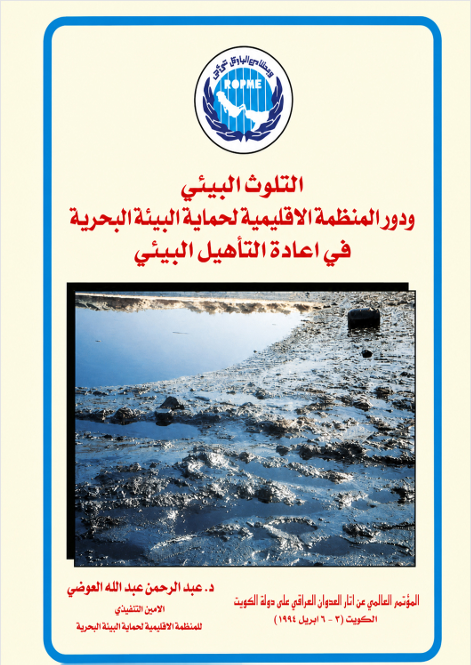


This paper reviews the unprecedented environmental impacts resulting from the 1990 Iraqi invasion of the State of Kuwait, which constituted one of the largest human-induced environmental disasters in modern history. The consequences of the aggression extended far beyond Kuwait’s borders, affecting the entire regional marine environment through the deliberate burning of oil wells, massive oil spills, and the destruction of environmental infrastructure. These actions caused extensive damage to the air, land, and marine environments and created long-term environmental, public health, and economic challenges that affected countries throughout the region. The paper also highlights the pivotal role played by the Regional Organization for the Protection of the Marine Environment (ROPME) in coordinating regional and international efforts to address the disaster, developing environmental rehabilitation programmes, and strengthening scientific cooperation among Member States and international organizations.
View more
First: The Scale of Environmental Destruction
The paper explains that the region’s environment was already highly vulnerable due to harsh natural conditions, including extreme temperatures and high salinity, in addition to continuous pressures resulting from petroleum-related activities and maritime transportation. The Iraqi invasion severely disrupted this fragile environmental balance, causing widespread destruction across terrestrial, marine, and atmospheric environments.
Among the most significant manifestations of this destruction were:
• The burning of more than 900 oil wells, resulting in the release of millions of tonnes of smoke, toxic gases, particulate matter, and petroleum compounds.
• The discharge of enormous quantities of oil into the marine environment, creating what was then the largest oil spill in recorded history.
• The destruction of wastewater treatment facilities and the prolonged discharge of untreated sewage directly into the sea.
• Extensive soil contamination caused by oil lakes, oil-filled trenches, military debris, and landmines.
Second: Environmental and Public Health Impacts
Air Pollution
The burning of oil wells released substantial quantities of sulfur oxides, nitrogen oxides, carbon monoxide, carbon dioxide, hydrogen sulfide, hydrocarbons, and fine particulate matter. Smoke plumes spread over vast distances, while the phenomenon of “black rain” was recorded in several countries across the region.
These conditions resulted in increased incidences of respiratory diseases, asthma, and irritation of the eyes and throat. The possibility of long-term health effects underscored the need for sustained public health monitoring programmes.
Marine Pollution
The massive oil spill contaminated hundreds of kilometres of coastline, particularly along the eastern coast of the Kingdom of Saudi Arabia. Coastal ecosystems, intertidal zones, mangrove forests, marine vegetation, coral reefs, seabirds, fish, and molluscs sustained varying degrees of damage.
Studies also indicated that some ecosystems gradually began to recover part of their biological productivity over time; however, the long-term impacts continued to require ongoing scientific monitoring.
Soil Pollution
Kuwaiti soils suffered extensive degradation due to the formation of oil lakes, the use of seawater during oil well firefighting operations, military debris, and landmines. These factors caused significant deterioration of vegetation cover and increased the risk of contaminants reaching groundwater and the marine environment through rainfall runoff.
Third: Destruction of the Oil Sector
The paper outlines the extensive damage inflicted upon Kuwait’s oil industry, the backbone of the national economy. Oil wells, gathering stations, pipelines, refineries, gas facilities, and petrochemical plants sustained widespread destruction, leading to a major interruption of production and severe economic losses before Kuwait succeeded in extinguishing the last burning oil well in November 1991.
Fourth: The Role of the Regional Organization for the Protection of the Marine Environment
The paper emphasizes that the Regional Organization for the Protection of the Marine Environment (ROPME) assumed a central role from the onset of the crisis in coordinating regional and international environmental response efforts through:
• Coordinating efforts among Member States and international organizations.
• Cooperating with the United Nations Environment Programme (UNEP), the International Maritime Organization (IMO), the Intergovernmental Oceanographic Commission (IOC), and the United States National Oceanic and Atmospheric Administration (NOAA).
• Developing a regional framework for environmental rehabilitation.
• Implementing environmental monitoring programmes and assessing the extent of pollution.
• Organizing scientific meetings and international workshops.
• Preparing a joint action plan for the rehabilitation of affected ecosystems.
• Mobilizing international financial and technical support for environmental rehabilitation programmes.
Fifth: Environmental Monitoring Programmes and Scientific Studies
The paper reviews the environmental monitoring programmes conducted following the war, most notably:
• The Mount Mitchell research vessel expeditions.
• The Umitaka Maru research vessel expeditions.
• Joint scientific studies involving more than 150 scientists from around the world.
These programmes included investigations of the physical and chemical characteristics of the marine environment, ocean currents, marine sediments, hydrocarbons, coral reefs, seagrass beds, and commercially important marine species, with the objective of assessing environmental damage and monitoring ecosystem recovery.
The findings demonstrated that the most severe impacts were concentrated in specific coastal areas, while much of the marine environment gradually began to regain its natural ecological balance, although continued long-term monitoring remained essential.
Sixth: Regional Efforts
The paper reviews the measures undertaken by the countries of the region in response to the environmental disaster. The Kingdom of Saudi Arabia established emergency response centres to protect coastlines, desalination plants, and environmentally sensitive areas, while implementing extensive coastal clean-up operations and wildlife rescue programmes.
The State of Kuwait also undertook significant efforts to mitigate environmental damage and restore essential facilities, while other countries in the region continued monitoring air pollution and tracking the movement of contaminants through coordinated regional programmes.
Seventh: Recommendations
The paper emphasizes that addressing major environmental disasters requires sustained regional and international cooperation and recommends the following:
• Strengthening cooperation among the Member States of the Regional Organization for the Protection of the Marine Environment.
• Securing adequate funding for environmental rehabilitation programmes.
• Supporting long-term environmental monitoring programmes.
• Enhancing national capacities for environmental emergency preparedness and response.
• Promoting scientific research on the environmental and public health impacts of armed conflicts.
• Integrating environmental sciences into educational curricula and strengthening environmental awareness throughout society.
• Supporting research institutions in advancing scientific knowledge related to terrestrial and marine environments.
Conclusion
The paper concludes that the Iraqi invasion of the State of Kuwait resulted in one of the most severe environmental disasters of the modern era, with impacts extending across the atmosphere, marine environment, terrestrial ecosystems, and natural resources throughout the region. The disaster underscored the urgent need for unprecedented regional and international cooperation to address its consequences.
The paper further concludes that the Regional Organization for the Protection of the Marine Environment (ROPME) played a pivotal role in leading scientific and technical coordination efforts, developing environmental monitoring and rehabilitation programmes, and establishing a framework for cooperation among Member States and international organizations. These efforts contributed to building a robust scientific foundation for understanding the environmental consequences of the disaster, supporting the recovery of affected ecosystems, and establishing a regional model for responding to large-scale environmental disasters.