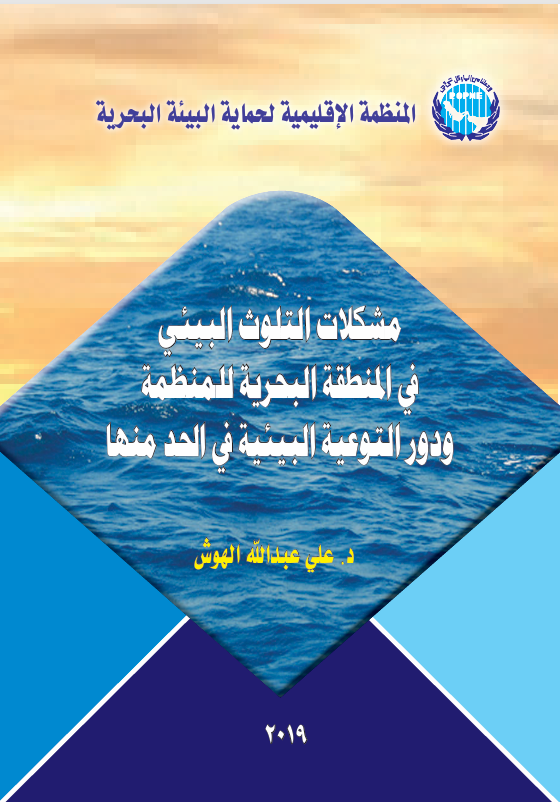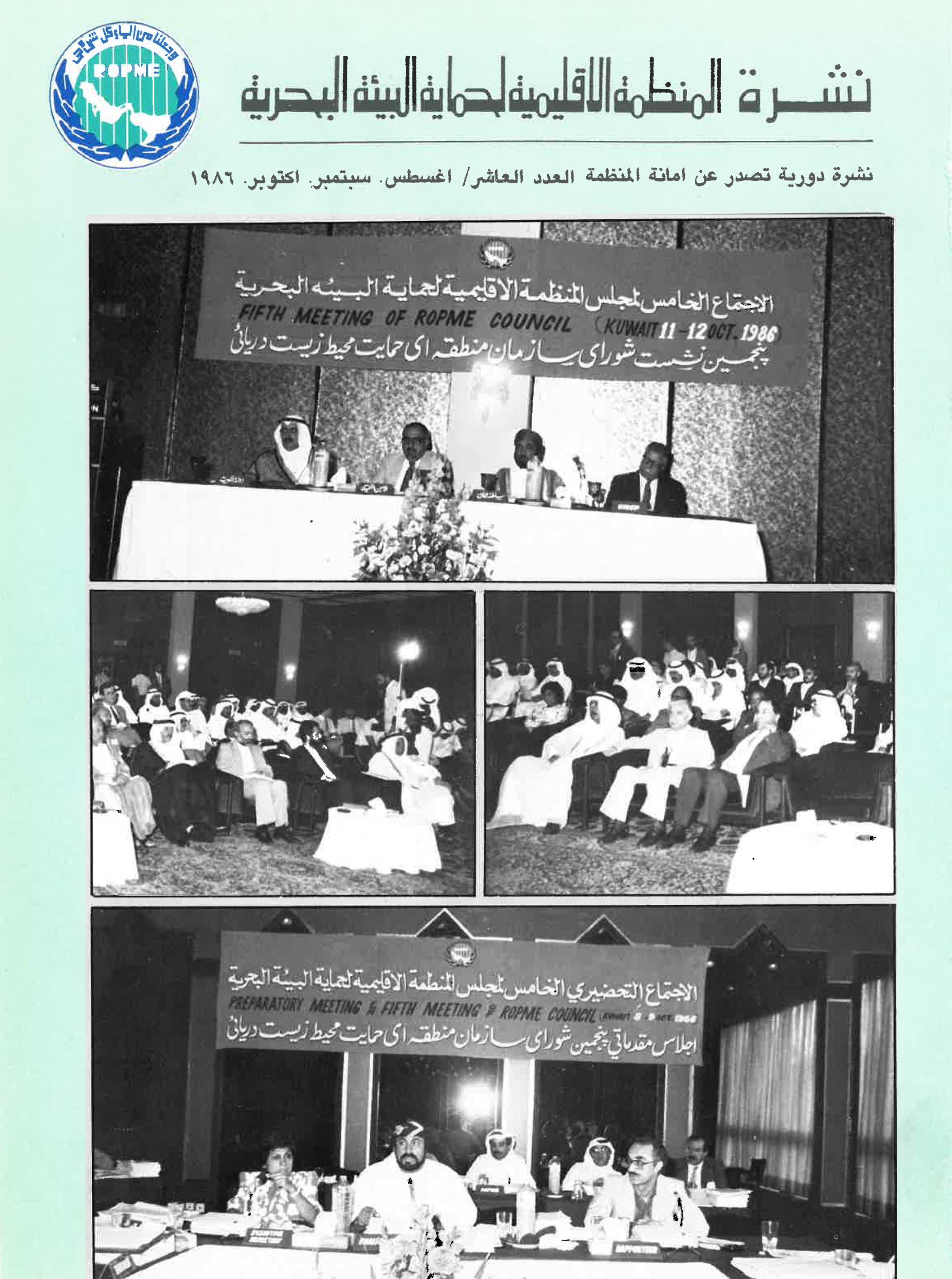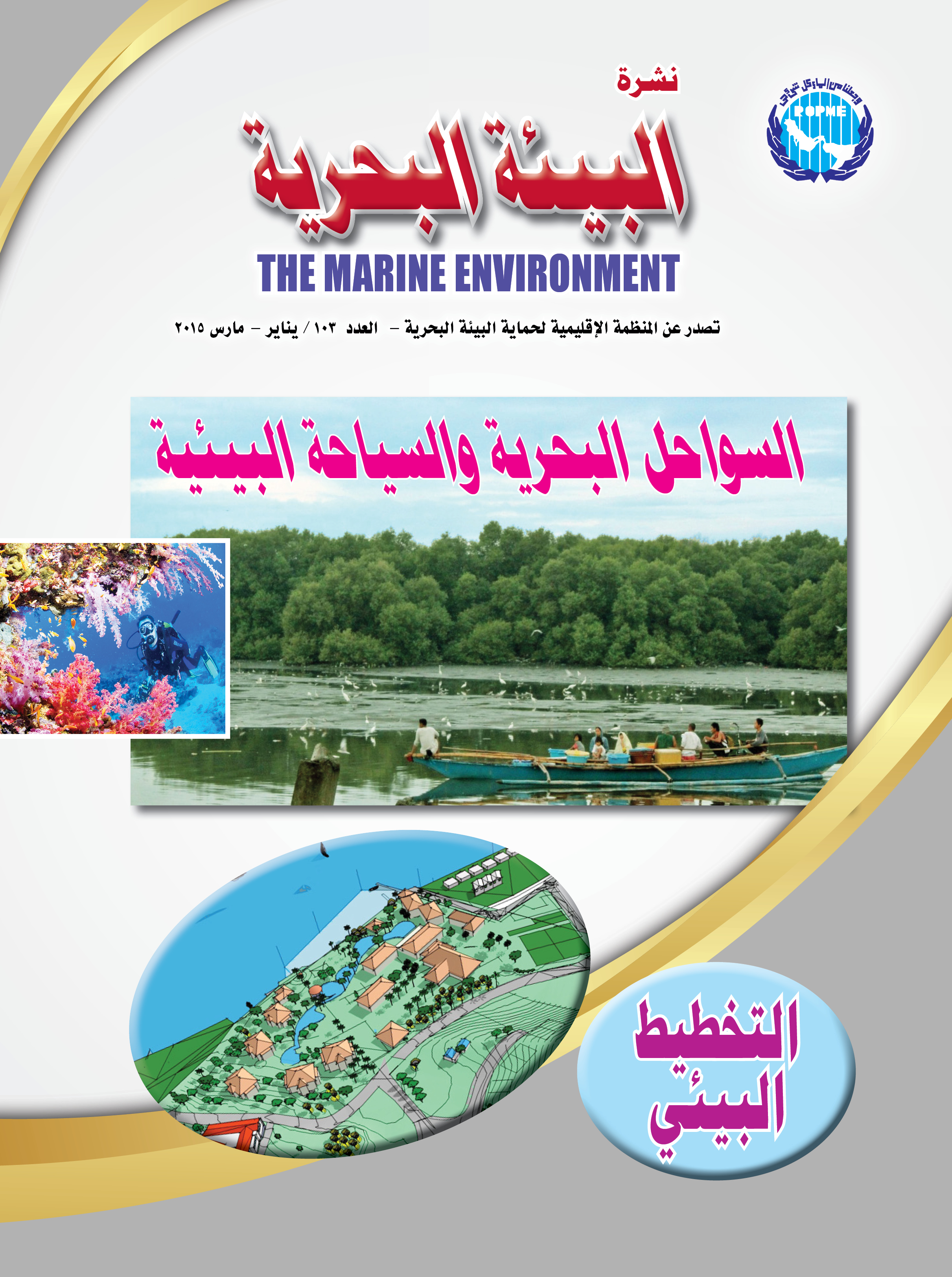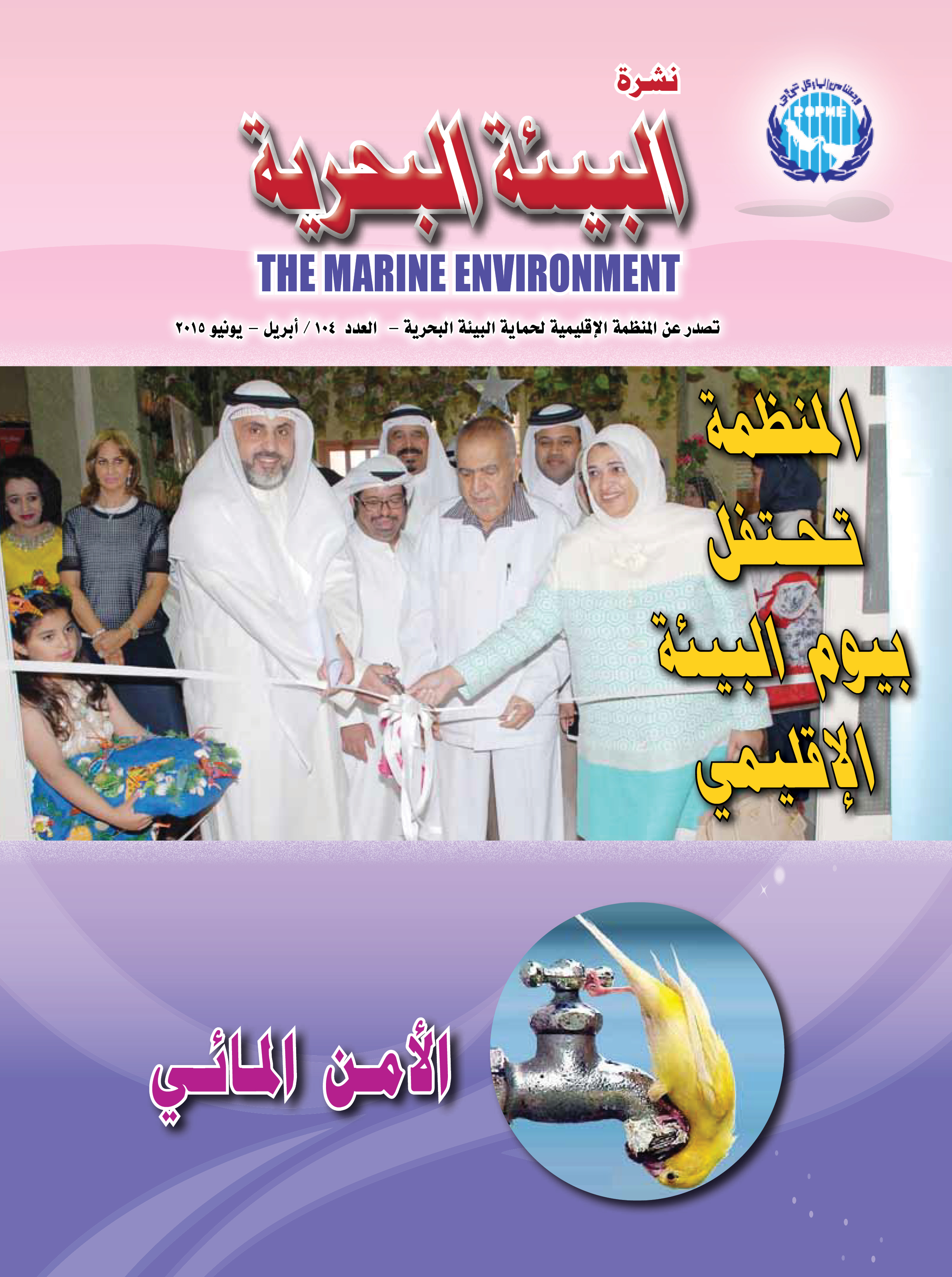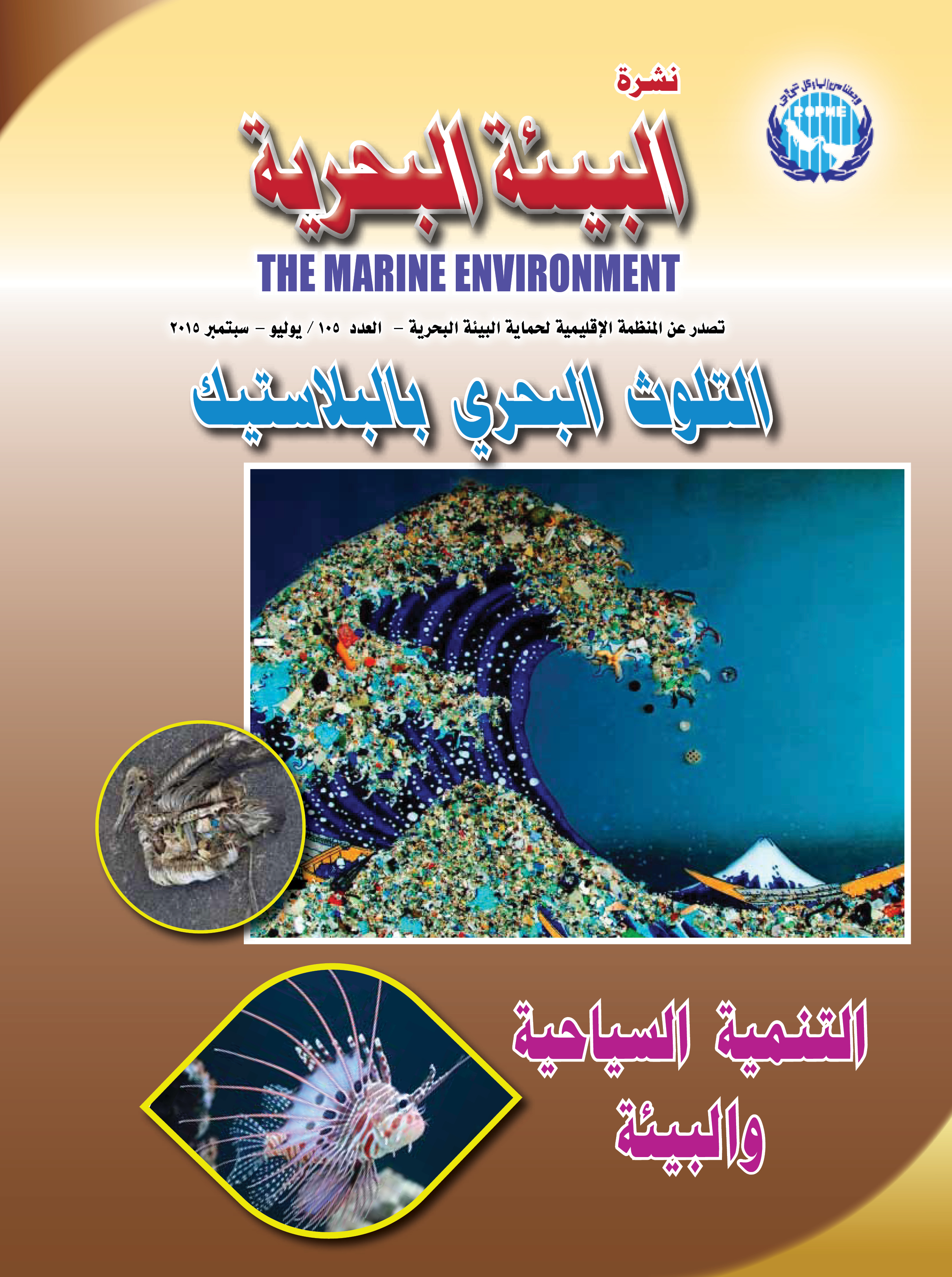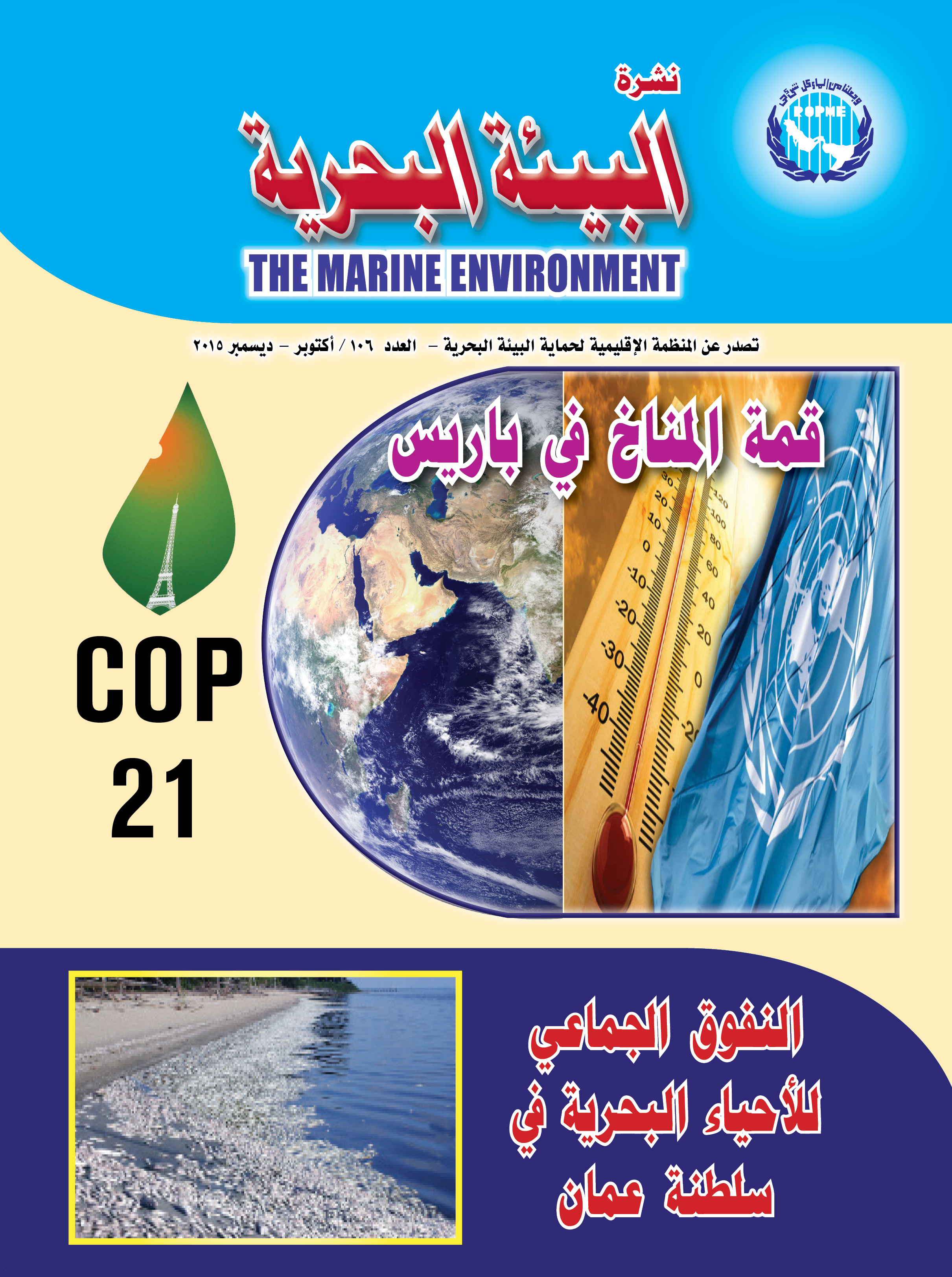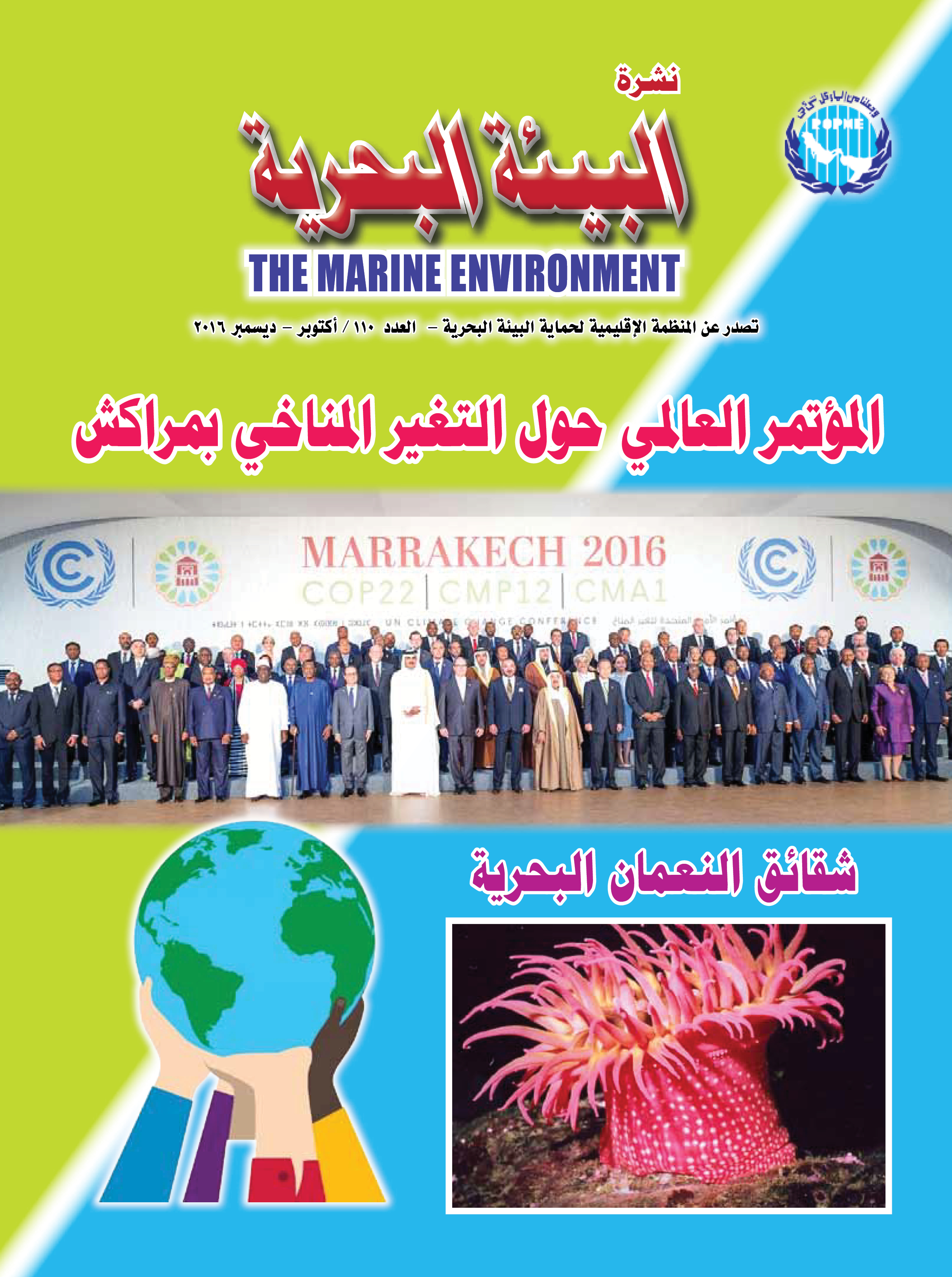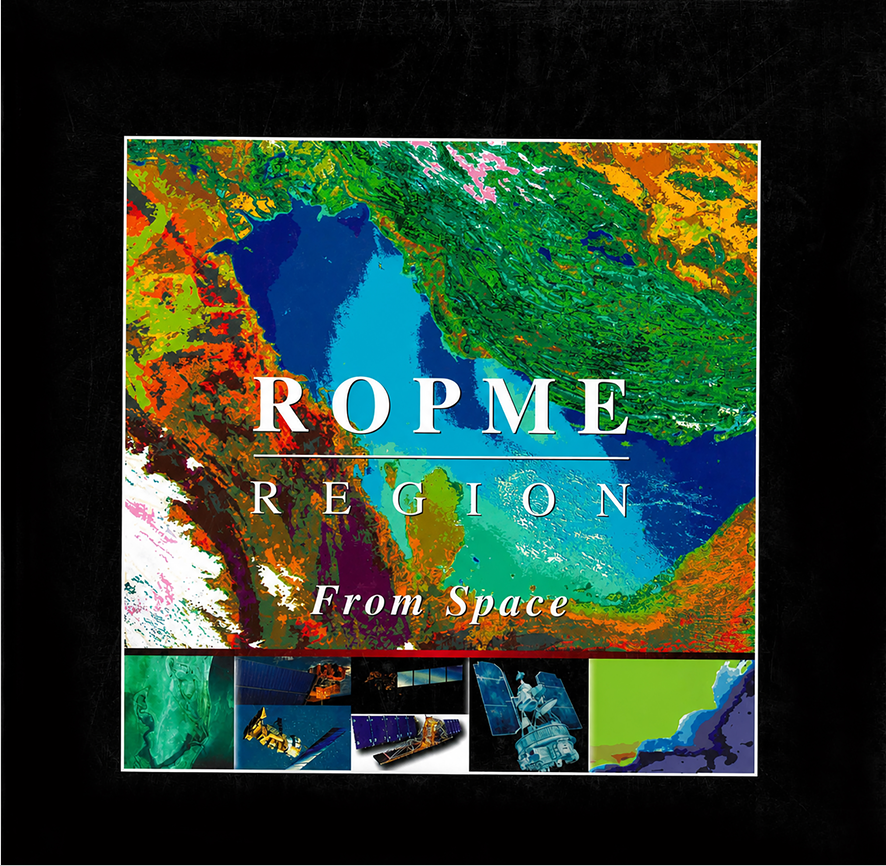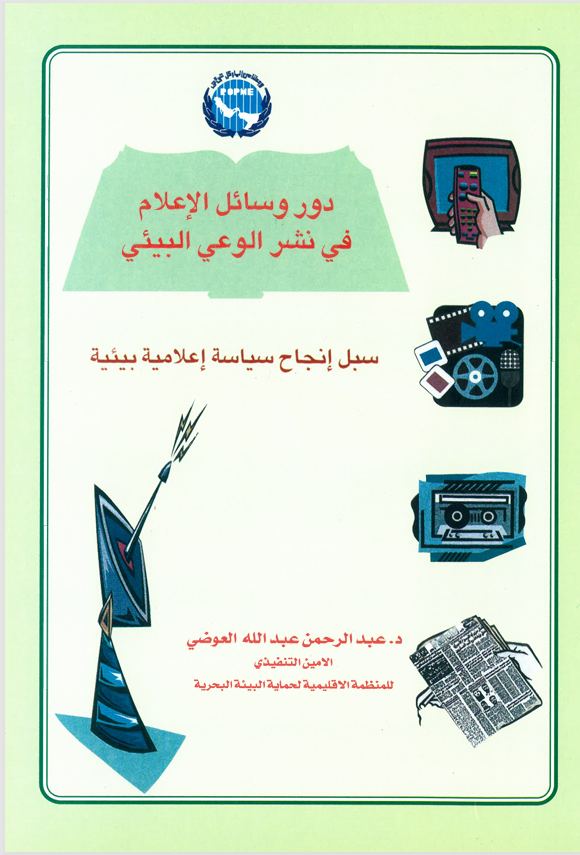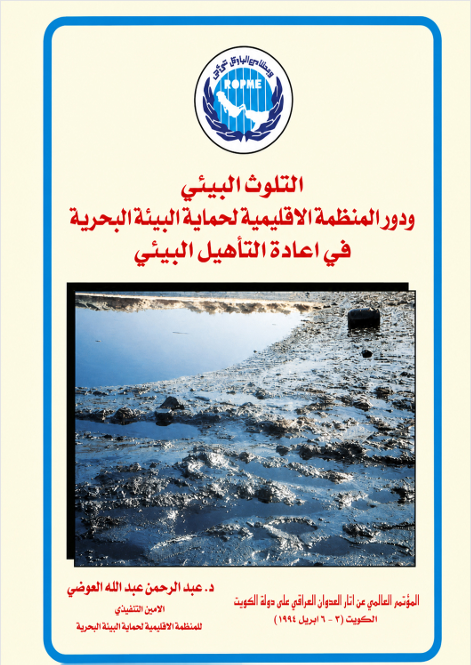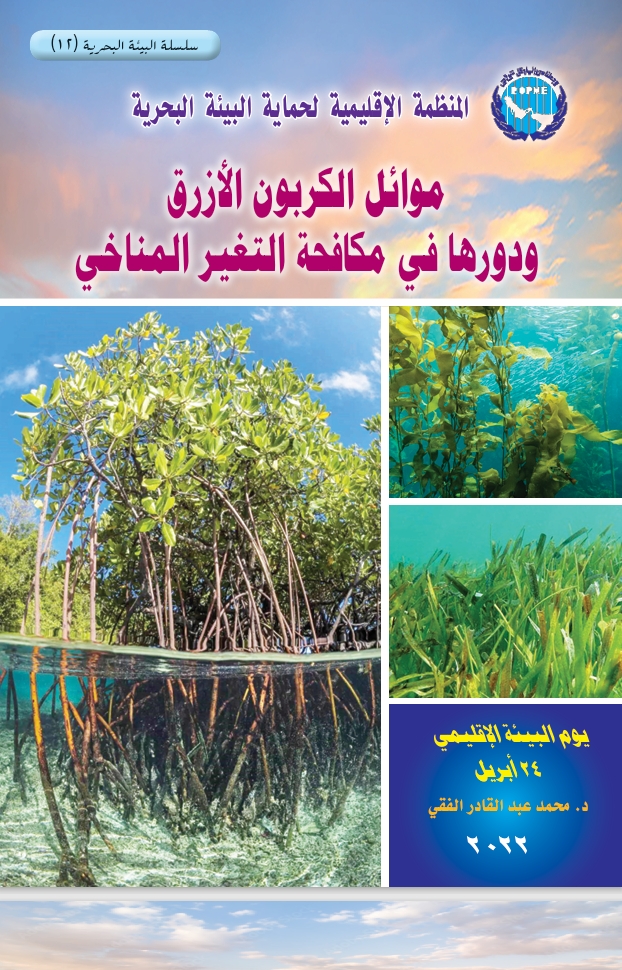


The book addresses environmental pollution issues in the ROPME Sea Area, with particular emphasis on the importance of environmental awareness as one of the most effective tools for addressing environmental challenges and reducing their impacts. The book highlights that environmental protection is no longer the sole responsibility of governmental authorities and specialized institutions; rather, it has become a collective responsibility requiring the participation of individuals, communities, and various sectors of society.
The book examines the interrelationship between humans and the environment, explaining that industrial and technological development, despite its significant benefits, has placed increasing pressure on natural resources and disrupted ecological balance due to unsustainable resource exploitation and the growing sources of pollution. This has made the promotion of environmental awareness an essential requirement for preserving ecosystems and ensuring their sustainability for future generations.
First: The Concept of the Environment and the Importance of Ecosystems
The book defines the environment as the comprehensive framework surrounding humans and living organisms, including both natural and non-natural elements such as water, air, soil, and living organisms, in addition to social, economic, and cultural elements that influence human life.
It emphasizes that the environment is not merely a collection of separate components, but rather an integrated system in which its elements interact within a state of natural balance. The ecosystem represents a fundamental unit of life, where living organisms depend on each other through complex relationships involving production, consumption, decomposition, and the recycling of natural elements.
View more
An ecosystem consists of:
Non-living components:
Including water, air, soil, sunlight, heat, and minerals.
Living components:
Including producers such as plants, consumers such as animals and humans, and decomposers that return materials to their basic elements.
The book indicates that disruption of this balance leads to various environmental problems, foremost among them pollution and the degradation of natural resources.
Second: The Importance of the Marine Environment and Ecosystem Services
The book dedicates an important section to the marine environment as one of the major components of the global ecosystem. Seas and oceans represent primary sources of food, energy, and natural resources, while also playing a vital role in climate regulation and the conservation of biodiversity.
Marine ecosystems provide numerous services, including:
* Supporting fisheries resources and food security.
* Providing natural habitats for marine organisms.
* Protecting coastlines from natural impacts.
* Contributing to the carbon cycle and climate regulation.
* Providing economic opportunities related to maritime transport, tourism, and marine resources.
The book emphasizes that the “ROPME Sea Area” holds significant strategic, economic, and environmental importance due to its geographical location, diverse marine resources, and extensive economic activities.
Third: Environmental and Marine Pollution Problems
The book discusses the concept of pollution as the introduction of substances or energy into the environment, resulting in harmful changes that affect living organisms, human health, and economic activities.
It reviews the major types of marine pollution, including:
1- Oil Pollution**
Oil pollution is considered one of the most serious challenges facing the marine environment in the region due to the intensive activities associated with oil exploration, production, transportation, and related maritime operations.
Sources of oil pollution include:
* Oil tanker accidents.
* Oil loading and unloading operations.
* Leakage from offshore facilities.
* Operational activities of ships.
The book highlights the efforts of the Regional Organization for the Protection of the Marine Environment (ROPME) in combating oil pollution through marine emergency response programmes, regional cooperation, and the role of the Marine Emergency Mutual Aid Centre (MEMAC).
2- Marine Plastic Waste Pollution**
The book addresses the issue of marine plastic waste as one of the emerging and growing environmental challenges due to its long-term impacts on marine life and human health.
This problem results from:
* Improper disposal of plastic waste.
* The transportation of waste from coastal areas into the marine environment.
* Various maritime activities.
Its impacts include:
* Threatening marine organisms through ingestion of plastics or entanglement.
* The transfer of pollutants through the food chain.
* Negative effects on human health and the marine economy.
The book emphasizes the importance of regional cooperation in addressing this phenomenon through legislation, monitoring programmes, and enhancing public awareness.
3- Red Tide Phenomenon
The book discusses the red tide phenomenon as one of the forms of marine pollution associated with the excessive growth of certain types of marine algae due to changes in environmental conditions.
Its impacts include:
* Fish kills and mortality of marine organisms.
* Deterioration of water quality.
* Negative effects on economic activities such as fisheries and tourism.
The book highlights the efforts of ROPME in monitoring this phenomenon, studying its causes, and cooperating with Member States to reduce its impacts.
Fourth: The Role of Environmental Awareness in Addressing Pollution Problems
The book emphasizes that environmental awareness represents one of the most important means of addressing environmental problems, as it aims to change human behaviour and enhance individual and collective responsibility towards the environment.
The objectives of environmental awareness include:
* Informing society about environmental problems, their causes, and impacts.
* Promoting positive environmental behaviours.
* Encouraging community participation in protecting natural resources.
* Supporting sound environmental decision-making.
The book distinguishes between:
- Environmental Awareness
It refers to an individual’s understanding of environmental problems and their role in addressing them.
- Environmental Awareness-Raising
It refers to the process of developing environmental knowledge, values, and behaviours among members of society.
Fifth: Environmental Education and Environmental Culture
The book stresses that environmental education is one of the fundamental pillars for building an environmentally conscious society. It begins within the family and school and extends to educational institutions and the wider community.
Environmental education includes:
* Developing knowledge of environmental issues.
* Enhancing problem-solving skills.
* Strengthening responsibility towards natural resources.
* Encouraging participation in environmental protection.
The book also explains the importance of environmental culture in establishing daily practices that contribute to resource conservation and reducing the negative impacts of human activities.
—
Sixth: Environmental Media and Its Role in Raising Awareness
The book highlights the importance of environmental media as a key tool for communicating scientific information to the public and transforming environmental issues into societal concerns that receive attention and engagement.
The objectives of environmental media include:
* Disseminating accurate environmental information.
* Enhancing public understanding of environmental issues.
* Supporting community participation.
* Influencing decision-makers.
The book also identifies several challenges facing environmental media, including:
* Limited environmental specialization among some media professionals.
* Lack of simplified scientific information suitable for the public.
* Occasional focus on sensational reporting rather than scientific analysis.
It emphasizes the importance of cooperation between media institutions and scientific and environmental authorities to ensure the delivery of accurate and effective environmental messages.
Seventh: The Role of the Regional Organization for the Protection of the Marine Environment (ROPME)
The book reviews the pivotal role played by ROPME since its establishment in protecting the marine environment of the region through:
* Implementing environmental monitoring programmes.
* Combating marine pollution.
* Enhancing cooperation among Member States.
* Developing scientific and technical capacities.
* Implementing training and environmental awareness programmes.
* Supporting regional and international environmental agreements and protocols.
The book also highlights ROPME’s role in promoting environmental awareness among students and communities through educational programmes and environmental competitions, in addition to utilizing media and modern communication tools to strengthen environmental culture.
Eighth: Environmental Agreements and Legislation
The book addresses the most important international and regional agreements related to marine environmental protection, particularly:
-The Kuwait Regional Convention for Cooperation on the Protection of the Marine Environment from Pollution (1978).
– The Kuwait Action Plan.
– The Protocol Concerning Regional Cooperation in Combating Pollution by Oil and Other Harmful Substances in Cases of Emergency (1978).
– The Protocol Concerning Marine Pollution Resulting from Exploration and Exploitation of the Continental Shelf (1989).
– The Protocol Concerning the Protection of the Marine Environment from Land-Based Sources of Pollution (1990).
– The Protocol Concerning the Control of Marine Transboundary Movements of Hazardous Wastes and Other Wastes and Their Disposal (1998).
The book emphasizes that environmental legislation provides a fundamental framework for regulating human activities and ensuring the protection of marine resources. Effective laws and regulations contribute to preventing pollution, controlling harmful practices, and promoting sustainable use of marine ecosystems.
Conclusion
The book “Environmental Pollution Problems in the ROPME Sea Area and the Role of Environmental Awareness in Reducing Them” emphasizes that environmental challenges have become among the most critical issues facing modern societies, and that protecting the marine environment requires an integrated approach combining science, legislation, management, and awareness.
The book highlights that environmental awareness is not merely the dissemination of information; rather, it is a comprehensive process aimed at building responsible environmental values and behaviours, ensuring active participation of society in protecting natural resources and maintaining ecological balance.
It also emphasizes the leading role of the Regional Organization for the Protection of the Marine Environment (ROPME) in strengthening regional cooperation, implementing scientific and awareness programmes, and supporting Member States’ efforts to maintain a healthy and sustainable marine environment.
The book concludes that achieving sustainable development in the ROPME Sea Area depends on establishing a balance between economic development and environmental protection. Investment in environmental awareness represents one of the most important investments to secure a safe and sustainable future for coming generations.