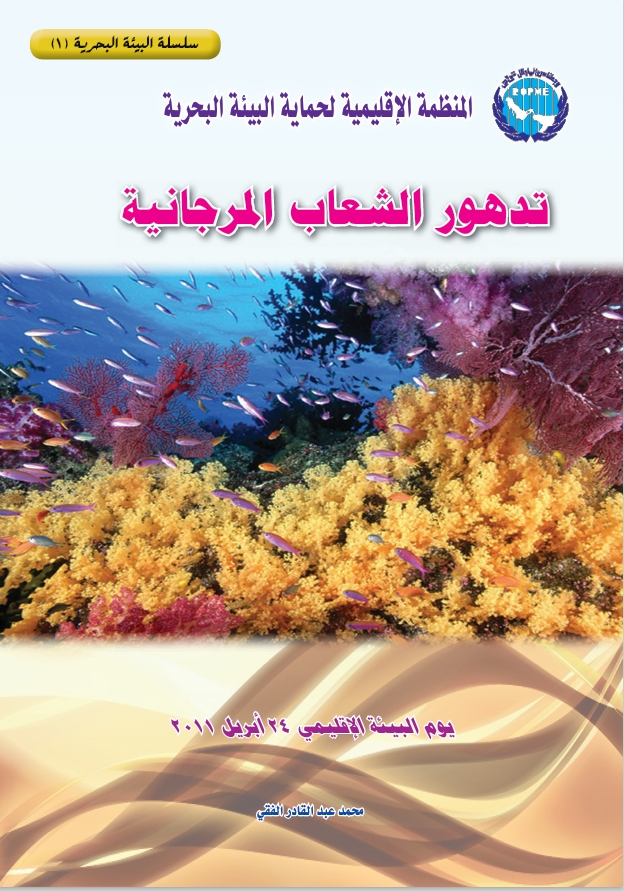
Coral Reef Degradation

Filters
Filters
Volume

Abstract

This booklet, issued by the Regional Organization for the Protection of the Marine Environment (ROPME), addresses the issue of coral reef degradation, highlighting their ecological and economic importance, the factors influencing their growth, the threats they face, and the measures required for their protection.

Coral reefs are among the most important and productive marine ecosystems, despite covering only about 1% of the world’s ocean area. They serve as rich habitats supporting millions of marine species, provide food and livelihoods for millions of people, and play a vital role in coastal protection against erosion and storms. Additionally, they contribute significantly to tourism and local economies, particularly through diving activities and the jewelry industry.

Corals are composed of tiny organisms known as polyps, which typically live in colonies and build calcium carbonate skeletons. These organisms rely on a symbiotic relationship with microscopic algae (zooxanthellae), which provide nutrients through photosynthesis, while the coral offers a suitable environment for their survival.

Coral reefs are influenced by several environmental factors, including temperature (optimal range of 23–27°C), light, salinity, nutrients, and wave action. Biological factors also play a role, such as organisms that feed on corals or bore into their structures.

Although coral reefs naturally maintain a dynamic balance between growth and erosion, this balance has been increasingly disrupted by human activities and climate change. Major threats include marine pollution (especially oil and chemicals), coastal urban expansion, overfishing, waste disposal, unregulated tourism, dredging, and increased salinity from desalination plants.

Global warming and ocean acidification represent some of the most severe threats. Rising sea temperatures lead to coral bleaching—a process in which corals expel their symbiotic algae—resulting in weakened structures and eventual mortality. Scientific studies indicate that approximately 30% of the world’s coral reefs have already been lost due to bleaching.

The booklet emphasizes that saving coral reefs is still possible, but requires urgent action. Key measures include reducing greenhouse gas emissions, controlling pollution and overfishing, regulating coastal development, and expanding marine protected areas. Effective management can enhance reef resilience and recovery.

ROPME plays a critical role in this effort through environmental monitoring and assessment programs, collaboration with international research institutions, capacity-building initiatives, and the promotion of marine protected areas across member states.

The booklet concludes by stressing the shared responsibility of protecting coral reefs and encourages individuals to adopt environmentally responsible behaviors, such as avoiding littering, reducing fuel consumption, practicing safe diving, and preventing direct damage to coral ecosystems.

  • Issue 10
  • Issue 100
  • Issue 102
  • Issue 103
  • Issue 104

    to

    Issue 104 (April – May – June 2015)

  • Issue 105

    to

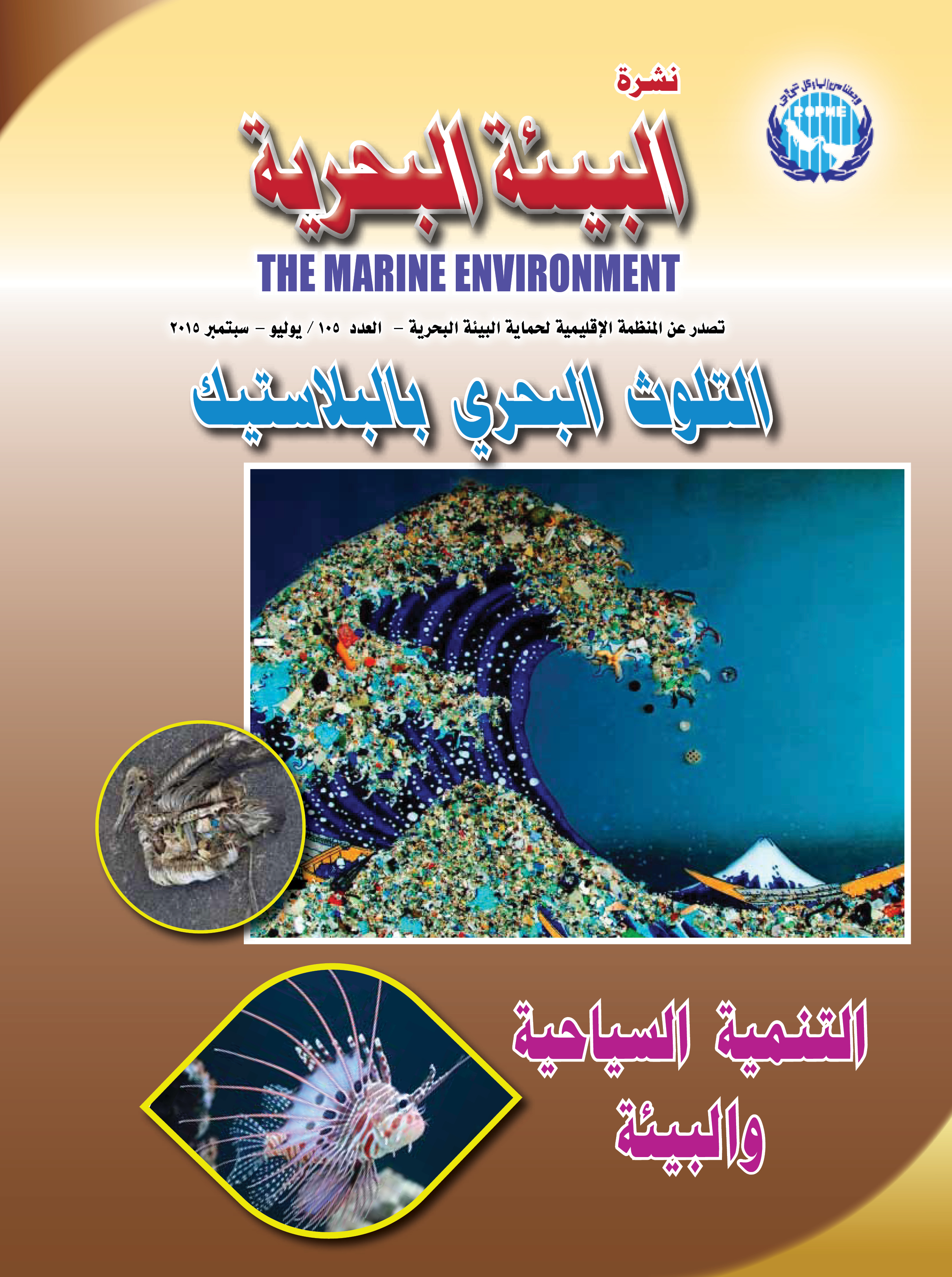
    The Marine EnvironmentPublished by the Regional Organization for the Protection of the Marine Environment – ​​Issue 105 / July – September 2015

  • Issue 106

    to

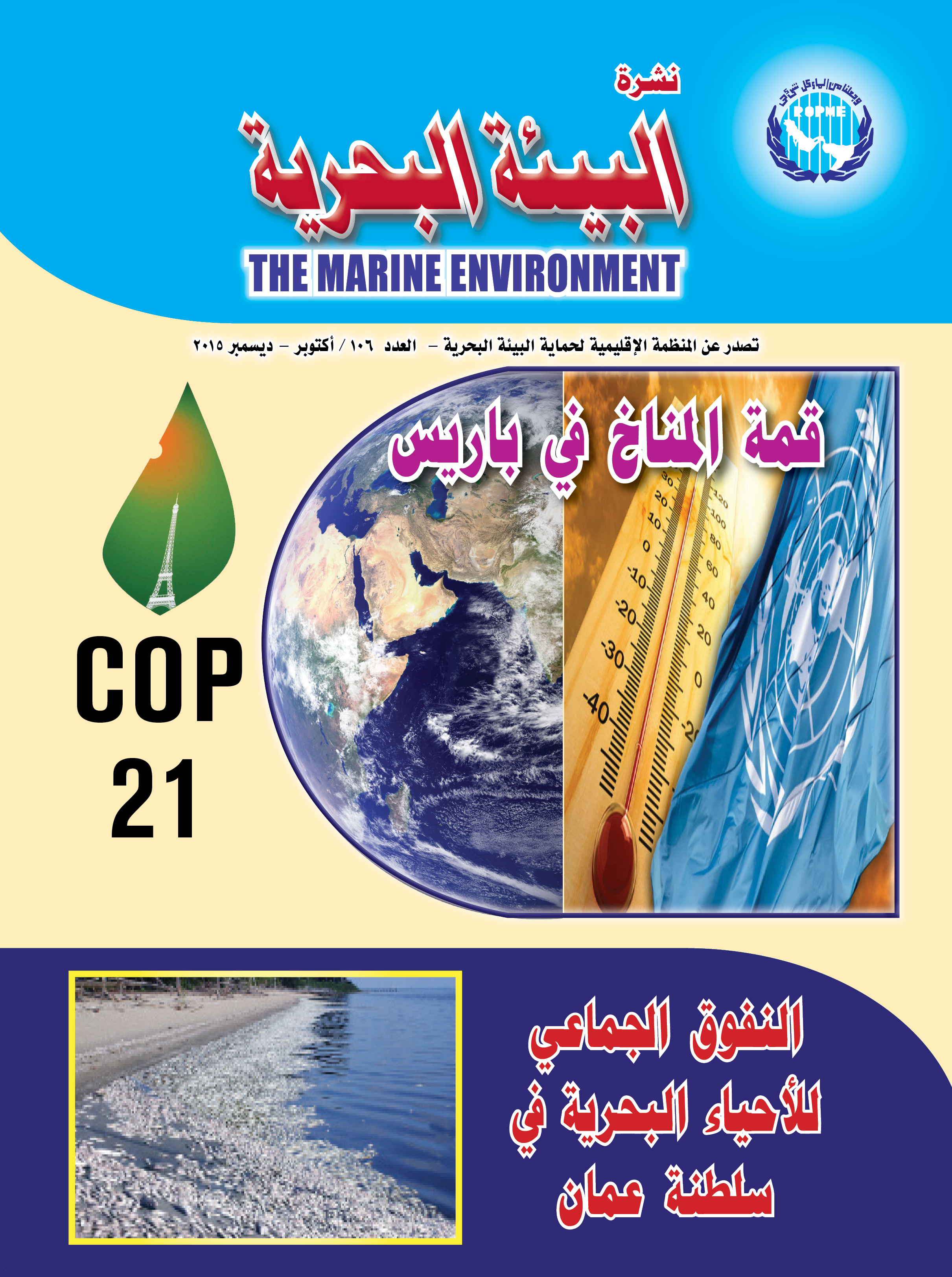
    Marine Environment BulletinThe Marine EnvironmentPublished by the Regional Organization for the Protection of the Marine Environment – ​​Issue 106 / October-December 2015Paris Climate Summit

  • Issue 107

    to

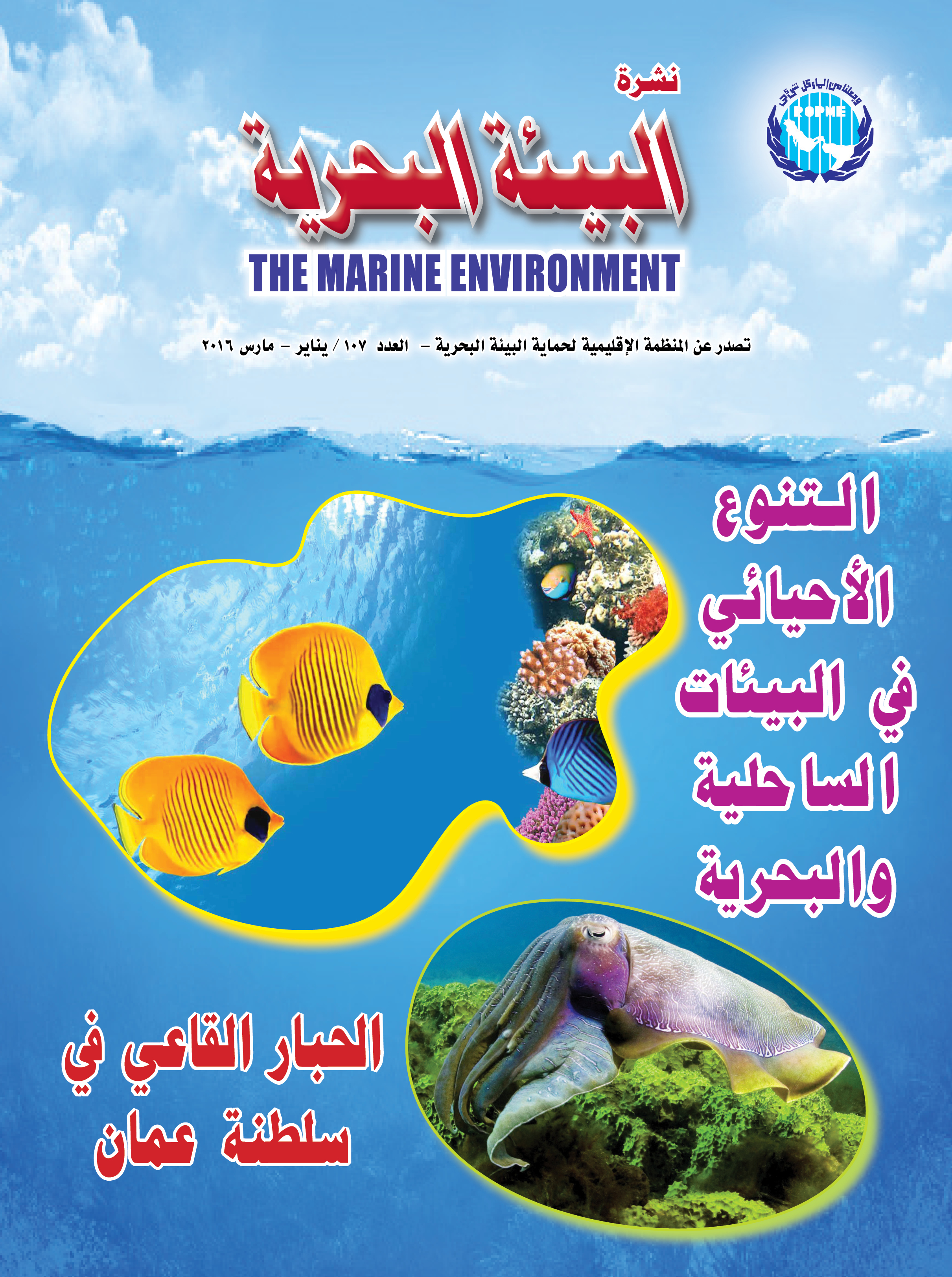
    Marine Environment BulletinThe Marine EnvironmentPublished by the Regional Organization for the Protection of the Marine Environment –Issue 107 / January – March 2016

  • Issue 108

    to

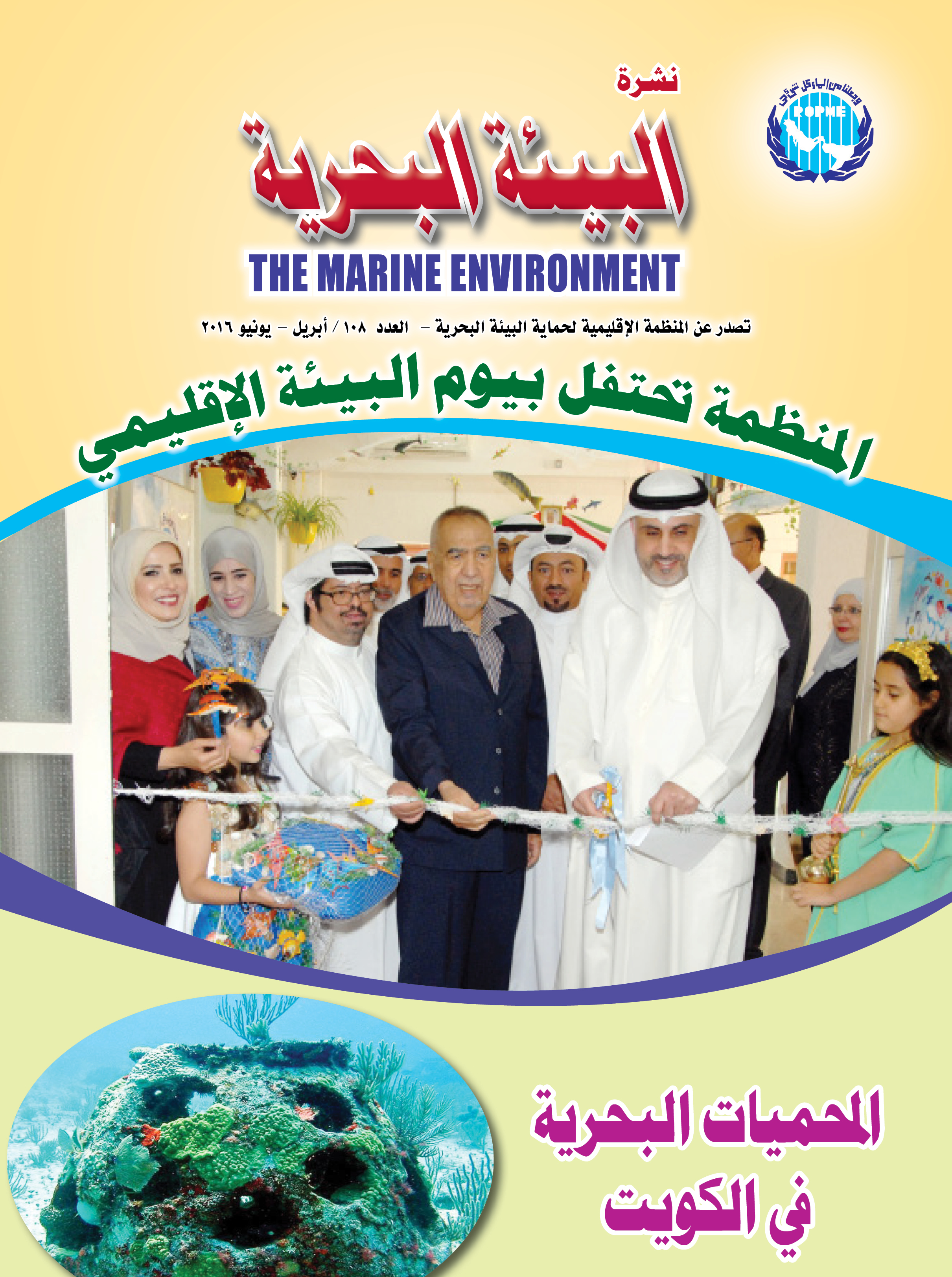
    Marine Environment BulletinThe Regional Organization for the Protection of the Marine EnvironmentIssue 108 / April-June 2016The Organization celebrates Regional Environment DayMarine Reservesin Kuwait

  • Issue 109

    to

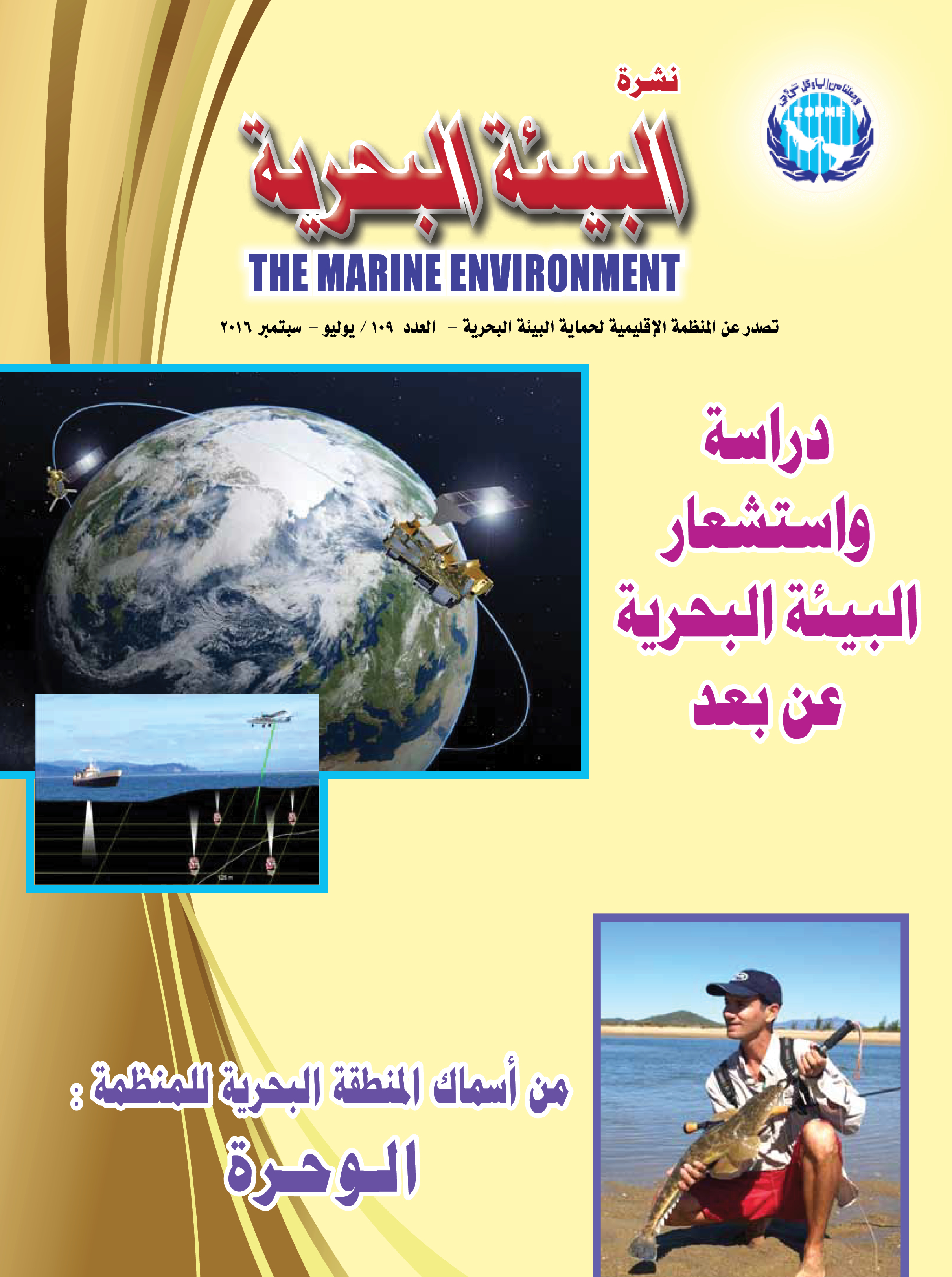
    The Marine EnvironmentPublished by the Regional Organization for the Protection of the Marine EnvironmentIssue 109 / July-September 2016

  • Issue 11
  • Issue 110

    to

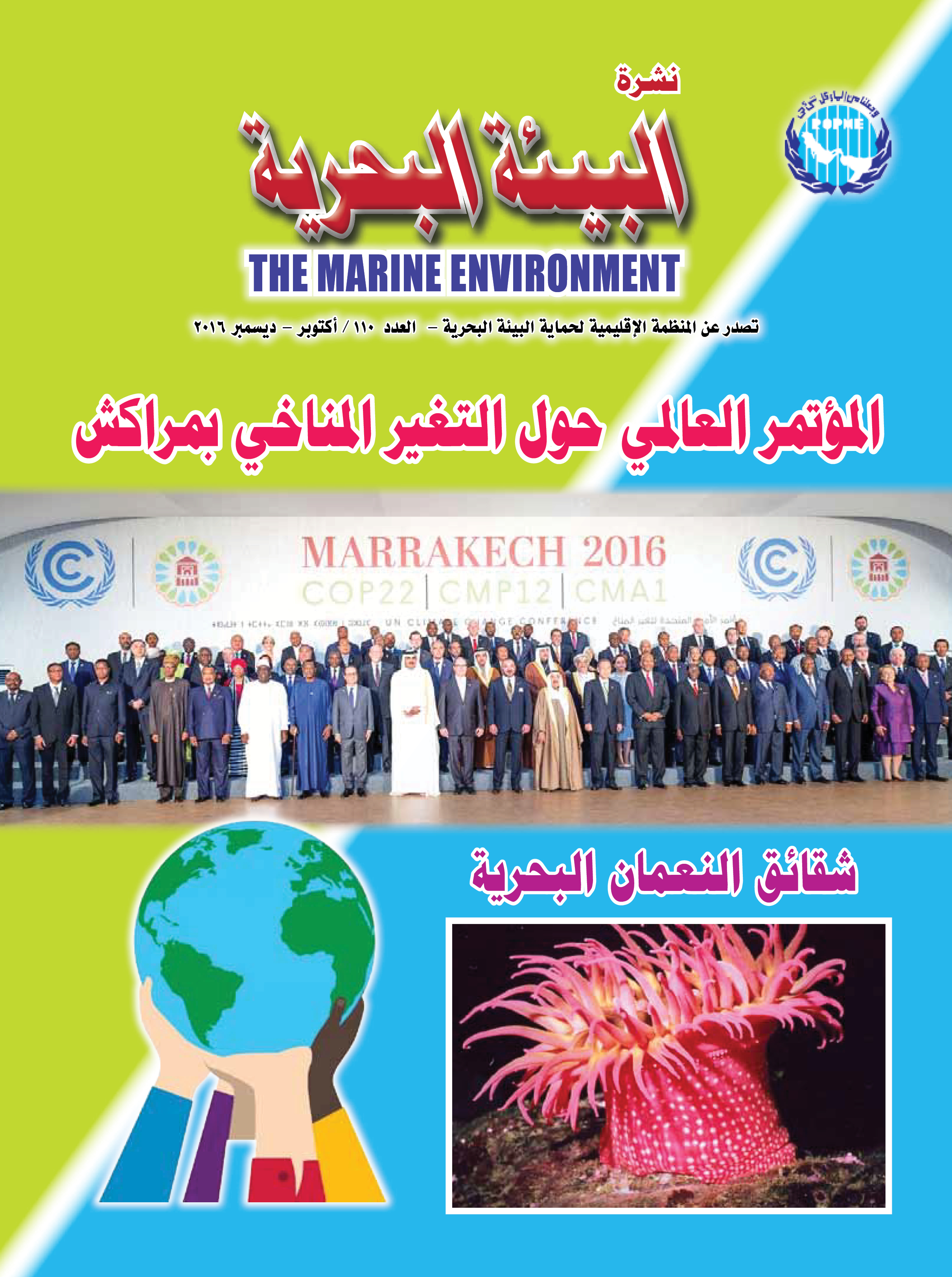
    Marine Environment BulletinThe Marine EnvironmentPublished by the Regional Organization for the Protection of the Marine EnvironmentIssue 110 / October-December 2016

Explore More
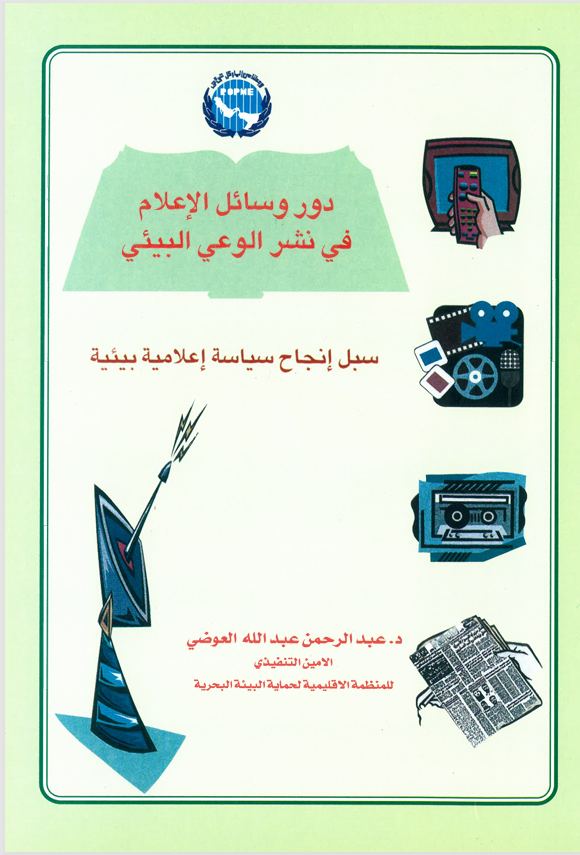
  • The Role of Media in Promoting Environmental Awareness and Strategies for Successful Environmental Communication Policies

    to

    The lecture highlighted the importance of environmental awareness and the role of media in protecting the environment and promoting sustainable development. It emphasized that environmental challenges have become among the most significant issues facing humanity, and that the success of environmental protection efforts depends largely on changing human behavior toward the environment and its resources.

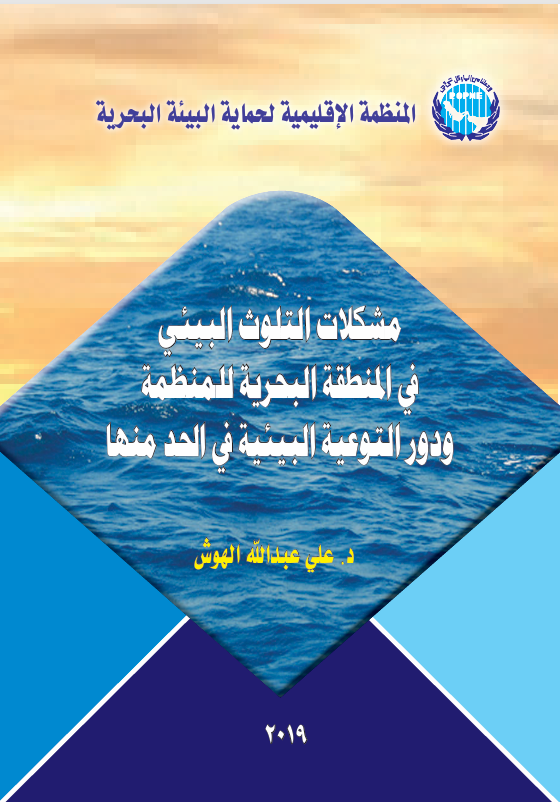
  • Environmental Pollution Problems in the ROPME Sea Area and the Role of Environmental Awareness in Reducing Them

    to

    The book addresses environmental pollution issues in the ROPME Sea Area, with particular emphasis on the importance of environmental awareness as one of the most effective tools for addressing environmental challenges and reducing their impacts. The book highlights that environmental protection is no longer the sole responsibility of governmental authorities and specialized institutions; rather, it

  • Climate and Global Warming: The Problem of the Era

    to

    The book “Climate and Global Warming: The Problem of the Era” addresses climate change and global warming as one of the most critical environmental challenges facing humanity in the modern era. The author provides a comprehensive scientific perspective on the causes of this phenomenon, its environmental, economic, and health impacts, while emphasizing the significant role

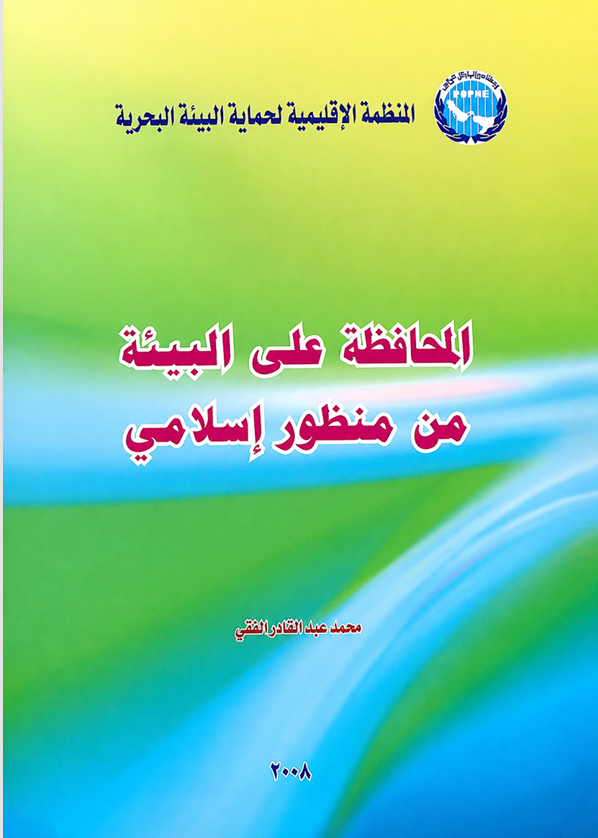
  • Environmental Conservation from an Islamic Perspective

    to

    The book “Environmental Conservation from an Islamic Perspective” presents an integrated scientific and religious vision, emphasizing that environmental protection is not merely a scientific or developmental issue, but rather an inherent religious and ethical responsibility in Islam. The author highlights that contemporary environmental crises, including pollution, desertification, climate change, and biodiversity loss, are not natural

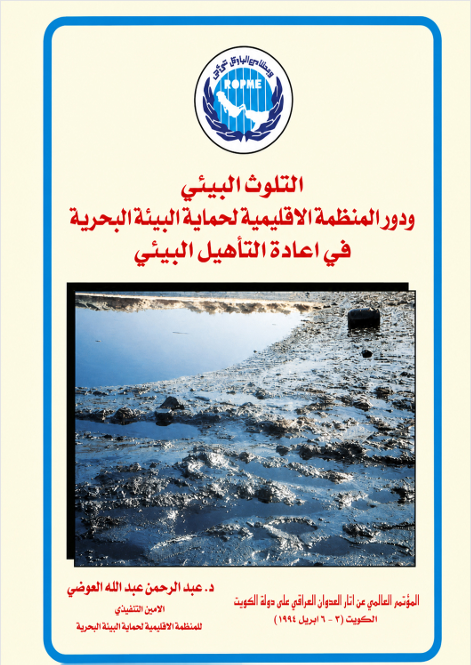
  • Environmental Pollution and the Role of the Regional Organization for the Protection of the Marine Environment (ROPME) in Environmental Rehabilitation

    to

    This paper reviews the unprecedented environmental impacts resulting from the 1990 Iraqi invasion of the State of Kuwait, which constituted one of the largest human-induced environmental disasters in modern history. The consequences of the aggression extended far beyond Kuwait’s borders, affecting the entire regional marine environment through the deliberate burning of oil wells, massive oil

  • Blue Carbon Habitats and their Role in Combating Climate Change

    to

    This booklet, published by the Regional Organization for the Protection of the Marine Environment (ROPME) on the occasion of Regional Environment Day (24 April 2022), addresses blue carbon habitats and their role in combating climate change. It highlights their ecological importance and their capacity to absorb and store carbon dioxide. Blue carbon is defined as