

In Cooperation with the French Embassy, the Environment Public Authority, and Kuwait Institute for Scientific Research, ROPME Organizes a Regional Workshop on Sea-Level Rise Risks, Coastal Resilience, and Climate Change Adaptation
Workshop on Sea Level Rise, Coastal Resilience, and Response
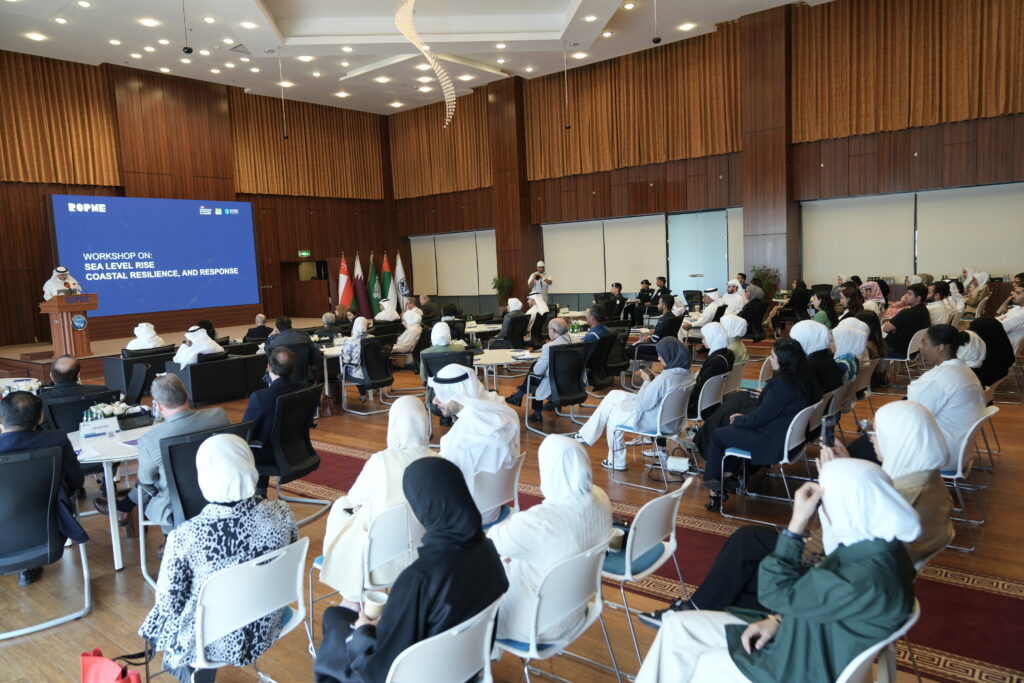
The Regional Organization for the Protection of the Marine Environment (ROPME) organized a specialized regional workshop on the risks of sea-level rise, enhancing coastal resilience, and strengthening response measures to address the impacts of this accelerating phenomenon, in cooperation with the Embassy of the French Republic in Kuwait, the Environment Public Authority (EPA), and the Kuwait Institute for Scientific Research (KISR).
The workshop was held as part of ongoing collaborative efforts to enhance scientific knowledge and develop adaptation mechanisms to address the impacts of climate change across the ROPME Sea Area.
View more
The two-day event brought together approximately 100 experts, specialists, and decision-makers from ROPME Member States, alongside a distinguished group of international experts and representatives from United Nations agencies, scientific institutions, and research organizations. Participants included representatives from the United Nations Environment Programme (UNEP), the United Nations Development Programme (UNDP), and the United Nations Human Settlements Programme (UN-Habitat), as well as experts from regional and international academic and research institutions, attending both in person and virtually.
The workshop also welcomed representatives from the French Republic, host country of the upcoming Third United Nations Ocean Conference, including experts from the French Hydrographic and Oceanographic Service (SHOM), who presented the latest scientific studies and modelling approaches related to sea-level rise and its projected impacts on coastal regions around the world.
A Regional Contribution to Preparations for the United Nations Ocean Conference
The workshop formed part of ROPME’s contribution to international initiatives aimed at advancing climate action and ocean protection. It was organized within the framework of the United Nations’ “Blue Talks” series in preparation for the Third United Nations Ocean Conference and the accompanying global summit on sea-level rise, scheduled to be held in France in June 2025.
The event aimed to provide a regional scientific platform for exchanging knowledge, expertise, and experiences related to the challenges posed by sea-level rise, while highlighting its potential implications for marine and coastal environments, national economies, critical infrastructure, and coastal communities throughout the region.
Sea-Level Rise: A Growing Challenge for the Region
Participants emphasized that sea-level rise represents one of the most significant climate change challenges facing the world today, particularly for coastal nations whose urban development, economic activities, and maritime sectors are closely linked to their coastlines.
Experts noted that the ROPME Sea Area encompasses numerous major coastal cities and strategic economic centres, making it essential to strengthen forward-looking planning and develop national and regional adaptation strategies to address future risks associated with sea-level rise. These risks include coastal erosion, increased flooding hazards, and potential impacts on infrastructure, ecosystems, and natural resources.
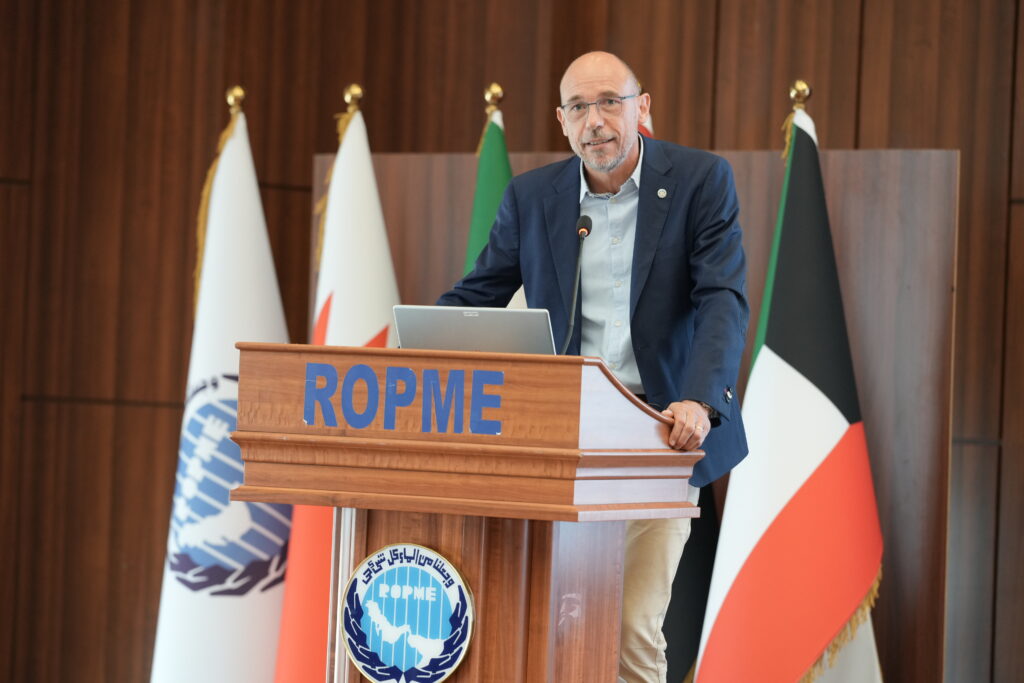
“The workshop provided a valuable platform for strengthening regional expertise and supporting global efforts to conserve and sustainably use ocean resources, in line with Sustainable Development Goal 14.”
Reviewing Regional and International Experiences
Workshop sessions featured presentations on leading international and regional experiences in adapting to sea-level rise and enhancing coastal resilience. Participants examined policies and strategies adopted by various countries to address this challenge, including the development of early warning systems, the construction of natural and engineered coastal defenses, and the implementation of nature-based solutions for shoreline protection.
Discussions also highlighted the importance of integrating climate considerations into urban planning and coastal zone management, while reinforcing the role of scientific research and advanced technologies in monitoring environmental changes and forecasting future risks.
Member States Share Their Experiences
Representatives from ROPME Member States presented national initiatives and measures undertaken to monitor the impacts of climate change and sea-level rise. These included coastal monitoring programmes, shoreline protection projects, and studies assessing climate-related risks to coastal cities and critical infrastructure.
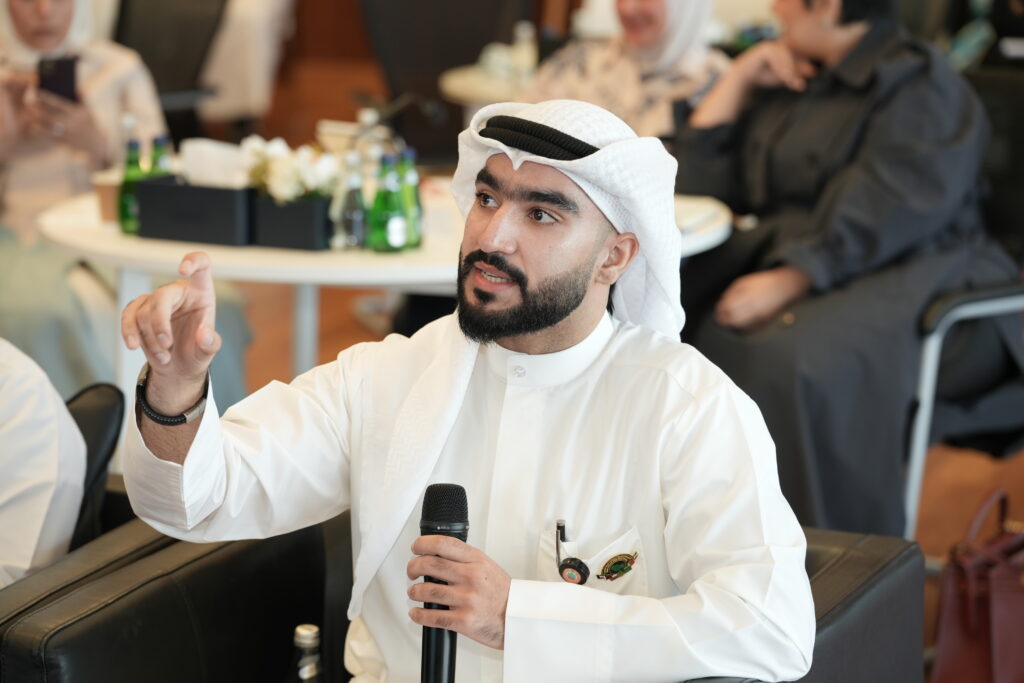
Participants stressed the importance of strengthening scientific data and information exchange among Member States and developing shared regional databases to support evidence-based policymaking and informed environmental decision-making.
View more
Enhancing Preparedness and Adaptive Capacity
The workshop underscored the need to strengthen national and regional preparedness to address sea-level rise-related risks through the development of adaptation and response plans, institutional and technical capacity-building programmes, and enhanced cooperation among governmental agencies, research institutions, and international organizations.
Participants also highlighted the importance of investing in scientific research and maintaining continuous monitoring of marine and climatic variables to enable proactive measures that reduce risks and safeguard coastal communities and sensitive ecosystems.
Towards More Resilient and Sustainable Coasts
At the conclusion of the workshop, participants reaffirmed that addressing the challenges posed by sea-level rise requires collective action and strengthened regional and international cooperation based on science, innovation, and knowledge-sharing.
They emphasized the importance of enhancing coastal resilience and protecting marine ecosystems, recognizing them as a vital first line of defense against the impacts of climate change.
ROPME also reaffirmed its commitment to supporting Member States in developing policies, programmes, and projects that promote climate change adaptation, protect marine and coastal environments, and advance sustainable development throughout the ROPME Sea Area.