

Aimed at Strengthening the Organization’s Institutional Framework and Establishing the Foundations of Regional Cooperation for Marine Environmental Protection:
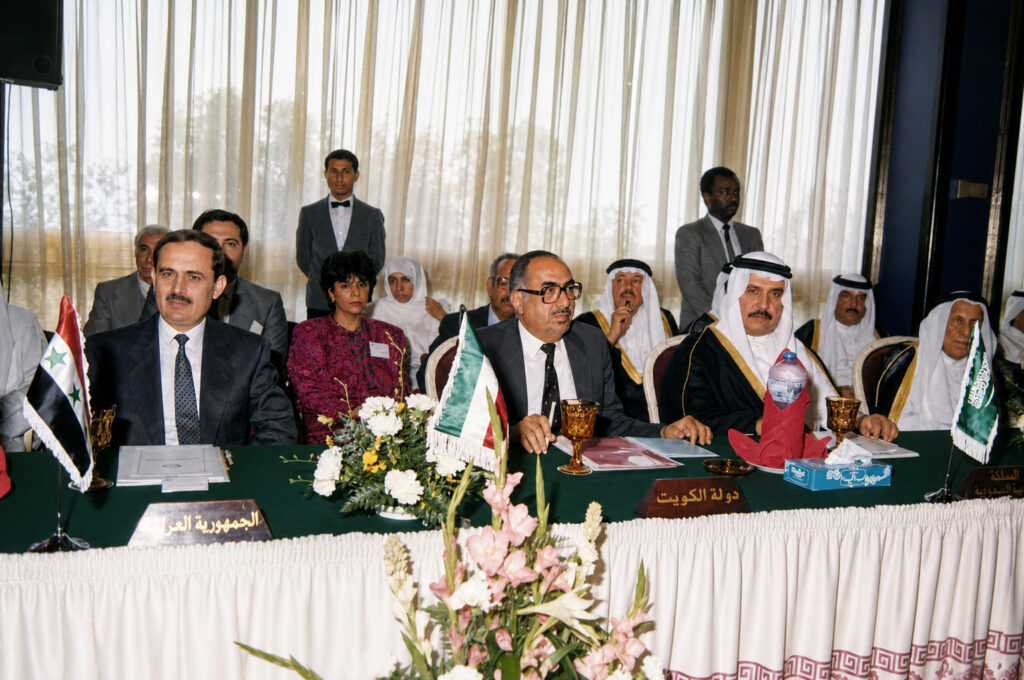
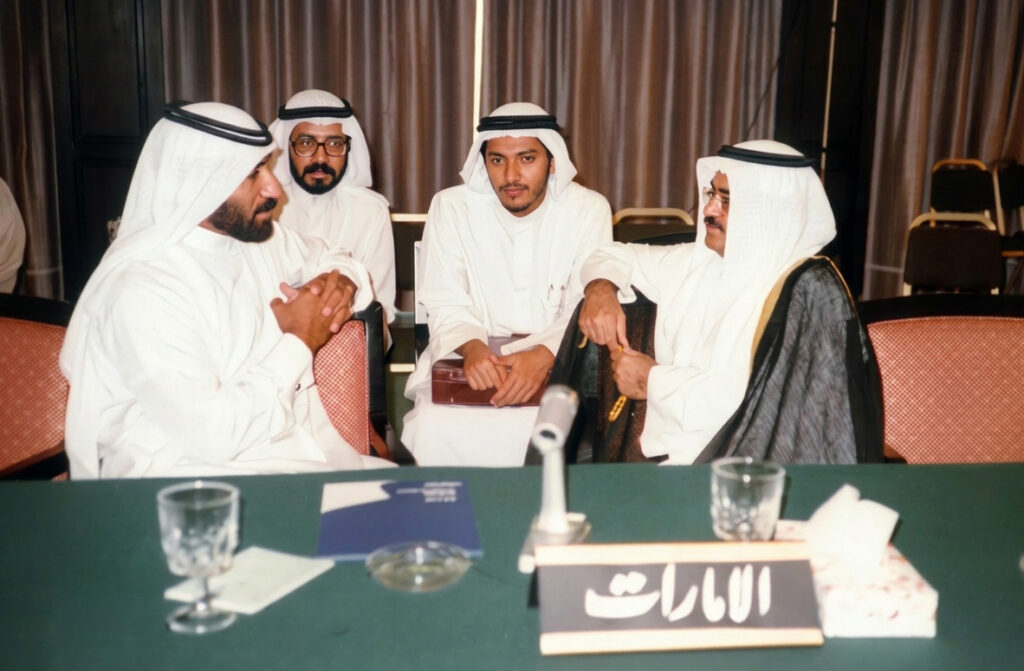
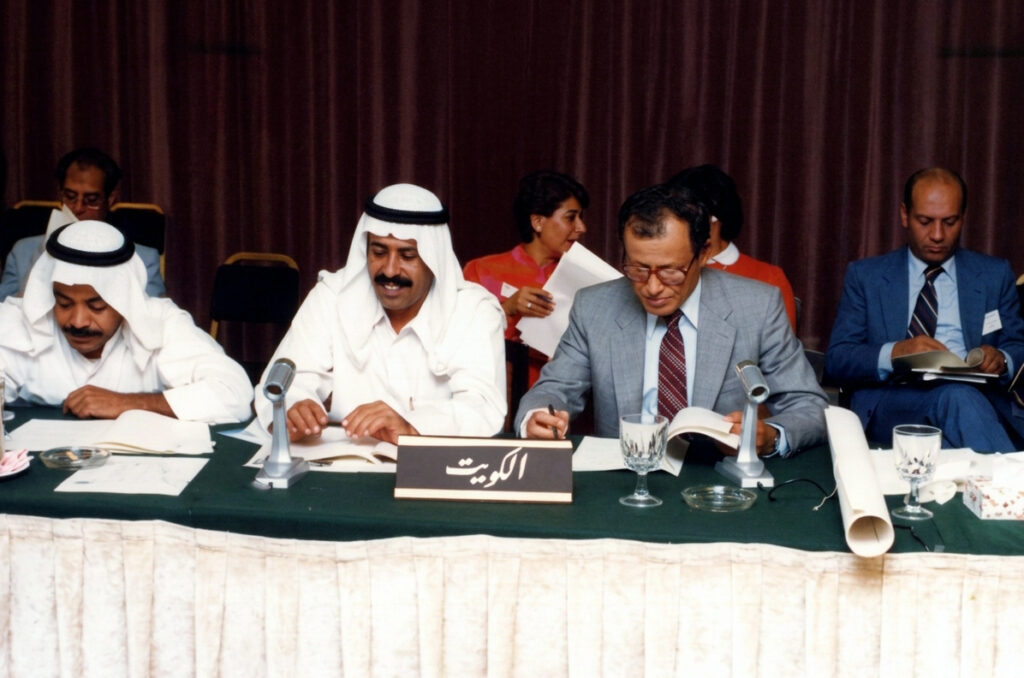
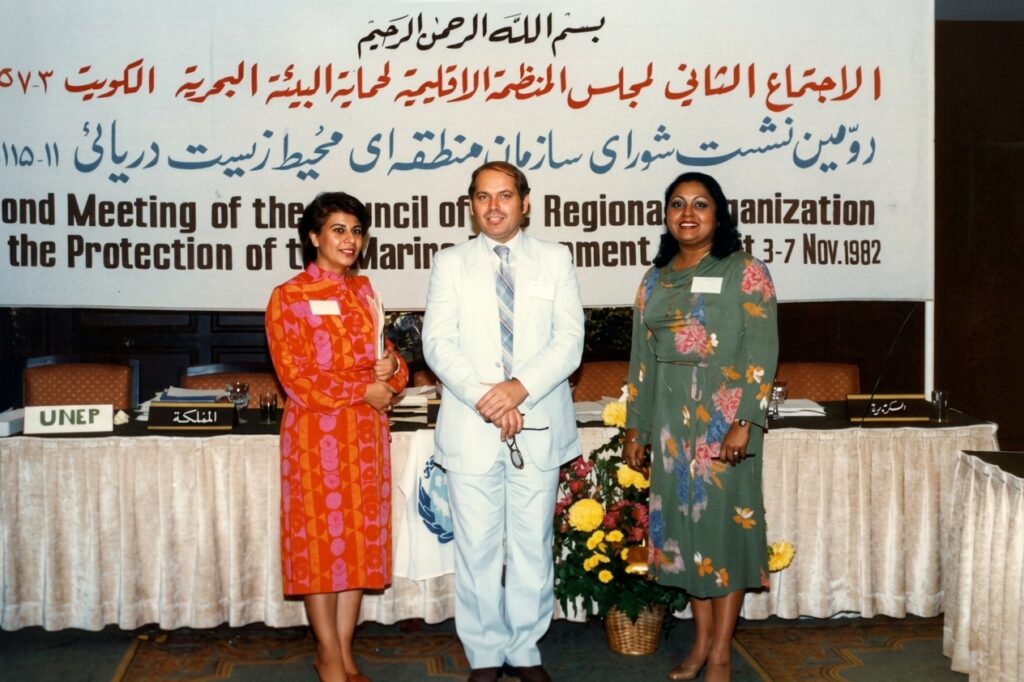
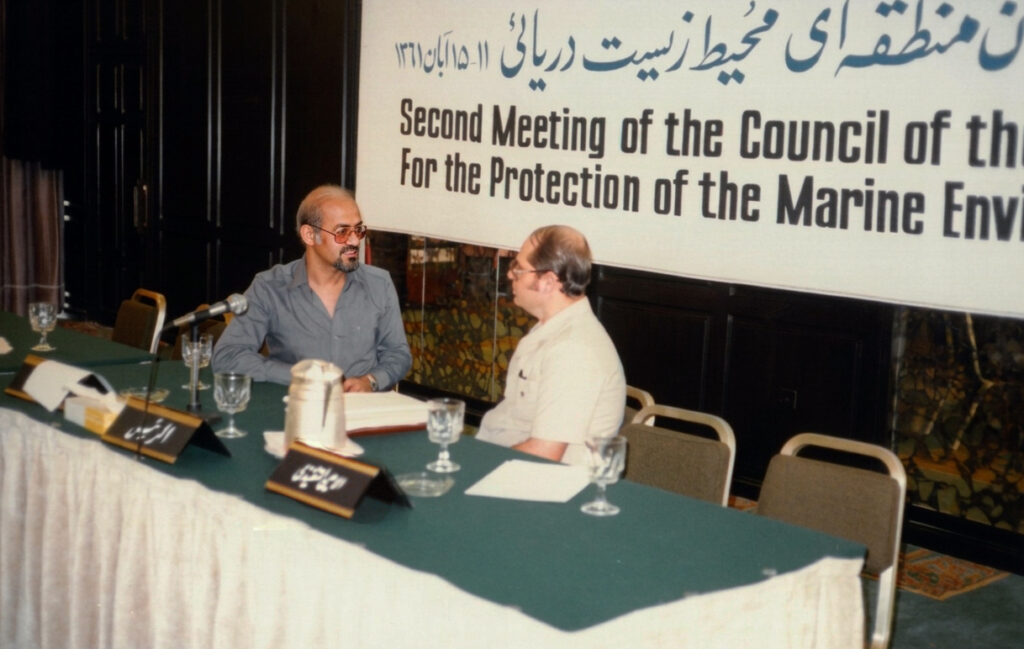
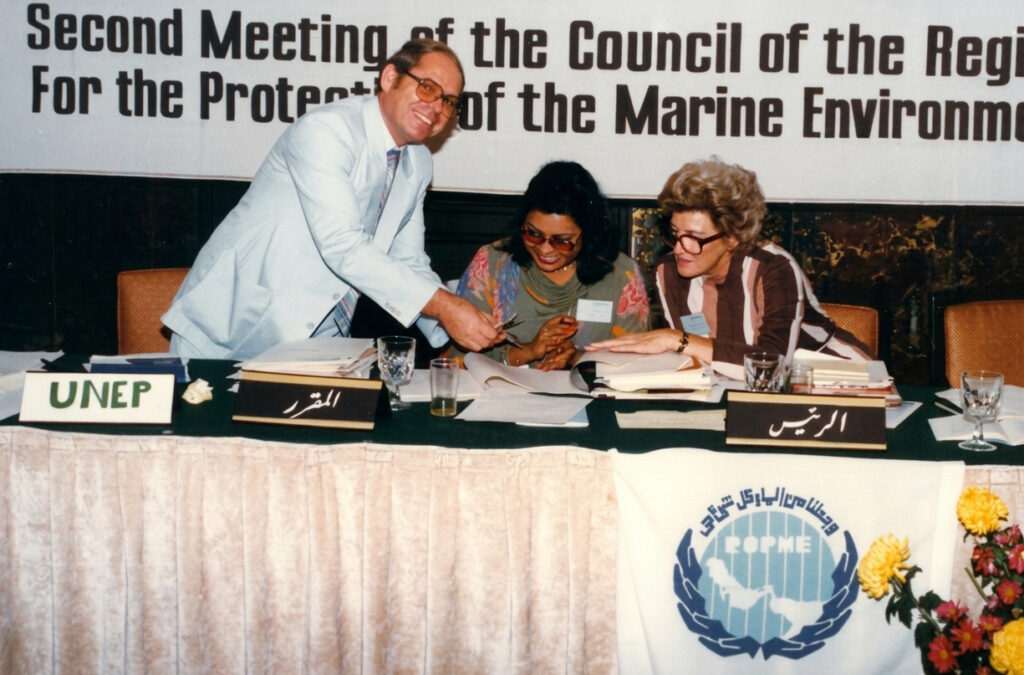
The Second Council Meeting of the Regional Organization for the Protection of the Marine Environment (ROPME), hosted by the State of Kuwait on 6–7 November 1982, marked a significant milestone in regional environmental cooperation. The meeting focused on strengthening the Organization’s institutional framework and enhancing mechanisms for implementing the Kuwait Regional Convention for Cooperation on the Protection of the Marine Environment from Pollution, the principal legal instrument governing marine environmental protection in the Gulf and the Sea of Oman.
View more
The meeting took place during the Organization’s formative years. Established under the Kuwait Convention signed in 1978 and brought into force in 1979, ROPME’s early priorities centered on consolidating its administrative and financial structures, developing marine environmental monitoring programs, and strengthening coordination among Member States to address growing environmental challenges associated with oil-related activities and maritime transportation.
Strengthening Governance and Administrative Structures
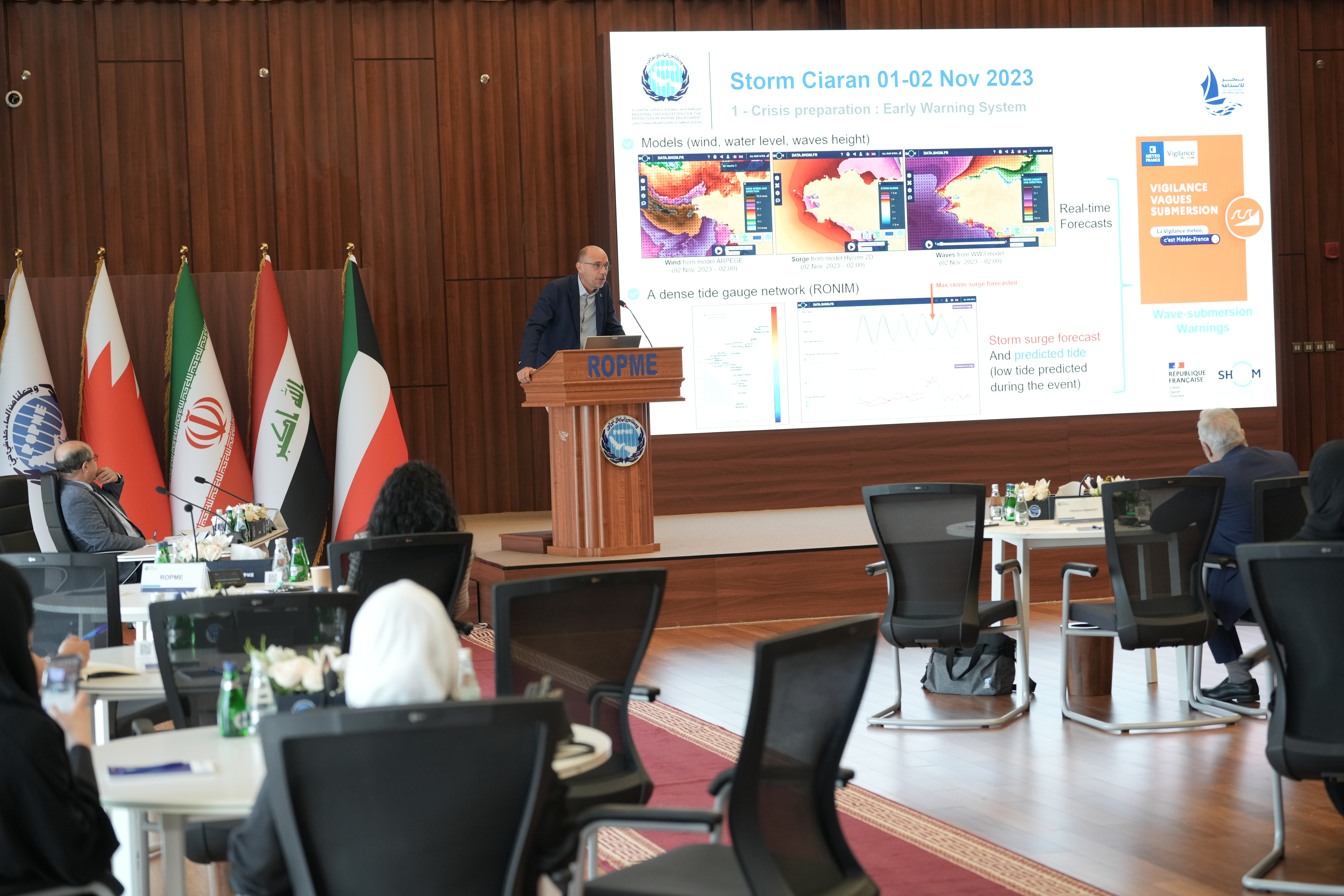
A central theme was the global discontinuation of the widely used COREXIT product, a development that has significant implications for regional preparedness and operational protocols.The workshop focused on the strategic role of dispersants in oil spill response, emphasizing their effectiveness in mitigating environmental damage. A central theme was the global discontinuation of the widely used COREXIT product, a development that has significant implications for regional preparedness and operational protocols.
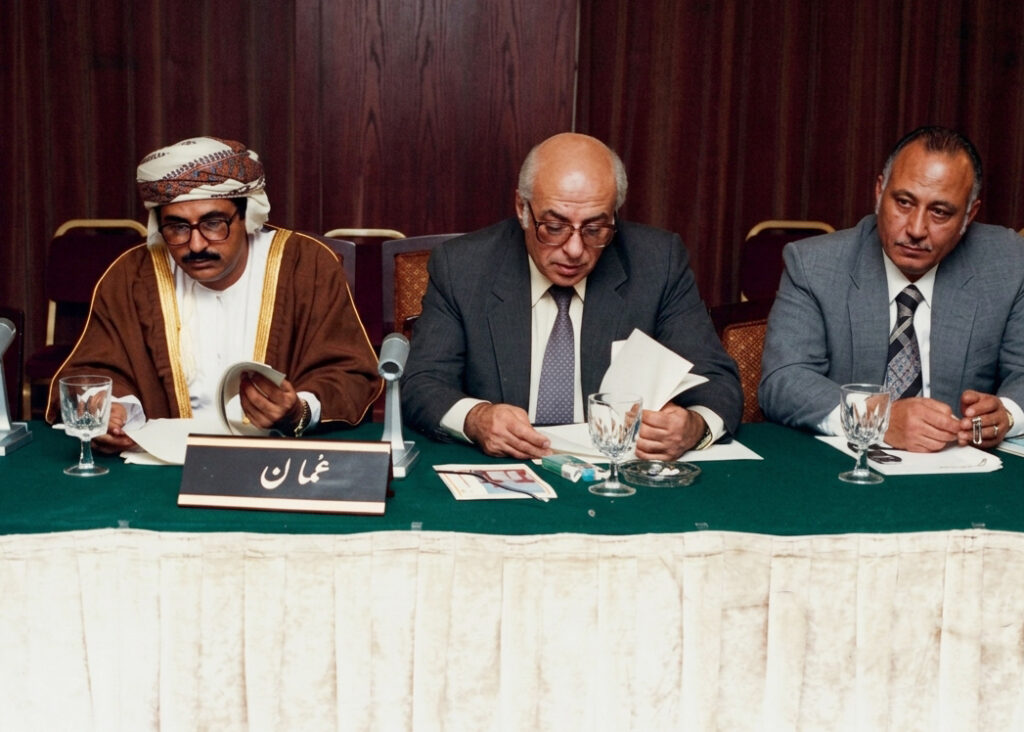
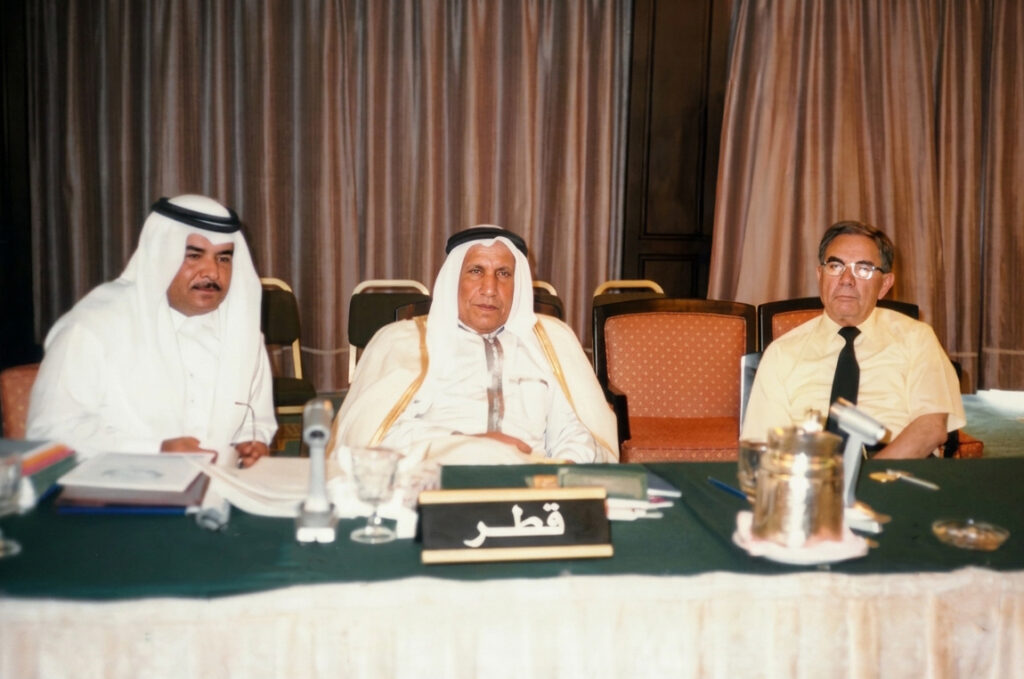
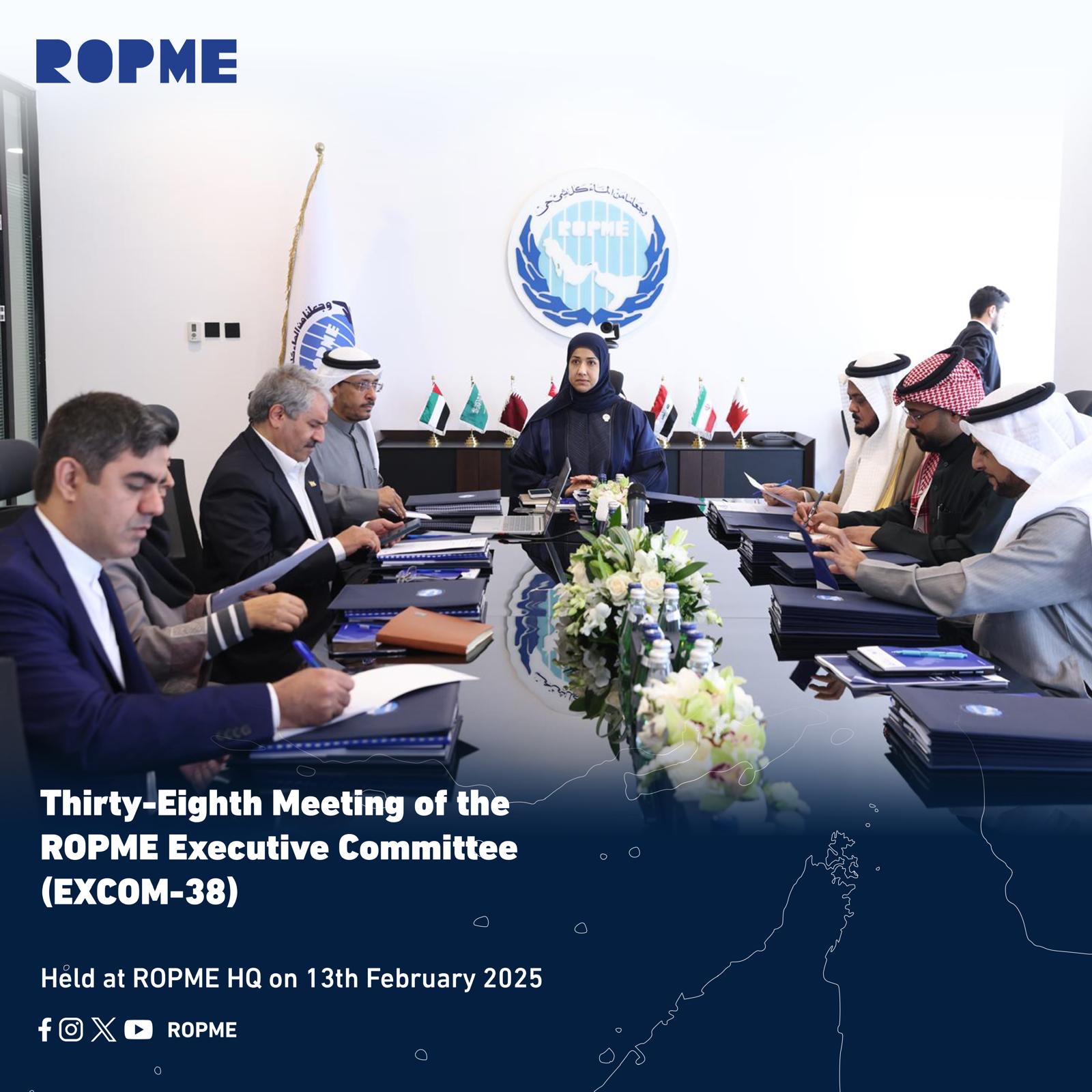
During its second session, the Council adopted a number of important organizational decisions aimed at enhancing the efficiency and effectiveness of the Organization’s operations. Among the key decisions was the establishment of procedures governing the Executive Committee, stipulating that it should meet no fewer than three times annually, attended by the Committee Chair and at least two of its members.
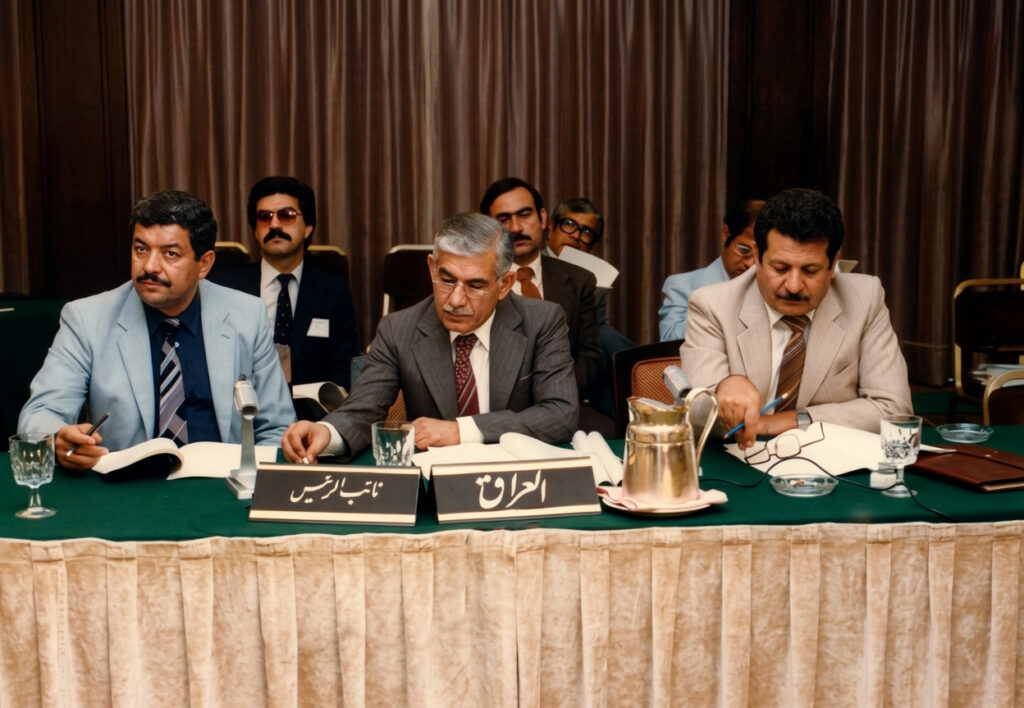
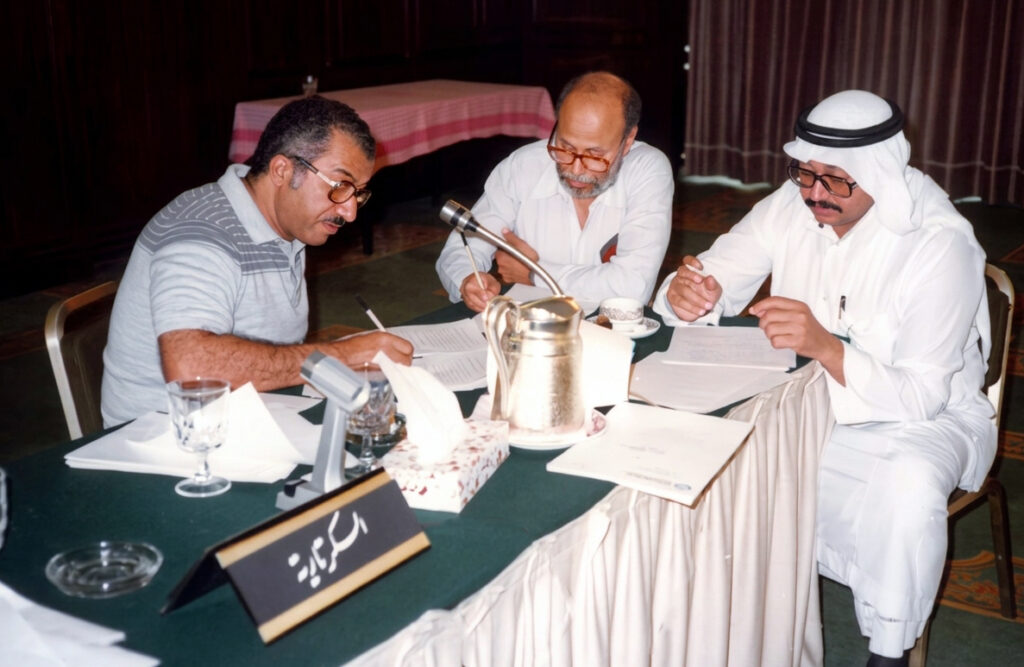
The Council also endorsed the composition of the Executive Committee, which at the time included senior representatives from Member States, notably the Ministers of Health of Kuwait, Iraq, and Bahrain, as well as the Ambassador of the Islamic Republic of Iran to Kuwait. This reflected the nature of the Organization’s formative phase, during which marine environmental affairs were closely linked to several governmental sectors.
Among the Council’s significant decisions was granting the Executive Committee the authority to appoint the Director of the Marine Emergency Mutual Aid Centre (MEMAC) and the heads of departments within the Organization’s Secretariat. This measure was intended to strengthen ROPME’s executive capacity and further develop its technical and administrative functions.
Establishing Annual Council Sessions
As part of efforts to institutionalize the Organization’s work and ensure continuity, the Council decided that its regular annual sessions would be held each February. This decision was designed to facilitate consistent oversight of regional programs and projects and ensure regular review of implementation progress.
The Council also approved an amendment to Article 12 of its Rules of Procedure concerning the accreditation of participating delegations. Under the revised procedure, credentials would be approved through communication between national focal points and the Secretariat, thereby simplifying administrative processes and facilitating Member States’ participation in Council meetings.
Enhancing Financial Oversight and Stability
On financial matters, the Council agreed to maintain the Member States’ contribution rates to the Organization’s budget as established during the First Council Meeting. This decision contributed to securing the financial stability necessary for the continuation of regional programs and technical initiatives.
The Council further decided to appoint an external auditor from Kuwait in accordance with the Organization’s Financial Regulations, reinforcing transparency, financial accountability, and sound institutional governance.
Promoting Communication Among Member States
Recognizing the importance of effective communication among Member States, the Council recommended the provision of simultaneous interpretation services between Arabic and Persian during Council meetings whenever feasible. This measure was intended to facilitate technical and legal discussions and strengthen regional cooperation.
Adoption of Regional Environment Day
One of the Council’s most notable awareness-related decisions was the designation of 24 April as Regional Environment Day, with Member States encouraged to organize activities and events marking the occasion. The initiative aimed to raise environmental awareness and promote public engagement in efforts to protect the marine environment.
This decision represented one of the earliest coordinated regional initiatives to foster environmental awareness and culture across the region and continued to be observed by many Member States in the decades that followed.
An Early Vision for Expanding Environmental Protection
The Council also explored future directions for the Organization’s development and tasked the Secretariat with conducting the necessary studies and convening meetings of technical and legal experts to examine the feasibility of expanding ROPME’s mandate to encompass environmental issues related to land and air, alongside its marine environmental responsibilities.
This forward-looking approach reflected an early recognition of the importance of integrated environmental management and the close interrelationship between marine ecosystems, land-based activities, and sources of air pollution.
Strengthening Cooperation with the United Nations
In support of international cooperation, the Council authorized the Acting Executive Secretary to enter into negotiations with the Executive Director of the United Nations Environment Programme (UNEP) regarding the implementation of a number of joint activities and programmes. This step was intended to enhance access to international expertise and expand technical support available to both the Organization and its Member States.
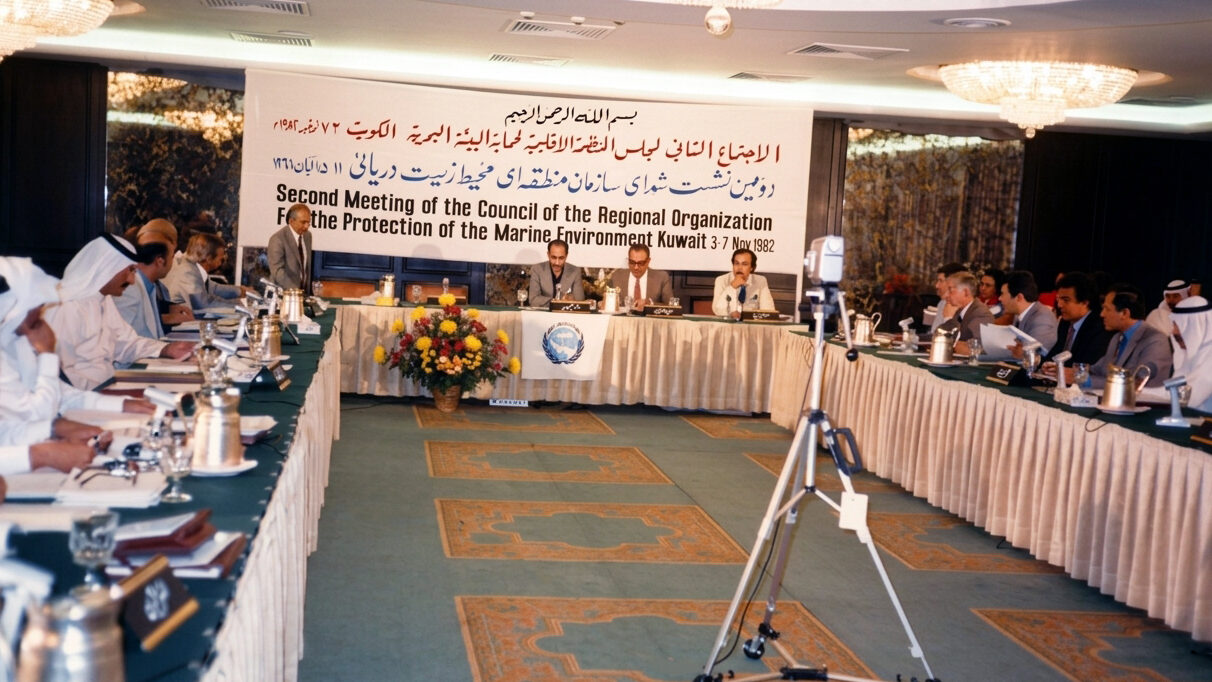
“A Foundational Milestone in Regional Environmental Cooperation“
The Second ROPME Council Meeting is widely regarded as a pivotal event in the Organization’s history. It played a crucial role in consolidating the institutional, financial, and administrative foundations of ROPME while establishing the framework for long-term regional cooperation in marine environmental protection. The meeting also paved the way for the development of marine environmental monitoring programs, marine emergency response mechanisms, and stronger international partnerships—cornerstones that have supported the Organization’s mission throughout more than four decades of regional environmental cooperation.