

Discusses the New Strategic Directions for 2026–2030:
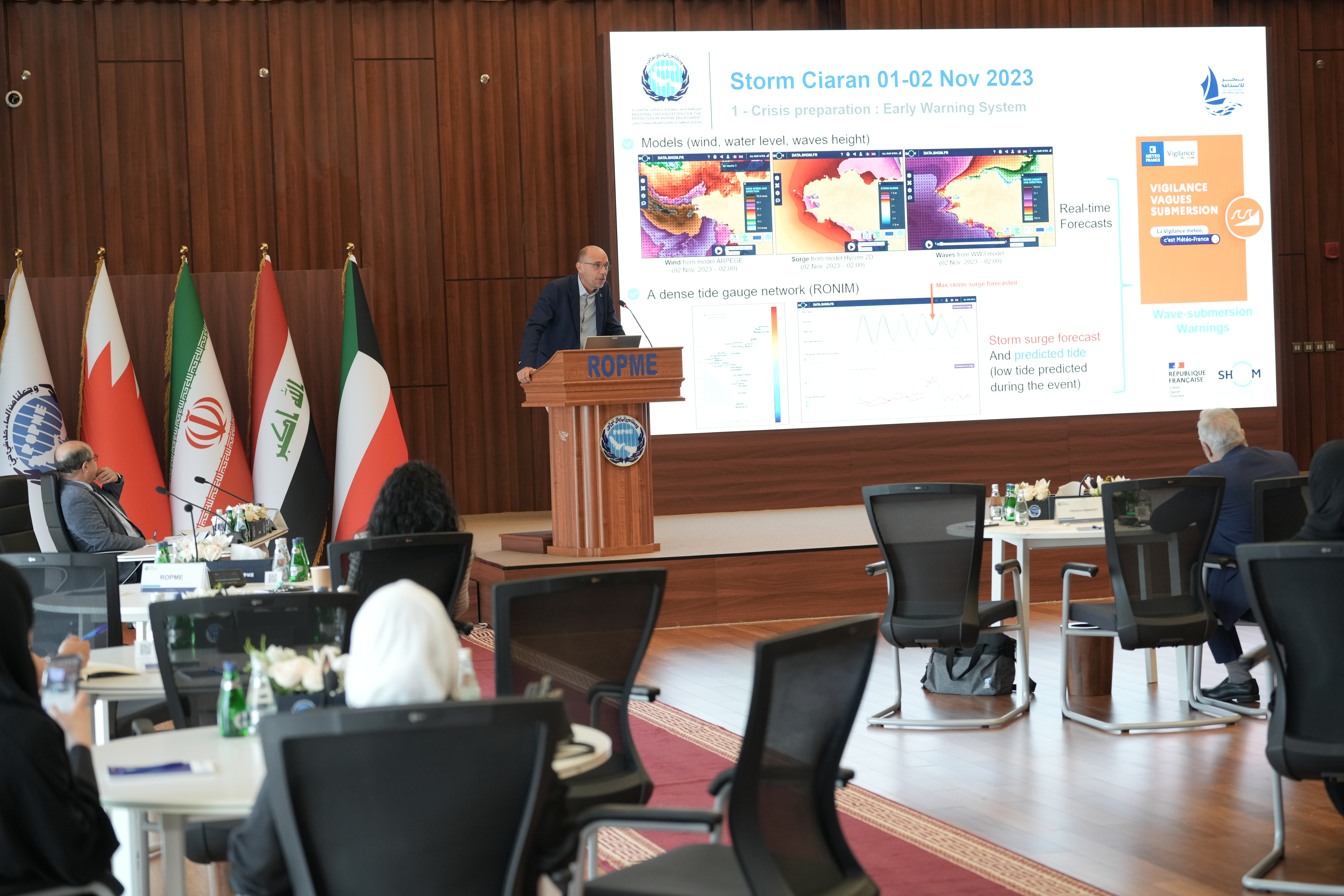
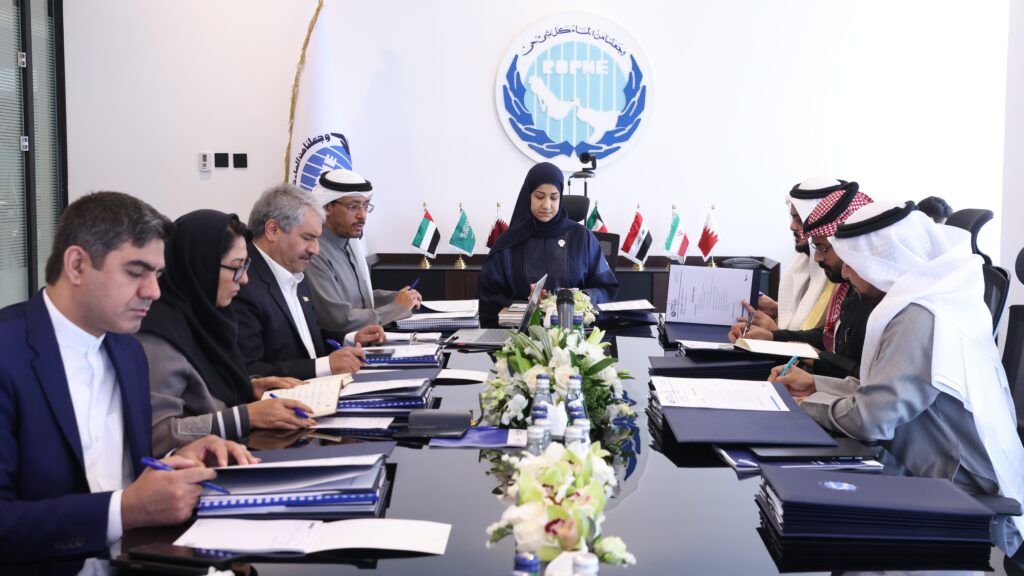
The Executive Committee of the Regional Organization for the Protection of the Marine Environment (ROPME) held its 38th meeting on Thursday, 13 February 2025, bringing together representatives of the Organization’s Member States to review key administrative, financial, and technical developments, as well as to discuss the Organization’s future priorities and strategic direction for the coming years.
Strengthening Institutional Performance
During the meeting, the Executive Committee reviewed the efforts undertaken by the ROPME Secretariat to enhance the Organization’s institutional performance and further develop its administrative, financial, and technical programmes. Discussions focused on improving operational efficiency, strengthening governance mechanisms, advancing digital transformation initiatives, and enhancing the Organization’s capacity to respond effectively to emerging environmental challenges in the region.
The Committee also examined progress achieved in implementing ongoing programmes and activities, emphasizing the importance of maintaining high standards of scientific and technical excellence in support of the Organization’s mandate to protect the marine and coastal environment of the ROPME Sea Area.
Strategic Directions for 2026–2030
Participants explored the potential impact of this shift on the ROPME Sea Area and discussed adaptive strategies to ensure continued resilience in spill response efforts. The session also introduced proposed updates to regional policies and frameworks aimed at aligning with international best practices while addressing local environmental sensitivities.
Read more
A major focus of the meeting was the discussion of ROPME’s proposed Strategic Directions for the period 2026–2030, which are intended to guide the Organization’s work over the next five years and align its activities with regional priorities and global environmental commitments.
The proposed strategy seeks to strengthen regional cooperation among Member States and enhance collective efforts to address pressing environmental challenges, including marine pollution, biodiversity conservation, climate change adaptation, sustainable management of marine resources, and the protection of vulnerable coastal and marine ecosystems.
Committee members reviewed the key pillars and objectives of the proposed strategic framework, emphasizing the importance of adopting innovative and science-based approaches to environmental management, expanding partnerships with regional and international organizations, and supporting Member States in achieving their environmental and sustainable development goals.
“The meeting also considered a number of initiatives and projects aimed at promoting sustainability across the ROPME Sea Area”
”
Advancing Sustainability Initiatives
These initiatives focus on enhancing environmental monitoring and assessment, strengthening marine pollution prevention and response capabilities, supporting climate resilience, protecting biodiversity, and fostering sustainable use of marine and coastal resources. Participants highlighted the importance of developing practical and measurable programmes that contribute to environmental protection while supporting economic and social development within Member States.
Commitment to Regional Environmental Cooperation
The Executive Committee reaffirmed its commitment to strengthening regional environmental cooperation and supporting the continued development of ROPME’s programmes and activities. Members underscored the Organization’s vital role in coordinating joint action among Member States and advancing efforts to safeguard the marine environment for present and future generations.
The meeting concluded with a shared commitment to further refine the proposed strategic directions and continue developing initiatives that will enhance environmental sustainability, resilience, and regional cooperation throughout the ROPME Sea Area during the 2026–2030 period.