MARPOL Special Area

Why is the RSA a โ€œSpecial Sea Areaโ€?

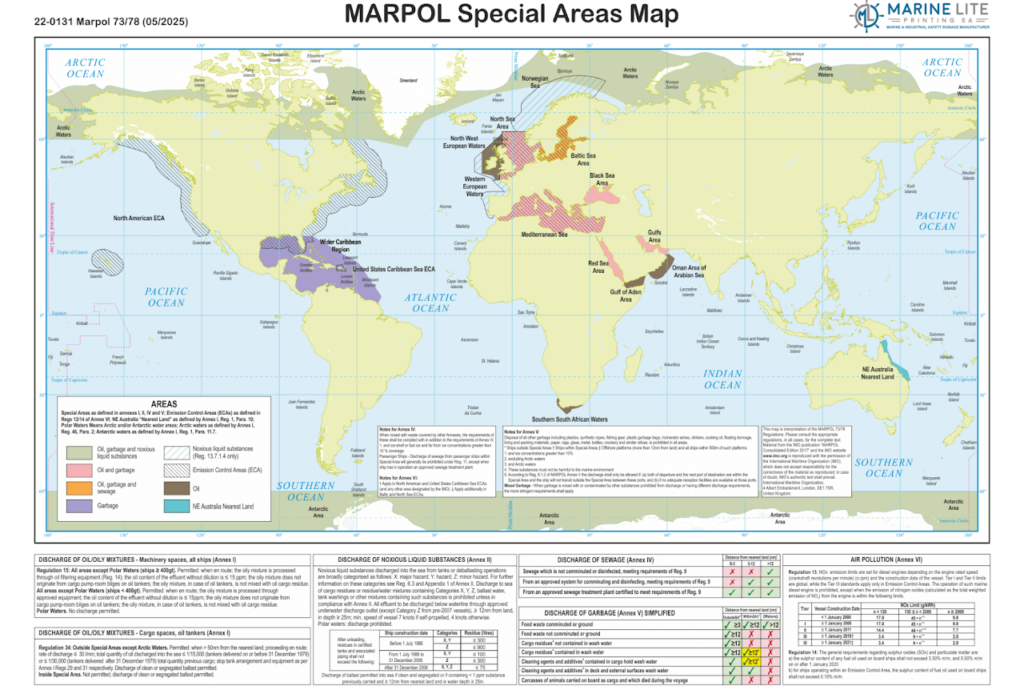
The ROPME Sea Area (RSA) holds a unique place in global maritime law. Recognized by the International Maritime Organization (IMO) under MARPOL Annexes I and V, the RSA is officially designated as a Special Area. This designation reflects its sensitivity to pollution and the intense maritime traffic it sustains, including oil tankers, cargo vessels, and regional shipping. Within a Special Area, stricter discharge regulations apply to vessels: oil, noxious liquid substances, sewage, and garbage discharges are heavily restricted or outright prohibited, except under stringent conditions. This legal status strengthens environmental protection by aligning international maritime rules with the regional Kuwait Regional Convention and its protocols under ROPME.

What does it mean?

Oil pollution control

Any discharge of oil or oily mixtures is banned unless treated to international standards.

Garbage Restrictions

Disposal of plastics and most solid wastes is completely prohibited.

Ballast Water Management

Ships are required to manage ballast to reduce the spread of invasive species, a growing concern in the RSA.

Port Reception Facilities

Member States provide dedicated facilities so ships can safely offload waste instead of discharging at sea.

This framework ensures that shipping, which is one of the RSAโ€™s largest economic lifelines, is managed in a way that minimizes environmental harm while maintaining regional trade security.

Annex I and Annex V

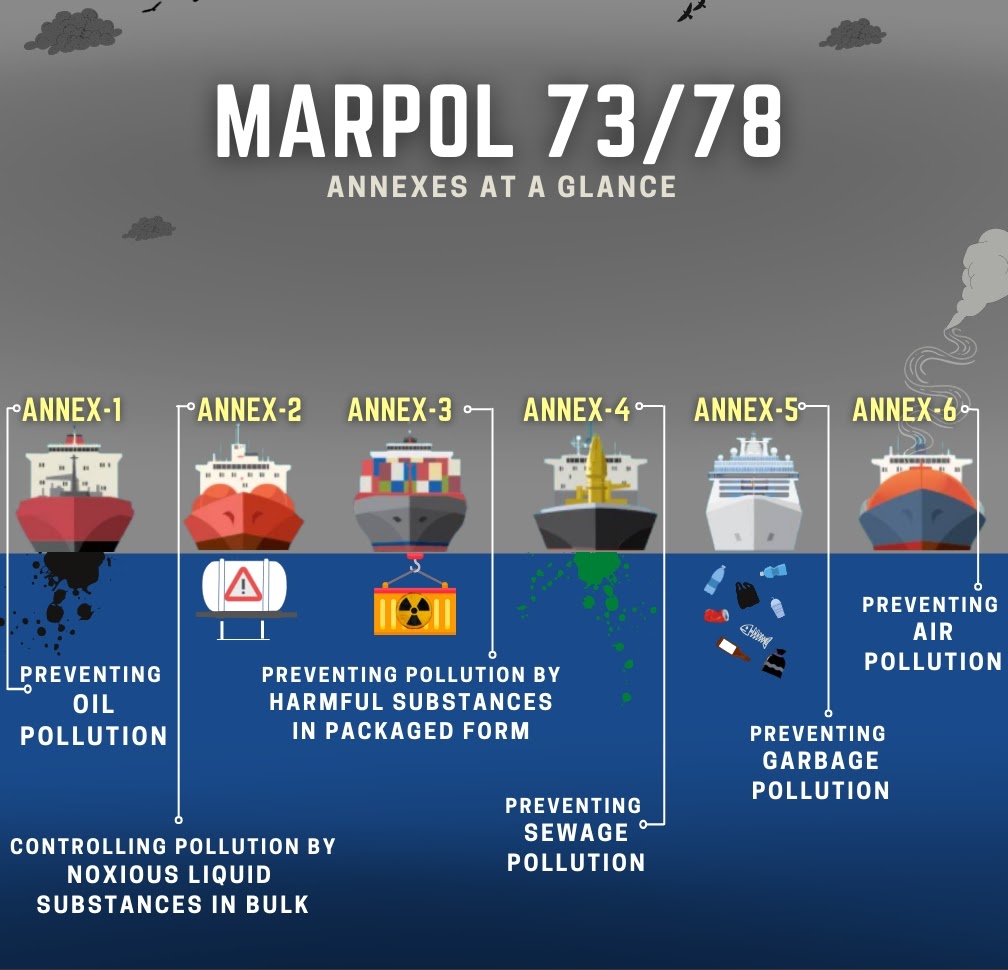
The RSA is specifically listed in MARPOL Annex I (Oil Pollution) and Annex V (Garbage). Under Annex I, any discharge of oil or oily mixtures into the sea is prohibited unless strict conditions are met, a rule especially critical in the RSA where chronic oil spills pose a persistent threat to marine habitats. Annex V further bans the disposal of plastics and heavily restricts other solid wastes, ensuring that the RSAโ€™s semi-enclosed waters โ€” already under pressure from coastal development and heavy shipping โ€” are not further degraded by marine litter. Together, these annexes form the backbone of the RSAโ€™s Special Area protection, directly addressing its two most pressing risks: oil contamination and marine litter.

Key Documents

Explore More
  • ROPME Projects
    ROPME Projects

    Driving Innovation for a Sustainable Marine Environment ROPME leads and supports a diverse portfolio of regional projects that address the most pressing environmental challenges in the ROPME Sea Area. Working closely with Member States, international organizations, research institutions, and strategic partners, these projects promote innovation, strengthen regional cooperation, and provide practical solutions for protecting the

  • Marine Desertification
    Marine Desertification

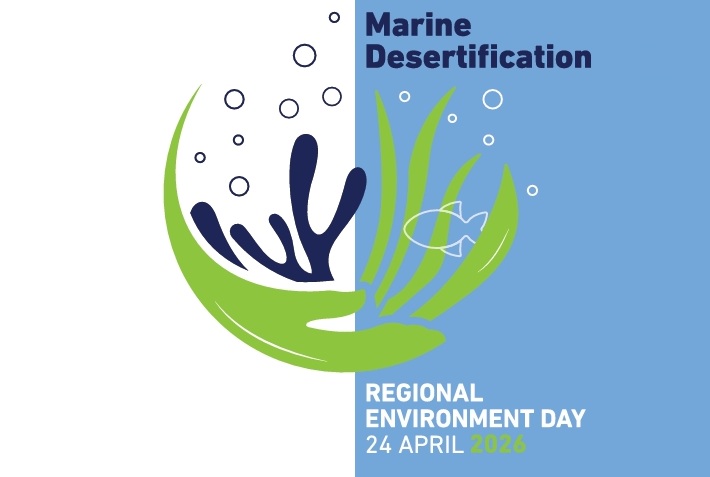
    “A growing threat to marine ecosystems, biodiversity, and the communities that depend on them.“ What is Marine Desertification? Marine desertification is the rapid degradation of productive marine ecosystems, transforming them into nutrient-poor areas with low biodiversity. Similar to desertification on land, it results in the severe loss of marine vegetation and biological resources, reducing the

  • Protected and Conserved Areas
    Protected and Conserved Areas

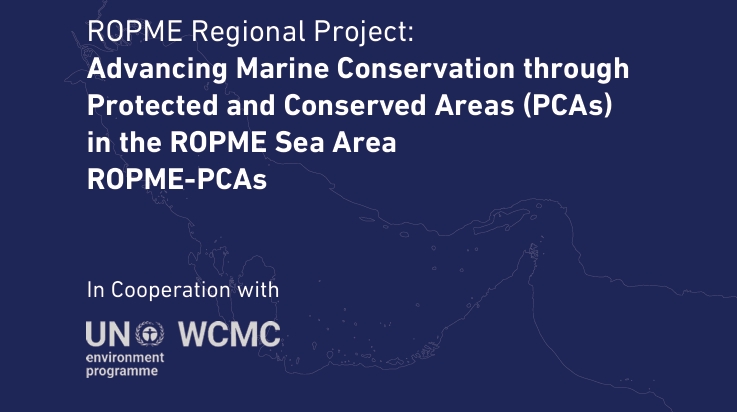
    Advancing Marine Conservation through Protected and Conserved Areas (PCAs) “A regional initiative to strengthen marine conservation, improve protected area management, and support biodiversity targets across the ROPME Sea Area.” Project Overview The ROPME-PCAs Project is a regional collaboration between ROPME and UNEP-WCMC to advance marine conservation by improving the management, reporting, and effectiveness of Protected

  • CMS Migratory Species “Champion”
    CMS Migratory Species “Champion”

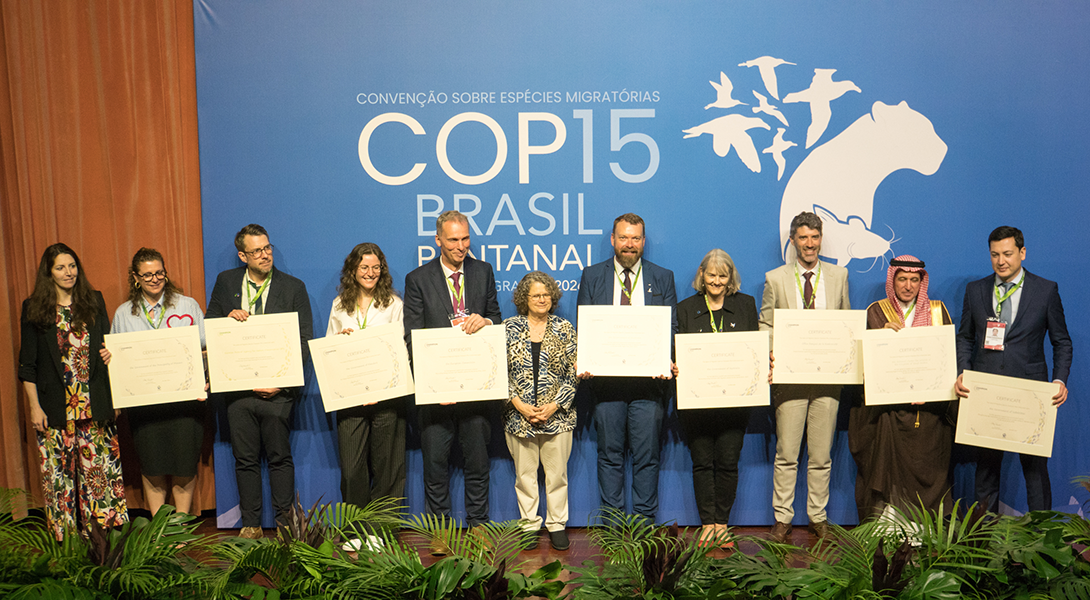
    Strengthening Conservation of Marine Migratory Species Protecting migratory marine species and their critical habitats through regional cooperation across the ROPME Sea Area. Overview ROPME has been recognized as a CMS Champion Plus for its initiative “Strengthening Conservation of Marine Species and their Habitats in the ROPME Sea Area (2026โ€“2028).” The initiative strengthens science-based regional cooperation

  • ROPME Environmental Calendar
    ROPME Environmental Calendar

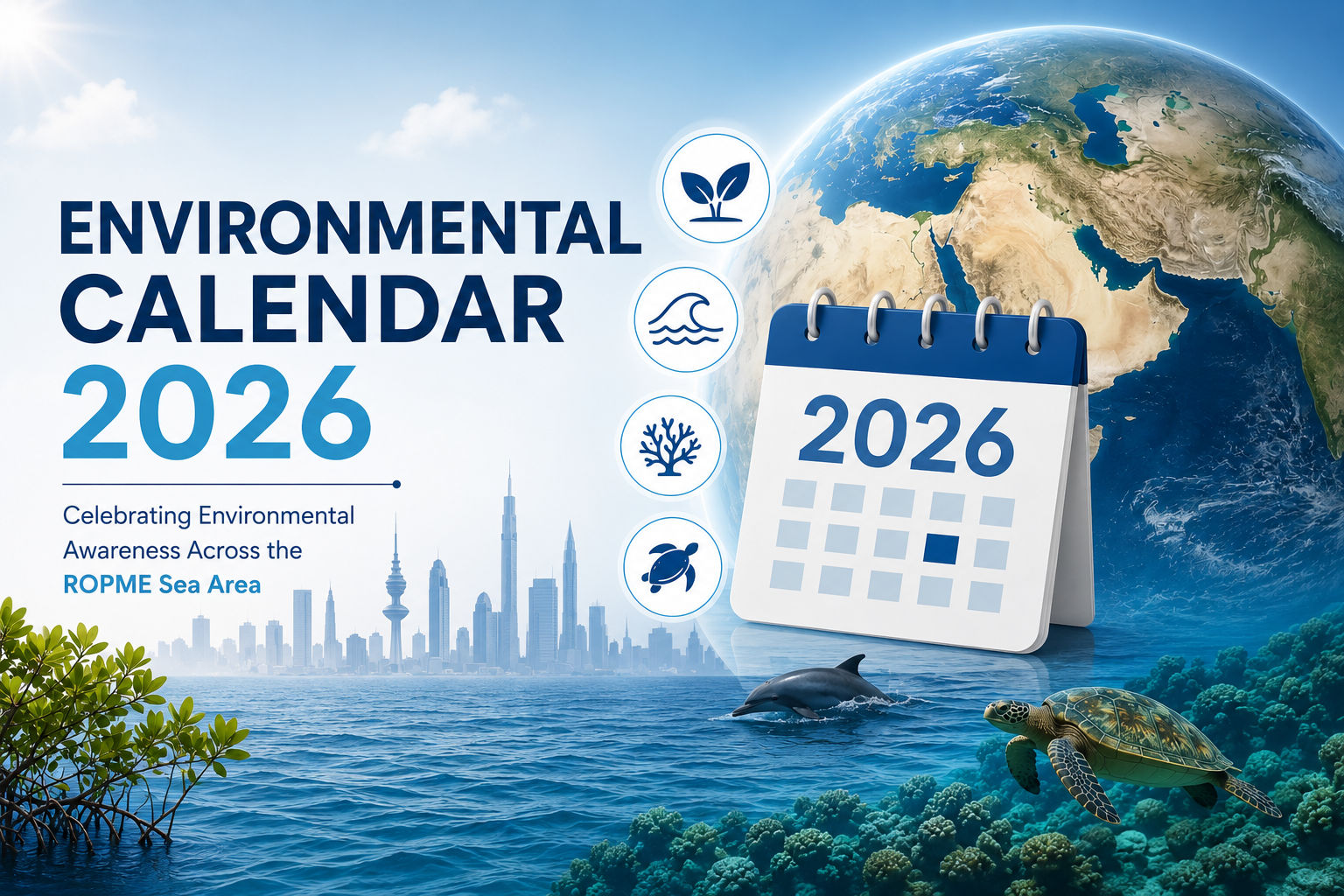
    Celebrating Environmental Awareness Across the ROPME Sea Area The ROPME Environmental Calendar brings together major international, regional, and national environmental observances throughout the year. It serves as a reference for important occasions dedicated to the protection of marine and coastal ecosystems, biodiversity conservation, climate action, sustainable development, environmental education, and the celebration of the environmental

  • Environmental Celebrations | World Oceans Day
    Environmental Celebrations | World Oceans Day

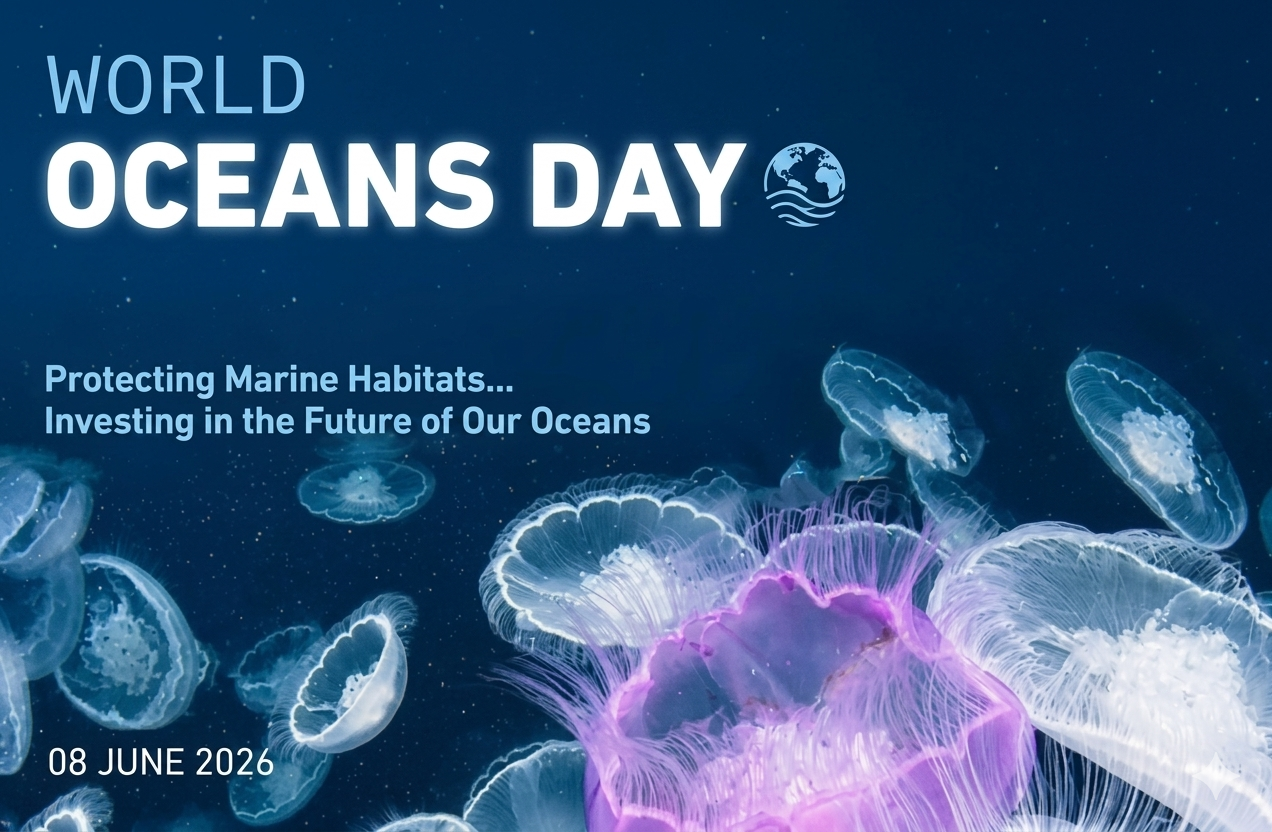
    Celebrating World Oceans Day 2026 Protecting Marine Habitats: An Investment in the Future of Our Oceans On 8 June 2026, the Regional Organization for the Protection of the Marine Environment (ROPME) joins the global community in celebrating World Oceans Day. Together, we reaffirm a vital truth: our oceans are a living asset that sustains all

  • ROPME Invasive Species
    ROPME Invasive Species

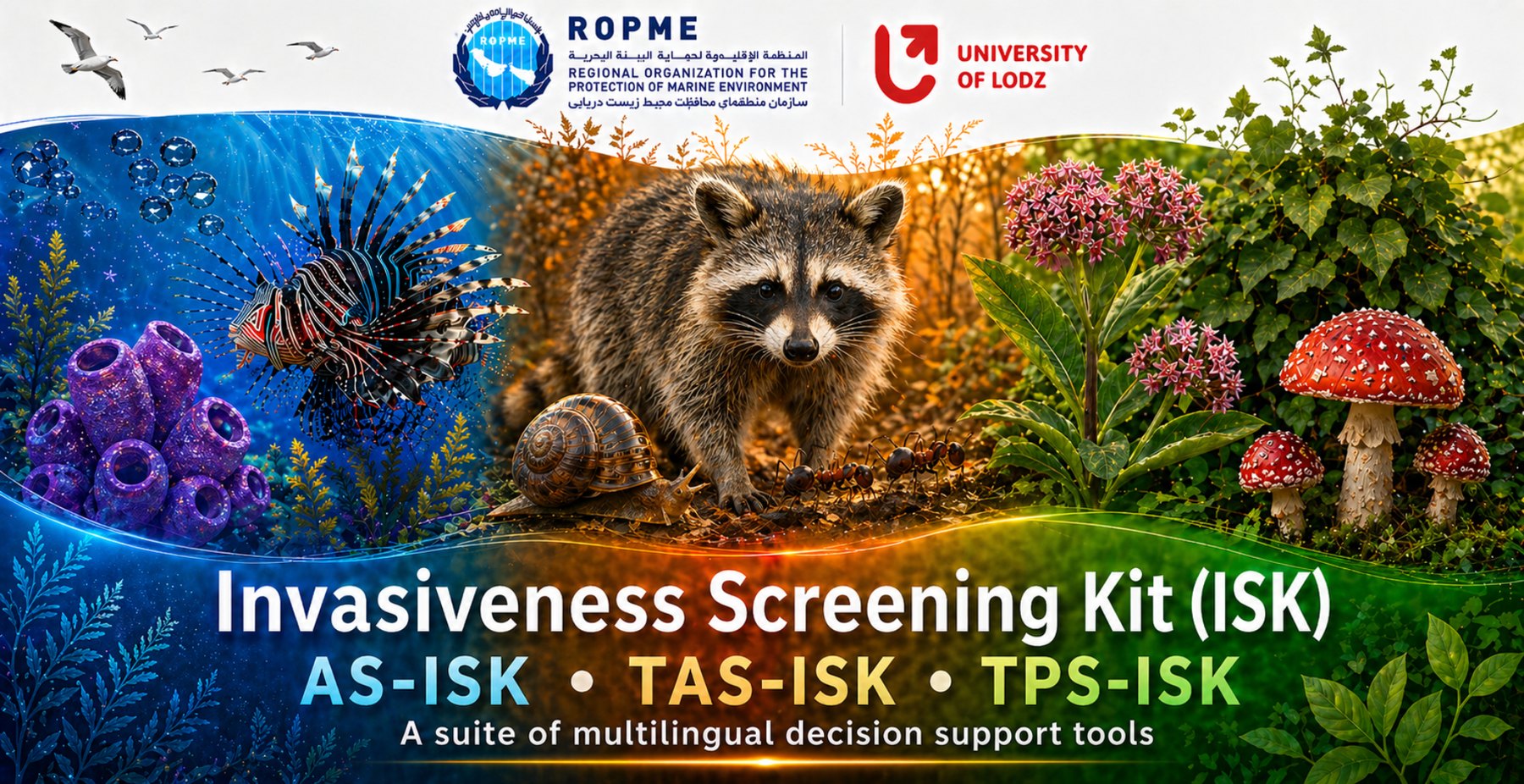
    Invasiveness Screening Kit (ISK) v3 A free Microsoft Excel-based decision-support platform integrating AS-ISK, TAS-ISK and TPS-ISK for screening non-native species and calibrating risk outcomes across aquatic organisms, terrestrial animals and terrestrial plants. The ISK v3 toolkits ISK v3 preserves the three toolkit-specific screening protocols while integrating them within the v3 software environment. Aquatic Species Invasiveness

  • Environmental Impacts of the Regional Conflict
    Environmental Impacts of the Regional Conflict

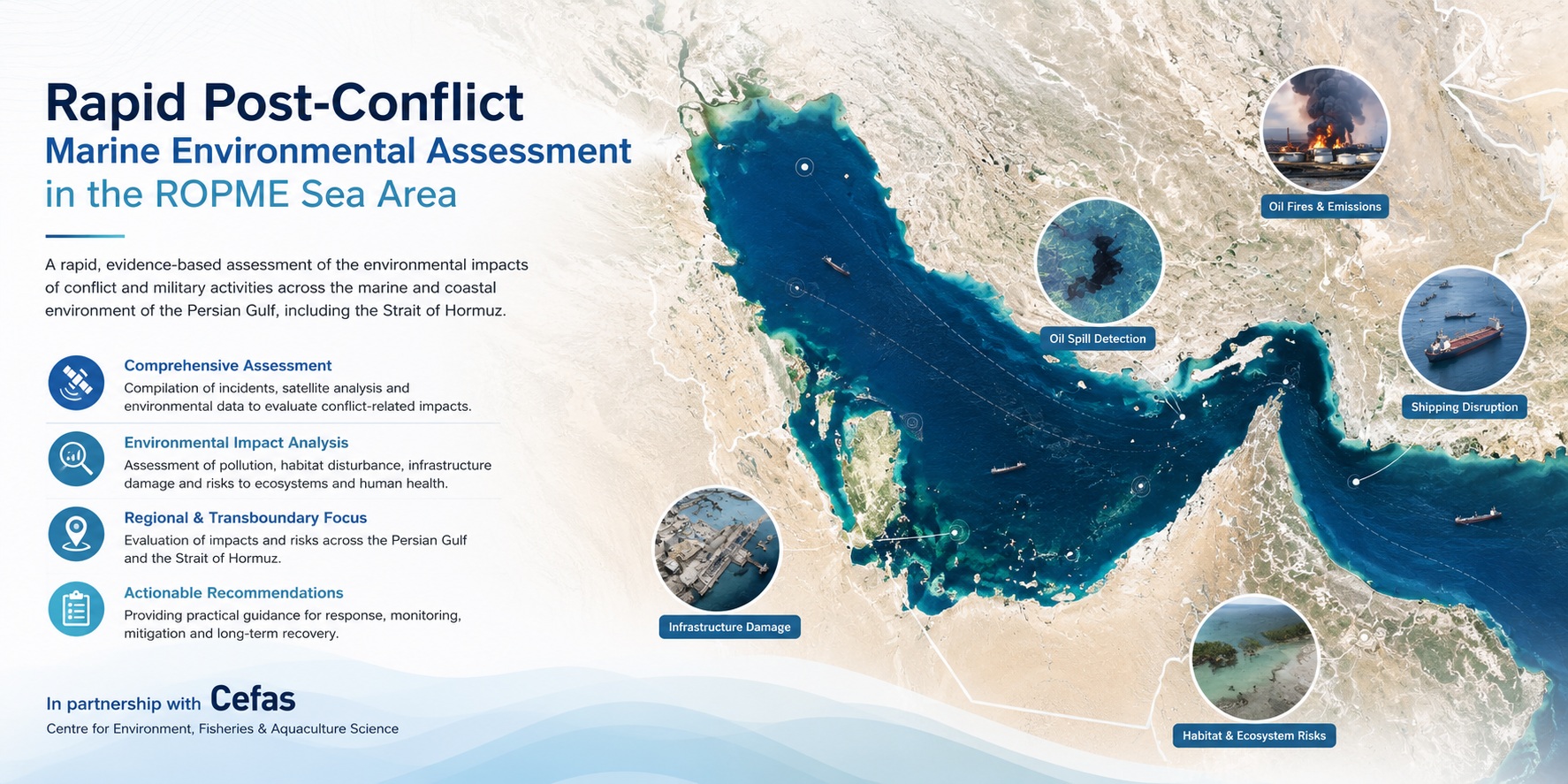
    Rapid Post-Conflict Marine Environmental Assessment in the ROPME Sea Area Overview The Rapid Post-Conflict Marine Environmental Assessment in the ROPME Sea Area was implemented by ROPME to assess the environmental consequences of regional conflict and military activity across the marine and coastal environment of the region. The project provided an early evidence-based understanding of conflict-related