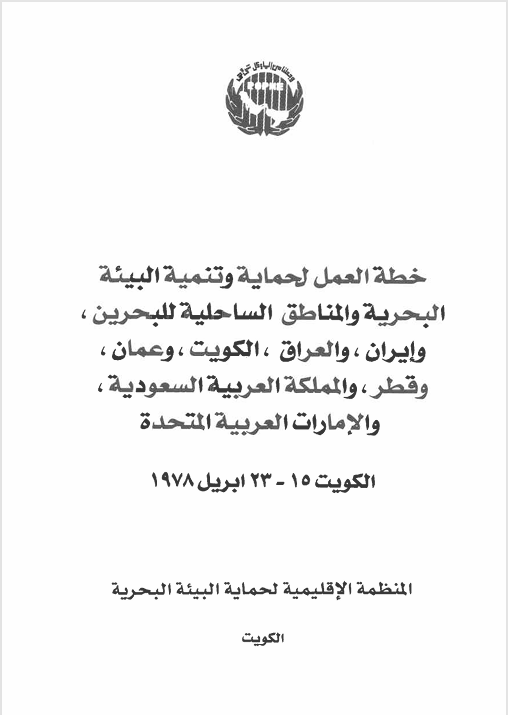


The Action Plan for the Protection and Development of the Marine Environment and Coastal Areas of the Region represents one of the earliest integrated regional initiatives aimed at establishing a common framework for cooperation among the countries of the region to protect the marine environment and promote the sustainable development of coastal and marine resources.
The preparation of this Action Plan was supported by and developed in cooperation with the United Nations Environment Programme (UNEP) and in coordination with several specialized United Nations agencies, in response to the growing need to address environmental challenges resulting from rapid economic growth, urban and industrial expansion, and the increasing exploitation of marine resources and energy.
The Governments of the Region recognized the marine and coastal areas as strategically important areas requiring joint environmental management to ensure the protection of marine ecosystems and the conservation of natural resources for present and future generations.
View more
Objectives of the Action Plan
The Action Plan focused on achieving several key objectives, including:
1. Assessment of the Environmental Status of the Region
Through the collection of scientific information and data on:
The quality of the marine environment.
- Sources of pollution.
- Factors affecting human health and marine ecosystems.
2. Development of Environmental Management
By establishing frameworks for managing human and developmental activities affecting the marine environment and ensuring the sustainable use of living marine resources.
3. Establishment of a Regional Legal Framework
With the aim of providing a legal basis for cooperation among countries in:
- Protecting the marine environment.
- Controlling pollution sources.
- Strengthening commitment to relevant international agreements.
4. Development of Institutional and Financial Structures
Through the establishment of national and regional mechanisms capable of implementing marine environmental protection programmes and enhancing cooperation among concerned institutions.
I. Environmental Assessment
The Action Plan considered scientific assessment of the marine environment as the foundation upon which all future actions should be built. It emphasized the need to provide accurate and integrated data to support governments in making sound environmental decisions.
The proposed assessment programmes included:
1. Survey of National Capabilities in Marine Sciences
Including an inventory of:
- Specialized scientific and administrative institutions.
- Information centres and databases.
- Research facilities and equipment.
- Specialized human resources.
- Existing environmental laws and regulations.
- Current and planned programmes and projects.
- Scientific studies and publications.
2. Assessment of Oil Pollution in the Region
Given the major economic importance of the oil industry in the region, the Action Plan focused on studying:
- Sources of oil pollution.
- The transport and distribution pathways of oil in the marine environment.
- Physical, chemical, and biological factors affecting pollutant movement.
- The role of marine and meteorological conditions in oil dispersion.
3. Assessment of Pollutants and Their Impacts on Humans and the Marine Environment
This included:
- Studying sources of industrial and municipal wastes reaching the sea.
- Evaluating the impacts of pollutants on human health and marine organisms.
- Assessing the effects of human activities such as dredging and land reclamation on ecosystems.
* Monitoring pollutant concentrations, particularly heavy metals in marine organisms.
4. Study of Marine Ecosystems and Living Resources
The Action Plan focused on assessing:
- Economically important marine species, including fish, crustaceans, and molluscs.
- Fish stocks and their sustainable utilization.
- Productivity and distribution of marine plankton.
- Important natural habitats such as intertidal zones and coastal lagoons (khores).
5. Study of Geological and Coastal Processes
Including:
- Sedimentation processes and their influence on pollutant transport.
- The impacts of engineering and mining activities on coastal areas.
- The relationship between geological changes, human health, and marine ecosystems.
The Action Plan emphasized that these programmes should be implemented in an integrated and coordinated manner to avoid duplication and ensure the optimal use of scientific resources.
II. Environmental Management
The Action Plan highlighted that the countries of the Region had experienced rapid growth in recent decades in areas such as:
- Urbanization.
- Industry.
- Agriculture.
- Transport.
- Trade.
- Natural resource exploitation.
It emphasized that achieving sustainable economic and social development requires the integration of environmental considerations into all stages of planning and development.
Environmental management measures included:
1. Strengthening Environmental Institutions
Through the preparation of a directory of governmental institutions responsible for environmental management and enhancing their technical capabilities.
2. Assessment of Environmental Impacts of Development Projects
With the objective of identifying potential environmental impacts and implementing measures to prevent or reduce adverse effects.
3. Strengthening Regional Cooperation
The proposed programmes included:
- Developing regional contingency plans for oil pollution incidents.
- Enhancing engineering capabilities for environmental protection.
- Strengthening public health services.
- Sustainable management of marine resources and fisheries.
- Establishment of marine protected areas and wetlands.
- Improving marine transport management and reducing port-related pollution.
- Developing principles for coastal area management.
- Coordinating water management policies affecting the marine environment.
- Establishing records of oil pollution incidents.
The Action Plan also emphasized the importance of comprehensive training programmes for capacity building, as well as regular environmental awareness campaigns to enhance public participation.
III. Legal Components
The Action Plan emphasized that legal cooperation represents a fundamental pillar for marine environmental protection and encouraged countries to adopt relevant regional and international agreements.
Key proposed measures included:
Ratification of the **Kuwait Regional Convention for Cooperation on the Protection of the Marine Environment from Pollution.
Adoption of the **Protocol Concerning Regional Cooperation in Combating Pollution by Oil and Other Harmful Substances in Cases of Emergency**.
It also recommended the development of additional protocols addressing:
- Scientific and technical cooperation.
- Pollution resulting from exploration and exploitation of the continental shelf and seabed.
- Conservation, protection, and sustainable development of living marine resources.
- Liability and compensation for damages resulting from marine pollution.
- Pollution from land-based sources.
The Action Plan further called for strengthening compliance with international conventions addressing marine pollution from ships and dumping activities.
IV. Institutional and Financial Arrangements
The Action Plan stressed the need to establish an effective institutional framework for implementing its programmes, based on:
- Strengthening national institutional capacities.
- Utilizing the expertise of international organizations.
- Developing regional coordination mechanisms.
- It proposed the establishment of an interim secretariat responsible for:
- Overall coordination of the Action Plan.
- Monitoring programme implementation.
- Organizing regular meetings of Member States.
- Establishing expert working groups.
- Cooperating with regional and international organizations.
The Action Plan stipulated that the responsibilities of the interim secretariat would later be transferred to the Regional Organization for the Protection of the Marine Environment (ROPME) upon its establishment.
Marine Emergency Mutual Aid Centre
The Action Plan proposed the establishment of a regional Marine Emergency Mutual Aid Centre, with the following main responsibilities:
- Exchange of information among countries.
- Support for training programmes.
- Coordination of monitoring and response activities.
- Future contribution to combating oil pollution and hazardous substances.
Financing and Sustainability
The Action Plan emphasized that the success of the programmes depends on securing stable financial resources. It proposed financing through contributions from Member States according to an agreed contribution system, supplemented by support from international organizations during the initial stages.
The ultimate objective was to establish a self-sustaining regional programme capable of developing:
- Institutional capacities.
- Specialized training.
- Provision of necessary equipment and technologies.
- Support for joint environmental projects.
Conclusion
The 1978 Action Plan for the Protection and Development of the Marine Environment and Coastal Areas of the Region** represents the foundation of regional environmental cooperation that subsequently led to the establishment of the **Regional Organization for the Protection of the Marine Environment (ROPME).
The Action Plan introduced an integrated vision linking environmental protection with sustainable development through the combination of scientific research, environmental management, legal frameworks, and institutional capacity building.
It also emphasized that marine environmental protection is not the responsibility of a single country, but a collective responsibility requiring continuous regional and international cooperation to safeguard marine and coastal resources, promote human health and well-being, and achieve sustainable development for present and future generations.