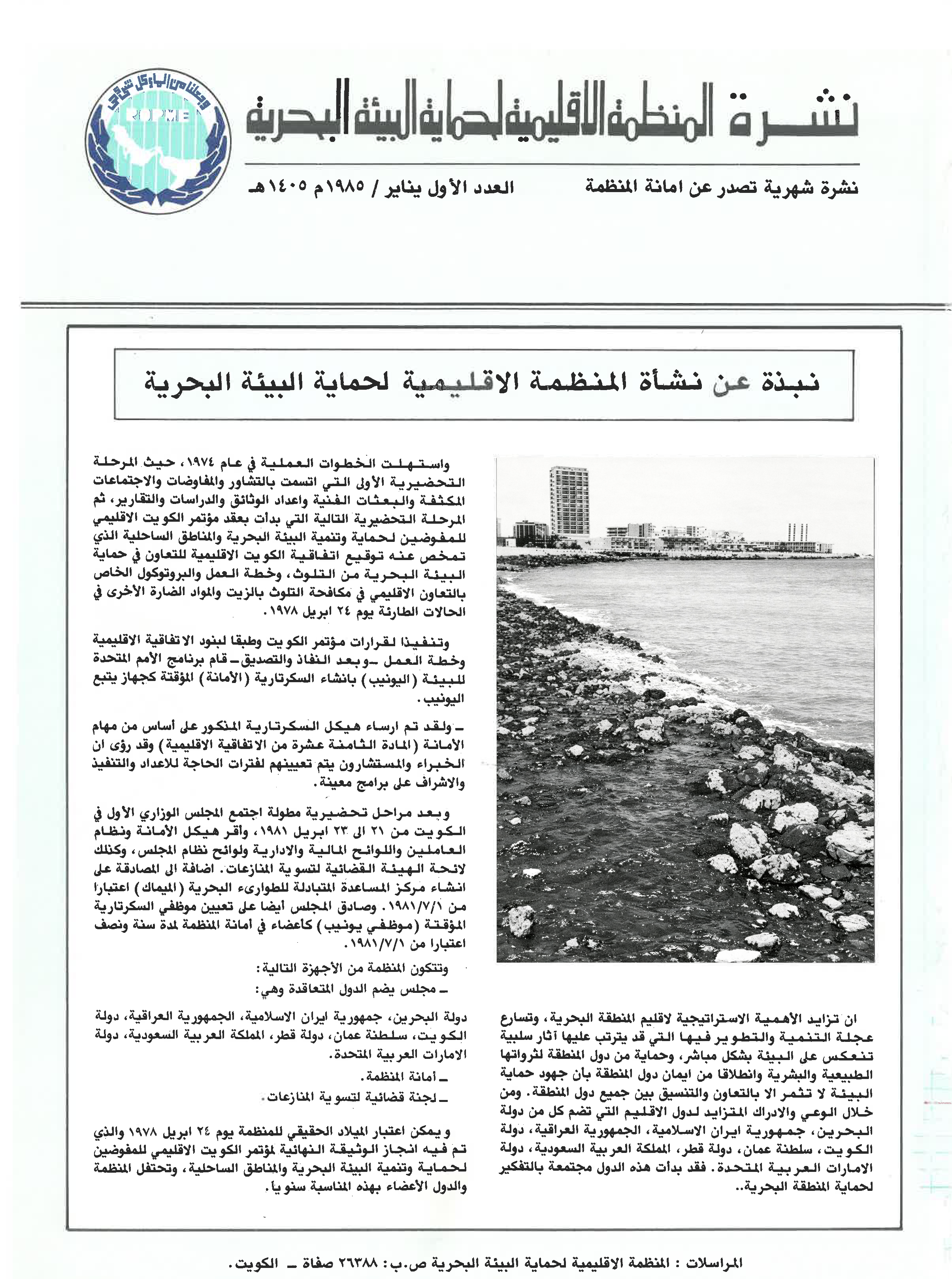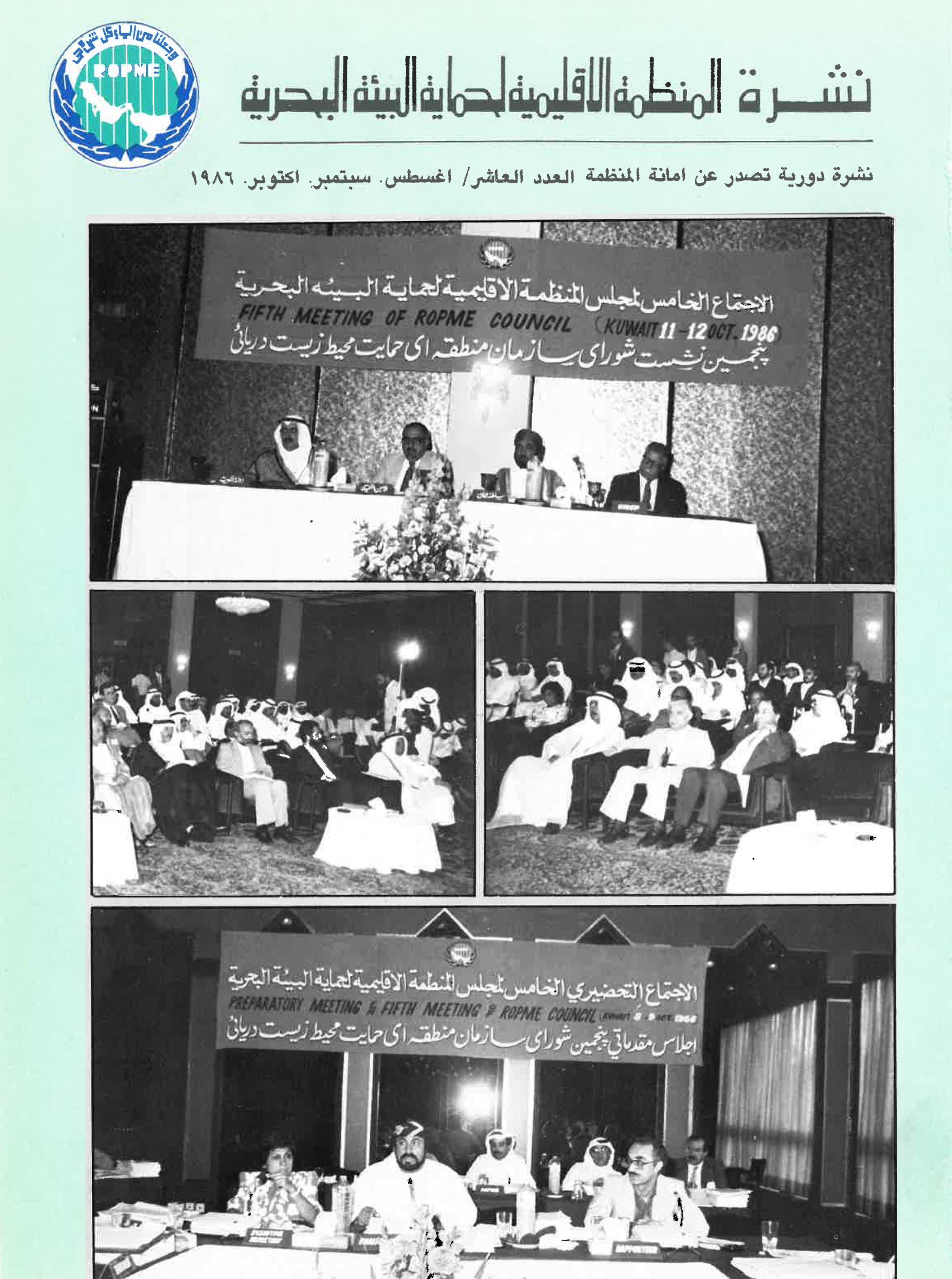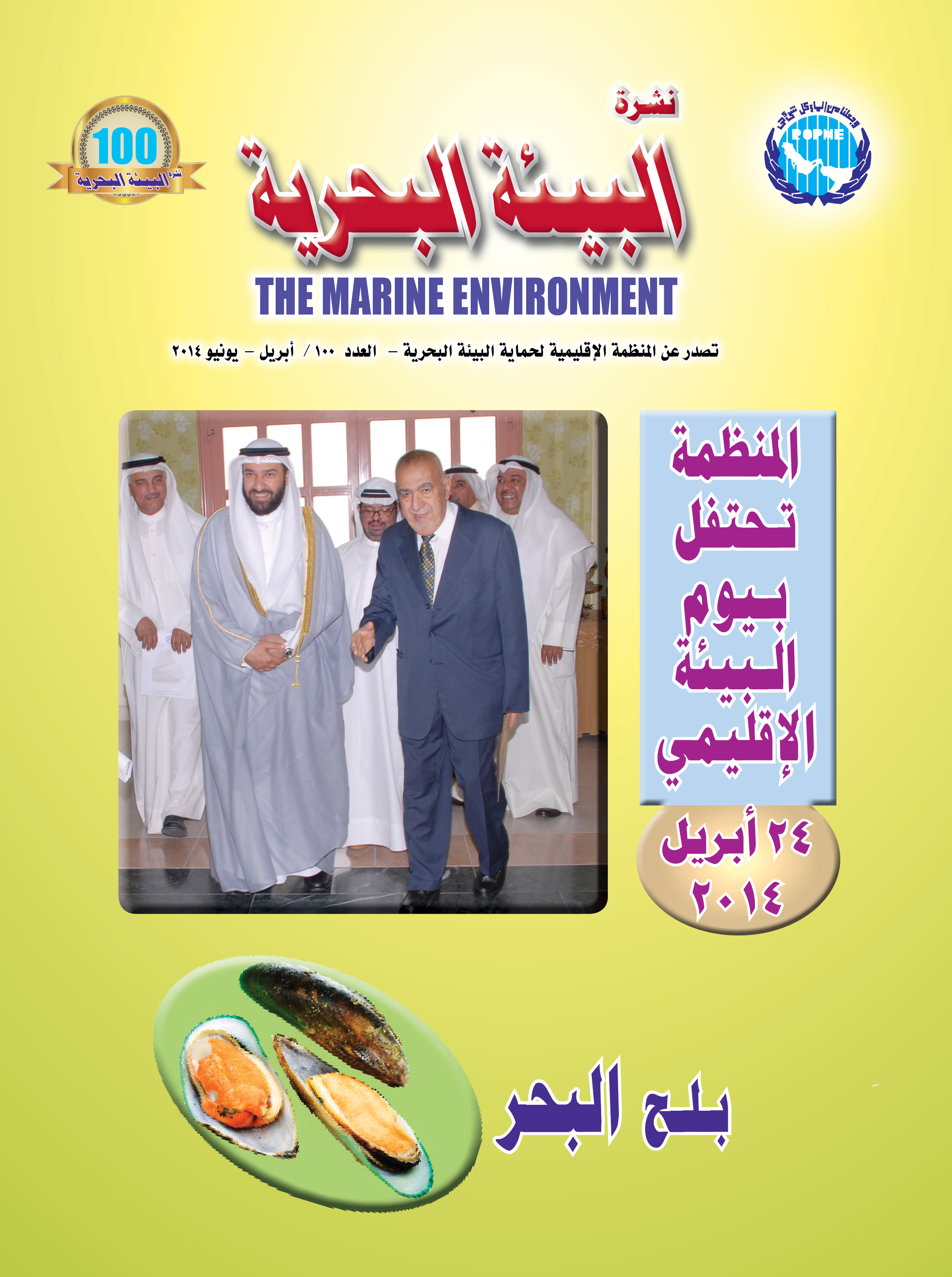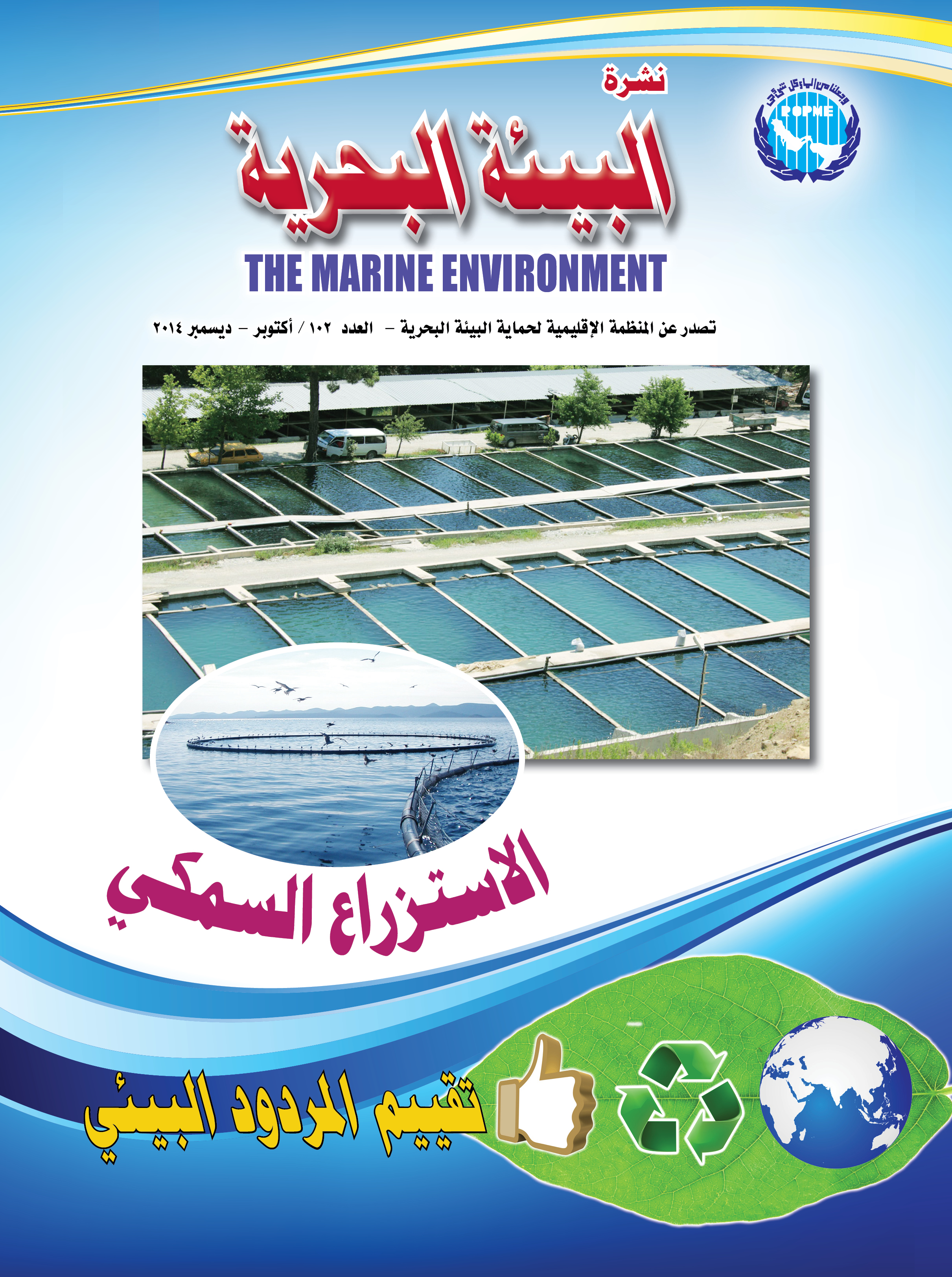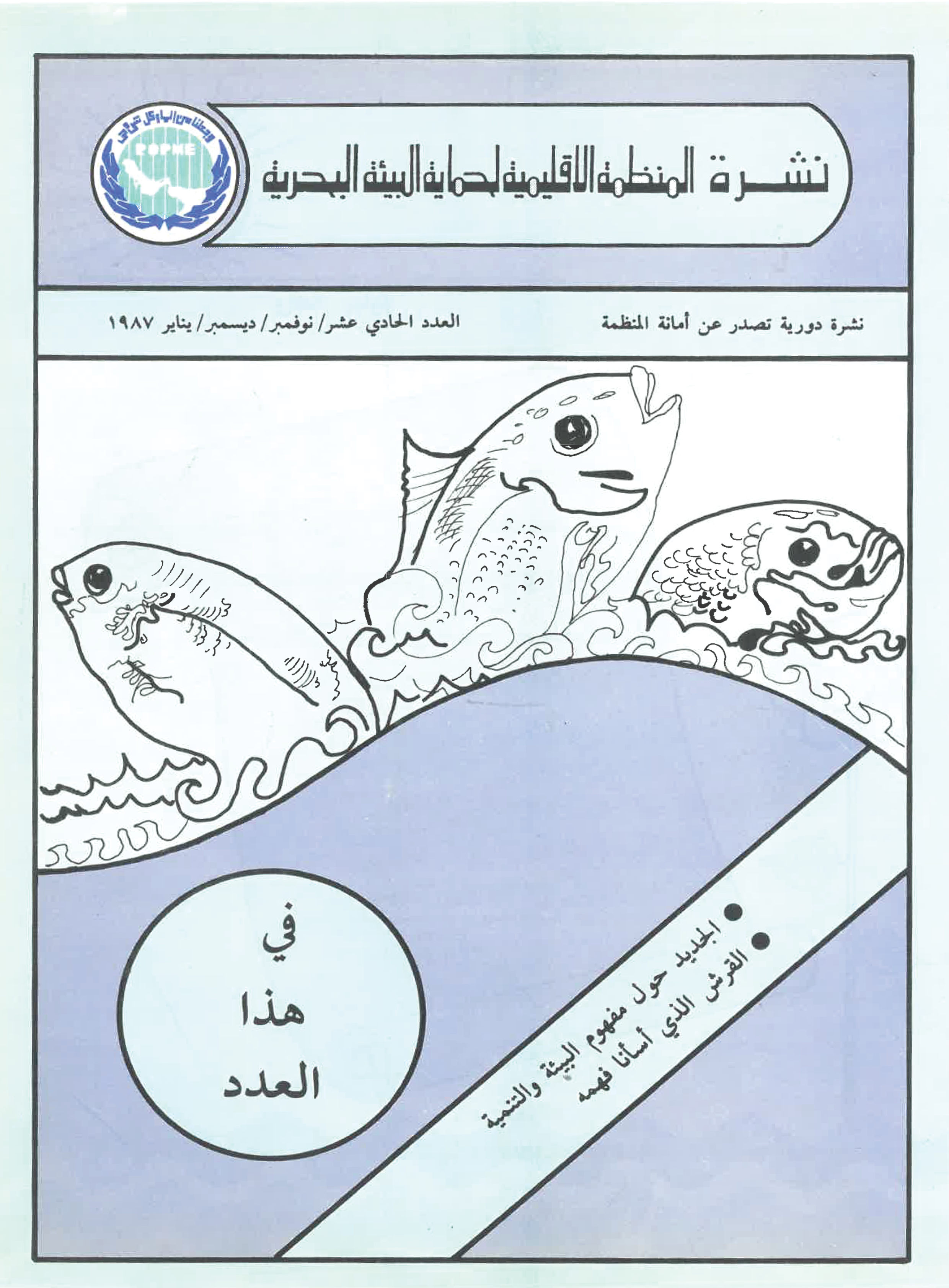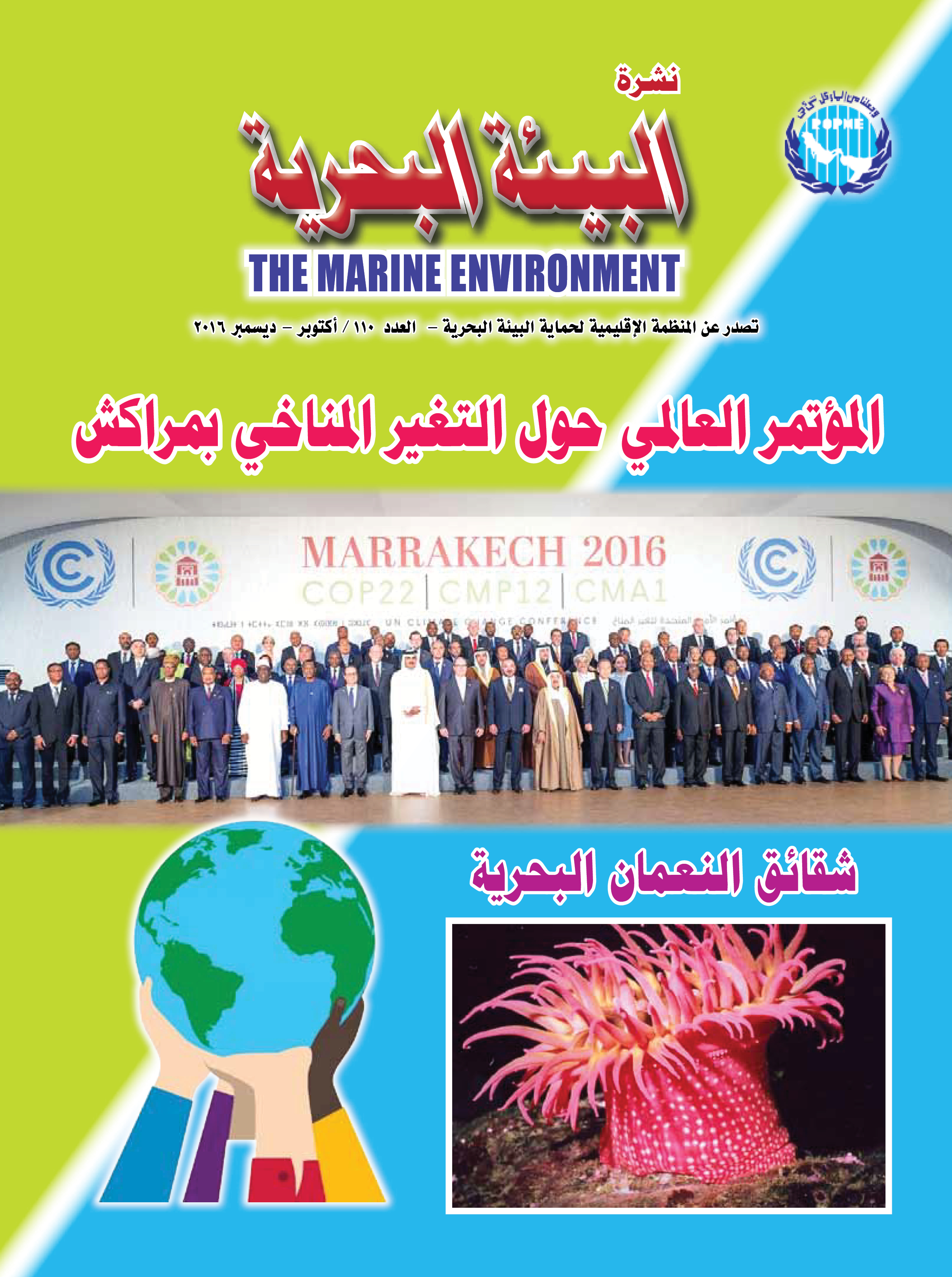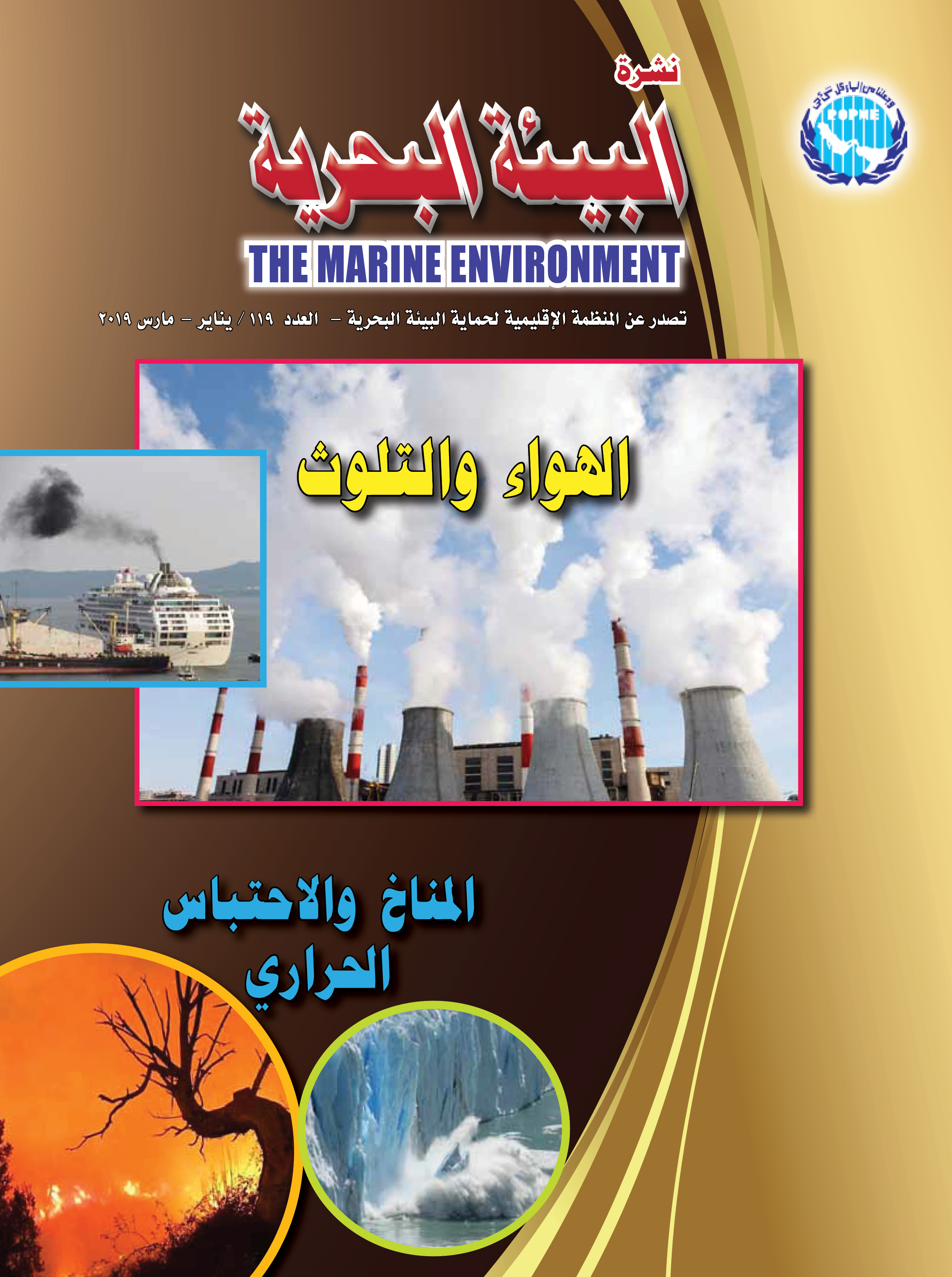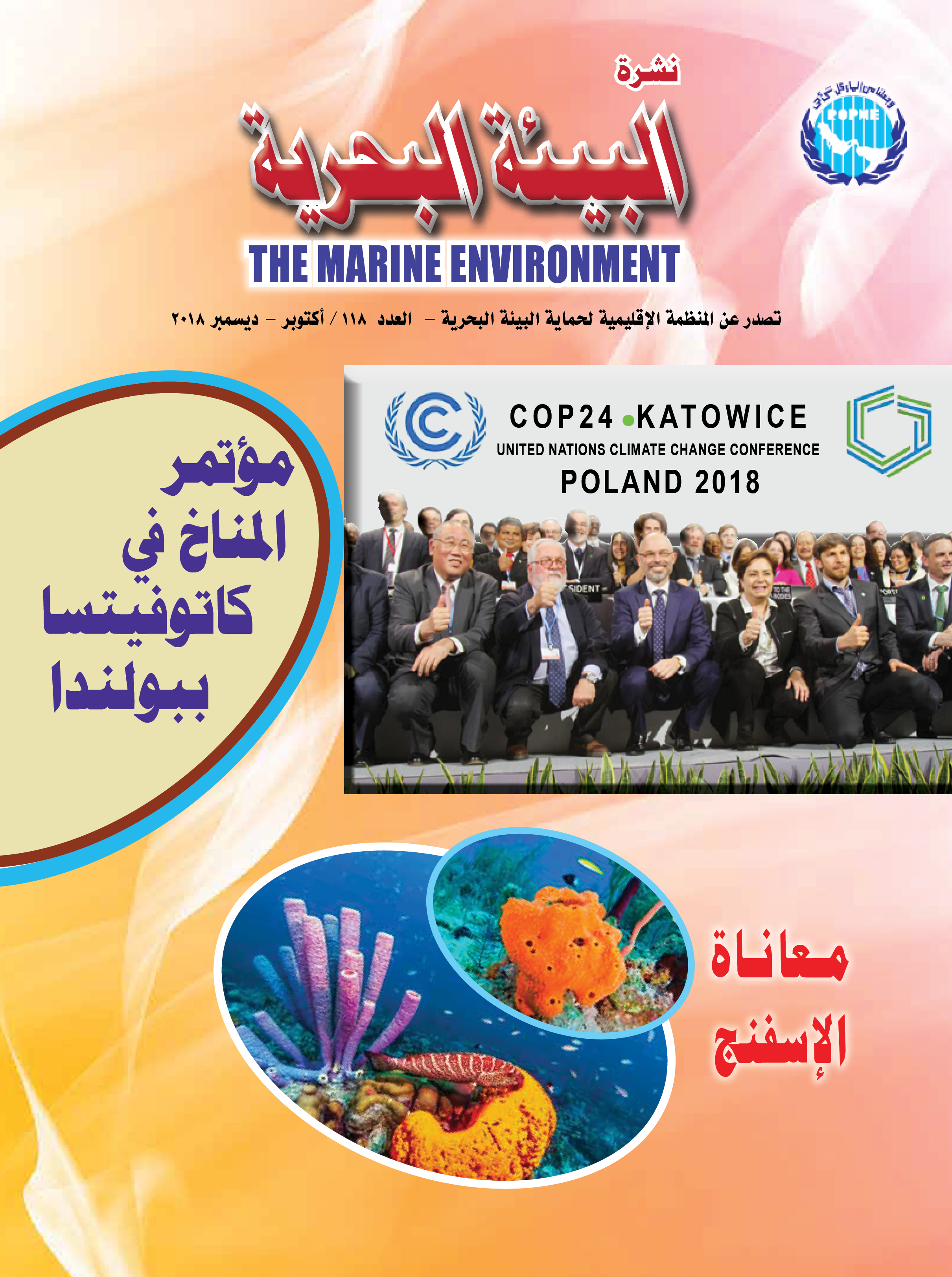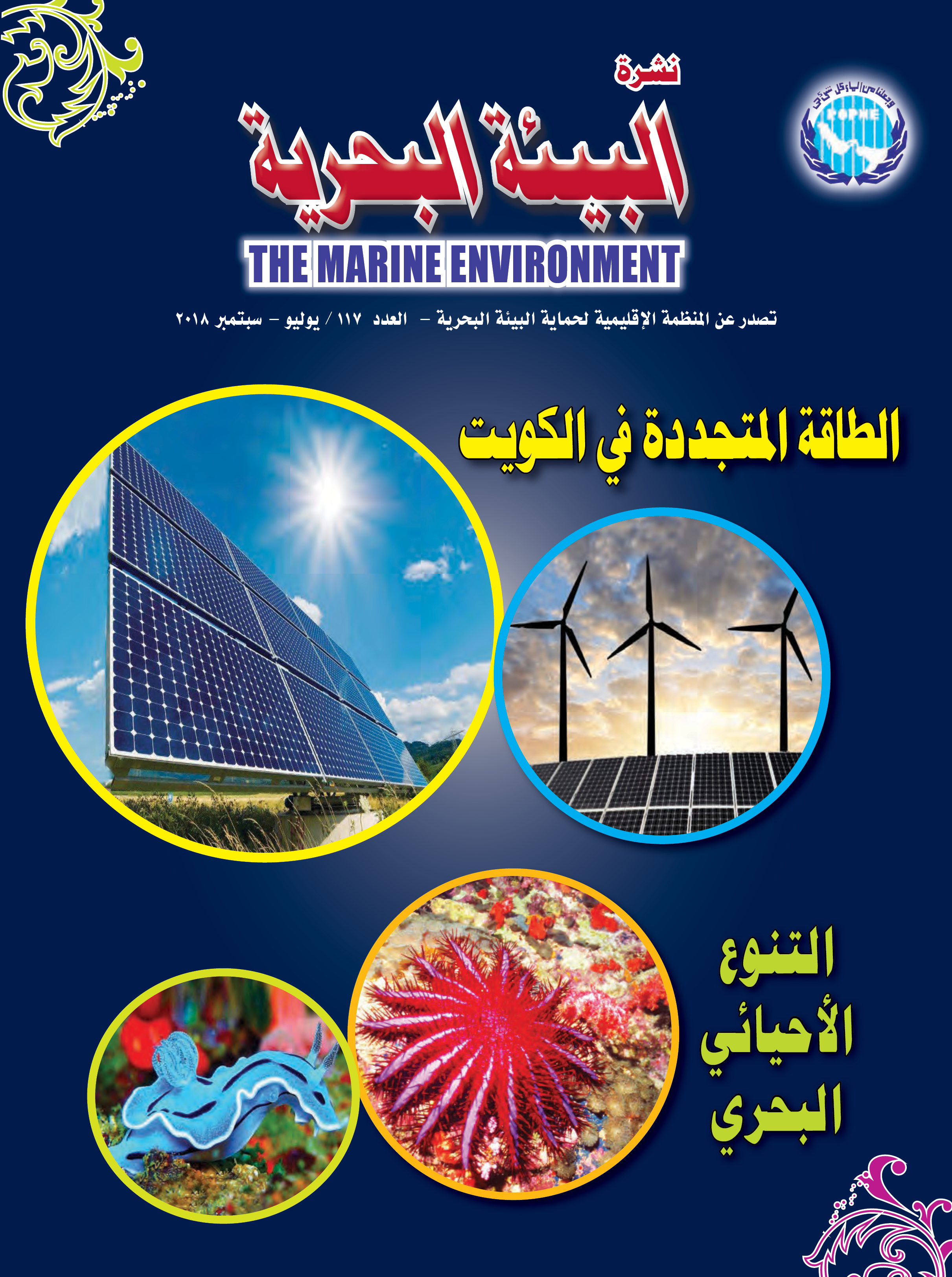


Bulletin of the Regional Organization for the Protection of the Marine Environment
A monthly newsletter published by the Secretariat of the Organization
Issue No. 1, January 1985 / 1405 AH
The growing strategic importance of the maritime region, the rapid pace of development and growth therein—which may have negative consequences that directly impact the environment—and the efforts of the region’s countries to protect their natural and human resources, based on their conviction that environmental protection efforts can only bear fruit through cooperation and coordination among all countries in the region. Through the growing awareness and understanding of the countries in the region—which include the Kingdom of Bahrain, the Islamic Republic of Iran, the Republic of Iraq, the State of Kuwait, the Sultanate of Oman, the State of Qatar, the Kingdom of Saudi Arabia, and the United Arab Emirates—these countries have collectively begun to consider measures to protect the maritime region.
Practical steps began in 1974 with the first preparatory phase, which was marked by consultations, negotiations, intensive meetings, technical missions, and the preparation of documents, studies, and reports, followed by the next preparatory phase, which began with the convening of the Kuwait Regional Conference of Commissioners for the Protection and Development of the Marine Environment and Coastal Areas, resulting in the signing of the Kuwait Regional Convention on Cooperation in the Protection of the Marine Environment from Pollution, the Action Plan, and the Protocol on Regional Cooperation in Combating Pollution by Oil and Other Harmful Substances in Emergency Situations on April 24, 1978.
In implementation of the decisions of the Kuwait Conference and in accordance with the provisions of the Regional Convention and the Action Plan—following their entry into force and ratification—the United Nations Environment Programme (UNEP) established the Interim Secretariat as a body under UNEP.
- The structure of the Secretariat was established based on the Secretariat’s functions (Article 18 of the Regional Agreement), and it was decided that experts and consultants would be appointed on an as-needed basis to prepare, implement, and oversee specific programs.
Following lengthy preparatory stages, the First Ministerial Council met in Kuwait from April 21 to 25, 1981, and approved the structure of the Secretariat, the staff regulations, the financial and administrative regulations, the Council’s rules of procedure, as well as the regulations of the Judicial Authority for the Settlement of Disputes. In addition, it approved the establishment of the Maritime Emergency Mutual Assistance Center (MEMAC) effective July 1, 1981. The Council also approved the appointment of the staff of the Provisional Secretariat (UNIP staff) as members of the Organization’s Secretariat for a period of one and a half years effective August 1, 1981.
The organization consists of the following bodies:
- A council comprising the contracting states, namely:
The State of Bahrain, the Islamic Republic of Iran, the Republic of Iraq, the State of Kuwait, the Sultanate of Oman, the State of Qatar, the Kingdom of Saudi Arabia, and the United Arab Emirates.
- Secretariat of the Organization
- Judicial Committee for Dispute Resolution
The organization’s true founding date is considered to be April 24, 1978, when the final document of the Kuwait Regional Conference of Commissioners for the Protection and Development of the Marine Environment and Coastal Areas was adopted; the organization and its member states celebrate this occasion annually.
The Organization’s Programs and Projects
Environmental Studies in the Marine Area of the Regional Organization for the Protection of the Marine Environment
Environmental studies have become an integral part of the organization’s programs, particularly following the member states’ adoption of the Kuwait Action Plan.
The Organization conducts two types of environmental research. The first is a preliminary study aimed at identifying the main environmental characteristics of the coastal environments of member states; this study is carried out in conjunction with the 18-month monitoring program.
The second type of study supported by the organization is a detailed survey of marine habitats. This study differs from the others in that it is not limited to the intertidal zone but extends beyond it into the areas of coral reefs and seagrass beds.
In 1983, two research studies were conducted, one in Bahrain and the other along the southern coast of Oman, in collaboration with UNEP and the International Union for Conservation of Nature (IUCN).
Marine biologists from the Tropical Marine Research Unit (TMRU) at the University of York in England spent more than a year traveling between Bahrain and Oman in search of samples, collecting a large number of them. The study of Bahrain revealed that the ecosystems in this region are extremely rich and diverse, but vulnerable to various activities, particularly coastal construction projects such as the bridge connecting Saudi Arabia and Bahrain.
On the other hand, Oman’s coastline is home to a wide variety of animal and plant life in both shallow and deep waters. Oman’s marine environment, particularly along the Dhofar coast, is influenced by the monsoon rains and the Somali Current, the latter of which carries the raw materials necessary for reproduction.
These unique conditions along the Omani coast have given rise to a rich and diverse flora and fauna in the coastal region.
There are many marine environments in the region that require further research, such as the marshlands of the Republic of Iraq, the mudflats of Khor Musa in the Islamic Republic of Iran, the Kuwait Bay area in the State of Kuwait, and the Salwa Bay area in the Kingdom of Saudi Arabia, the State of Qatar, and the State of Bahrain, the coastal sand dunes in the State of Qatar and the United Arab Emirates; the rocky shores in the Sultanate of Oman; and the mangrove ecosystems in the Islamic Republic of Iran and the Sultanate of Oman.
The organization is currently negotiating to launch the second phase of a marine environmental study in Bahrain. This study was proposed to predict potential environmental changes that may result from the construction of the bridge linking Saudi Arabia and Bahrain. Negotiations are also underway with the Sultanate of Oman to conduct a detailed environmental study in the Dhofar region.
Finally, the goal of biological studies is not only to identify environmental conditions and collect samples in the marine area, but also to assess future environmental changes resulting from pollution and coastal development plans.
Dr. Manaf Bahbani
Organization News
Joint Agreement between the Organization and the International Maritime Organization (IMO)
The Organization and the IMO exchanged views with a view to reaching a cooperation agreement that serves the objectives of both organizations, and a draft agreement has been approved, which it is hoped will be submitted to the governing bodies of both organizations for ratification.
GCC experts meet to assess environmental impacts
A meeting of GCC experts was held in Kuwait on October 8–9, 1984. The Organization was represented at this meeting by Mr. Abdul Latif Al-Zidan, Coordinator of Regional and International Relations, who presented a paper containing the Organization’s proposals to the meeting.
Conclusion of the Second Technical Legal Meeting
The Second Legal/Technical Meeting on the Protocol for the Protection of the Marine Environment from Land-Based Sources of Pollution was held in Kuwait in December 1984 under the auspices of the Regional Organization for the Protection of the Marine Environment.
Following extensive discussions among technical and legal experts, certain articles of the protocol were amended, and it was decided to refer them to the relevant bodies within the organization for submission to member states for review and comment. Furthermore, the technical annexes attached to the protocol regarding the monitoring of pollution levels in the region’s waters were unanimously approved, and serious steps were agreed upon to adopt standards and legislation aimed at reducing pollution from land-based sources.
The continuing incidents involving tankers
The Regional Organization for the Protection of the Marine Environment, through its Maritime Emergency Mutual Assistance Center (MEMAC) in Bahrain, is closely monitoring all details related to oil tanker accidents and the potential pollution they may cause in the maritime region. It is worth noting that MEMAC has comprehensive plans and preparations in place to respond to any emergency situations.
The organization signs a contract
Dr. Abdulrahman Al-Awadi – Acting Executive Secretary of the Organization – signed a contract with John Taylor Engineering Consultants in December 1984 to conduct the first phase of an in-depth study on sources of pollution (sewage) originating from populated coastal areas, in order to determine the amount of pollutants entering the region’s waters.
From Mimak
Mr. Irfan Zaki was recently appointed Deputy Director of the Maritime Emergency Mutual Assistance Center (MEMAC) for Research and Training. Mr. Irfan received his bachelor’s degree in chemistry from the University of Baghdad in 1954 and holds a diploma in petroleum products from the University of London. He has held several positions in Iraq’s oil institutions, including Head of the Oil Production and Oil Ports Department, Director General of the Oil Operations Department, Director General of the Iraqi Oil Tankers General Establishment, and expert at the Iraqi Ministry of Oil. He was seconded to work at the Regional Organization for the Protection of the Marine Environment as Deputy Director of the Maritime Emergency Mutual Assistance Center in Bahrain; he is an Iraqi national.
World News
Red Sea and Gulf of Aden Region
UNEP and the Arab Organization for Culture, Education, and Science are following up on the findings of the Red Sea and Gulf of Aden Regional Program. Preparations are still in full swing to develop a long-term plan for joint cooperation with UNEP through the Regional Seas Framework.
From the Caribbean
The United States was the first country in the Caribbean to ratify the document on environmental protection and development in September 1984. The document was known as the Cartagena Document. It also adopted the accompanying protocol on combating oil spills in the Caribbean.
From the East Asian maritime region
A training workshop was held in Manila for participants from the Secretariat of the Pacific Regional Environment Programme (SPREP) to discuss methodological issues related to the monitoring of heavy metal pollutants in the marine environment and to encourage joint studies among countries in the region to combat marine pollution
Organization News
Internal meetings
The Secretariat has begun a series of internal meetings under the supervision of Deputy Executive Secretary Dr. Badria Al-Awadi to review the Council’s decisions regarding the implementation of various activities and programs—and to prepare for the Secretariat’s meetings throughout 1985. It should be noted that April 24–25, 1985, has been set for the fourth meeting of the Organization’s Council, which will be preceded by a preparatory meeting held well in advance. In light of these meetings, the Secretariat has been working to prepare documents and reports highlighting the progress made in implementing activities and programs.
The organization’s most important meetings, seminars, and training courses in 1984:
- Course on Sampling and Analysis of Oil and Non-Oil Pollutants, Kuwait, February 12–22, 1984.
- Technical-Legal Meeting on the Protocol Concerning the Protection of the Marine Environment from Land-Based Sources of Pollution. Bahrain, February 13–17, 1984.
- Third Meeting of the Working Group on Basic Studies of Oil and Non-Oil Components and Oil Oceanography, April 18–19, 1984.
- Preparatory Meeting for the Organization’s Council Meeting, Kuwait, April 21–22, 1984.
- Third Meeting of the Organization’s Council – Kuwait, April 24–25, 1984.
- Meeting of the Executive Committee of the Council of the Organization, April 24, 1984.
- Second Meeting of Experts on Reception Centers, Bahrain, October 15–17, 1984.
- Second Special Course on Sampling and Analysis of Petroleum and Non-Petroleum Contaminants, Kuwait, December 8–20, 1984.
- Workshop on Rapid Inventory Methods and Pollutant Assessment, Kuwait, December 15–19, 1984.
- Legal/Technical Meeting on the Protocol Concerning the Protection of the Marine Environment from Land-Based Sources of Pollution, Kuwait, December 22–23, 1984.
New members of the organization
Dr. Badria Abdullah Al-Awadi / Deputy Executive Secretary of the Organization:
Dr. Badria Abdullah Al-Awadi—a Kuwaiti national—received her undergraduate education at Cairo University and went on to earn a Ph.D. in international environmental law from the University of London in 1975.
She rose through the ranks at Kuwait University, starting as a lecturer in international law from 1975 to 1977 and later serving as dean of the College of Law and Sharia from 1979 to 1982; she currently serves as executive secretary-general of the Kuwaiti Society for the Protection of the Environment.
Her publications include the book *Public Law in Times of Peace and War and Its Application in the State of Kuwait*, and her most recent work, *The Gulf Cooperation Council States and International Cooperation*.
She is a member of more than 13 local and international associations and federations, most notably the International Council on Environmental Law (Bonn), the International Commission of Jurists (Geneva), and the Committee of Legal Experts on the Application of International Labor Conventions (Geneva).
Mr. Talib Kazem Al-Zubaidi, Director of the Organization’s Financial and Administrative Affairs Department:
He holds a diploma (with honors) in Administrative Management from Italy (1975) and a Bachelor of Laws from the College of Law and Political Science at the University of Baghdad (1969).
Prior to joining the organization in October 1984, Mr. Al-Zubaidi served as Deputy Director General for Financial and Administrative Affairs at the State Oil Projects Corporation in Iraq. Prior to assuming that position, he had served as Director of Internal and Administrative Affairs, and before that, upon joining the Corporation in 1972, he worked as Director of Administrative Development and Workforce Planning and Director of Information and Public Relations. Prior to that, Mr. Al-Zubaidi held several financial and administrative positions at the Ministry of Social Affairs and Labor (Director of Media and Public Relations, Accountant, and Financial Controller) from 1960 to 1972.
Dr. Badr Al-Bassam of Saudi Arabia is expected to assume the position of Director of Program Management, and Dr. Rahmatullah Manchi Zadeh of the Islamic Republic of Iran is expected to assume the position of Director of Environmental Awareness at the organization.
Executive Secretary Honors Graduates of the Organization’s Two Sessions
On December 19, 1984, Dr. Abdulrahman Al-Awadi—Acting Executive Secretary of the Regional Organization for the Protection of the Marine Environment—presented certificates to the graduates of the second training course on the collection and analysis of oil and non-oil pollutants, and the course on rapid assessment of pollutant inventories and evaluation.
Fifteen laboratory technicians from seven member states participating in the implementation of monitoring and research programs in the Kuwait Action Plan region took part in the course on oil and non-oil pollutants, which was held in collaboration with the Kuwait Institute for Scientific Research. The course was supervised by Dr. Manaf Bahbahani, a marine science expert at the Organization.
The four-day course on rapid inventory and assessment of pollutants, which aimed to evaluate pollutants generated by various industries in the region and to teach participants how to use newly developed mathematical models, was attended by nine engineers from five member states and was supervised by Dr. Laith Al-Qassab, an environmental engineering expert at the organization.
A new optical sensor for exploring the marine environment
As part of the numerous studies scientists are conducting to understand the submerged plant environment at great depths—where fish populations are concentrated— Experts have developed a light sensor and launched it into outer space via a satellite. The sensor recorded specific light waves absorbed by the chlorophyll in plants, and these waves indicated areas with higher concentrations of fish stocks and areas with lower concentrations, which will benefit those involved in the development of this industry.
Organization Studies:
- The Republic of Iraq, the United Arab Emirates, the Sultanate of Oman, and the State of Kuwait have expressed their willingness to participate in the Organization’s project to conduct a study to determine mercury levels in the fish most commonly consumed by the region’s residents and mercury deposits in the marine area near sources of mercury pollution. The study is expected to take no more than six months.
- The Kuwait Institute for Scientific Research and the Marine Science Center at the University of Basra have submitted a proposal to the Organization to conduct a detailed study on the phenomenon of falling dust, the areas of the marine region it covers, and the effectiveness of the falling dust in removing oil from the sea surface. The Organization has expressed its opinion on the proposal and hopes that a final proposal for implementing this project will be prepared in the near future.
Joint collaboration with UNEP:
The Acting Executive Secretary approved the budget proposed by the United Nations Environment Programme (UNEP) for the organization’s projects and activities that UNEP is scheduled to help implement through the end of 1985.
This followed extensive discussions between the organization and Dr. Danny Al-Dar, the UNEP representative, in October 1984, as well as subsequent correspondence regarding joint cooperation.
Bacteria for treating oil stains
Soviet scientists have successfully engineered a new strain of bacteria that consumes the oil polluting the land. This bacteria is expected to eliminate oil spills in Siberia, as it consumes oil 100 times faster than other strains in temperatures as low as minus 50 degrees Celsius. (Al-Arabi Magazine)
Visits by the Organization
A delegation from Qatar University, comprising the Dean of the College of Science, Prof. Fathi Saud, and Prof. Saad Al-Wakil, a professor of marine sciences at the university, and Dr. Ibrahim Al-Naimi from the Department of Chemistry, with the aim of getting acquainted and discussing joint programs between Qatar University and the Organization. The most important of these programs are the training course that the Organization will hold on natural marine factors, and the 18-month monitoring program, in which Qatar University is participating alongside other relevant Qatari entities.
Meanwhile, a scientific delegation from Qatar University visited Kuwait in November 1984 aboard the university’s research vessel (Marine Laboratory), as part of their tour of the region to collect biological samples and gather information on chemical and physical characteristics, The delegation was led by Prof. Mohammed Hassan, Head of the Department of Marine Sciences.
A meeting was held in Kuwait on December 23, 1984, between Dr. Abdul-Haq Sharif al-Tawil, the National Representative of the Republic of Iraq, and Dr. Manaf Bahbahani, the Organization’s marine expert.
The meeting discussed the organization’s various ongoing and planned programs in the Republic of Iraq. The most important of these programs is the launch of the second phase of the 18-month monitoring program, the first phase of which was previously completed by the Marine Science Center at the University of Basra. The meeting also addressed the project on mercury levels in fish in the region’s marine waters, as well as several other programs.
Dr. Hassan Mohammadi, an environmental expert with the Ministry of the Environment of the Islamic Republic of Iran, visited the Organization following his attendance at the second legal/technical meeting on the draft protocol for the protection of the marine area from pollution from land-based sources, which was held recently in Kuwait.
Dr. Mohamadi met with officials from the organization, and they discussed the monitoring program, the mercury project, and the Regional Information Bank program.
Dutch coastal engineering expert Dr. IR. J. Staans—a researcher at the Delft Laboratory in the Netherlands—paid a working visit to the Organization on January 12, 1985, to discuss technical and scientific matters of mutual interest. Mr. Abdul Latif Al-Zidan, Coordinator of Regional and International Relations, prepared a working paper on the Organization’s activities in this field.
Greek environmental expert Alexander Economopoulos visited the organization in December 1984, where he participated in the session on the rapid inventory and assessment of pollutants and also contributed to the discussions at the second legal/technical meeting on the draft protocol for the protection of the marine area from pollution from land-based sources.
Dr. Ikonopoulos—a Canadian of Greek descent—received his Ph.D. in Chemical Engineering in 1973 from the University of Calgary in Canada. He has extensive experience in industrial evaluation methods and has received several awards, most notably the Merit Award from the University of Calgary in April 1970.
At the organization’s library
The following books, brochures, and reports have recently arrived at the organization’s library:
- Environmental Management in Developing Countries – Volumes I and II, 1984. Center for Environmental and Technological Research Development – Istanbul – Turkey.
- Information Report on the Oil Spill: Volume 7, Issue 45, November 16, 1984.
- Risks of Transporting Hazardous Materials: Volume 7, No. 22, November 19, 1984.
- Oil and Petrochemical Pollution: Volume 2, Issue 1.
- The Environment: Volume 26, Issue 7, September 1984.
- Regional Seas: A publication issued by UNEP.
- Pollution Today: Volume 12, No. 10, dated October 10, 1984 – A publication of the Population Reference Bureau – Peru.
The Story Behind the Organization’s Logo
One might think that the organization’s logo represents it in some vague way—but the truth is that this logo is the result of an in-depth study conducted by experts
Maritime Zone
The map shows the boundaries of the maritime zone as defined in Article 2 of the 1978 Kuwait Agreement. The light blue color also reflects the region’s countries’ concern for the marine environment.
The Eight Rectangles
The eight vertical rectangles represent the number of States Parties to the Convention, which are: the State of Bahrain; the Islamic Republic of Iran; the Republic of Iraq; the State of Kuwait; the Sultanate of Oman; the State of Qatar; the Kingdom of Saudi Arabia; and the United Arab Emirates.
The Eight Hands
The eight hands (the “Eight Hands” design) also symbolize the cooperation and unity of the eight nations in their efforts to protect and carefully preserve the marine environment for the benefit of the region they surround.
ROPME drawing
The acronym ROPME (ROPME logo) appears at the top of the marine zone, serving as a concise representation of the Regional Organization for the Protection of the Marine Environment. The logo also prominently features the verse from the Holy Quran, “And We have made from water every living thing,” emphasizing that life is connected to water and is created from it by the power of the Almighty Creator.
Thus, it becomes clear to us that the organization’s logo has a well-defined history, as mentioned earlier.