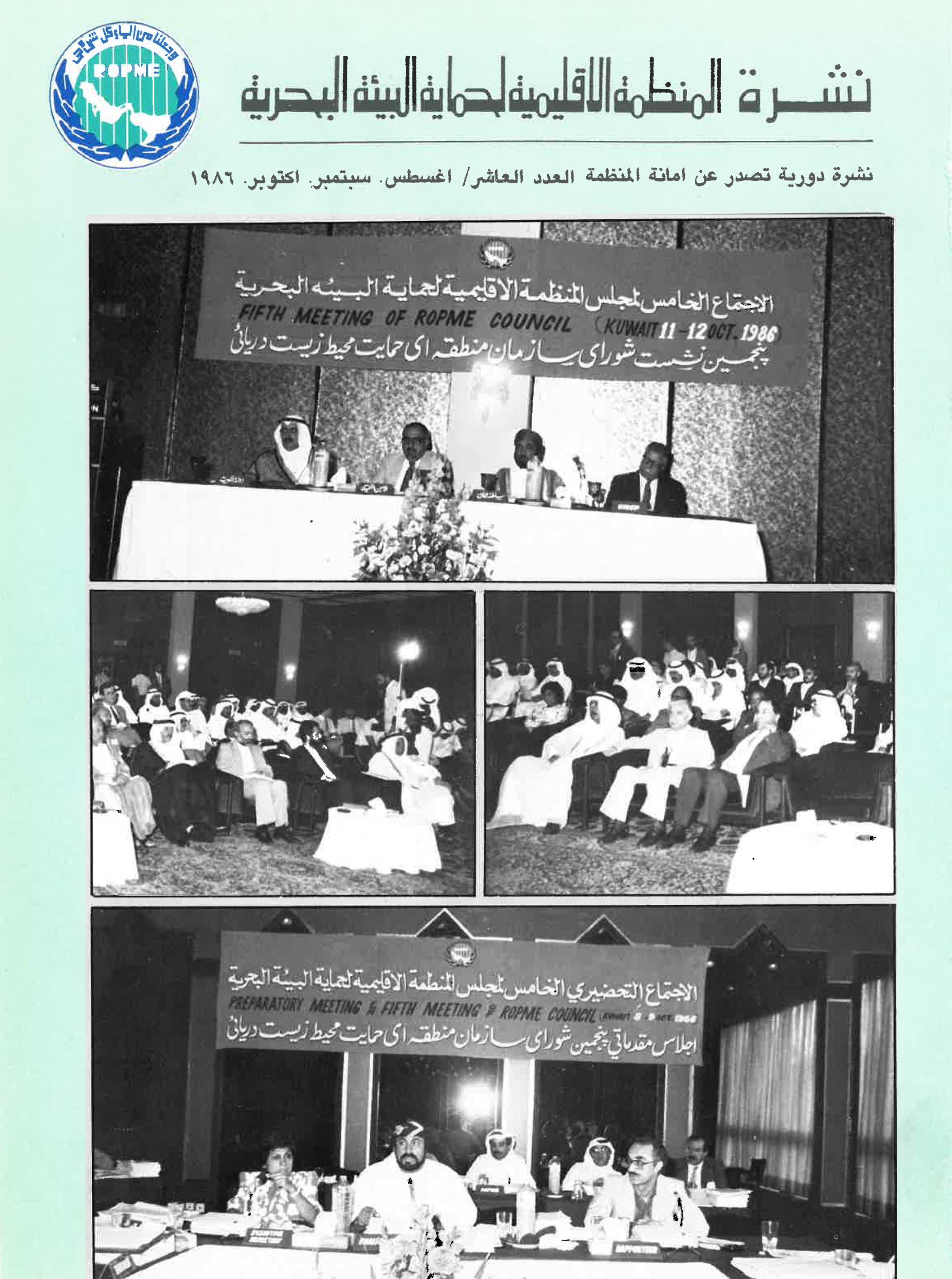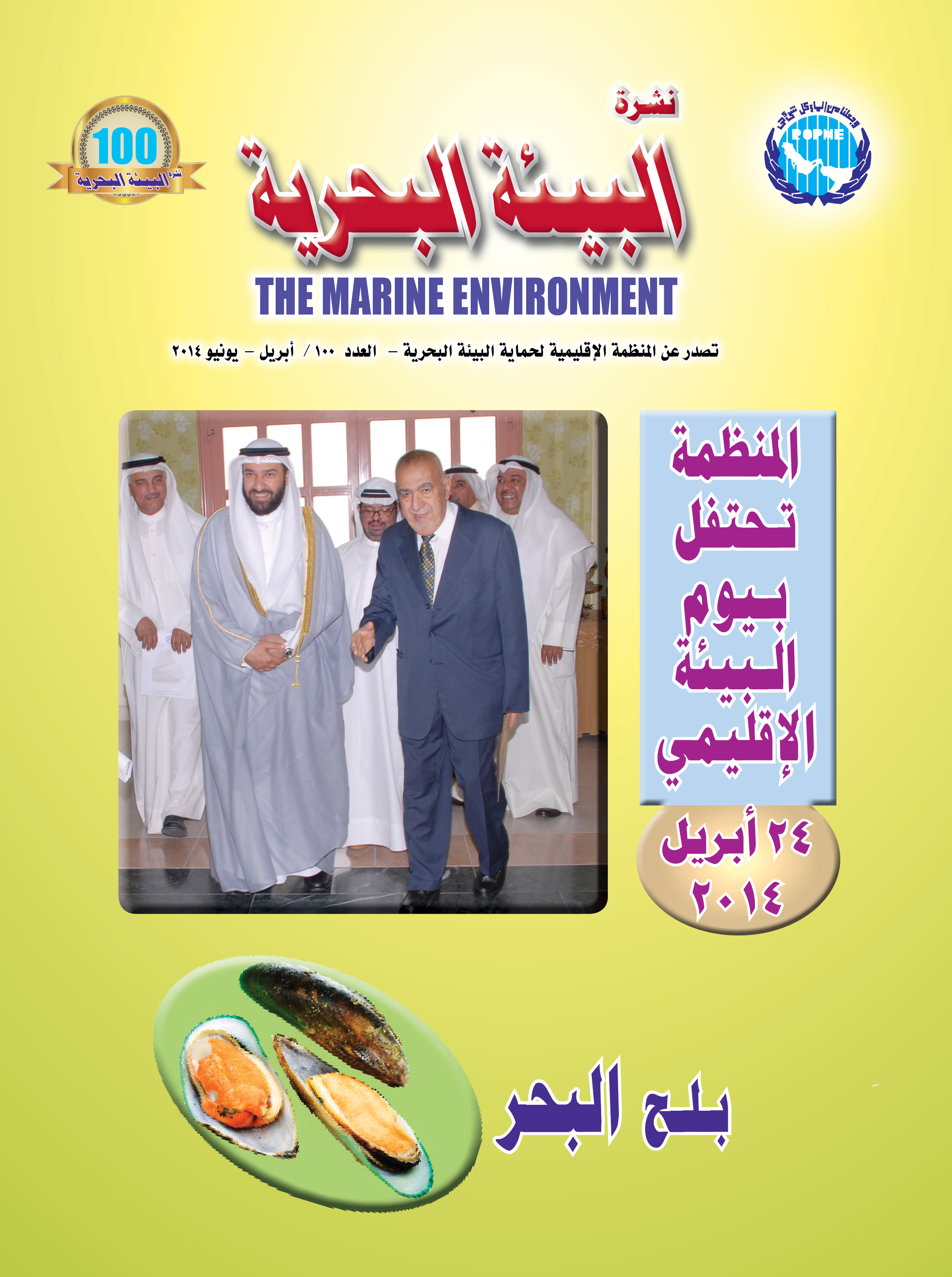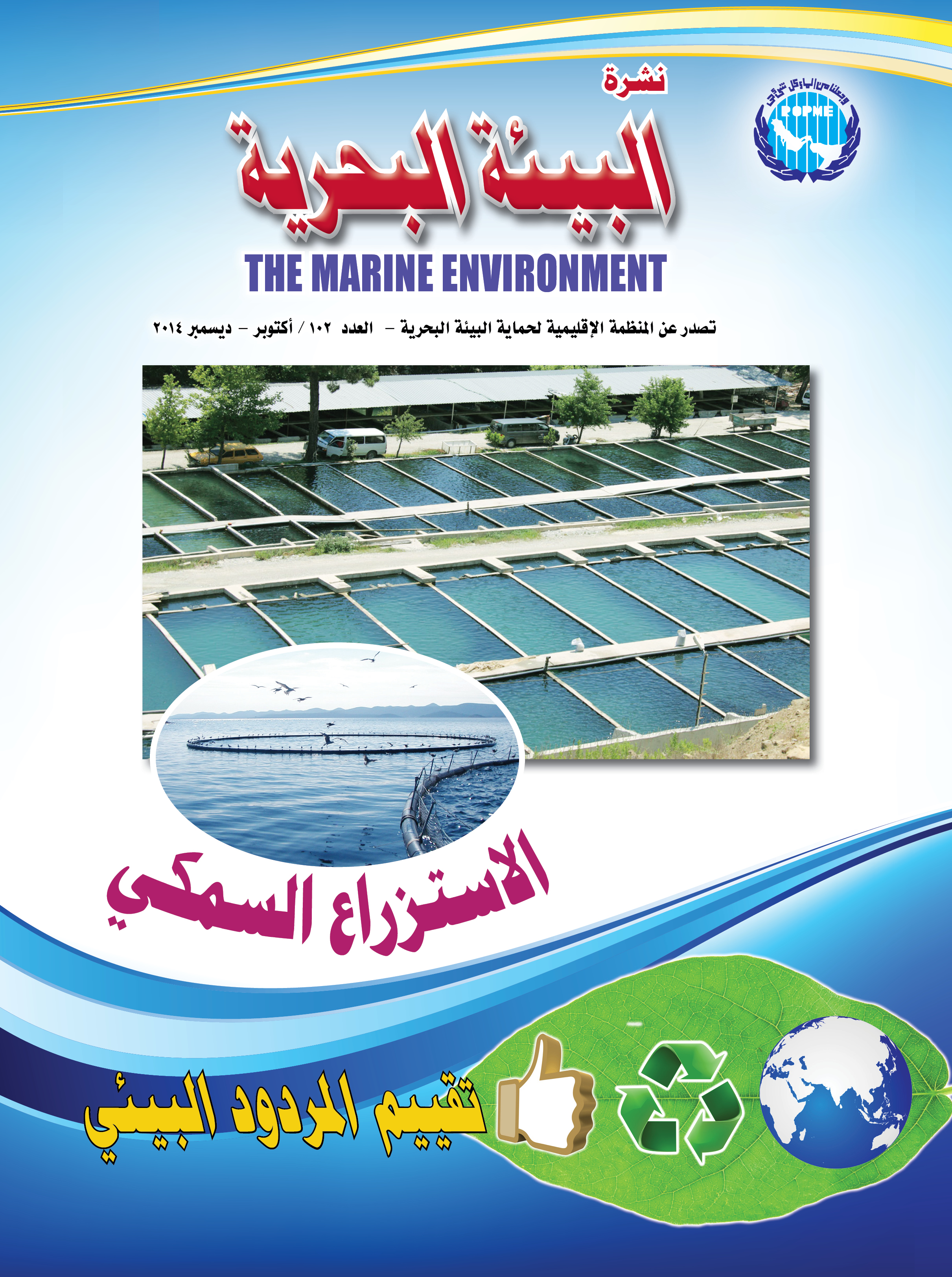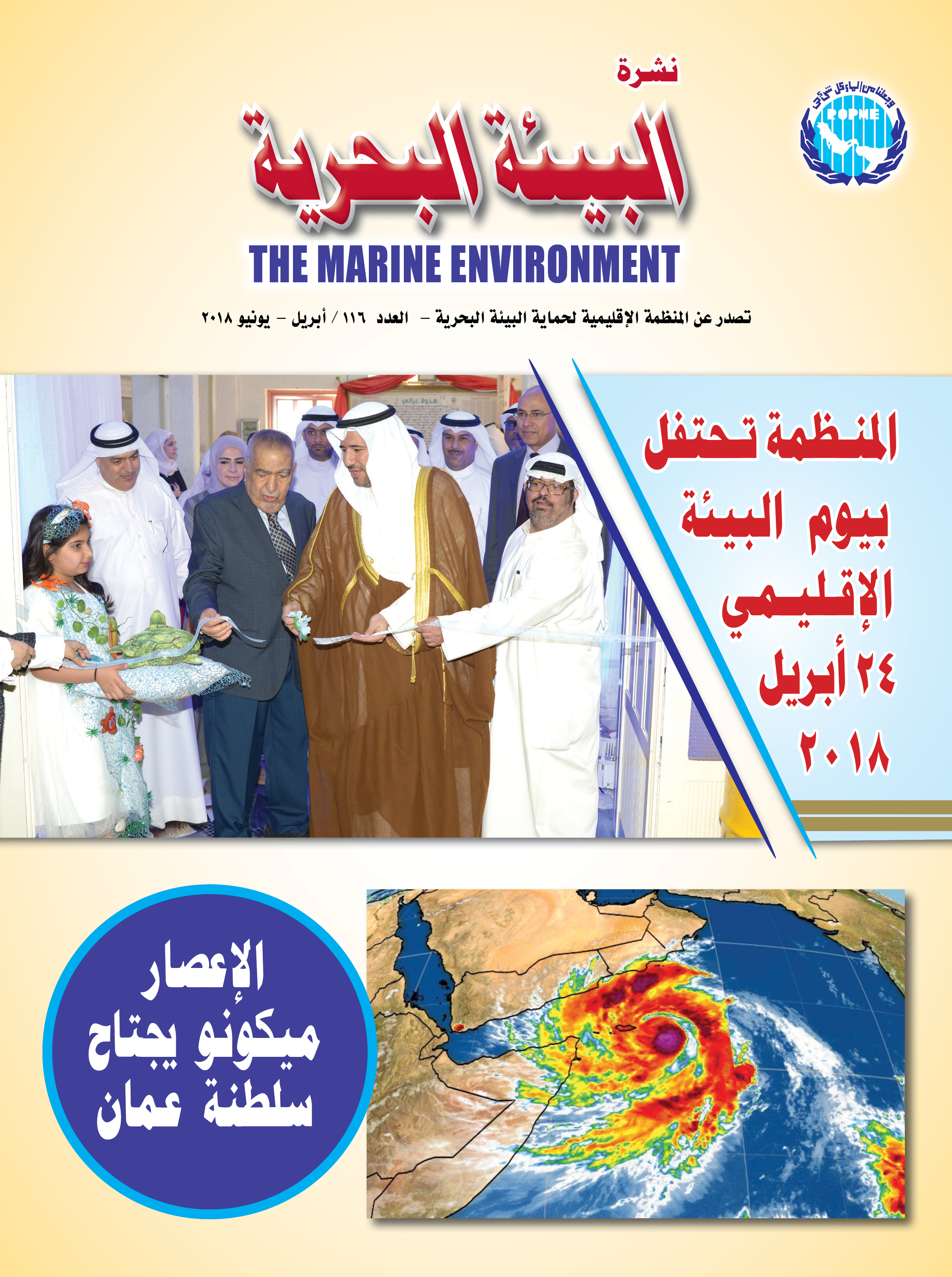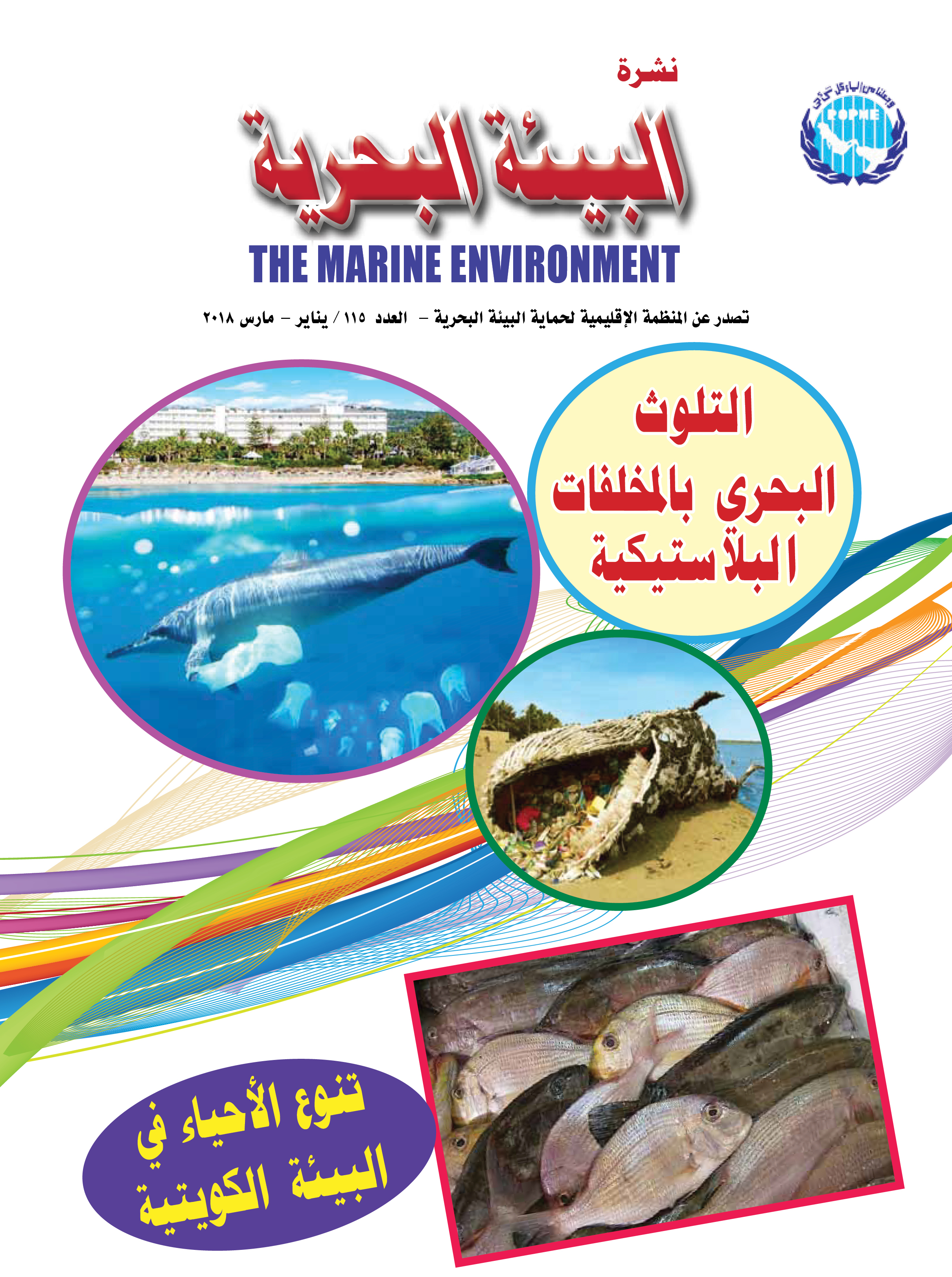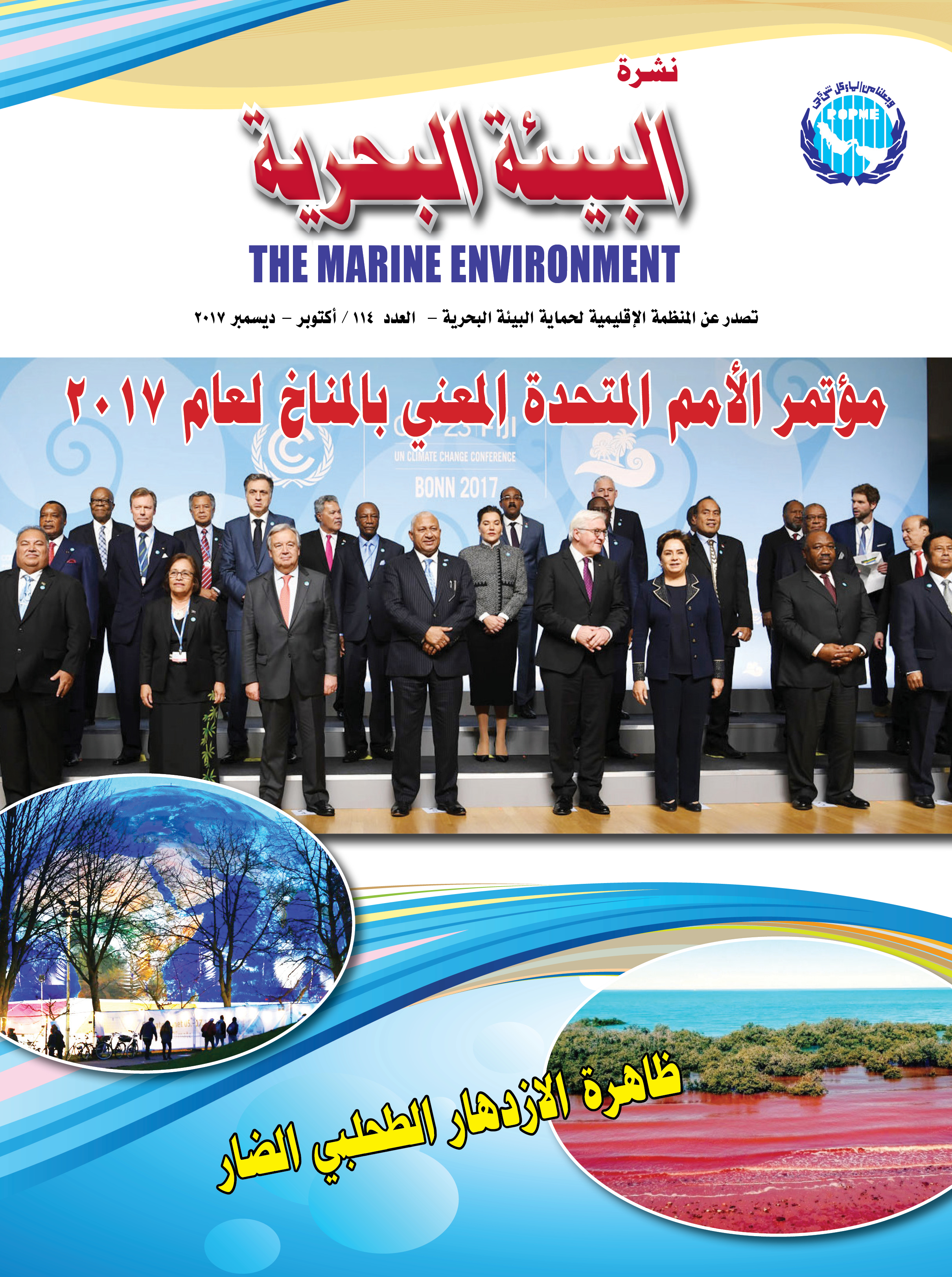


Marine Environment Bulletin, Issue 14 (August/September/October 1987)
Editor’s Note
In the name of God, the Most Gracious, the Most Merciful
Environmental Information and Its Role in Environmental Awareness
Amid the global focus on the environment, accurate environmental information—whether in the form of written text, evocative images, well-researched statistics, or illustrative diagrams—remains, individually or collectively, a cornerstone of environmental awareness.
Many environmentalists and educators see an urgent need to provide the most effective methods and media for conveying this information to all people, regardless of their background or location, This is because the effective communication of environmental information through appropriate media results in environmental awareness that translates into positive activities and purposeful practices aimed not only at preserving the environment and preventing its degradation, but also at its development and enhancement. This can be achieved through a dynamic, organic interaction of three key factors:
- Scientific knowledge.
- Self-realism.
- Positive trends and tendencies.
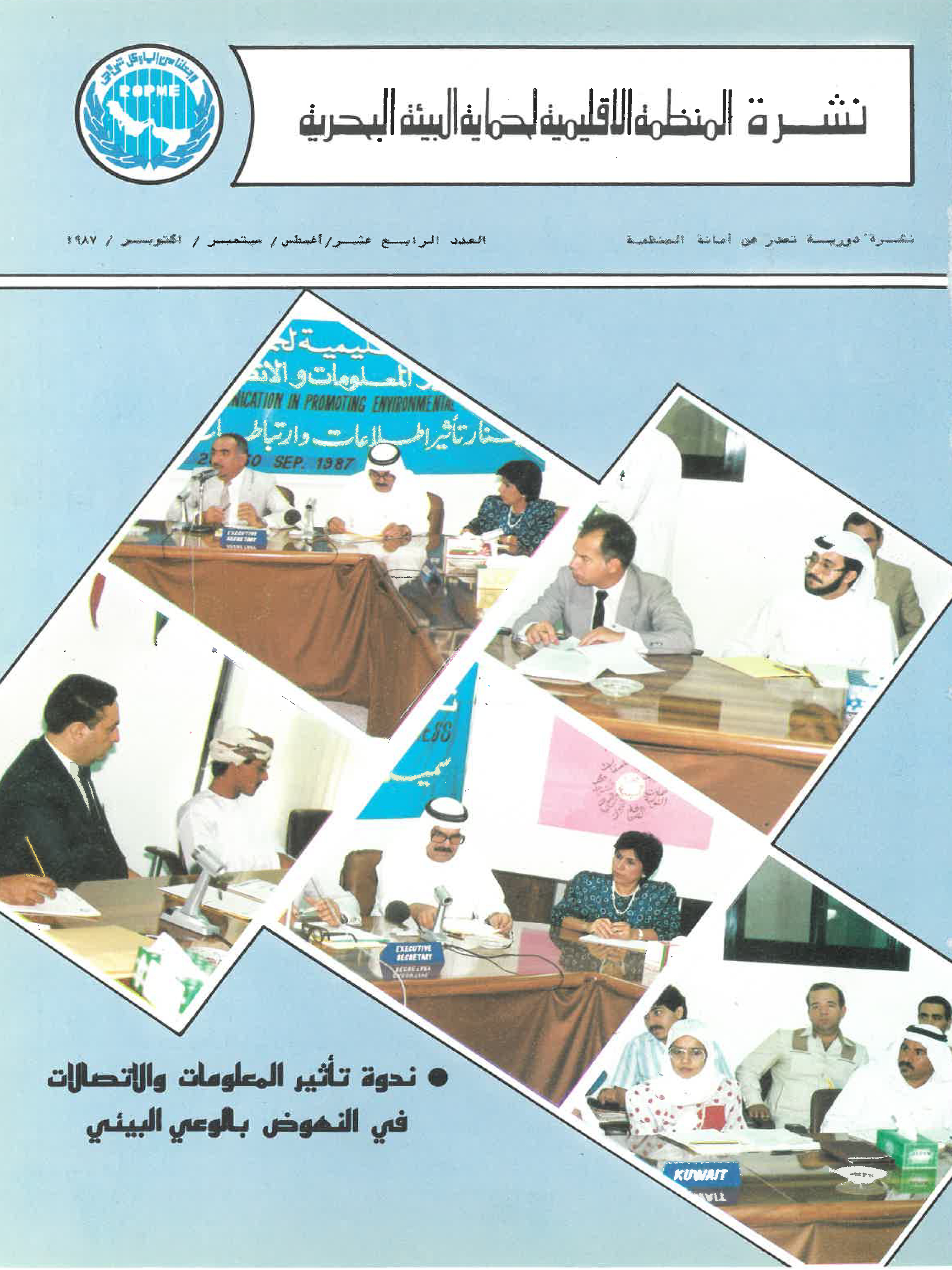
This became clear during the working sessions of the symposium on “The Impact of Information and Communications” in Promoting Environmental Awareness—which was organized by the Regional Organization for the Protection of the Marine Environment last September and resulted in targeted recommendations characterized by comprehensiveness, clarity, and realism, emphasizing the role of environmental information in promoting environmental awareness at all levels.
Editorial Board
Ecological area
(At the opening of the symposium on the role of information in promoting environmental awareness)
Dr. Al-Awadi announces:
Environmental awareness has emerged as a necessity for protecting the environment from pollution
Protecting and promoting the environment requires a strategy with a solid foundation
There is no doubt that the spread and expansion of environmental awareness among the general public—a goal toward which we are all working —depends first and foremost on the effectiveness of the chosen environmental awareness tools used to address these citizens. These tools must be tailored in form and content to the nature, culture, and awareness of the audience we seek to enlighten, guide, and educate. It was therefore natural for the methods and media of environmental awareness to vary and diversify in order to achieve the desired result.
To achieve this ambitious goal, the Regional Organization for the Protection of the Marine Environment held a symposium in September—under the patronage of Dr. Abdulrahman Abdullah Al-Awfi, Minister of Public Health and Executive Secretary of the Organization—on the impact of information and communication technologies on promoting environmental awareness. The event took place from September 20 to 28 at the organization’s headquarters, where experts from international bodies specializing in environmental awareness joined forces with environmental awareness officials from the organization’s member states to identify the best methods and media for fostering greater environmental awareness among citizens of the region’s countries, with the aim of preserving the environment in both the short and long term.
Seminar Topics
The Importance of Environmental Awareness in Contemporary Societies
The concept of environmental education and awareness has emerged in contemporary societies as a result of a sense of the urgent need to protect the environment. It is widely believed that protecting the environment is not the sole responsibility of the state or environmental organizations… but also the responsibility of the broad public, especially given the rise in environmental awareness following the pollution that has afflicted the environment as a result of increased industrial development and the establishment of various industrial projects, which ultimately aim to achieve prosperity for citizens in many societies. Environmental protection organizations typically use the media and mass communication channels to conduct regular and periodic campaigns to raise public awareness of environmental issues at the national, regional, and global levels.
Seminar Topics
Three main topics were raised for discussion at the seminar:
- The Comprehensive Nature of Environmental Awareness in Kuwait's Action Plan
- Developing environmental awareness programs
- Member States' Reports on Environmental Awareness.
Participants in the seminar discussed the development of environmental awareness programs at the institutional level, the need for planning and coordination, the production and distribution of informational materials, and the training of personnel working in the field of environmental awareness. They also assessed the effectiveness of environmental awareness programs and shared their countries’ experiences.
A Study of Citizens’ Attitudes Toward the Environment
The seminar participants discussed how to evaluate – environmental awareness, including effective means to initiate sustainable planning in the field of marine environmental awareness, as well as identifying methods to assess the level of information and prevailing attitudes among various segments of the population in the region’s countries as a starting point for sustainable planning in the field of marine environmental awareness, as well as identifying methods to advance environmental awareness among the population in various areas.
Recommendations
The symposium participants emphasized the need to incorporate scientific and technical measures into the proposed environmental awareness system, and the necessity of basing environmental protection efforts on environmental education and awareness by informing citizens about environmental requirements, the physical, chemical, and biological factors that affect the environment, the environment’s carrying capacity, as well as the signs of impact appearing on environmental components—whether natural or man-made—and the repercussions of such impacts. This ultimately enhances citizens’ general knowledge of environmental issues, moving beyond merely announcing environmental problems, highlighting the state’s efforts to protect the environment, or disseminating specific environmental teachings or general information to citizens.
Remarks by His Excellency the Minister of Public Health, Acting Executive Secretary of the Organization
In his remarks at the symposium’s opening ceremony, Dr. Al-Awadi called for He called for the development of a strategy built on solid foundations to change individual behavior toward the environment within society. He said: “It is clear to us that immediate change is neither possible nor expected; rather, environmental awareness programs can encourage the people of this region to pause and reflect in order to find the right path in this area.” He noted that the topics up for discussion at this symposium are of utmost importance to the region. They aim to highlight the role of information and communication in promoting environmental awareness, with a focus on regional priorities, and to recommend the adoption and use of appropriate tools capable of addressing existing problems at both the national and regional levels. He added that the symposium’s discussions should serve as a step toward organizing similar future symposia in this vital and essential field to ensure the success of all environmental programs in the region.
A common myth
Whales are committing suicide . . .
It has happened that the sea—misjudging the situation time and again—has washed dozens of whales ashore to die, and volunteers may return them to the depths… This led to a widespread theory that whales commit suicide, which is why they come so close to the shore where they are unable to swim, beaching themselves on the sand, and due to their immense size, they remain where they are. The truth is quite different. Whales do not commit suicide; as they are a highly organized society, they follow their leader—so to speak—and this leader may misjudge the Earth’s magnetic field, or other factors may interfere, causing him to err, and this error leads to the incident. Another mistake is that they are unaware of the tides—so when pods of whales approach the shore without realizing the tides and without understanding the Earth’s magnetic field, they find themselves behind their leader, stranded on the sand at the shore and unable to swim away.
No evidence whatsoever has been found to suggest that, among all living creatures, any other being besides humans thinks about and plans to commit suicide. (Al-Qabas Newspaper – August 1987).
Organization News
Training Course on Coastal Zone Development
Under the patronage of Dr. Abdulrahman Abdullah Al-Awadi, Minister of Public Health and Acting Executive Secretary of the Organization, the Organization held a training course on the development of the coastal region from the 19th to the 23rd of last month at the Paul Sroum Hall in the Kuwait Plaza Hotel. Twenty environmental specialists from the region participated in this course, along with four experts from regional organizations such as the Mediterranean Organization, the Caribbean Organization, and the Red Sea Organization. The aim was to identify and document existing activities in the countries of the region and assess their impact on the coastal environment of these nations, as well as to develop plans and proposed solutions to mitigate the harmful effects on the coastal environment resulting from current and future development operations.
The session resulted in the issuance of a set of recommendations for the development and improvement of coastal areas, which can be summarized as follows: –
- The gaps or inadequacies in the laws and regulations governing coastal development in the member states of the Regional Marine Environment Protection Commission necessitate the following measures:
- Coastal development plans must meet the legal requirements for environmental protection. Furthermore, development officials must consult with environmental stakeholders, such as environmental protection councils or committees in member states, during the initial planning stages.
- All coastal development plans and projects must include a scientific environmental impact assessment to minimize their impact on the coastal environment
- Emphasizing the importance and necessity of establishing a system for the exchange of data and information among the Organization’s member states, and mandating the Regional Office for the Protection of the Marine Environment to establish such a system, in addition to holding periodic regional meetings in member states on a rotating basis, providing experts working in member states with the opportunity to exchange information and views and compare research, with the meeting agenda including field visits to certain coastal development sites in these states.
- Prepare national reports containing detailed information on coastal management requirements, coastal zoning, and scientific coastal survey programs, and urge the Secretariat of the Organization to request such reports from member states.
- It is necessary to organize a specialized workshop for experts to develop a specific regional strategy for coastal management, which can subsequently be adopted by the member states; priority should be given to preparing the data and documents related to the proposed workshop.
- Begin developing educational materials and awareness programs on the topic of coastal resources and management, drawing on materials available from the Regional Organization for the Protection of the Marine Environment and the United Nations Environment Programme, utilizing all media outlets in the region, and producing a series of television documentaries for regional distribution to highlight the challenges of coastal development and, while providing assistance and coordination to member states that are preparing such educational resources.
- Emphasizing the need to take environmental considerations into account in decision-making processes related to the coastal environment, and selecting a number of specific cases related to coastal development to apply the principle of environmental assessment using a practical approach.
- Encourage institutions at the national and regional levels to develop their curricula to include topics related to the development and management of coastal areas.
- Organize training courses as needed to train national personnel in various fields related to the development and management of coastal areas.
- Due attention must be given to issues related to human health, and technical specifications must be observed when disposing of sewage and other waste. In the case of discharge into the sea, long and deep discharge pipes must be used to minimize damage to the marine environment and its resources as much as possible.
Symposium on the Impact of Information and Communication Technologies on Promoting Environmental Awareness
As part of the environmental awareness programs of the Regional Organization for the Protection of the Marine Environment, and in cooperation with the Environmental Protection Council, a symposium titled “The Impact of Information and Communication on Promoting Environmental Awareness” was held at the organization’s headquarters under the patronage of the organization’s Executive Secretary, Dr. Abdulrahman Al-Awadi, Acting Minister of Public Health, from September 28 to 30 to discuss the following main topics:
– Comprehensive environmental awareness.
– Develop environmental awareness programs.
Member States’ reports on environmental awareness.
The symposium issued several recommendations for the organization and its member states, as follows: –
- – Evaluate environmental awareness programs in the region based on the national reports submitted by member states at the symposium.
- Hold regular environmental awareness courses and seminars at least once a year.
- Developing and disseminating environmental information sources across the region.
- Provide financial or technical assistance to member states for environmental awareness initiatives, upon their request.
- Producing informational materials to raise environmental awareness among educators and decision-makers in the region.
- Establish a repository for software and audiovisual materials.
- To conduct a survey on environmental awareness objectives in countries in the region, as well as on the strategies used in environmental awareness programs.
- Develop awareness-raising materials in the languages of member states to facilitate outreach to the widest possible audience.
- Encourage the exchange of experts and expertise in the field of environmental awareness among countries in the region.
- Use of the national languages of member states in meetings on environmental awareness.
- To establish a permanent exhibition at the headquarters of the Regional Organization for the Protection of the Marine Environment, highlighting the tourism and cultural aspects of member states; the exhibition is to be completed in April 1988 to mark the tenth anniversary of the signing of the 1987 Kuwait Convention.
- Organize periodic youth camps in member states to encourage the exchange of views and ideas on the environment and to promote the role of young people in environmental awareness.
- Establishing the principles and foundations for a regional environmental charter.
- Assist member states in producing a teacher’s guide that includes environmental topics for teaching in schools.
- Production of educational kits used to train participants in courses organized by the Regional Organization for the Protection of the Marine Environment.
- A seminar was held for media professionals in member states, given the importance of their role in actively promoting environmental awareness.
Recommendations for Member States
- 1. Develop programs that emphasize environmental protection and conservation at the national and local levels.
- Establish a network connecting journalists and broadcasters to provide relevant environmental information to various media outlets.
- Encourage authors of educational materials for schools and universities to incorporate environmental considerations into their publications and teaching materials.
- Establish an environmental information center to facilitate data collection and dissemination, with such centers serving as environmental focal points in the languages of member states, in order to reach the widest possible segment of the population and promote regional cooperation
- Emphasizing the importance of the role of religious leaders in the region’s countries, given the close relationship between environmental ethics and the teachings of Islamic law.
- Appoint an environmental awareness specialist through member liaison points to coordinate environmental activities with the Regional Organization for the Protection of the Marine Environment.
- Encourage producers of films, plays, and other programs to focus on raising environmental awareness among various segments of the population.
- Organizing national contests for environmental drawings, photographs, and essays.
- Encourage the establishment of environmental associations and youth clubs, with a focus on the role of women’s organizations and other volunteer organizations in promoting and developing environmental awareness in the Organization’s member states.
- Using various environmental events to raise environmental awareness.
- Printing environmental slogans on consumer product packaging.
- Prepare and distribute educational materials on environmental issues.
- Encourage the creation of environmental education tools and resources, such as aquariums.
- Establishing subcommittees for environmental awareness within volunteer organizations to serve as points of contact for official institutions involved in environmental awareness.
- Disseminating information about environmental laws in countries across the region to promote environmental awareness.
- Focusing environmental awareness programs on the destructive impact of war on the region’s natural resources.
Assessment of the extent of chemical dispersant use in the marine environment, their potential characteristics, and their effects on the marine environment
- As part of the action plan to assess the use of chemical dispersants under prevailing environmental conditions in the maritime region, expert Roger Cantin from the French CEDRE Foundation to conduct a tour of the Organization’s member states to assess the extent to which national oil spill response plans rely on the use of chemical dispersants, the availability of facilities to test the physical and chemical properties of dispersants, and to evaluate their effectiveness under the environmental conditions of the region, as well as the capabilities available to study the toxicity of the types of dispersants used in the region on local marine organisms. The aim is to select one or more national institutions in the member states that are best prepared to serve as regional centers for studying the properties of dispersants and their toxicity levels, and consequently to support them through an agreement under which these services are evaluated for all member states of the organization.
- The expert visited Bahrain, Iraq, Kuwait, Oman, Qatar, the Kingdom of Saudi Arabia, and the United Arab Emirates between September 19 and 30, 1987, where he visited government agencies responsible for environmental studies, as well as oil companies, port authorities, and other entities responsible for combating oil pollution. These institutions were selected in advance coordination with the liaison points of these countries, which made it possible to complete the mission within a short period. The expert submitted his final report on the results of the visit and his recommendations, which will be reviewed and presented to the Executive Committee in preparation for their approval and inclusion in the organization’s upcoming budget.
The Arabian Oryx Returns to Jordan
After 25 years of forced exile, 72 of these white gazelles—spotted with black or brown, and remarkably timid creatures—found a refuge they are determined to defend. Less than 30 years ago, no one believed it was possible to save this animal, which had once been widespread throughout the Arabian Peninsula. Its rescue from extinction is owed to the efforts of the Hashemite Kingdom of Jordan through the Royal Society for the Conservation of Nature. During the 1950s, the antelopes were a favorite target of hunters who threatened them with extinction. In 1962, the last two of these antelopes were moved from Al-Eid in the Sultanate of Oman to the Arizona desert in the United States, and fifteen years later, a pair of these antelopes was returned to Jordan thanks to the efforts of the Royal Society for the Conservation of Nature.
Today, this species lives in peace in a country that completely banned antelope hunting from 1979 to 1984, after which the activity was strictly regulated through the issuance of hunting permits, and Jordanian antelope hunters were thus subject to strict oversight. Violators face confiscation of their rifles and a fine of up to $300.
At the same time, the association launched a widespread campaign against hunting in general, under the slogans “Put down your guns and pick up your cameras” and “Nature is more beautiful with animals and birds.” It also declared the Al-Azraq region, located one kilometer northeast of Amman, a protected area. This 2,000-hectare area was surrounded by a two-meter-high barbed-wire fence, and in this area, rare species brought from zoos around the world live in complete freedom.
Environmental News from Countries in the Region
Bahrain
- (Extraction and Marketing of Pearl Oyster Meat)
- An official source at the Bahrain Center for Studies and Research stated in a statement published by the Bahraini newspaper Akhbar Al-Khaleej on August 11… that laboratory tests confirmed the suitability of oyster meat for human consumption, noting that preliminary results from a survey of hotel managers in Bahrain indicated that there would be demand among hotel guests for oyster meat.
- The Economic Department is currently conducting a study on the economic viability of pearl oysters in Bahrain; the study includes testing the meat of the oysters to determine consumer demand for them.
- The same source also noted that the research vessel Dana Bahrain is currently continuing its exploratory voyages to pearl beds in Bahrain’s territorial waters to complete a survey aimed at measuring pearl oyster density. The vessel is also collecting samples of the oysters for analysis, as well as conducting other studies related to the environmental, physical, and biological aspects of the oysters themselves and the beds in which they grow.
- The meeting, scheduled to take place in Bahrain from December 19 to 21, aims to provide a public forum for fish producers and exporters from Arab countries to showcase their seafood products to buyers, discuss prices and supply procedures, and reach suitable purchase agreements.
- Developing the Marketing of Seafood Products… Arabic: The Arab Fisheries Marketing, Promotion, and Technical Consultancy Center (ANFOSMEC), based in Bahrain, announced its plans to hold a meeting to develop and promote the fish trade in the Arab world among producers and exporters. It is known that the project is currently funded by the United Nations Development Program and implemented by the Food and Agriculture Organization (FAO).
- The event will also feature other activities, including the presentation of several discussion papers and topics of commercial interest prepared by experts from the Arab world and ANFOSMEK, as well as a large number of producers and importers of fish and fish products from the Arab world and other regions, in addition to representatives from insurance companies, transportation firms, and banks.
- The idea behind ANFOSMEK to organize this meeting is innovative and cutting-edge in the Arab world, as it has been confirmed that fish and fish products represent a non-oil resource with significant potential for development and sustainability.
Iran
- Expanding the fishing fleet…
Engineer Mahmoud Rezaei, CEO of the Iranian Industrial Fishing Company, who recently led a delegation from his company on a visit to China for this purpose—within the framework of the protocols signed between the Islamic Republic of Iran and the People’s Republic of China—announced that Iran will purchase 36 fishing vessels from the People’s Republic of China at a cost of $20 million. With the purchase of these vessels, Iran’s annual fish catch will increase from 10,000 tons to 50,000 tons. He also noted that the vessels will arrive in Iran in kit form and will be assembled with the assistance of Chinese technical experts, and these vessels will be used for fishing in the Caspian Sea in the north of the country and in the southern maritime region.
Iraq
- The Arab Bread Symposium in Baghdad
The Arab Union for Food Industries, in collaboration with the University of Mosul, organized a seminar on the occasion of Arab Bread Day under the slogan: “A loaf of bread is the result of the efforts of millions; let us improve its production and increase its consumption.” Dr. Falah Jabr, Secretary General of the Arab Union for Food Industries, delivered a speech in which he reviewed grain production rates in the Arab world and said… “Today, in our seminar, we are examining the reality of wheat production and ways to boost it in Iraq, with an overview of the Arab and global situation regarding this vital strategic commodity.” During the seminar, eight studies were discussed, addressing bread and food security in the Arab world, the current state of wheat production and production constraints, coordination between agriculture and bread manufacturing, ways to boost wheat production in Iraq, waste in bread consumption, and the role of agricultural extension in developing wheat cultivation, in addition to following up on the implementation of the decisions and recommendations of last year’s Arab Bread Day symposium.
- Seminar on Investment in Industrial Iraq
In cooperation with the General Federation of Iraqi Chambers of Commerce and Industry, the Gulf Organization for Industrial Consulting—based in Doha—will hold a seminar on industrial investment in Iraq in Baghdad on November 21.
The two-day seminar aims to highlight the industrial investment climate and opportunities in the Republic of Iraq. Several papers will be presented, addressing the investment climate, laws, regulations, and specific legislation prepared by the General Federation of Iraqi Chambers of Commerce and Industry, as well as investment incentives. The organization has prepared these materials with the aim of encouraging the establishment of joint ventures within the private sector among countries in the region.
A number of officials and stakeholders involved in industrial development in Iraq are participating in the symposium, along with a number of investors, businesspeople, and investment institutions from countries in the region.
Kuwait
General Strategy for Fisheries Resources
The Public Authority for Agriculture and Fisheries, in collaboration with the Kuwait Institute for Scientific Research, has launched a study to develop a plan for the growth and development of the fisheries sector over the next 20 years.
The study aims to collect and analyze data from all government ministries and assess environmental developments in light of this information. This will lead to the development of a comprehensive overview of the country’s fishery resources and the impact of current conditions on them. The results of the study, which is currently being conducted with the support of the Kuwait Foundation for the Advancement of Sciences, will be presented at a seminar to be organized by the Kuwait Institute for Scientific Research at a later date.
The Research Institute is conducting a training program on pollutant dispersion modeling.
The Air Pollution Group at the Department of Environmental Sciences of the Kuwait Institute for Scientific Research, in collaboration with the General Administration of the Shuaiba District, conducted a training program for a number of employees from the Environmental Protection Department in the Shuaiba District on “The Use of Mathematical Models to Calculate the Dispersion of Air Pollutants.” The program lasted five days, from September 26 to 30. The course program included scientific lectures delivered by Youssef Abdul and Mohammed Abu Sayl from the Air Pollution Group, as well as practical applications in the Institute’s Air Pollution Laboratory. The course covered a general overview of the mathematical model, its applications, and the key data used in it, as well as how to store and prepare data, and how to operate and analyze the model.
Closing of the International Conference on Environmental Education
The International Conference on Training Personnel in the Field of Environmental Protection concluded its proceedings in Moscow after the three committees established by the conference discussed issues related to environmental protection and personnel training strategies.
The conference, which began in the Soviet capital on August 17 under the auspices of the United Nations agencies UNESCO and UNEP, was attended by 500 delegates representing 80 countries and governmental and non-governmental organizations.
The conference was also attended by a number of Arab delegates from Egypt, Algeria, Tunisia, and the Yemen Arab Republic, while the State of Kuwait was represented by a delegation from the Environmental Protection Committee, headed by Mr. Ibrahim Hadi.
The results; the implementation of this program is part of a joint project between the Institute and the General Administration of the Shuaiba District aimed at predicting the dispersion of carbon dioxide and sulfur dioxide emissions from factory chimneys.
- Learning from Sweden's experience in waste management
Rashid Abdullah Al-Othman, Director General of the Kuwait Municipality, stated that the purpose of his recent visit to Sweden was to tour waste treatment plants and learn about the latest methods for processing and recycling waste. Al-Othman added that the municipality’s delegation visited Swedish waste treatment plants and that the findings from the visit will be applied to the processing of waste currently being landfilled, with the aim of utilizing it for compost production.
He noted that the delegation’s tour included visits to France and Poland, where he also learned about the two countries’ experiences in waste collection, transportation, and treatment.
Amman
- (Agreement on Fisheries)
An agreement on fisheries was signed in Aden between the Democratic Republic of Yemen and the Sultanate of Oman.
The agreement aims to promote cooperation between the two countries and facilitate the exchange of views, proposals, and information regarding fisheries resources and the results of scientific research among fisheries research centers. In addition to exchanging statistical data on fisheries, the agreement provides for mutual visits between researchers and technical experts in the field of scientific research, andfishing systems in both countries.
The agreement was signed on the Yemeni side by Abdulwahab Sharaf, Deputy Minister of Fisheries, and on the Omani side by Abdullah bin Ali Bakathir, Director General of the General Directorate of Fisheries at the Ministry of Agriculture and Fisheries in the Sultanate of Oman.
- Seminar on the Eradication of Palm Weevils
To eradicate the palm weevil in Oman, the Ministries of Agriculture, Fisheries, Health, and Municipalities, along with the Royal Court, Sultan Qaboos University, and the Oman Oil Development Company, participated in the first-of-its-kind symposium on the optimal method for spraying pesticides on palm weevil-resistant crops without harming honeybees .
The seminar was held at the Sheraton Amman Hotel and organized by the International Pesticide Company in collaboration with Shell International Chemicals. A Shell expert, Al-N. Leaves, delivered a lecture on pesticide spraying, followed by lengthy discussions involving 70 technicians interested in pest control from government ministries that contributed to the seminar. It is worth noting that spraying operations continued for two days using helicopters in the Al Batinah Mountains region on palm trees to combat the red palm weevil, which is considered the number one enemy of Omani dates. Specific types of pesticides were tested to eliminate the weevil without harming the honeybees that farmers raise in these areas.
Experiments have shown that the pesticides Fastag and Fondona are among the most effective in eliminating the double-striped leafhopper without any adverse effects on honeybees or public health.
- Comprehensive Cleanup Campaigns in Celebration of Municipalities Month
As part of the activities for Municipalities Month in the Sultanate of Oman, municipalities across the Sultanate’s various provinces are continuing campaigns to raise public awareness about the importance of preserving the environment and presenting it in the best possible light—such as by disposing of trash in designated bins. They are also implementing effective pest control measures and collaborating with municipal teams, which are working intensively this month to install numerous signs highlighting the importance of road safety, as well as signs celebrating Municipalities Month and the achievements made during it, and their impact on all regions of the Sultanate.
Recommendations for Environmental Protection .. Omani Ministry of Oil and Minerals
- The Ministry of Oil and Minerals has adopted several environmental considerations and recommendations prior to issuing licenses for the establishment of mines and quarries. These considerations and requirements stem from the Ministry’s commitment, alongside other government agencies, to protecting the environment and safeguarding the health and safety of citizens.
The working paper presented by the Ministry at the symposium (Humans and Environmental Conservation), prepared by Adel bin Mansour Mahfouz, Director of the Office of His Excellency the Minister of Oil and Minerals, several environmental considerations that the Ministry takes into account when issuing licenses for the establishment of quarries and mines to protect the environment from the risk of pollution by locating them in remote, uninhabited areas, among other considerations. The working paper also included several other recommendations in this regard, such as raising public awareness about preserving the environment in which people live to avoid hazards and diseases, and educating and guiding owners of industrial facilities—such as crushers—to follow the guidelines established by the relevant authorities, as well as establishing the necessary controls to limit environmental pollution and coordinating among government agencies to work on monitor the environment and penalize those who cause pollution.
Qatar
- Establishing a new dairy farm
The third meeting of the Board of Directors of the Qatar Dairy Company was held in Riyadh, during which it was agreed to establish a dairy farm in Umm Al-Zubar, Qatar. The farm will cost approximately 15,243,000 Qatari riyals. The meeting also discussed preparations for implementing the agricultural project in the Al-Rukaya area, as well as certain financial and administrative matters pertaining to the company.
It should be noted that the first phase of the project involves raising 1,200 dairy cows and cultivating more than 200 hectares of forage to meet the needs of these cows and sell the surplus on the market.
It should be noted that the State of Qatar is contributing 60 percent to the project, while the Arab Company for Livestock Development is contributing the remaining 40 percent.
- A Study of Agricultural Policies
On September 8, a delegation of Arab agricultural experts held a meeting in Doha with a number of officials from Qatar’s agricultural sector to learn about the country’s agricultural policies and programs currently being implemented.
Dr. Suleiman Sayed Ahmed, an agricultural planning expert at the Ministry of Agriculture, stated that this delegation constitutes the first part of a national team formed by the Arab Organization for Agricultural Development at the request of the General Secretariat of the Gulf Cooperation Council to prepare a study on the coordination of agricultural policies among GCC member states and to develop joint programs in the fields of agriculture, food, research and technology transfer, and the conservation of natural resources.
It should be noted that the Ministerial Council of the Gulf Cooperation Council (GCC) has previously adopted a resolution calling for the coordination of these policies, and this study represents a significant step toward implementing that resolution.
A health awareness plan…
Dr. / Salah Mazkur, Head of the Communicable Disease Control Section at the Preventive Health Department of the Qatari Ministry of Health, announced that the department has an awareness campaign in place to provide food handlers with the necessary guidance and instructions regarding health awareness. This is to safeguard their personal health and ensure the cleanliness of their work environment, whether in restaurants, grocery stores, and elsewhere.
This plan outlines how to store food displayed to the public in order to prevent food contamination and the transmission of infections to citizens through food. As a precautionary measure, the Department of Preventive Health conducts the necessary medical and laboratory examinations on all food handlers before issuing them a health certificate.
Saudi Arabia
Seawater Desalination Using Solar Energy
King Abdulaziz City for Science and Technology has implemented the first project in the Kingdom of Saudi Arabia to desalinate seawater using solar energy. This major technical project relies on a solar power plant built in a remote area approximately 40 kilometers south of the industrial city of Yanbu on the Red Sea coast, which harnesses the thermal energy generated by 18 solar thermal complexes to desalinate seawater. The Saudi newspaper Al-Yaum reported that the production rate of the solar-powered seawater desalination plant reached 182 cubic meters of desalinated water per day, representing 91 percent of the project’s total capacity. The project can be utilized to provide desalinated water to remote areas throughout Saudi Arabia, thereby saving time, effort, and the exorbitant costs incurred to deliver water to those regions.
(Freshwater supply) sufficient for 200 years
Last August, Saudi researchers confirmed that Saudi Arabia, which already sits atop vast oil reserves, also has sufficient groundwater reserves beneath the desert to meet its needs for two full centuries.
Bakr Abdullah bin Bakr, President of King Fahd University of Petroleum and Minerals in Dhahran, said, “There is a reservoir of fresh water beneath the scorching sand.” He also told reporters that Saudi Arabia possesses water reserves equivalent to the annual flow of the Nile River for 600 years, all of which is fresh water that can be extracted. Details of these new discoveries and their potential for exploitation will be announced within two months. Abdullah Al-Dabbagh, director of the university’s research institute, added that this water is located in layers containing porous rock formations.
Report on Flora and Fauna
A report on the flora and fauna of Saudi Arabia indicates that more than 500 species of birds are found in its cities, along with 100 species of lizards, 30 species of venomous land snakes—such as vipers, Arabian cobras, and puff adders—and more than 15 species of sea snakes.
Mudskippers are also found near freshwater sources, and the reefs surrounding Saudi Arabia have been found to be among the most beautiful coral reefs in the world. The Red Sea reef, rich in magnificent marine life, contains various types of coral that protect sea urchins, anemones, jellyfish, squid, crustaceans, mollusks, and numerous species of fish.
It is worth noting that Saudi Arabia is considered a crossroads for three faunal regions, and the animals found there include hyenas, monkeys, leopards, wolves, birds, fish, and reptiles, as well as butterflies, spiders, scorpions, and locusts. Saudi Arabia lies along the flight paths used by various migratory bird species, such as falcons, eagles, hawks, and owls, and its coastline is home to waterbirds, including storks, herons, and gulls.
The Emirates
Cleanup of an oil spill from a U.S. ship
Specialized teams and agencies commissioned by the Dubai Municipality in the United Arab Emirates dispersed and removed the oil slick that leaked from the American vessel Texaco Cribian. The deputy director of the Fujairah Municipality stated that the oil slick that was dealt with is located about nine nautical miles off the coast of Marbah in Fujairah and extends northward toward Khor Fakkan and Dibba. Furthermore, wind conditions are significantly aiding in pushing the slick away from the coastline entirely and preventing any pollution. The dispersal operation utilized 36 barrels, each with a capacity of 200 gallons, of the Dispersant Cent, and efforts to combat the oil slick continued for seven days.
It is reported that the Texas Crayfish tanker has a cargo capacity of 200,000 tons of oil, that the capacity of its damaged tank is approximately 20,000 tons, and that the amount of light crude oil spilled was approximately 129,000 tons.
Self-sufficiency in milk, eggs, and poultry production
Officials at the Ministry of Agriculture and Fisheries in the United Arab Emirates said that the country is nearing self-sufficiency in the production of milk, eggs, and poultry meat, thanks to the significant progress made in the UAE’s food industry over the past few years.
In statistics released by the UAE Ministry of Agriculture and Fisheries, it was noted that the country’s milk production covers 40 percent of its needs and approximately 60 percent of its needs for eggs and poultry meat. The statistics estimated annual milk production at approximately 32,000 tons, egg production at approximately 158 million eggs, and poultry meat production at more than 8,000 tons.
Seawater desalination plant sets production record
A spokesperson for Dubai’s $100 million seawater desalination plant announced that it has set a new production record, currently producing 27 million gallons of drinking water per day—enough to meet approximately 40 percent of the emirate’s drinking water needs.
Certain Turkish agricultural products have been banned from entry due to radioactive contamination
According to statistics compiled by the Ministry of Agriculture in the United Arab Emirates, the total amount of agricultural products contaminated with radioactive material that the ministry prevented from entering the country amounted to approximately 375 tons, most of which consisted of animal feed imported from Turkey.
Catching the Largest Shark in Dubai
A resident of the Emirate of Dubai in the United Arab Emirates caught a shark measuring 4 meters in length and 1 meter in width, marking the first such incident in the UAE.
Global Environmental News
Treaty on the Protection of the Ozone Layer
UN members have approved a historic agreement to protect the Earth’s ozone layer by limiting the production of a common chemical used in aerosol sprays. UN science official Peter Other says scientists believe that emissions of the chemical, known as CFCs, must be significantly reduced to prevent what could cause devastating climate change and a sharp increase in skin cancer rates over the next 50 years. This chemical is used worldwide in aerosol sprays, refrigerants, air conditioners, computer cleaning solutions, and foam insulation.
They protect the tree with their bodies
In the Indian state of Uttar Pradesh, a volunteer organization dedicated to protecting the forest operates under the name “Embrace the Tree.” Whenever a member of this large organization learns that a woodcutter intends to cut down trees in the forest, he quickly alerts the other members of the group. The members then head to the forest and wait until the woodcutters appear with their axes. Each member then steps forward to embrace a tree, using his own body to shield it from the woodcutters, and in this way, they preserve the environment.
China is all about its mice
The Chinese newspaper *China Daily* reported on October 24 that China has succeeded in eliminating most of the rats that were causing damage to its crops and public spaces, thanks to a rat extermination campaign that began early last year.
The official newspaper added that rats have disappeared from 80 percent of China’s more than 2,000 counties, while authorities have declared over 100 of these counties—including airports, railway stations, and ports with large rat populations—as “rat-free zones,” in accordance with the national standard for designating such areas.
From the World of the Seas
The seas hold vast mineral and food resources
Scientists estimate that the oceans contain approximately 1,425 million cubic kilometers of water, which holds vast quantities of minerals and salts; the average salinity of the oceans is estimated at about 34 million tons of table salt per cubic kilometer of water, The salt content of seawater is sufficient to cover all the continents with a layer approximately 152 meters thick. In addition to table salt, seawater contains vast quantities of magnesium and bromine, as well as a number of other substances with widespread industrial applications. However, many of the minerals found in seawater currently have no significant commercial uses due to their low concentrations. Examples include: Gold, which is present in seawater at a concentration of 41 kilograms per cubic kilometer of water.
The Encyclopedia of Science has provided statistics on the elements found in the sea, estimated in tons per cubic mile of water. The following are some of these mineral resources: –
Oxygen 3,604,000,000 tons
Hydrogen: 45,440,000 tons
Chlorine 7,991,000 tons
Sodium 44,200,000 tons
Magnesium 5,470 tons
Potassium: 1,599,000 tons
Bromine: 273,200 tons
Strontium-660: 33 tons
Boron: 2,180 tons
Helium-3, 21 kg
0.00136 kg of radium
17.2 kg of gold
This list of elements also includes approximately 62 elements that vary in abundance; together, they constitute a major source of minerals that humanity can exploit and utilize in various fields of technology in the long term. As for food from the sea, it is an inexhaustible resource if properly utilized, as humans harvest approximately 25 million tons of fish annually from the oceans. and it is no secret that these fish are an excellent source of protein, which the human body needs for cell regeneration and growth. In addition, humans hunt whales, utilizing every part of their bodies for various purposes, such as the paint, medicine, cosmetics, soap, and fertilizer, and their oil is used to produce 50% of industrial fats in Europe.
Given this situation, current efforts are focused on the seas in order to preserve their resources, prevent their depletion, and ensure their long-term productivity, This can only be achieved through strict legislation that curbs the rampant overfishing and deadly pollution plaguing the marine environment day after day, the devastating effects of which are becoming evident in the declining numbers of fish, whales, and other marine life.
In humanity’s relentless pursuit of a better future, there are significant responsibilities that require the collective effort of all people on this planet to preserve the oceans and their productivity. Some countries have already taken positive steps in this area, beginning with what is known as “marine farming” to raise and care for young fish in order to achieve a bountiful fish harvest, thereby ushering in a new era: the era of aquaculture for the development of marine resources.
About the Sea: Live Science Encyclopedia.
In the next issue
Environmental Awareness Through Local and National Media
Next month, the Kuwaiti Society for Environmental Protection will release a study on the importance of the national press in raising environmental awareness within society. The study is approximately 160 pages long and addresses all environmental issues at the national, regional, and international levels. It was authored by Dr. Badria Al-Awadi, Secretary-General of the Kuwaiti Society for Environmental Protection. We will cover it in detail in the next issue.
Environmental Issues
The threat of desertification looms over the Arab world.
Desertification threatens to deplete the natural resources of the Arab world, and the Food and Agriculture Organization has warned
(FAO) Arab countries face the threat of desertification not only because of their harsh environmental conditions but also due to their misuse and depletion of natural resources.
The FAO commended the agricultural practices adopted by Egypt, Jordan, Tunisia, and Libya to address the problem. It also praised the laws enacted in these countries to prevent the depletion of agricultural land, halt desert encroachment, and protect agricultural areas from degradation and desertification.
In a report on the issue of agricultural land degradation, she also called on the other countries in the Near and Middle East to implement programs capable of halting desert encroachment and protecting agricultural land from degradation.
In its report, the organization also called on scientists, technical experts, and officials in these countries to develop programs and studies capable of halting desertification, eliminating all causes of the phenomenon, and changing human behavior and habits to ensure a sustainable approach to the environment that benefits society as a whole.
- The FAO's efforts to resolve the issue
The Food and Agriculture Organization (FAO) has affirmed that it is sparing no effort to support the efforts of countries in the Near and Middle East to combat desertification, noting that 68 percent of the Near East region is considered arid land due to the near-permanent drought conditions prevailing in the region and its vast desert areas.
In this issue, the organization explained that it has already begun implementing projects to combat desertification in cooperation with the governments of Egypt, Sudan, Iraq, Mauritania, Democratic Yemen, North Yemen, Libya, and Tunisia. These include the sand dune stabilization project in Egypt, the Musayib project in Iraq, and the integrated rural development project in Mauritania.
From the foregoing, we see that scientific progress today can provide effective recommendations for combating desertification, provided that the natural conditions of a given region—as well as potential changes in various land-use patterns—are taken into account, in addition to considering the agricultural methods and practices employed in different areas.
Environmental Health
Dates: Food and Medicine
Dates are among the richest fruits in nutrients essential for human health; one kilogram of dates provides the same caloric value as meat, and one kilogram of dates provides three times the nutritional value of one kilogram of fish.
Dates contain high levels of vitamin A, comparable to those found in its richest sources, such as fish oil and butter. As is well known, vitamin A helps children gain weight, maintains eye moisture and luster, and aids in the formation of retinal pigment in the inner layer of the eye, resulting in sharp vision both at night and during the day.
Since dates are rich in vitamin A, we can confirm their benefits in strengthening the optic nerves and combating night blindness. This explains why desert dwellers are known for their ability to see from long distances, as dates were their main source of food.
In chicken eggs… a cure for AIDS
Trials are currently underway for a new drug that shows promise in treating patients with early-stage AIDS, and this drug will be tested on between 300 and 400 AIDS patients.
Researchers from seven research centers, including those in London and New York, participated in these trials to test the new drug, designated “6-731,” which is derived from chicken egg yolk. The drug is named “731” because the number represents the ratio of the fatty compounds it contains.
In a preliminary trial conducted about a year ago at St. Luke’s-Roosevelt Hospital in New York involving 800 patients, researchers reached significant findings; While all 800 patients had been suffering from swollen lymph nodes due to AIDS, five of them showed a marked improvement after taking the drug, and the viral load in their blood dropped significantly. However, due to difficulties in preparing the drug, doctors stopped treating these patients with it after three months, and the AIDS virus reappeared in their blood once again.
The newly discovered compound (6-L-731) is a yellow, oil-like liquid that can be taken in orange juice or with bread; it is not yet known exactly how it acquired this remarkable therapeutic property.
The Latest in Science and Technology
Underwater robot
The continental shelf has been designated as the workplace for a robot named “Fred.” Last summer, “Fred” carried out its first operations on the seafloor of the Baltic Sea; it is equipped with a camera and a television set and is capable of detecting and retrieving objects weighing up to 300 kilograms from underwater. This robot resembles the Soviet spacecraft Luna-Khud, which landed on the moon; it moves on wheels and thus overcomes the unevenness and protrusions of the seabed.
Simple Solar Water Heater
Two Iraqi researchers have succeeded in developing a solar water heater that collects and stores water simultaneously; it is characterized by its simple installation and operation, its high efficiency, and its low cost. The solar-powered heater consists of a dark-painted wooden box containing a specially designed rectangular steel water tank. Its construction avoids all complex processes such as welding, connections, and bending, and eliminates many components compared to other solar heaters. Researchers Muhammad Taqi Kamel and Khalil Khamis from the College of Engineering at the University of Basra tested the operation and efficiency of the experimental heater under the weather conditions of Basra, storing, collecting, and heating water for consecutive days during both winter and summer. The results also indicated that the water temperatures in the tank are suitable for domestic use in winter and for industrial purposes in summer.
A new dye… water-resistant and safe for human health
A new water-resistant paint has recently been developed. When applied to wood, jute, or cardboard, it forms a beautiful glossy finish with high durability that is impervious to water. Dirt and grime can be easily wiped off surfaces painted with this product, and the new paint can be stored for long periods of time. This paint is not considered harmful to human health and can be applied to various surfaces using a brush, spray gun, or roller.
Break
The Present and Future of Fish Stocks in the Arab World
Dear Reader ……..
As always, we invite you to take a break with this issue and join us in exploring, through figures and statistics, important facts about fish stocks in the Arab world and current fish production in Arab countries… We will conclude by examining the role of the Food and Agriculture Organization of the United Nations (FAO) in supporting and developing the fishing industry in Arab countries through its various programs and projects.
Fish Stocks in the Arab World
Fish stocks in the Arab world, estimated by scientists at approximately one million tons, vary from one region to another. While the waters of the Atlantic Ocean off the coasts of Mauritania and Morocco are teeming with fish—with fish stocks there estimated at more than half of the total Arab stock mentioned above— the waters of the Mediterranean and the Red Sea possess only approximately 14% and 35% of this stock, respectively. If we consider that only half of this total stock is exploitable, it becomes clear that the potential for increasing fish production in the Arab world—particularly in countries bordering the Mediterranean and Red Seas—remains limited. Half of the maximum potential production—current production, which amounts to 101 million tons—represents approximately 3 million tons in the Arab region.
Current fish production in Arab countries.
Morocco ranks first in fish production in the Arab world, with an estimated annual catch of approximately 468,000 metric tons. Mauritania ranks second with a production of 335,000 metric tons; this figure includes the catch of foreign fleets contracted by the government to fish in its territorial waters. In other words, these two countries (Morocco and Mauritania) account for approximately 800,000 tons of the total Arab production. As for the rest of the North African countries, they have modest marine fish production, with Algeria and Tunisia each catching 25,000 tons annually. The fish production rates of the other Arab countries from seas and oceans are as follows:- Sultanate of Oman (100,000 tons), People’s Democratic Republic of Yemen (84,000 tons), United Arab Emirates (25,000 tons), Kingdom of Saudi Arabia (26,500 tons), Egypt (26,000 tons), the Republic of Yemen (18,000 tons). Somalia (15,300 tons), the Libyan Arab Jamahiriya (7,800 tons), Bahrain (6,000 tons), and Iraq (5,000 tons). Kuwait (5,000 tons), Sudan (4,500 tons), Djibouti (3,500 tons), Jordan (3,500 tons), Qatar (300 tons), Lebanon (1,200 tons), Syria (900 tons).
Inland fisheries in the Arab region ..
Fish farming in inland aquatic ecosystems—such as water bodies, lakes, rivers, and others—is relatively limited and modest in terms of production across the Arab world. In fact, there are Arab countries such as Tunisia, Algeria, Libya, Saudi Arabia, and others that produce almost nothing from their inland fisheries. Global production from these fisheries is estimated at approximately 160,000 tons annually. Egypt alone accounts for about 11,000 tons, followed by Sudan with 28,000 tons, then Iraq with 18,000 tons, followed by Lebanon, Morocco, and Syria with 4,000 tons each. Consequently, there is still significant room for expansion in inland fisheries, offering a tremendous opportunity to increase fish production in the Arab world.
The role of the FAO …
The role of the Food and Agriculture Organization of the United Nations (FAO) is evident in the continuous support it provides for the development of fisheries in Arab countries through its diverse programs and numerous projects at the regional and national levels. At the regional level, the Red Sea and Gulf of Aden Fisheries Development Project has played a significant role in supporting small-scale and artisanal fisheries in seven Arab countries: Egypt, Jordan, Djibouti, Saudi Arabia, Sudan, the Democratic Republic of Yemen, and the Republic of Yemen. A group of experts in various fields—such as fisheries technology, fishing vessel construction, statistics, stock assessment, economic and social aspects, marketing, and other services—contributed to the development of fishing methods and increased fish catches. This project also provided the participating countries with modern equipment and gear, such as nets, engines, monitoring devices, and refrigeration units, In addition to model fishing vessels for conducting tests and research on fish stocks. During the period from 1985 to 1987, this project spent more than $8 million, with contributions from both the United Nations Development Programme and the OPEC Fund for International Development.
Environmental Fact
Dust is the most dangerous and most common hazard, as a cubic foot of city air contains more than 400 million particles of dirt.
From the Environmental Dictionary
Polar term
Its scientific name is Odebenus snarus. It is a marine mammal with thick flesh, native to the polar seas of Europe, Asia, and North America. It has a small, rounded head, small eyes, and hidden ears. It can grow up to four meters in length and weigh over 1,290 kilograms. It has two tusks, each up to a full meter long and weighing over five kilograms. Its fins resemble five-fingered hands, It feeds on marine animals and dives to the deepest depths. It is social by nature and lives only with its pod, which often numbers more than a hundred. They gather in one location, making them easier to hunt. The Inuit harvest this animal for its meat, blubber, skin, bones, and ivory tusks.
Environmental Publications
Arab Boats: Their History and Types
- The Kuwait Foundation for Scientific Progress has published the book *Arabic Ships: A Historical Overview and Classification* by Hussein Saleh Shabab, The book’s introduction states that it serves as a complement to other works aimed at facilitating an understanding of Arab maritime sciences, the most recent of which was *The Birth of Maritime Science*, an attempt to investigate and explain two 19th-century manuscripts on navigation. *Arab Boats* is considered the only book in the Arabic library that addresses this specialized subject. The book comprises 326 pages divided into eight chapters covering boats, ship components and equipment, their origins, and the method of preparing Eid boats, in addition to an entire chapter discussing the customs and traditions associated with the fishing profession.
The book stands out for its compilation of specialized scholarly material; it is part of a comprehensive scholarly project and represents the culmination of extensive and diverse research, as well as the fruit of distinguished expertise in this field.
Book cover
Arab Boats
Its History and Types