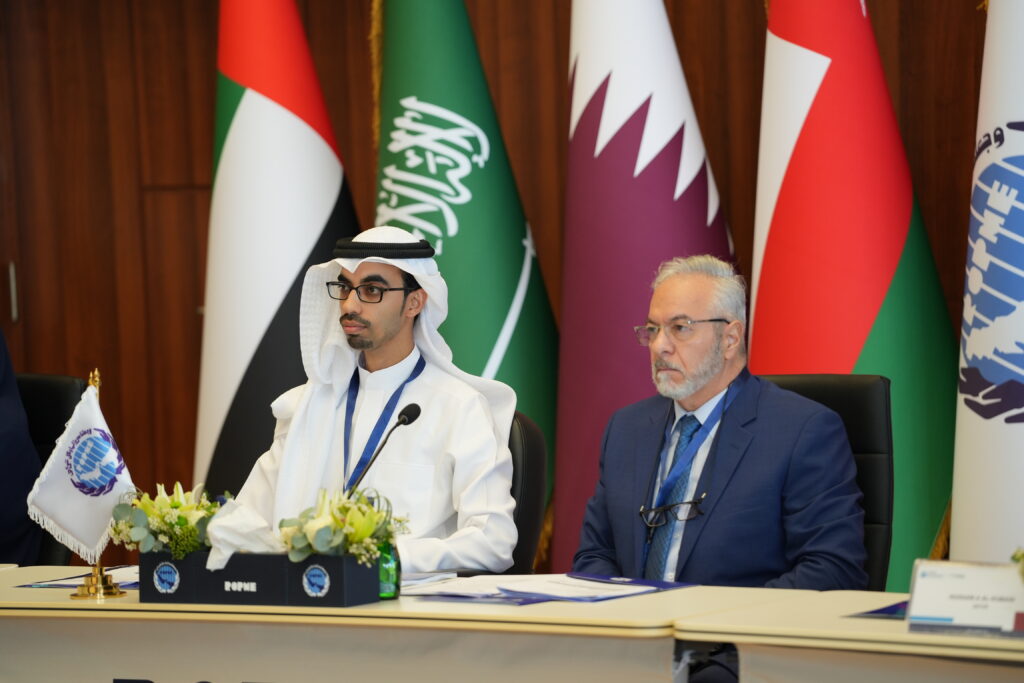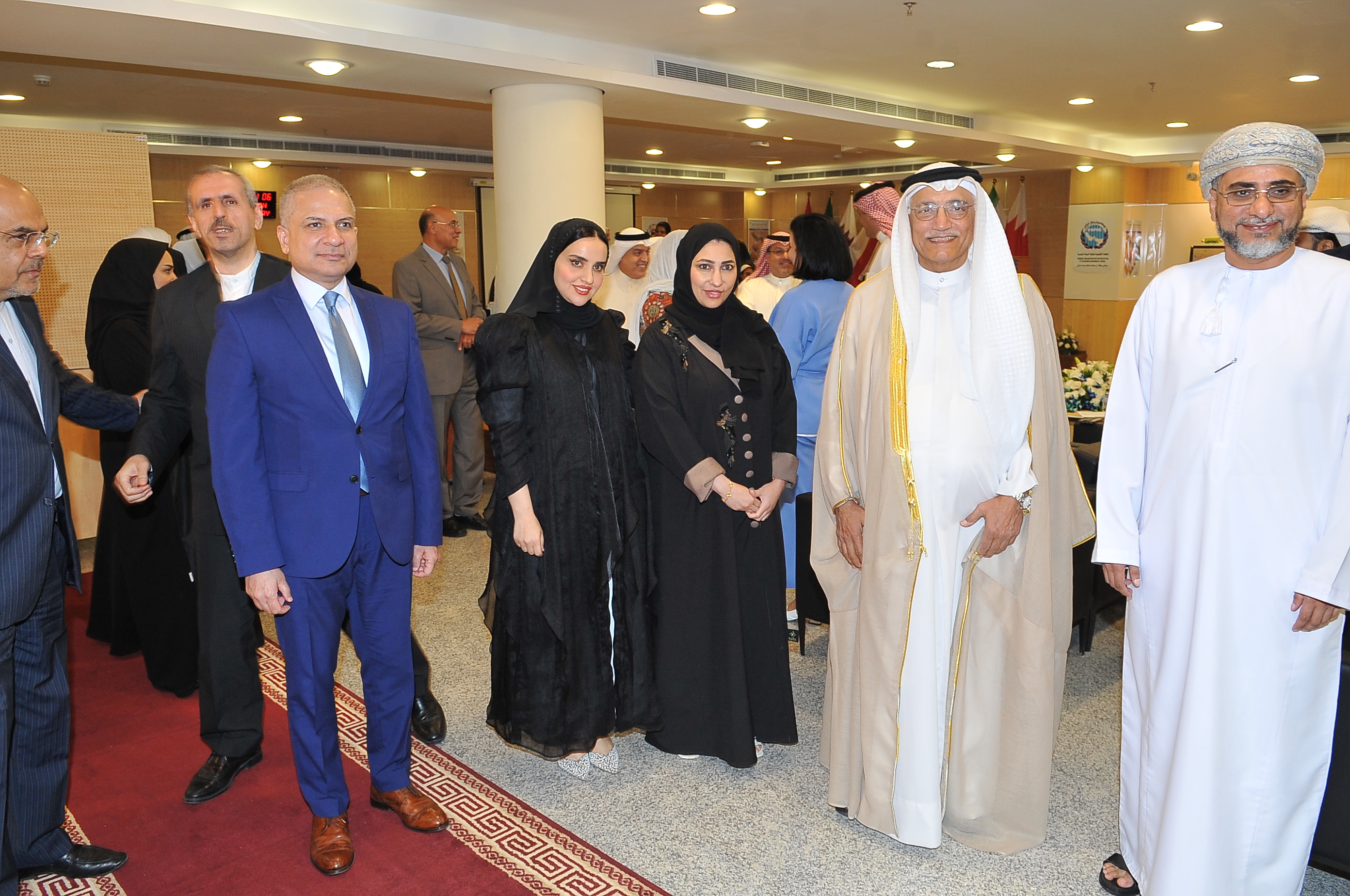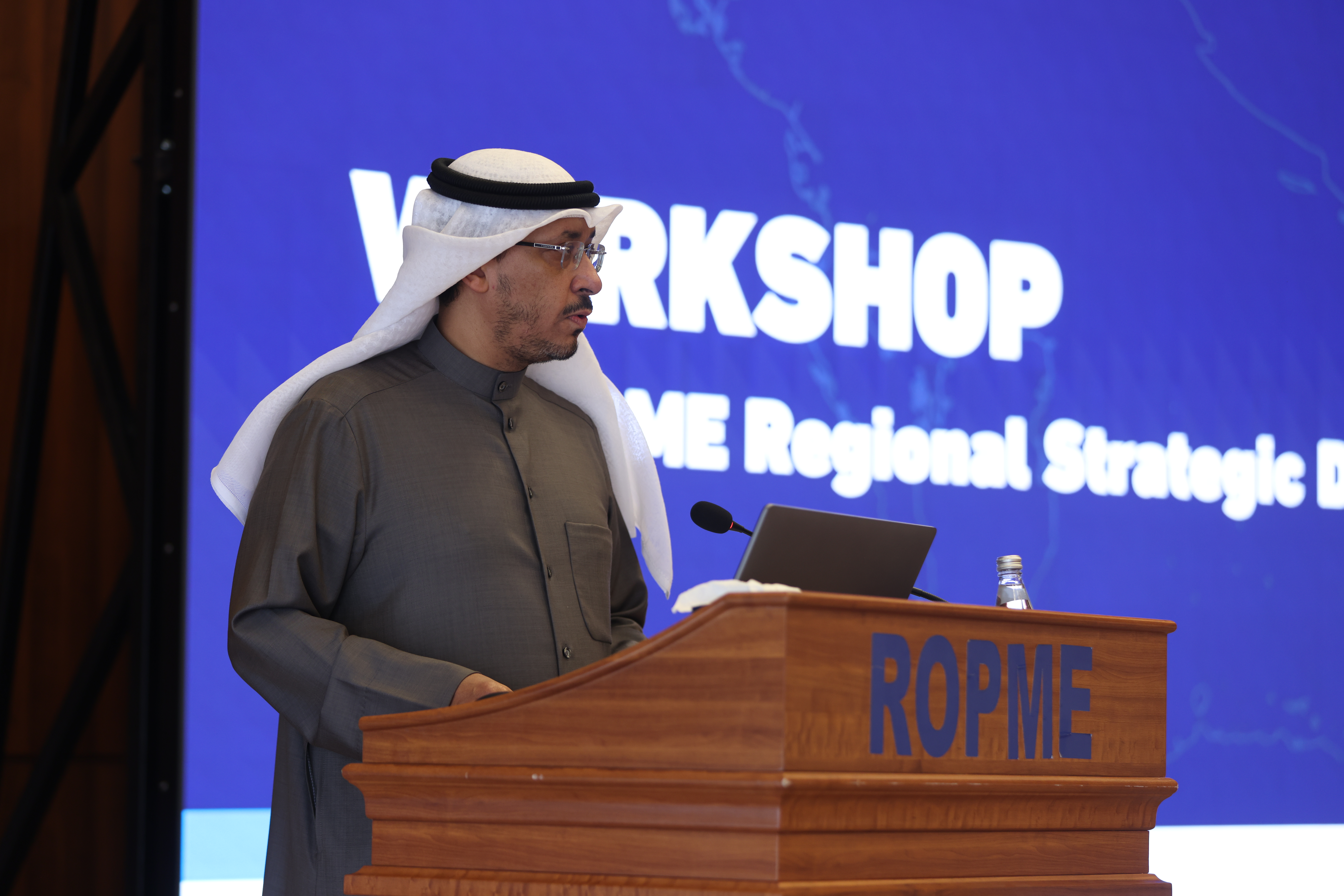


The Centre for Environment, Fisheries and Aquaculture Science (CEFAS) convened a pivotal Regional Workshop on Marine Litter from 14–16 October 2024, marking a significant step forward in the collective effort to combat marine pollution. Hosted to address the escalating threat of plastic debris in regional waters, the event served as a collaborative hub for high-level knowledge exchange. It drew a wide array of delegates committed to preserving marine biodiversity and coastal health, including:
- Marine Scientists: Experts specializing in oceanography, ecotoxicology, and waste tracking.
- Government Regulators: Officials responsible for implementing waste management and environmental protection laws.
- Policy Advisors: Strategists working to develop legislative frameworks for plastic reduction.
Over the course of three intensive days, the workshop agenda transitioned from theoretical overviews to practical, technical training sessions. The curriculum was carefully designed to standardize monitoring protocols across the region, ensuring that data collected by different nations could be effectively compared and utilized for scientific analysis. The sessions focused on several critical objectives:
- Survey Methodologies: Establishing best practices for conducting consistent beach, floating, and seafloor litter surveys.
- Microplastic Identification: Training on laboratory techniques for isolating and categorizing microplastics in water and sediment samples.
- Source Attribution: Developing methods to trace marine debris back to its origin, whether from land-based sources or maritime activities.
The workshop concluded with a strong consensus on the need for a unified regional action plan. Participants agreed that consistent monitoring is only the first step toward effective mitigation and that scientific data must be translated into concrete policy. The final sessions outlined a clear roadmap for the future, prioritizing several key outcomes:
- Harmonized Reporting: The creation of a centralized database to house and analyze regional marine litter data.
- Targeted Interventions: Strategies to reduce specific types of high-impact litter identified during surveys.
- Cross-Border Cooperation: Strengthening joint initiatives to tackle transboundary marine pollution and protect shared marine resources.