Special Sea Area

Why is the RSA a “Special Sea Area”?

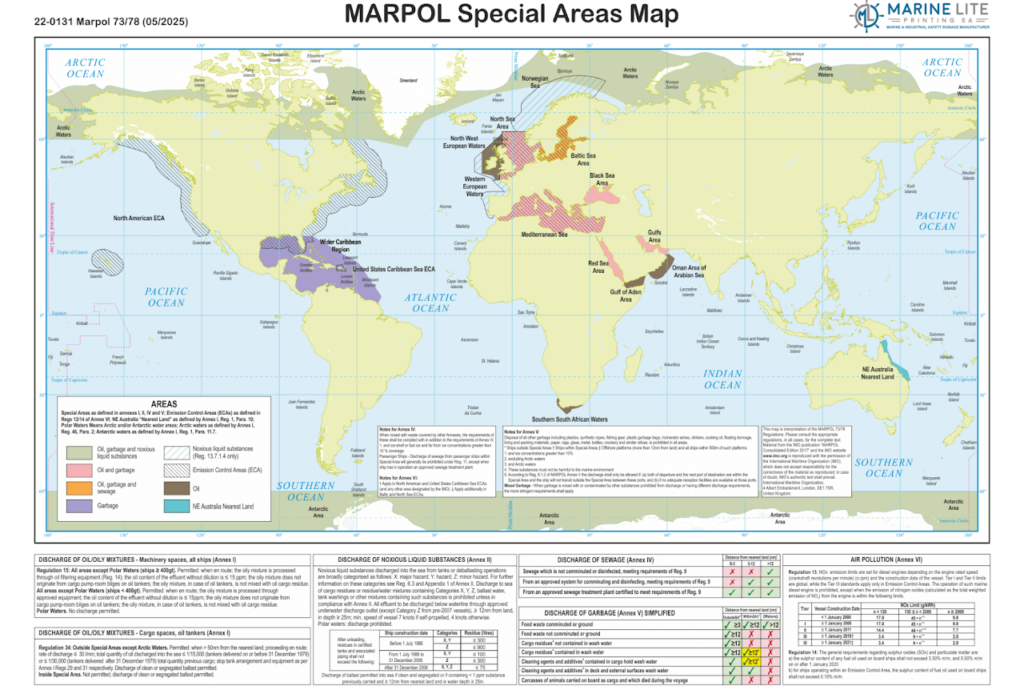
The ROPME Sea Area (RSA) holds a unique place in global maritime law. Recognized by the International Maritime Organization (IMO) under MARPOL Annexes I and V, the RSA is officially designated as a Special Area. This designation reflects its sensitivity to pollution and the intense maritime traffic it sustains, including oil tankers, cargo vessels, and regional shipping. Within a Special Area, stricter discharge regulations apply to vessels: oil, noxious liquid substances, sewage, and garbage discharges are heavily restricted or outright prohibited, except under stringent conditions. This legal status strengthens environmental protection by aligning international maritime rules with the regional Kuwait Regional Convention and its protocols under ROPME.
What does it mean?

Oil Pollution Control: Any discharge of oil or oily mixtures is banned unless treated to international standards.

Garbage Restrictions: Disposal of plastics and most solid wastes is completely prohibited.

Ballast Water Management: Ships are required to manage ballast to reduce the spread of invasive species, a growing concern in the RSA.

Port Reception Facilities: Member States provide dedicated facilities so ships can safely offload waste instead of discharging at sea.

This framework ensures that shipping, which is one of the RSA’s largest economic lifelines, is managed in a way that minimizes environmental harm while maintaining regional trade security.
Annex I and Annex V

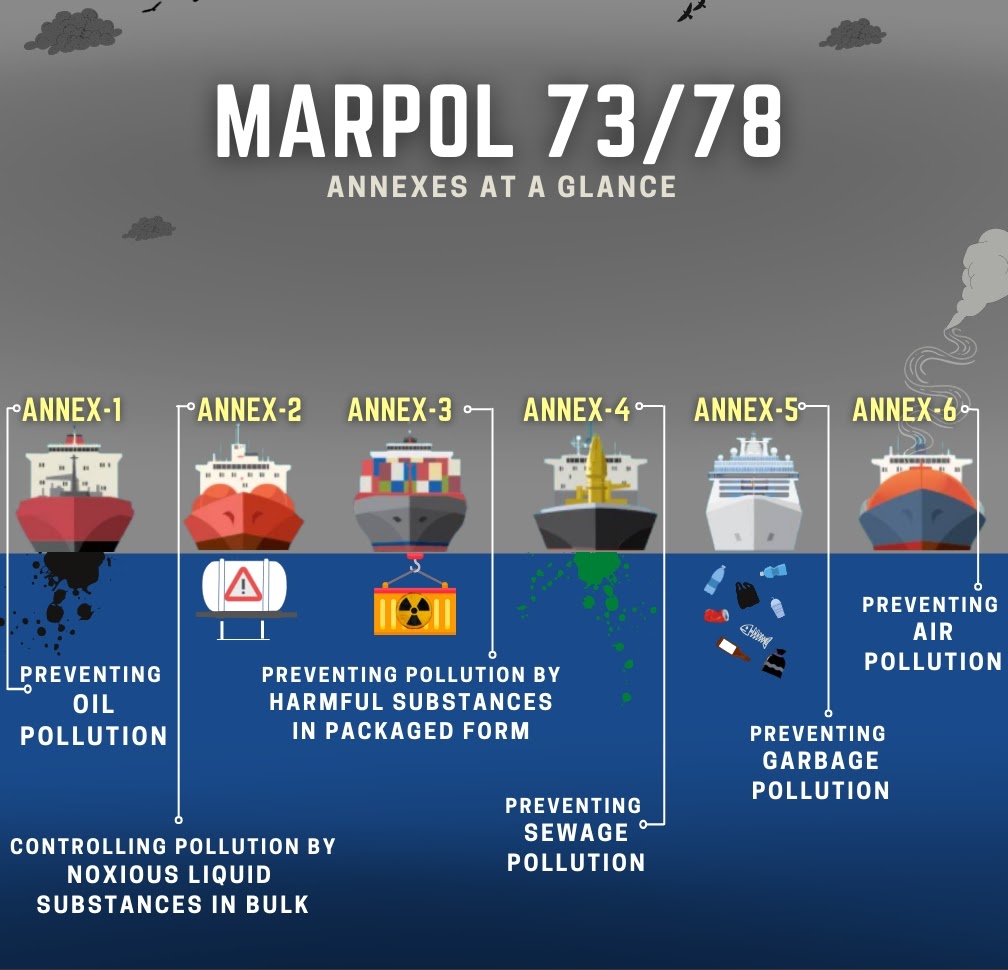
The RSA is specifically listed in MARPOL Annex I (Oil Pollution) and Annex V (Garbage). Under Annex I, any discharge of oil or oily mixtures into the sea is prohibited unless strict conditions are met, a rule especially critical in the RSA where chronic oil spills pose a persistent threat to marine habitats. Annex V further bans the disposal of plastics and heavily restricts other solid wastes, ensuring that the RSA’s semi-enclosed waters — already under pressure from coastal development and heavy shipping — are not further degraded by marine litter. Together, these annexes form the backbone of the RSA’s Special Area protection, directly addressing its two most pressing risks: oil contamination and marine litter.

Key Documents

MARPOL Annex V – Preventing Garbage Pollution

MARPOL Convention Overview (IMO)

MARPOL Annex I – Oil Pollution Rules

Explore More
  • Privacy Policy
    Privacy Policy

    Please read this privacy policy carefully. If you do not agree with the terms of this privacy policy, please do not access the site. 1. Information We Collect We collect personal information that you voluntarily provide to us when you express an interest in obtaining information about us or our services, particularly when you interact

  • ROPME Live Data
    ROPME Live Data

    The ROPME Live Data page is designed to give everyone an easy window into local weather conditions. The pins mark where measurements are taken, and the data shown is the rounded average of all measurements. Alongside the map, you’ll find live updates of key weather indicators. The page refreshes regularly so visitors can always see

  • Organization
    Organization

    In accordance with Article XVI of the Convention, the Regional Organization for the Protection of the Marine Environment (ROPME) consist of three organs i.e. the Council, the Secretariat and the Judicial Commission (see Organizational Chart). Council Council is consisted of the Contracting States’ Representatives at Ministerial level (Bahrain, I.R.Iran, Iraq, Kuwait, Oman, Qatar, Saudi Arabia

  • ROPME Sea Area
    ROPME Sea Area

    Kuwait Convention 1978 Kuwait Action Plan Region Since its establishment, ROPME Sea Area was referred to as the Kuwait Action Plan Region and this naming was officially used during the technical coordinations to the Kuwait Action Plan (KAP) and during the implementing the Convention and its Protocols, as well as several projects covering environmental assessment and management, including the “Combating Oil Pollution

  • Outreach
    Outreach

    Environmental Awareness IntroductionWith the emergence of numerous contemporary environmental problems, it was natural for them to be accompanied by sincere calls to focus on Environmental Awareness. This is considered the first line of defense for the environment and its protection, achieved by involving the public in solving and confronting environmental issues, limiting pollutants, and supporting

  • Capacity Building
    Capacity Building

    ROPME initiative towards the implementation of a Regional Mussel Watch Programme in RSA is a response to increasing public and scientific concern about the quality of the marine environment in the Region. In fact, such programme already implemented successfully almost over the world as an economic and easy monitoring tool and for orienting environmental monitoring

  • MEMAC
    MEMAC

    ObjectivesIn conformity with the provisions of the Protocol, the Marine Emergency Mutual Aid Centre (MEMAC) was established in Bahrain and started functioning in March 1983. The objectives of MEMAC are contained in Article III of the Protocol, which read as follows: Visit MEMAC Website