



Kuwait: Where Desert Sands Meet the Arabian Gulf
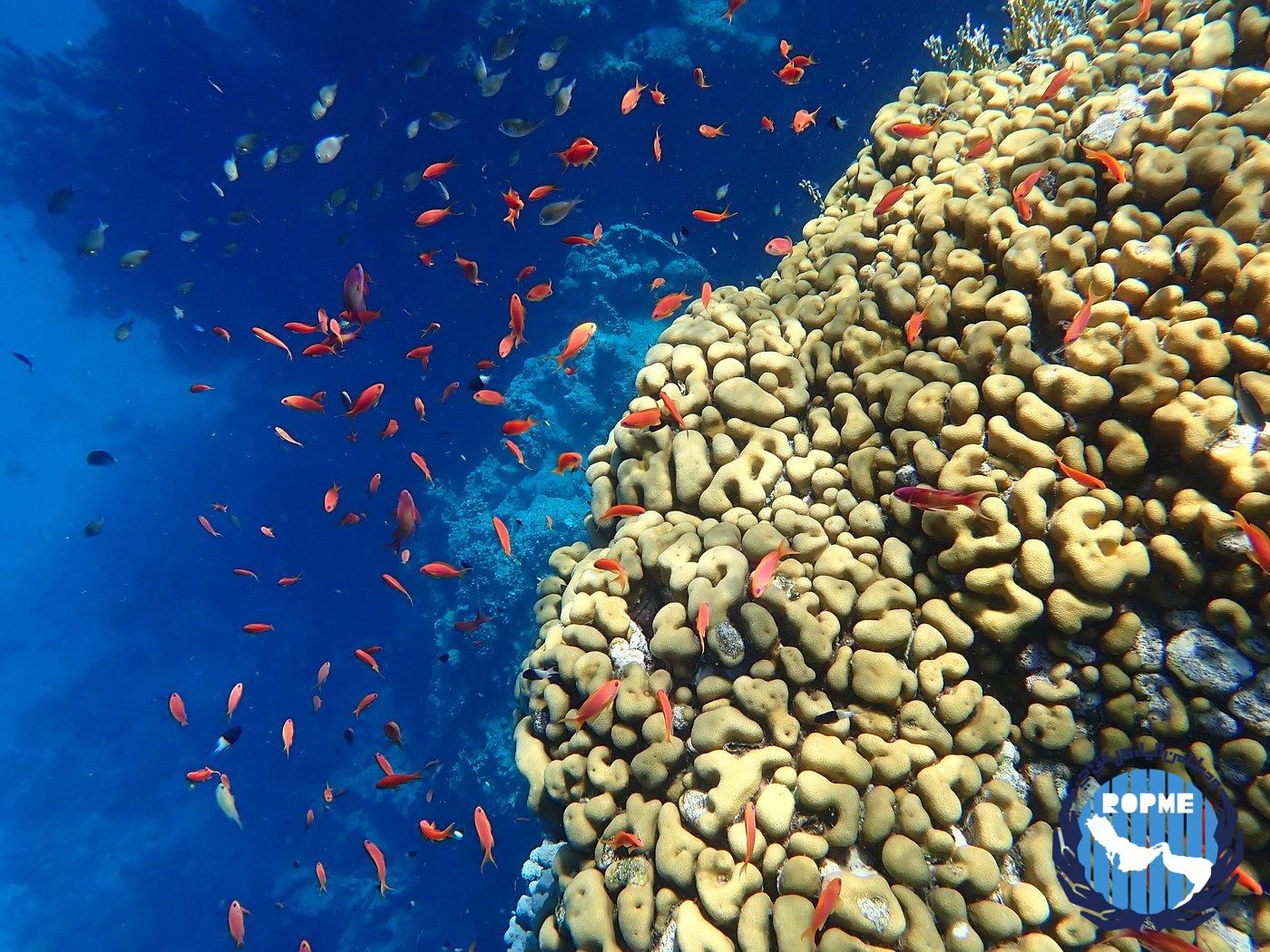
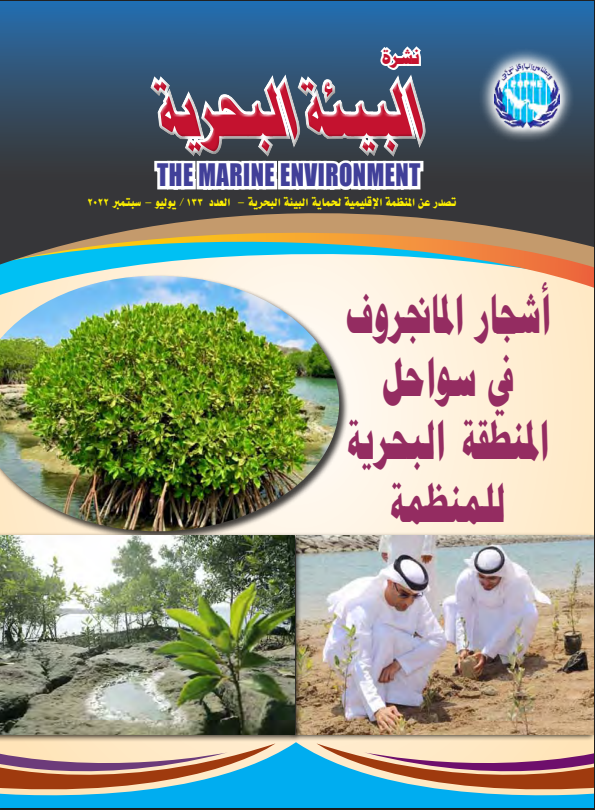
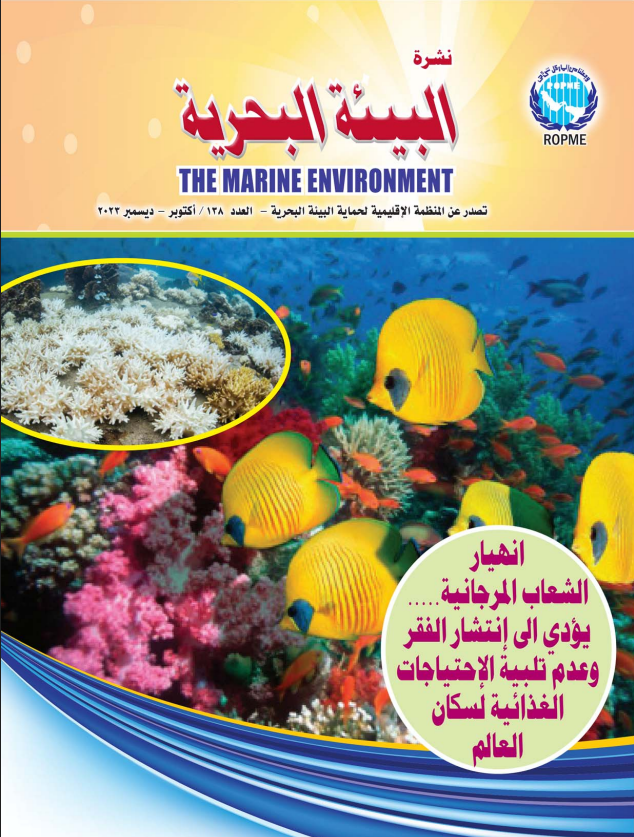
Kuwait, located at the northwestern edge of the Arabian Gulf, is a nation whose identity and development have long been shaped by its proximity to the sea. With a coastline stretching over 500 kilometres, Kuwait’s marine environment is home to diverse ecosystems, including coral reefs, seagrass beds, and mangrove habitats. These natural resources not only support biodiversity but also play a vital role in the country’s economy, culture, and climate resilience.
Historically, Kuwait’s maritime heritage has been central to its social and economic fabric. From pearl diving and fishing to international trade, the sea has served as a lifeline for generations. Today, this legacy continues through Kuwait’s active engagement in regional and global efforts to protect and sustain marine ecosystems.
A Skyline Reborn: Modern Marvels
Historically, Kuwait’s maritime heritage has been central to its social and economic fabric. From pearl diving and fishing to international trade, the sea has served as a lifeline for generations. Today, this legacy continues through Kuwait’s active engagement in regional and global efforts to protect and sustain marine ecosystems.
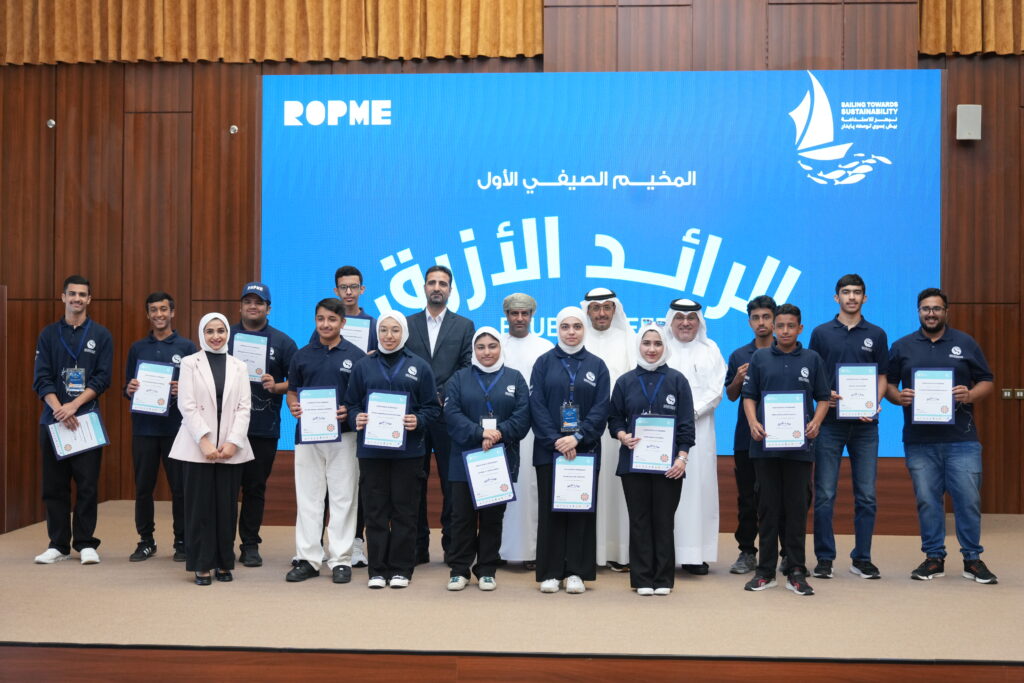
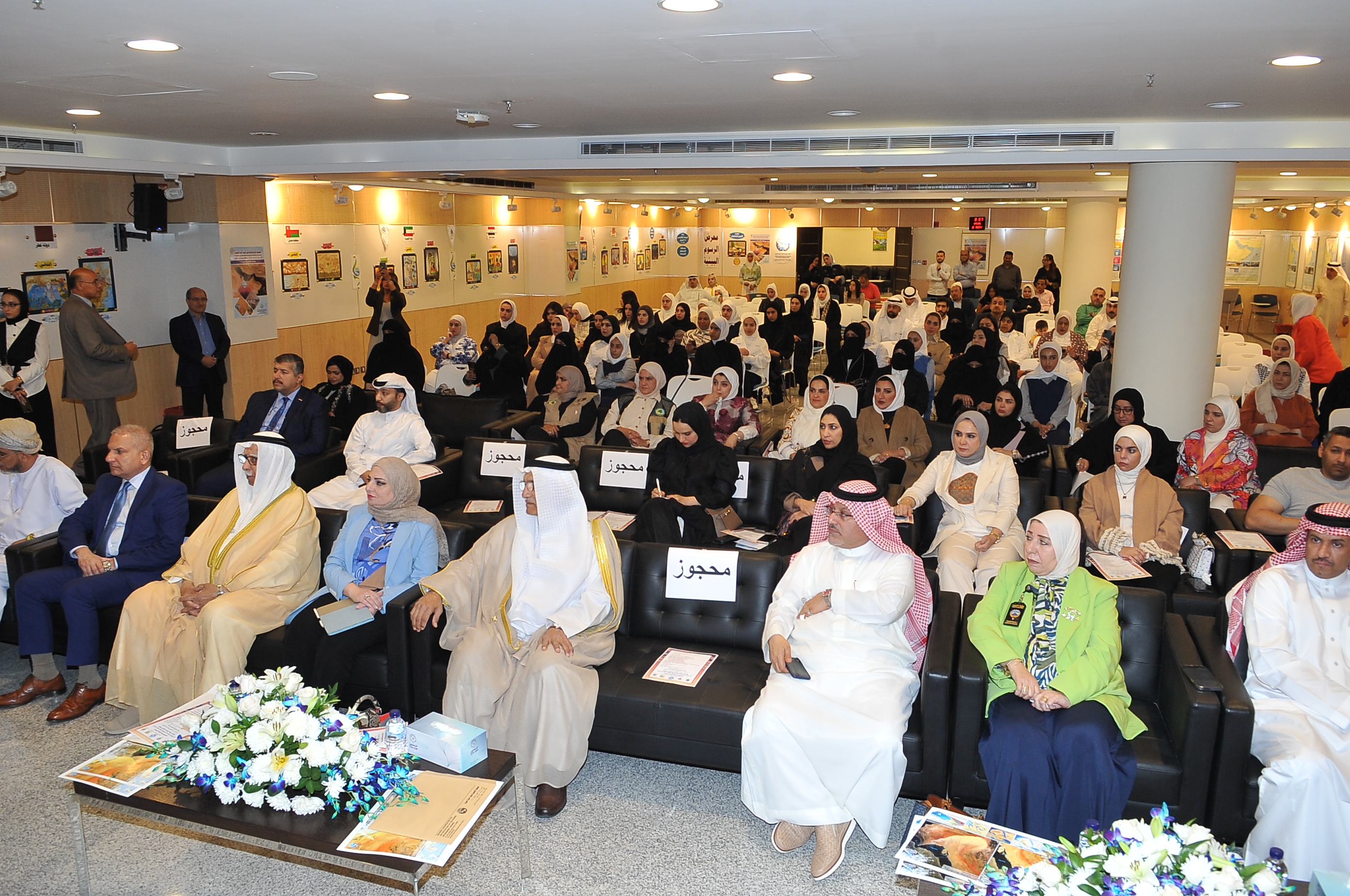
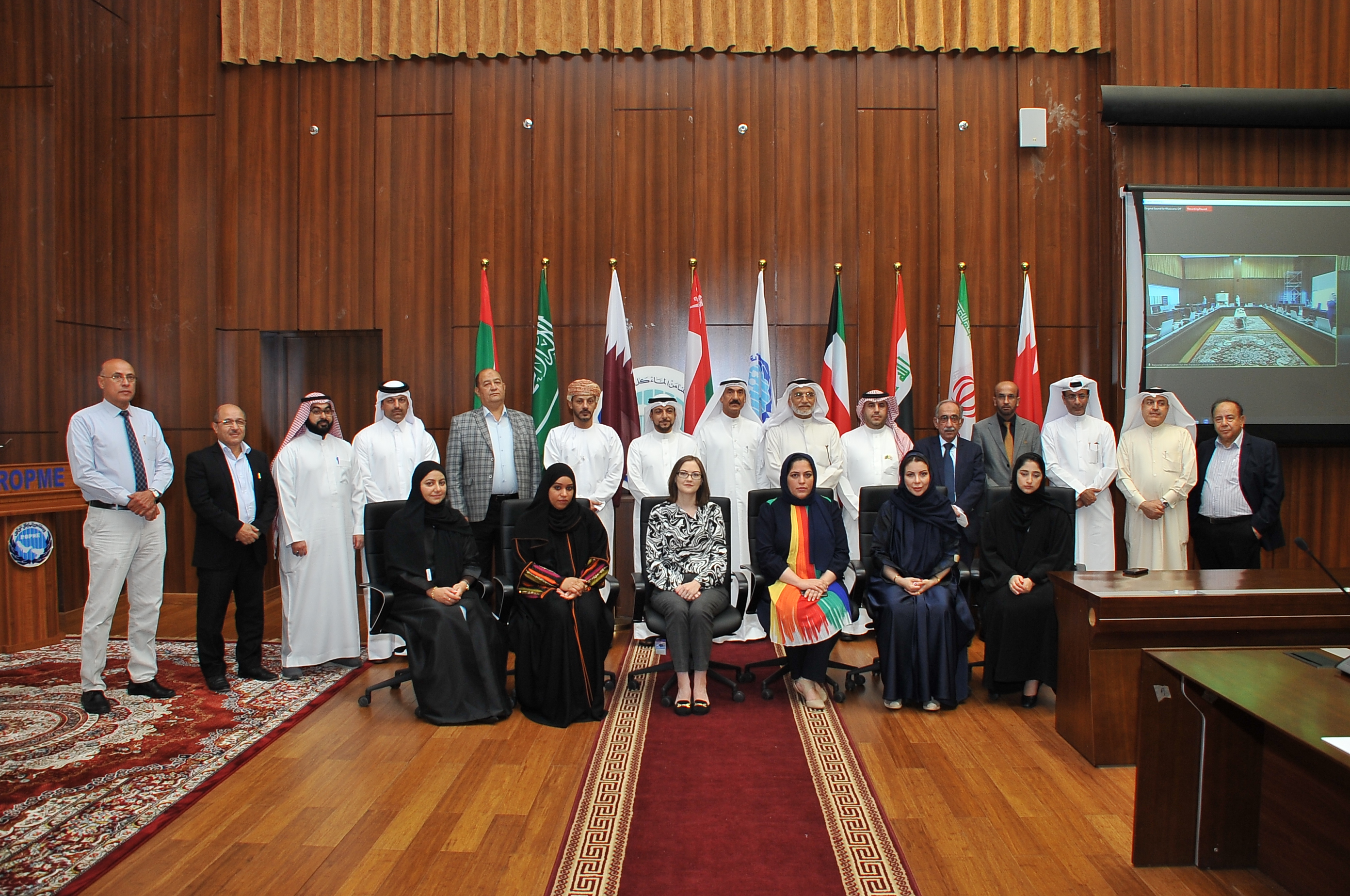
As a founding member of the Regional Organization for the Protection of the Marine Environment (ROPME), Kuwait plays a leading role in advancing environmental cooperation across the ROPME Sea Area. The country hosts the ROPME Secretariat in Kuwait City, serving as a hub for scientific research, policy coordination, and regional dialogue. Through its support of ROPME’s strategic programs—ranging from pollution prevention and biodiversity conservation to climate change adaptation and public outreach—Kuwait demonstrates a strong commitment to marine stewardship.
Kuwait has also invested in national initiatives to monitor and mitigate environmental threats. These include coastal water quality assessments, marine habitat restoration projects, and public awareness campaigns aimed at promoting sustainable practices. The country’s environmental agencies work closely with academic institutions and civil society to foster innovation and build capacity in marine science and conservation.
In recent years, Kuwait has faced growing challenges linked to climate change, urbanization, and industrial activity. Rising sea temperatures, coastal erosion, and pollution from land- and sea-based sources pose risks to marine life and coastal communities. In response, Kuwait has prioritized environmental resilience in its national development plans, aligning with international frameworks such as the United Nations Sustainable Development Goals (SDGs).
Looking ahead, Kuwait’s role in regional marine protection remains vital. By leveraging its strategic position, scientific expertise, and diplomatic leadership, the country continues to champion collaborative solutions for a cleaner, healthier, and more resilient marine environment. Whether through hosting regional expeditions, supporting data-driven research, or engaging the public in conservation efforts, Kuwait stands as a beacon of environmental responsibility in the Gulf.