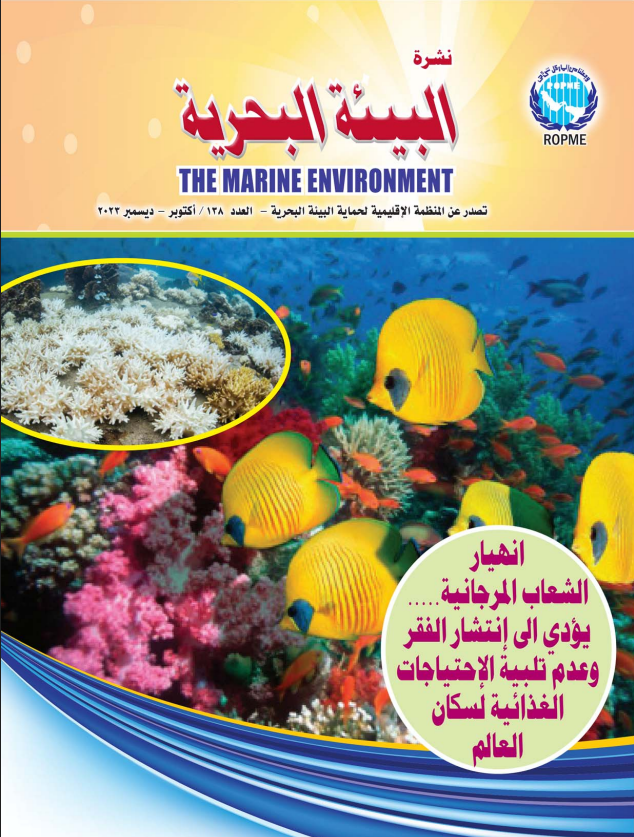


Coral reef collapse has direct and severe consequences for human livelihoods, particularly in coastal and island communities that depend on the sea for survival. Reefs support small-scale fisheries by providing breeding grounds and shelter for many fish species. When reefs degrade or disappear, fish populations decline sharply, reducing daily catches and cutting off a primary source of income. For families whose livelihoods rely almost entirely on fishing and reef-related activities, this loss quickly translates into poverty, debt, and economic instability.
The collapse of coral reefs also undermines food security. Millions of people depend on reef-based fish as their main source of affordable protein. As reefs die, fish become scarcer and more expensive, placing nutritious food beyond the reach of poorer households. This leads to unmet food needs, especially among children and vulnerable groups, increasing the risk of malnutrition and long-term health problems. In regions with limited agricultural land or freshwater, there are often no realistic alternatives to replace lost marine food sources.
1. Introduction: The Central Role of Coral Reefs
Coral reefs are among the most productive and valuable ecosystems on Earth, despite covering a very small percentage of the ocean floor. They support marine biodiversity, protect coastlines, and sustain millions of people whose lives are closely tied to the sea. In many coastal and island regions, coral reefs are not a luxury or a natural attraction, but a foundation for survival. When coral reefs begin to collapse, the consequences extend far beyond environmental loss and directly affect human dignity, stability, and well-being.
Reef collapse is not a sudden event but a gradual process driven by rising sea temperatures, pollution, overfishing, destructive fishing practices, and coastal development. As corals bleach and die, the complex structures that once supported entire marine communities break down. This ecological collapse initiates a chain reaction that reaches households, markets, and national economies, particularly in developing coastal states.
2. Coral Reefs and Coastal Livelihoods
Small-scale fisheries depend heavily on coral reefs, which serve as breeding grounds, feeding areas, and shelter for countless fish species. Reef fish form the backbone of daily catches for artisanal fishers, many of whom lack alternative employment opportunities. When reefs degrade, fish populations decline in both number and diversity, making fishing trips longer, riskier, and less profitable.
As catches shrink, incomes fall. Fishers struggle to cover basic needs such as food, healthcare, and education. Equipment maintenance becomes unaffordable, debt increases, and many households fall into chronic poverty. For communities whose skills, culture, and identity are tied to fishing, the loss of reefs also represents a loss of social stability and generational knowledge.
3. Economic Decline and Community-Level Poverty
Beyond individual fishers, reef collapse affects entire local economies. Fish markets, processors, transporters, and small vendors all depend on a steady supply of marine resources. When reef productivity declines, these interconnected economic activities weaken or disappear altogether. Coastal towns that once relied on vibrant fisheries experience unemployment, reduced trade, and declining public revenues.
In many regions, coral reefs also support eco-tourism activities such as diving, snorkeling, and recreational fishing. Reef degradation reduces tourism appeal, further limiting income opportunities. Without diversified economies, communities face economic stagnation and increased dependence on external aid, reinforcing cycles of poverty and vulnerability.
4. Food Security and Nutrition Impacts
Coral reef fisheries provide a major source of affordable animal protein for millions of people. Reef fish are often the most accessible and culturally accepted food option in coastal areas, especially where agriculture is limited by poor soils, water scarcity, or harsh climates. When reefs collapse, fish become scarcer and prices rise beyond the reach of low-income families.
This leads to unmet food needs, reduced dietary diversity, and increased reliance on less nutritious alternatives. Children, pregnant women, and the elderly are particularly affected, facing higher risks of malnutrition, stunted growth, and weakened immune systems. Over time, food insecurity contributes to long-term health problems that place additional strain on families and public health systems.
5. Loss of Natural Coastal Protection
Healthy coral reefs act as natural breakwaters, absorbing wave energy and reducing the impact of storms, tidal surges, and erosion. When reefs deteriorate, coastlines become more exposed to environmental hazards. Homes, fishing boats, roads, and essential infrastructure are increasingly damaged by storms and flooding.
The financial burden of repairs and rebuilding deepens economic hardship, particularly for poor communities with limited access to insurance or state support. Repeated damage discourages investment and forces some families to abandon coastal areas altogether, leading to displacement and social disruption.
6. Social Vulnerability and Inequality
Coral reef collapse disproportionately affects the poorest and most marginalized groups. Wealthier actors may adapt by shifting to industrial fishing, importing food, or relocating, while poorer households lack such options. Women, who are often involved in fish processing and local markets, lose critical sources of income, increasing household dependency and inequality.
As resources become scarce, competition over remaining fish stocks intensifies, sometimes leading to conflict within and between communities. Traditional social structures and mutual support systems weaken under prolonged economic stress, further reducing community resilience.
7. Long-Term Development Consequences
The cumulative effects of reef collapse undermine long-term development goals. Poverty, food insecurity, health challenges, and environmental degradation reinforce one another, making recovery increasingly difficult. Governments are forced to divert limited resources toward emergency responses rather than education, innovation, or sustainable development.
Without healthy coral reefs, future generations inherit fewer economic opportunities and a more fragile environment. This intergenerational impact transforms reef collapse from a temporary environmental issue into a lasting development crisis.
8. The Moral and Strategic Imperative to Act
Protecting and restoring coral reefs is not merely an environmental concern but a moral, social, and economic responsibility. Effective reef management safeguards livelihoods, ensures food security, and strengthens coastal resilience against climate change. It also aligns with broader goals of justice, sustainability, and human welfare.
Investing in reef conservation, reducing pollution, promoting sustainable fisheries, and supporting community-based management are essential steps to prevent further collapse. By preserving coral reefs, societies protect both nature and people, breaking the cycle of poverty and unmet food needs while securing a more stable and dignified future for coastal communities.