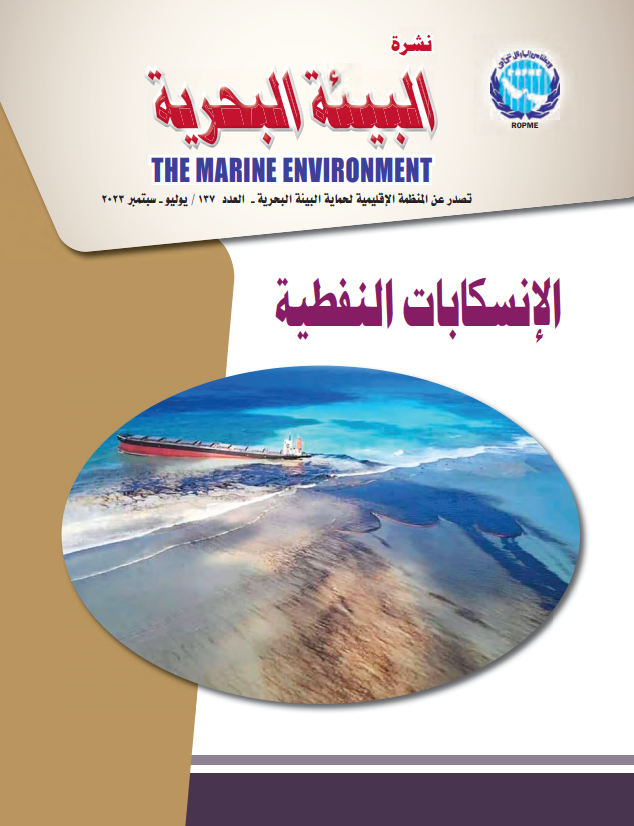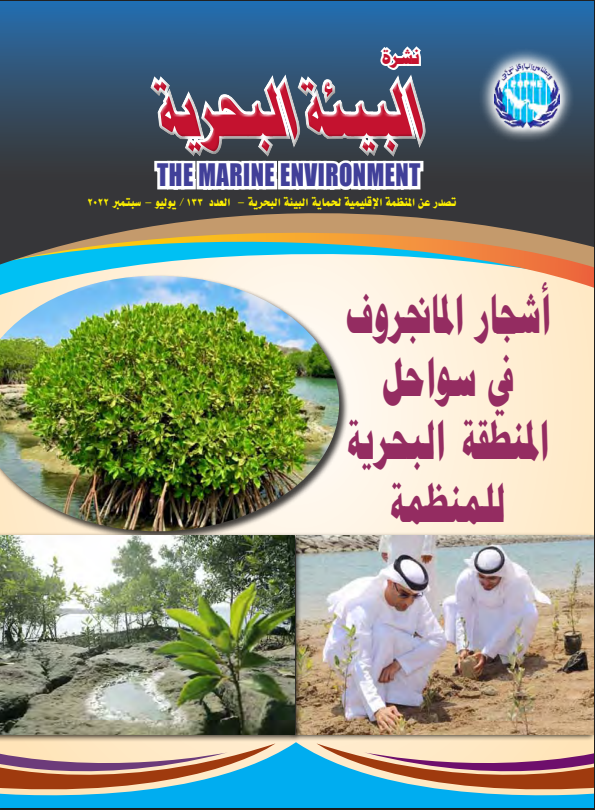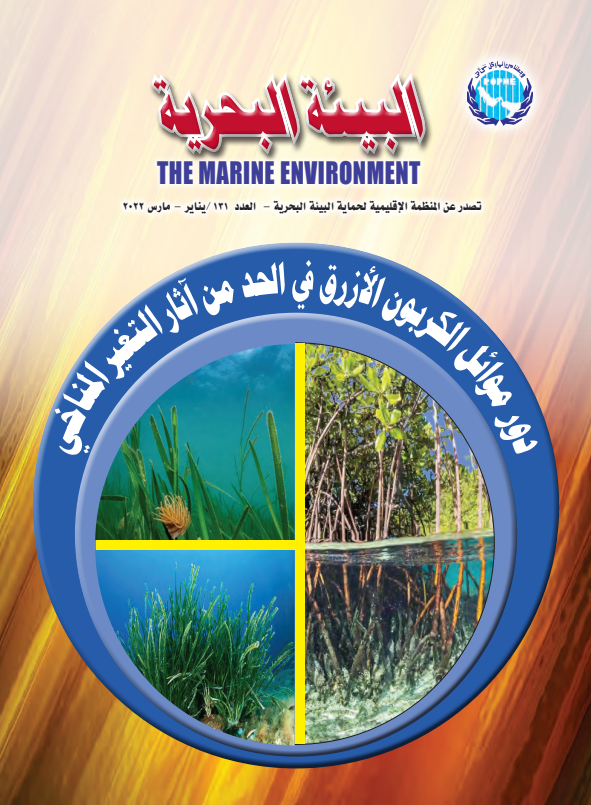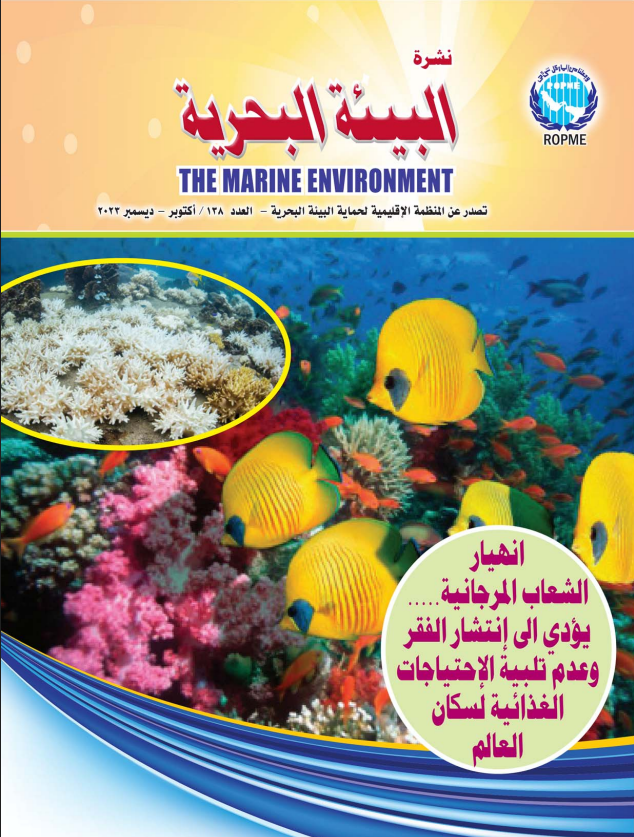


ROPME Magazine Issue No. 137 focuses primarily on oil spills and their impacts within the ROPME Sea Area, a region that includes the Gulf and adjacent waters. This issue compiles information and resources related to oil pollution incidents, regulatory frameworks, and responses aimed at understanding and mitigating the harmful effects of hydrocarbon discharges into the marine environment. It serves as a specialized thematic edition within ROPME’s magazine series, addressing one of the most persistent threats to marine ecosystems in the region.
The content highlights documented cases of oil contamination, explores how such spills occur, and examines their environmental consequences on water quality, coastal habitats, and biodiversity. These discussions are positioned within a broader context of marine protection and sustainable management, emphasizing the need for monitoring, preparedness, and coordinated emergency response among ROPME member states.
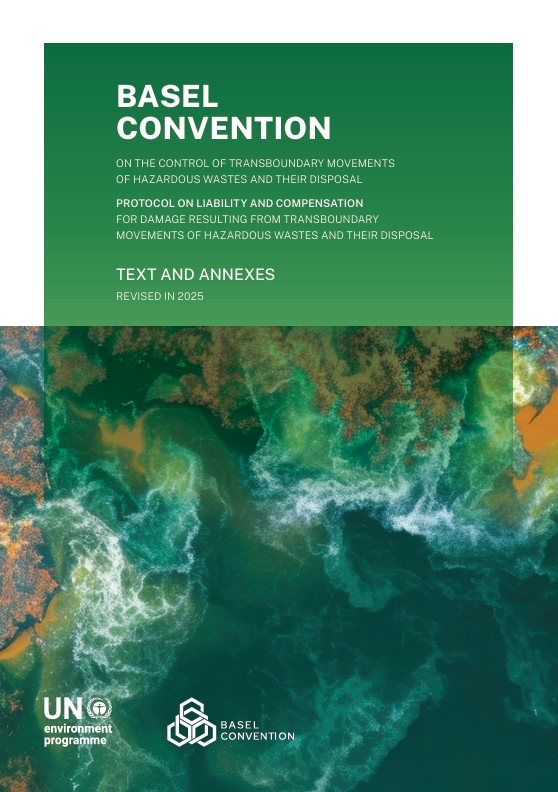
In addition to case summaries, Issue 137 includes analytical insights and reference materials such as international conventions, national legislation, and technical protocols that guide oil spill prevention and cleanup efforts. The magazine thereby supports information sharing and capacity building among scientists, policymakers, and practitioners working to safeguard the Gulf’s marine environment from petroleum-related pollution.
1. Introduction: Oil Spills as a Critical Threat
ROPME Magazine Issue No. 137 examines oil spills as one of the most serious and persistent threats to the marine environment in the ROPME Sea Area, which includes the Arabian Gulf and its adjacent waters. Oil spills are sudden yet highly damaging events that disrupt ecological balance, threaten biodiversity, and undermine the livelihoods of coastal communities. The issue provides an in-depth look at the causes, impacts, and management strategies associated with hydrocarbon pollution, positioning oil spills as a central concern for regional environmental security and sustainable marine management.
2. Sources and Causes of Oil Pollution
Oil pollution in the Gulf arises from multiple sources, both accidental and operational. These include tanker accidents, pipeline leaks, offshore drilling incidents, and routine discharges from ships. Industrial facilities along the coast also contribute through accidental releases or inadequate waste management. Understanding these sources is critical for prevention, as each type of spill requires different response measures and carries varying degrees of environmental risk. The magazine emphasizes that addressing oil pollution demands a combination of monitoring, regulatory enforcement, and proactive risk management.
3. Environmental Consequences
Oil spills have immediate and long-term impacts on marine ecosystems. Hydrocarbon contaminants coat shorelines, disrupt the natural processes of intertidal zones, and smother coral reefs, seagrass beds, and mangrove forests. Oil affects water quality by reducing oxygen levels and releasing toxic compounds, which harm fish, invertebrates, and plankton populations. These ecological disturbances cascade through food chains, reducing biodiversity and destabilizing marine habitats. Issue 137 highlights documented spill incidents to illustrate the scale and complexity of these environmental consequences.
4. Impacts on Coastal Communities and Livelihoods
Coastal communities in the Gulf rely heavily on fisheries, aquaculture, and tourism. Oil spills threaten these economic activities by contaminating fish stocks, reducing catches, and polluting beaches and recreational areas. Small-scale fishers face immediate income loss, while tourism operators experience reduced visitation and revenue. Long-term exposure to oil-contaminated areas can also compromise public health, increasing medical costs and social vulnerability. The magazine stresses that protecting marine ecosystems is directly linked to protecting human livelihoods.
5. Regulatory and Legal Frameworks
Issue 137 outlines the international conventions, regional agreements, and national legislation that govern oil spill prevention, reporting, and cleanup in the Gulf. These frameworks provide legal obligations for responsible parties, define emergency response protocols, and establish mechanisms for liability and compensation. By consolidating these regulatory resources, the magazine serves as a practical reference for policymakers, environmental agencies, and industry operators working to ensure compliance and accountability in oil management.
6. Response Strategies and Preparedness
Preparedness and rapid response are essential to mitigating the impacts of oil spills. Issue 137 emphasizes the importance of coordinated action among ROPME member states, including the use of oil booms, skimmers, dispersants, and shoreline cleanup techniques. Training exercises, contingency planning, and inter-agency collaboration are highlighted as key elements to ensure timely and effective responses. The magazine presents case studies to illustrate lessons learned from past spills and strategies that can be applied to future incidents.
7. Scientific Monitoring and Capacity Building
Scientific research and monitoring are central to understanding oil spill dynamics and minimizing their impact. Issue 137 highlights the role of satellite surveillance, water sampling, and environmental modeling in detecting spills and predicting their movement. Capacity building among scientists, practitioners, and policy makers ensures that knowledge is translated into action, strengthening regional resilience. Sharing research and expertise across borders enables ROPME member states to implement best practices and adapt to emerging threats.
8. Conclusion: Safeguarding the Gulf Marine Environment
Oil spills represent a multidimensional threat—ecological, economic, and social—to the Gulf’s marine environment. ROPME Magazine Issue 137 underscores the importance of prevention, preparedness, and collaborative response in reducing these impacts. By combining legal frameworks, scientific research, capacity building, and coordinated emergency strategies, the magazine positions ROPME member states to protect biodiversity, sustain coastal livelihoods, and maintain the ecological health of the Gulf for future generations.