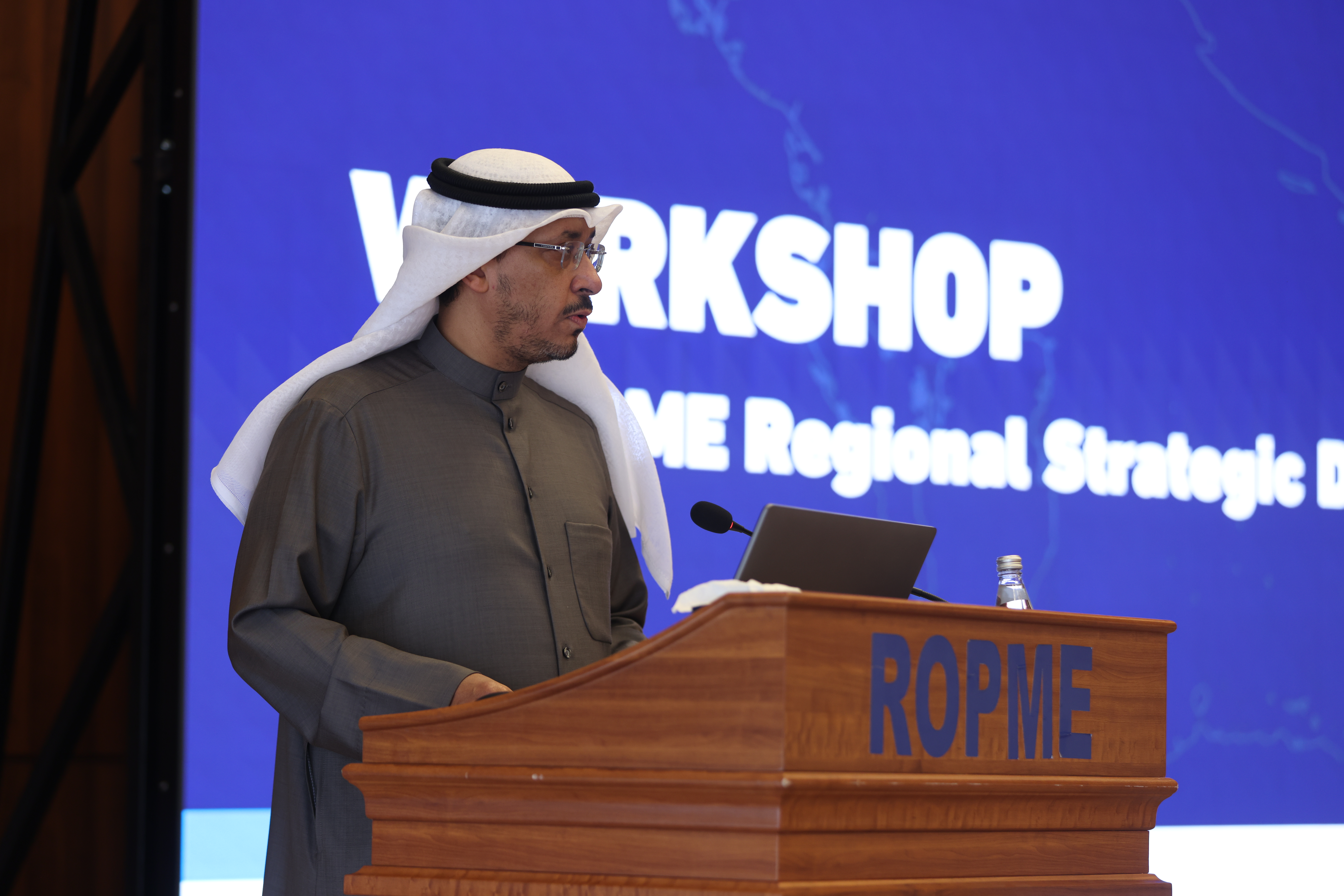


The Thirteenth Oil Spill Response Officers (OSRO) Meeting was held in line with the decision of the Sixteenth ROPME Council Meeting in Jeddah, Saudi Arabia. The meeting provided a platform for national oil spill response officers from ROPME Member States to review and update their national and regional contingency plans, share experiences, and enhance preparedness for oil spill incidents. The discussions focused on strengthening knowledge and skills in oil spill response, promoting best practices, and fostering international collaboration to mitigate environmental and economic impacts.
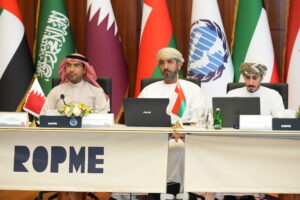
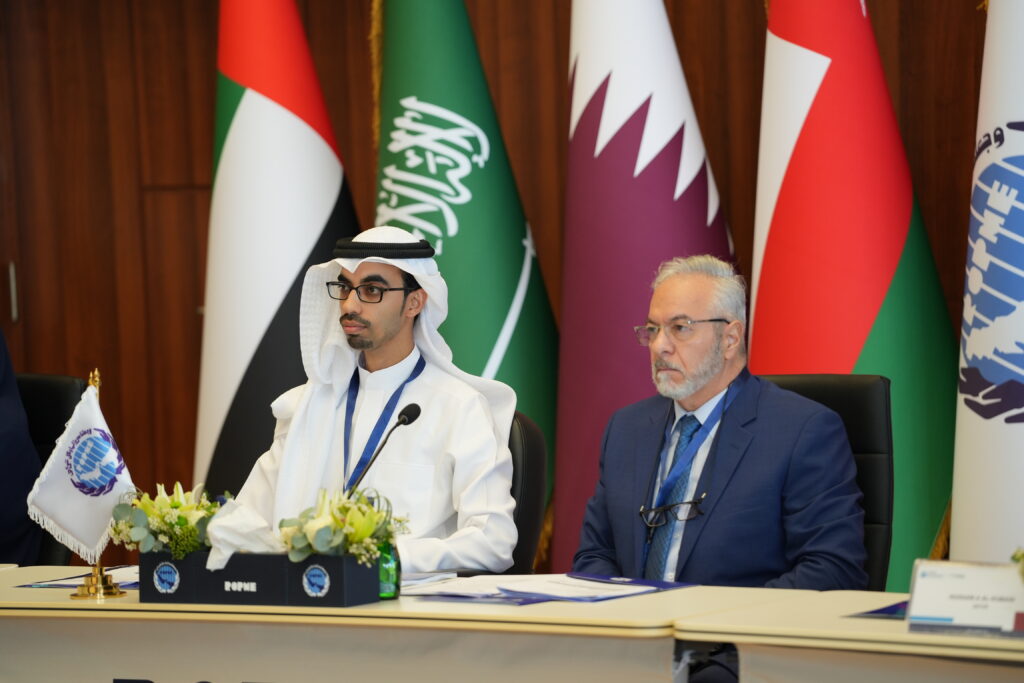
Participants included designated oil response officers from Bahrain, Iran, Iraq, Kuwait, Oman, Qatar, Saudi Arabia, and the UAE, along with MEMAC staff, OSRL experts, and representatives from the Ministry of Environment and Climate Change (MECC) in Qatar. The meeting agenda covered 16 items across five plenary sessions and included a site visit to the Department of Environmental Operations at MECC, where participants observed oil spill monitoring procedures and environmental response operations.
Key sessions included an introduction to ROPME and MEMAC roles, updates on national oil spill contingency plans, and the role of the ROPME satellite station in monitoring marine oil spills. Member States presented the status of their contingency plans, chemical and hazardous substance spill preparedness, and equipment stockpiles. OSRL delivered expert presentations covering legal frameworks, environmental impacts, impact assessments, recent case studies, media management, and financial aspects of oil spill response, highlighting lessons learned from regional and international incidents.
The IMO tabletop exercise provided practical training on responding to oil and hazardous substance spills, emphasizing coordination, quick decision-making, and effective monitoring. The site visit to MECC’s Environmental Operations Center offered insight into emergency procedures and 24/7 monitoring of oil spills in Qatar’s territorial waters. The meeting concluded with key recommendations from Member States, including the implementation of oil spill trajectory systems, adoption of advanced monitoring technologies, upgrading detection mechanisms, conducting regular regional exercises, developing regional oil sample databases, creating dedicated coordination platforms, updating predictive software, and designating high-risk ports